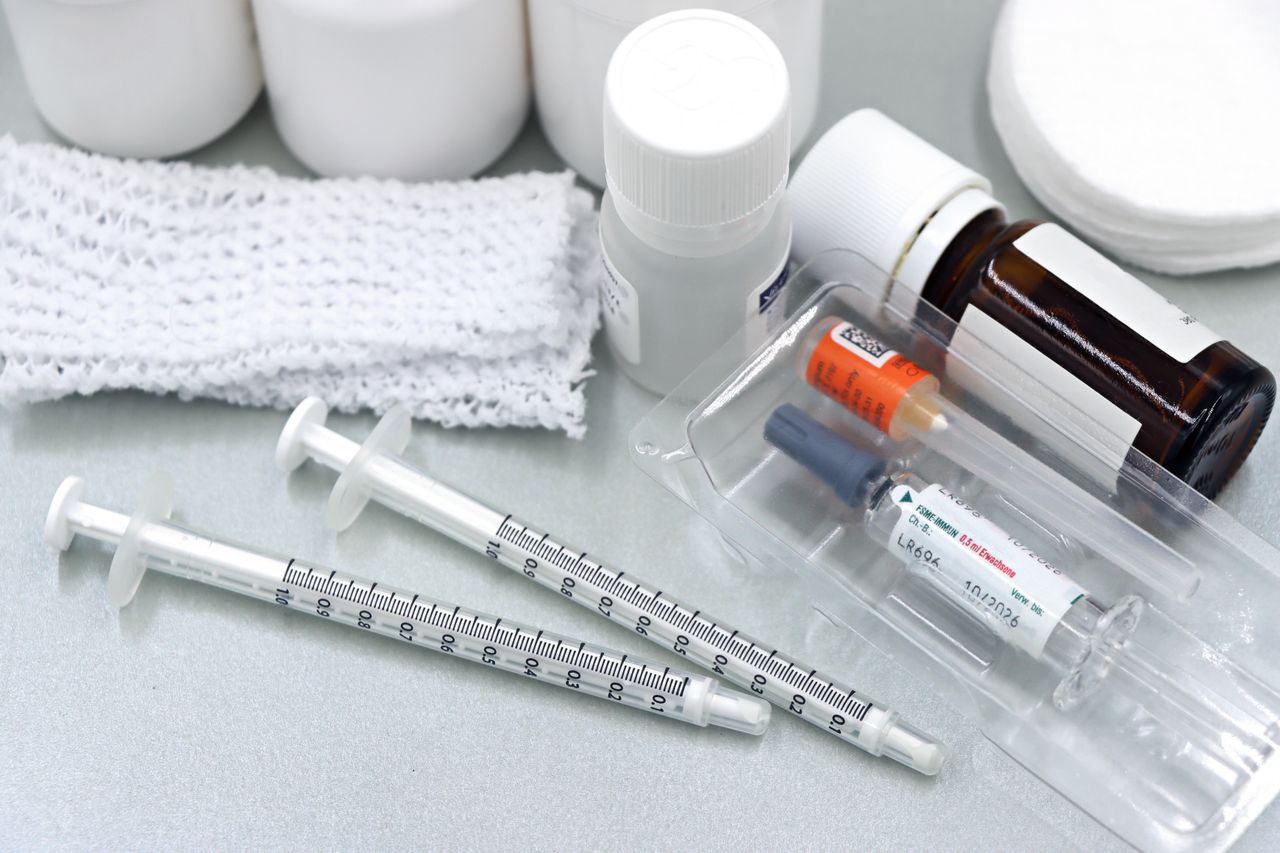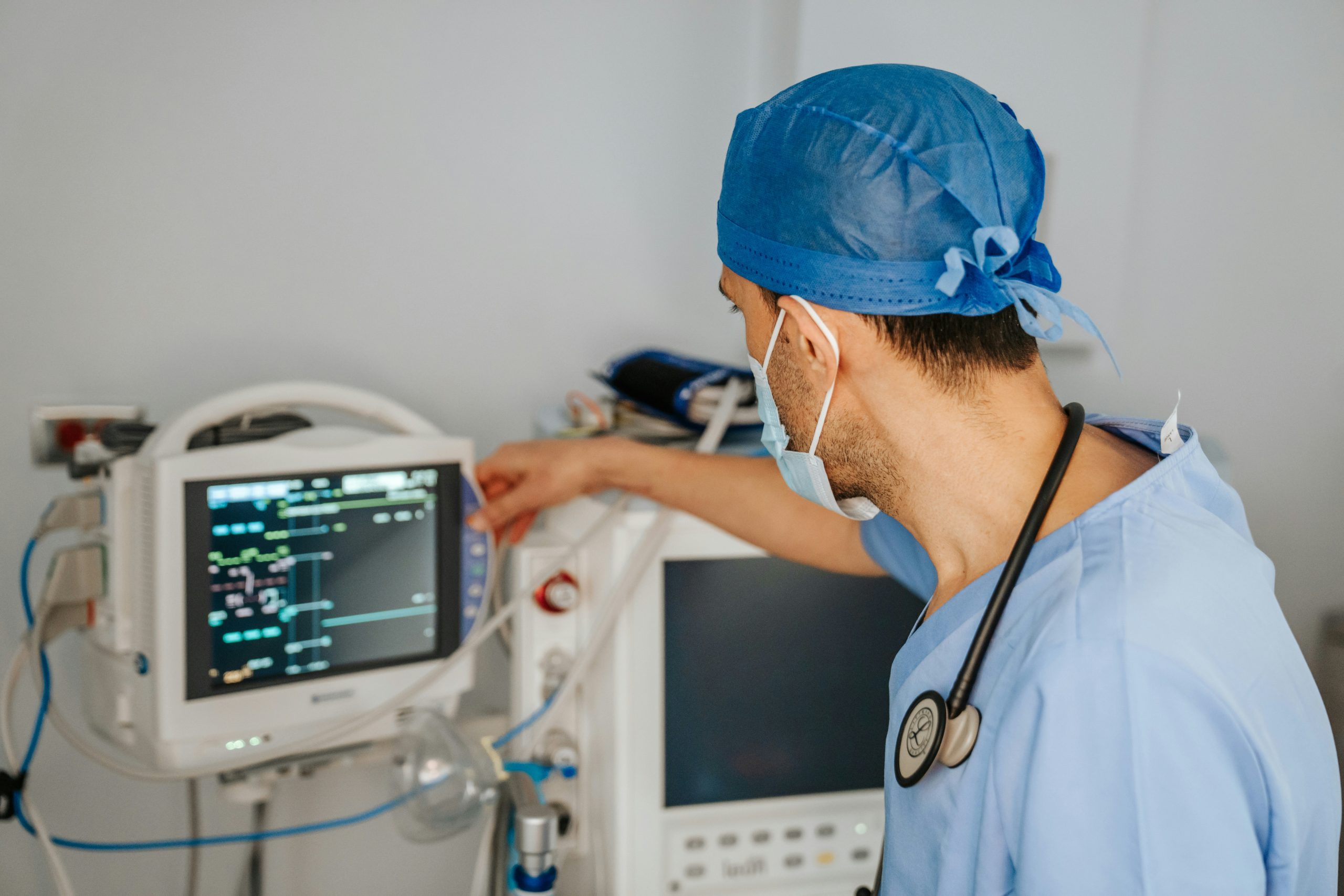
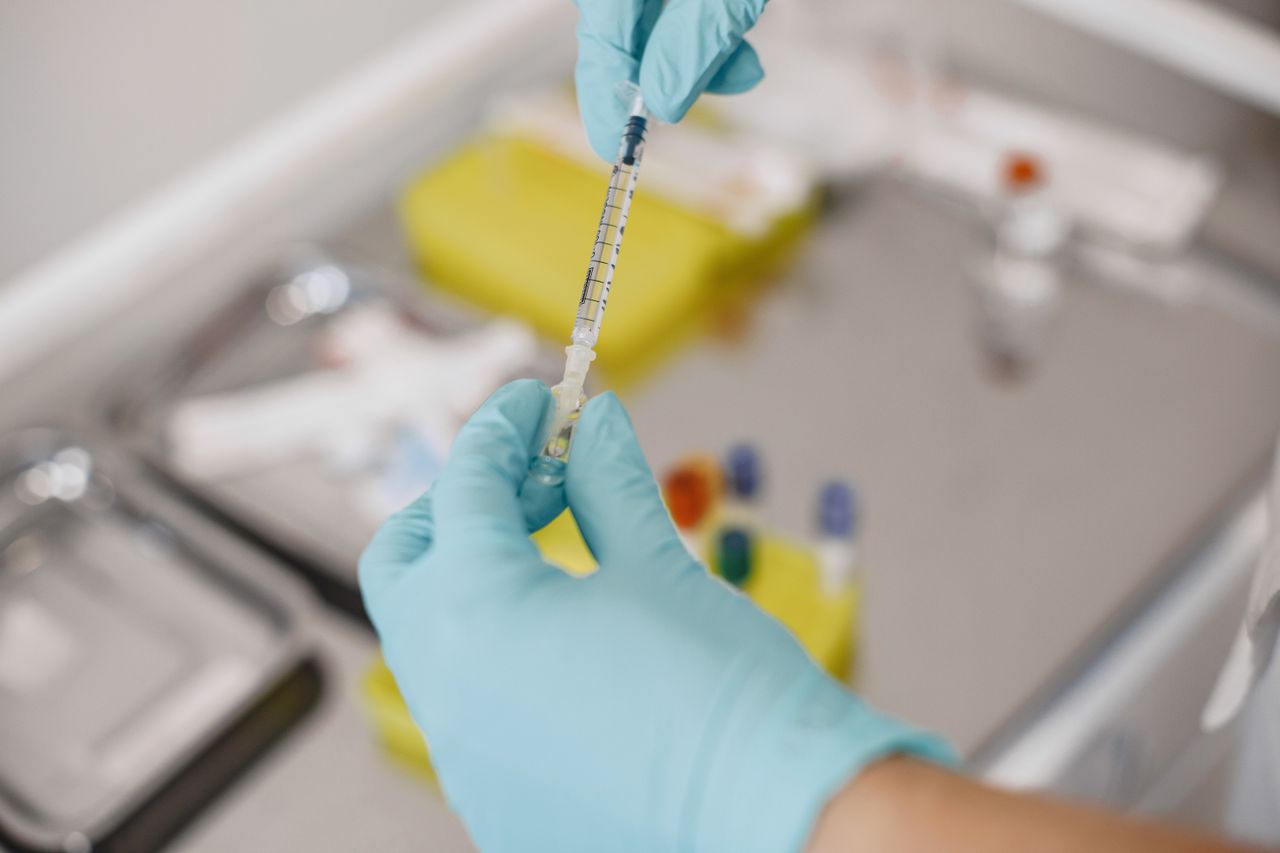
Here are the medical and surgical products most needed in Los Angeles: personal protective equipment, diagnostic test kits, ventilators, infusion pumps, surgical masks, and sterile gloves. Hospitals and clinics usually require such basics to provide patient care, respond to emergencies, and protect frontline staff. Surgical and medical products in demand in Los Angeles include medical supplies for wound care, IV catheters, syringes, and surgical instruments, as surgeries and routine treatments continue. Big hospitals depend on specialized implants, orthopedic devices, and advanced imaging equipment for critical cases. Clinics and outpatient centers usually emphasize simple disposables and monitoring devices to manage daily visits. To demonstrate what this demand means for local health care, the next section will decompose where and how these products are used.
Key Takeaways
- Chronic disease management in Los Angeles needs wide-ranging access to cutting-edge monitoring devices, respiratory tools, and home health aides for both elderly and younger patients with the conditions.
- Trauma and emergency preparedness hinge on having trauma kits, surgical instruments, and training programs readily available.
- Impressive demand for products supporting elective procedures, such as surgical tools, implants, and patient monitoring devices, emphasizes the need to keep well-stocked facilities prepared for planned surgeries.
- Infectious disease control depends on the sustained availability of personal protective equipment, diagnostic kits, and sterilization technologies to safeguard healthcare workers and the broader population.
- Supply chain challenges, like port congestion and sourcing, underscore the need for diverse procurement, inventory models, and tech to reliably deliver needed medical products.
- Continued education for providers and patients is key to ensuring medical and surgical supplies are used safely and most effectively to fill knowledge gaps surrounding new technologies and shifting healthcare demands.
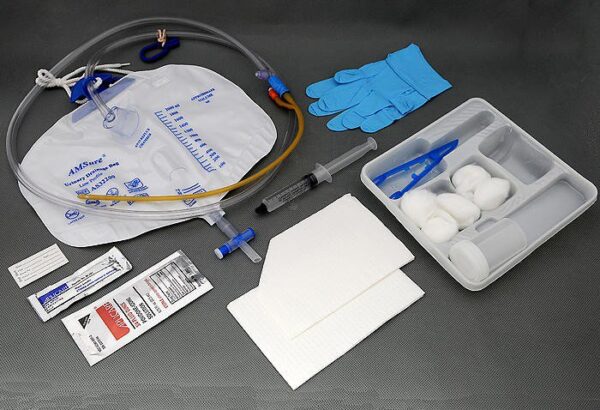
Essential Los Angeles Medical Products
With its sprawling population, Los Angeles’s medical products have unique challenges in caring for both acute and chronic patients. Their medical facilities depend heavily on the efficient distribution of medical products and stringent safety protocols so that every location, from specialty clinics to large hospitals, is well-stocked. Local need influences product mix, and care settings include ER to home health.
Chronic Disease
- Continuous glucose monitors
- Insulin delivery systems
- CPAP machines
- Cardiac monitors
- Home health monitoring kits
Treating chronic diseases in LA requires a consistent stream of cutting-edge machines. Continuous glucose monitors and insulin pumps, for example, are crucial for diabetes care, providing patients at home or in outpatient clinics with real-time tracking and dosing. For COPD, CPAP machines and oxygen concentrators are a must; they keep patients breathing at a steady rate and keep them out of the hospital. With an aging population, cardiac monitoring devices such as portable electrocardiograms and Holter monitors remain essential, providing clinicians with precise information for timely treatment. Home monitoring kits, including blood pressure and oximetry, empower patient self-management and avoid unnecessary admissions.
Trauma and Emergency
Trauma kits equipped with bandages, tourniquets, and wound dressings are essential across Los Angeles, particularly in dense neighborhoods or close to freeways. Surgical instruments such as retractor sets and vascular clamps increase success rates in emergency surgeries. During an emergency, dependable radios and digital dispatch systems allow first responders to organize rapidly. Continuing staff trauma protocol training keeps care at an elite level.
Elective Procedures
Prime surgical implements, laparoscopic tools, and suture kits are necessary for planned operations. Patient monitors, like multi-parameter devices, keep these procedures safe. Orthopedic implants and dental prosthetics aid healing and well-being. Pre- and post-surgical supplies such as wound care kits and compression garments are hot.
Infectious Disease
Masks, gowns, and gloves are still essential to all healthcare workers. Rapid and laboratory-based diagnostic kits aid in early disease detection. To autoclaves and UV sterilizers. Antiviral drugs and vaccines are distributed according to public health strategies to control outbreaks.
Geriatric Care
Los Angeles Medical Products for Seniors. Need mobility aids like walkers and wheelchairs. Home care beds and patient lifts assist caregivers in handling daily tasks safely. Specialty medications for arthritis, heart disease, and dementia are regularly carried. Caregiver training programs are a must to care for this niche group.
What Drives Regional Demand?
LA medical/surgical product demand is driven by a combination of demographics, lifestyle, and where folks live. These each influence the needs and priorities for patients and providers alike and drive the sort of products that are used most citywide.
Demographics
Los Angeles’ increasing aging population translates to an ongoing increase in demand for geriatric medical essentials, such as walkers, adult diapers, and home monitoring systems. As people age, the market for products that bolster chronic disease management, such as glucose monitors and heart rate trackers, becomes a bigger opportunity. Younger cohorts suffer from more chronic conditions, including diabetes and asthma, creating a higher demand for sophisticated devices such as continuous glucose monitors, portable nebulizers, and smart inhalers. Los Angeles is a melting pot, and all of that affects what’s in demand; some communities go for old-fashioned remedies, while others want the newest tech to manage their health. Socioeconomic status matters as well, as those who are lower-income or under-insured tend to have less access to specialty items, so staples become more important in some regions.
Lifestyle
Poor diet and sedentary habits, such as an excessive reliance on fast food and a lack of exercise, are correlated with a rise in obesity and chronic illnesses. This pushes the demand for BP cuffs, blood sugar testers, and other kits to manage these conditions at home. In areas where folks run more, there’s a greater need for orthopedic products like braces and PT gear to heal those injuries. Diet patterns influence demand; in regions where nutrient intake is low, nutritional supplements and medical foods are applied more frequently to address this deficit. Growing awareness surrounding mental health translates to higher demand for digital mental wellness solutions, such as stress relief devices and remote therapy software.
Environment
Urban air pollution is a prime worry all over Los Angeles, and it boosts the demand for breathing aids such as CPAP machines, air purifiers, and inhalers. Natural disasters, such as earthquakes and wildfires, have made it essential for homes and hospitals to be equipped with emergency medical kits, trauma dressings, and portable defibrillators. Access to clean water and sanitation for all fuels the adoption of infection-control products, like water filters and wipes, in underserved communities. Regional healthcare priorities dictate how accessible these products are to individuals, as policy and funding direct both availability and dissemination.
Navigating Supply Chain Hurdles
Medical/surgical product supply chains have unique hurdles impacting care in Los Angeles and around the world. The COVID-19 pandemic put all of these issues under the harsh spotlight, revealing gaps that continue to impact patient safety and care quality. Common hurdles include:
- Port congestion and shipping delays
- Sourcing issues with raw materials and finished goods
- Inventory mismanagement and lack of real-time data
- Limited supply chain transparency
- Cyberattacks and natural disasters are disrupting distribution
- Over-reliance on single suppliers
- Regulatory and policy barriers
Port Congestion
Port congestion causes life-threatening delays for hospitals awaiting essential supplies, particularly when close to 40% of all seaborne imports pass through just a handful of ports. Medical shipments stand by for days, sometimes weeks, to be cleared, upending surgery schedules and patient care. Air freight and rail can assist, albeit both are more expensive and require planning. Strong connections with logistics providers allow healthcare systems to redirect shipments quickly and maintain momentum. National and local policies, such as streamlined customs or port upgrades, can help relieve bottlenecks to support quicker and more dependable delivery to hospitals and clinics.
Sourcing Issues
Medical device makers encounter less common but more frequent sourcing headaches, from shortages of specialized plastics to price spikes for steel or electronics. Global disruptions, such as those caused by a pandemic or a natural disaster, can leave clinics without critical products necessary for surgery or infection control. When suppliers are too dependent on a single vendor or manufacturer, minor issues can escalate into catastrophic scarcity. Diversifying suppliers across regions and product lines renders systems more resilient. Long-term contracts and continuing to strengthen relationships with trusted partners support a consistent, quality supply, even when the world market is toppling.
Inventory Models
Hospitals rely on a just-in-time (JIT) inventory model that keeps stock lean, minimizing waste and storage costs. Late shipments and low reserves put patient safety at risk. Which is why good forecasting is critical. Predictive analytics leverage historical data to identify patterns and optimize supply for actual demand, and sophisticated inventory software monitors every shipment and notifies employees ahead of stock shortages. Such systems, combined with local suppliers, can minimize delays and costs, minimizing the risk of forced reuse and its attendant health risks.
The Human Cost Of Shortages
Shortages of medical and surgical supplies in Los Angeles, similar to other urban hubs, upset patient care, exhaust healthcare professionals, and inflate prices. It’s not only clinical but deeply human, touching millions and reshaping faith in healthcare. The table below shows the link between supply gaps and patient outcomes:
| Supply Status | Patient Outcome Impact | Example Scenario |
| Sufficient | Optimal | Fast wound care, fewer complications, high trust |
| Shortage | Suboptimal, Delayed | Delayed surgery, reused tubes, worsened recovery |
| Critical Shortage | Severe, Risky | Improvised care, higher infection risk, distress |
Patient Outcomes
We are missing essential medical products, leaving holes in patient treatment. People may need to postpone or discontinue treatment, 50% of those affected have said. When wound care kits, respiratory tubes, or surgical gloves run out, recovery slows, infections rise, and care quality drops. One patient, for instance, has soaked and boiled used tubes because replacements weren’t available. This, in turn, makes infections more likely and recovery less sure.
Access to supplies connects directly to improved clinical outcomes. When products are there when needed, when surgery is safer, and chronic care is more dependable. Shortages interrupt this cycle and result in bad health outcomes. About one in four say their physical health has suffered as a result of shortages.
Delays, last-minute improvisation, and uncertainty reduce patient satisfaction. Families report distress; 32% say their mental health suffered. Others have turned to online forums for products, indicating their distrust of official supply channels.
Risk can be reduced via improved supply monitoring and contingency stock strategies. Real-time data sharing and group buying can prevent or minimize gaps.
Provider Burnout
When supplies are scarce, healthcare workers endure longer shifts and increased stress. Hunting for alternatives, sanitizing reused devices, and managing patient stress just add fuel to the fire. All of these factors increase the burnout risk and decrease satisfaction.
Burnout damages the care of patients. Exhausted and anxious employees might screw up more and be less compassionate. This cycle wrecks results for everyone.
Support groups and counseling assist some employees. On-site wellness programs and flexible shifts can alleviate stress. To retain talent, hospitals need to prioritize mental health and ensure staff feel heard. As little things, like letting workers have a voice in supply selection, can inspire morale.
Long-Term Effects And Costs
Supply shortages increase medical expenses. Everything is $300 to $600 a piece, which is an enormous cost for most people. Care delayed is care that becomes more complicated and more expensive later.
Communities lose confidence in health systems. It’s hard on patients, and it’s hard on providers. It increases the difficulty for everyone to obtain good care.
Innovative Local Solutions
Los Angeles continues to experience difficulty in procuring and distributing critical medical and surgical supplies. Increasing demand, evolving population needs, and accelerating innovations in healthcare technology require local providers to rethink supply and distribution models. New solutions emphasize collaboration, digital tools, and local innovation to ensure medical products reach where they are needed most.
Procurement Strategies
Their long-term contracts with trusted providers enable their health systems to maintain consistent access to staples such as surgical gloves, IV fluids, and wound care kits. These contracts provide both purchasers and producers with a steady forecast, which decreases price surges and supply shortages. Large volume orders via GPOs can result in reduced expenses per unit and a stronger supply chain.
Smaller clinics and community providers can band together with GPOs for better bargaining power, stronger prices, and accelerated delivery. Health tech tools now automate many procurement tasks, letting staff track shipments, flag shortages, and compare vendor performance in real time. Digital dashboards and e-procurement platforms, meanwhile, accelerate reordering and empower teams to maintain robust supplier relationships.
Technological Adoption
Telemedicine and mobile health tools now fuel demand for home medical devices, point-of-care test kits, and remote monitoring equipment. As more treatment goes virtual, appetite swells for electronic stethoscopes, linked blood pressure cuffs, and lightweight diagnostic devices. Local companies leverage cutting-edge manufacturing techniques, such as 3D printing, to produce bespoke medical devices for orthopedics and dental care, enabling rapid response to local demand.
Data analytics is crucial for inventory management. Hospitals process real-time information to detect usage patterns, establish reorder thresholds, and prevent waste and scarcity. AI-driven platforms identify supply chain risks early and recommend alternatives. Digital messaging tools shorten connections between suppliers and clinics, assisting them in fine-tuning orders on the fly as patient demand fluctuates.
Community Partnerships
Hospitals now partner with grassroots organizations to identify supply holes and distribute resources. Nonprofits, schools, and local government teams might combine resources to purchase scarce items or establish fleets of pop-up clinics for underserved regions. These collaborative efforts address needs such as addiction care, women’s health, and chronic pain, bringing mobile health vans and digital therapeutic methods to meet more people where they are.
Partnerships between hospitals and vendors can assist with controlling demand spikes, particularly during emergencies. These partnerships keep the focus on local needs, such as mental wellness and pre-disease programs for vulnerable populations. Local startups, particularly founded by diverse founders, innovate how healthcare becomes more accessible, from AI-powered apps to digital imagery to mindfulness.
The Unseen Educational Gap
The unseen educational gap is about more than where it’s taught but about who is taught, how, and with what. In medicine, this gap manifests itself in subtle ways. Both professionals and patients suffer from a hidden educational gap that impacts their effective utilization of medical and surgical products. This produces a ripple effect; gaps in understanding can translate into lost opportunities for enhanced treatment and results.
Continuing education and training for medical professionals is required to stay abreast of new tools and methods. Even in places with strong healthcare systems like Los Angeles, there are gaps:
- Rapid advances in medical technology cause hospital staff across the board to require refreshers, but don’t necessarily receive them.
- Neither online courses nor in-person workshops are accessible to everyone, either because they’re expensive or because you don’t have support.
- Access to recent resources, whether it’s the newest medical text or simulation software, may be contingent on the hospital or clinic’s resources.
- Unfair access to great teachers or mentors leaves some practitioners behind in best practices.
Teaching patients about supplies is equally critical. They don’t even know how to use simple things like wound kits or inhalers, which results in suboptimal outcomes. The gap is even bigger with new products, such as home-use diagnostic tools or remote monitoring devices. Patients without instructions or language assistance might use products incorrectly or not at all.
Gaps in knowledge of new medical products can result in suboptimal patient care. We lose if staff aren’t educated on the latest gear, or patients will never hear about new alternatives. This tends to be due to constraints of time, support, or knowledge, hallmark indicators of an invisible gap.
To bridge these gaps, powerful curricula are required. Hospitals can establish ongoing training, employ easy-to-read guides for new launches, and validate patient and staff knowledge in advance of new technology rollouts. Specific help and additional resources can ensure equal opportunities to education, independent of the person’s status or profession.
Conclusion
LA clinics and hospitals require steady supplies of low-level stuff like gloves, masks, syringes, and basic wound kits. Surgical teams require dependable equipment for bone fractures, cardiac care, and urgent repair. Local teams continue to collaborate to plug holes and exchange expertise, but serious advancement requires cooperation from all parties. Shortages in supply impact patients and staff first, not just lines on a chart. Every fix, large or small, assists in saving time and lives. To keep this work powerful, share what you see, request what you need, and keep growing. Anyone in health care can ignite change simply by speaking up or offering assistance. Keep an eye out for updates, and jump in on the conversation in the comments below.