

Key Takeaways
- You should carefully evaluate your facility’s clinical needs, including patient demographics, historical emergency case data, and collaboration with specialists, to determine optimal injectable epinephrine inventory levels.
- When selecting epinephrine products, consider the efficacy, shelf life, storage requirements, and staff training needs associated with vials, pre-filled syringes, and auto-injectors to ensure rapid and safe administration.
- Ongoing, comprehensive training programs and emergency drills are crucial for keeping your staff at the top of their game when it comes to epinephrine administration and reducing medication errors.
- Building in strong storage logistics from temperature control to labeling to regular inventory audits ensures that you’re maintaining not only the integrity but the accessibility of epinephrine when emergencies arise.
- If you are a hospital ordering injectable epinephrine, you should consider formulation costs, supplier discounts, and patient assistance programs to maintain financial balance and patient access.
- By building robust policies, incorporating routine data monitoring, and sustaining safe, dependable supply chains, you’ll be able to adjust to shifting clinical needs and supply disruptions and keep patient care constant.
When inquiring about what hospitals should consider when ordering injectable epinephrine, you want to make safe, steady care your primary objective. You need to verify proper dosing, transparent labeling, and a stable supply from reliable providers. Understanding whether the product aligns with your storage policies and staff training schedules reduces risk in time-sensitive situations. You should review expiry dates and batch records so there is no fumbling when the clock ticks. Arrange a check-in with your pharmacy and clinical teams to confirm every order matches your needs, from pediatric to adult treatment. For your team, knowing specific actions and current information allows you to function with greater composure and expertise. The following provides you with a complete checklist.
Key Ordering Considerations
One important ordering consideration is that every step of the process, from evaluating clinical need to organizing storage of epinephrine auto-injectors, has an impact on patient safety and efficiency.
1. Clinical Needs
- Begin by plotting out which patients commonly require epinephrine. That means knowing your population: kids with food allergies, adults with asthma, or people with a history of anaphylaxis. The proper information allows you to predict need.
- Monitor the frequency of anaphylaxis in your hospital. See monthly and annual reports. High frequency means you need more stock on hand. Low frequency may allow you to order in smaller quantities, but do more expiration date checking.
- Look to past emergency logs for patterns. If you experience an increased number of cases during specific months or in certain wards, vary your orders to accommodate these requirements.
- Collaborate with ER teams and allergists. Their insights can assist you in determining how much epinephrine to maintain and which brands, auto-injectors, or vials are ideal for your location.
2. Product Formulations
There are a few main forms of epinephrine devices: vials, pre-filled syringes, and epinephrine autoinjectors. Vials are convenient but require precise measuring for the correct dose. Pre-filled syringes save preparation time and reduce human error, while epinephrine nasal spray can be beneficial for patients who need a quick solution. Auto-injectors are the quickest in an emergency and are great for patients who need to self-administer. If you choose a product, consider how quickly you need to act, especially for a child with anaphylaxis requiring immediate treatment. Just keep an eye on the shelf life, as auto-injectors typically last about 12 to 18 months, while vials and syringes vary.
3. Staff Competency
Continuing education is crucial for understanding the proper use of each type of epinephrine device, whether it is an epinephrine autoinjector or a vial. Conducting drills that simulate actual emergencies allows personnel to practice the swift application of the epinephrine nasal spray. Pinning up easy-to-follow charts in medication corners assists new or nervous players in moving quickly. Periodically testing personnel performance in these drills can refine training to address any vulnerabilities effectively.
4. Storage Logistics
Organize storage in areas that are most accessible during emergencies, such as crash carts or centralized medication rooms. Store epinephrine auto-injectors at room temperature and protect them from light and heat, as extreme temperatures can reduce their efficacy. Create stock review checklists for expired doses and stock running low every week. Label all storage bins in plain language so staff can get the correct dose in seconds.
5. Financial Impact
Think about the key ordering considerations for epinephrine devices. Auto-injectors, like the epinephrine auto-injector, are generally more expensive, so consider your quantity and distribution needs. Investigate patient assistance programs for uninsured patients. Certain vendors will give you a discount if you purchase in volume. Consider the training and error margin, as dosing mistakes can be costly.
Comparing Injectable Formats
When selecting an injectable epinephrine format for your hospital, it’s crucial to consider the clinical, operational, and patient-centric factors of each option. Each format, including the epinephrine autoinjector, has its own set of trade-offs, from dosing precision and speed of action to the necessity of training staff and patients in real-life situations. To effectively compare injectable formats, a table of key pros and cons can be useful, which includes an examination of vials, pre-filled syringes, and epinephrine devices.
Format | Advantages | Disadvantages |
Vials | Cost-effective, allows custom dosing, long shelf life | Requires training, risk of dosing error, longer prep time |
Pre-filled Syringes | Quick to use, reduces prep error, standardized dose | Higher cost, stability concerns, and limited flexibility in dosing |
Auto-injectors | Fastest use, minimal training, easy for non-clinicians | Most expensive, single dose, possible misuse or confusion with multiple brands |
Vials
Epinephrine vials provide dosing flexibility and are often the most cost-effective option for emergency treatment. By drawing up an exact dose, healthcare providers can facilitate personalized patient care. This freedom implies that your employees must be aware of the proper use of epinephrine devices, as improper technique can lead to insufficient or excessive dosages, both of which can be catastrophic in an emergency. Furthermore, the plasma concentration of epinephrine can vary depending on the injection site and technique, highlighting the need for consistent training in the use of epinephrine auto-injectors.
When handling vials, your team must be trained in syringe and needle use. The necessity for the correct needle length, supported by studies that focus on personalized needles for IM injections, reinforces this point. It is crucial to avoid mix-ups, as vials can resemble other medications. Designated labels and locked storage help minimize this risk, especially since auto-injectors are faster and can be vital when every minute counts.
Pre-filled Syringes
Pre-filled syringes, such as epinephrine auto-injectors, merge some advantages of vials and nasal spray devices. They save on prep time and minimize the risk of mistakes, particularly when staff are rushed. With a pre-measured dose, you sidestep many of the hazards of manual measurement. Nurses still need to be trained, but the learning curve is less steep than with vials. Shorter prep times in emergencies imply you can get started quicker, a life-saving perk in anaphylaxis situations, especially when using an epinephrine nasal spray for immediate relief.
You need to verify expiration dates and stability, as these impact potency and safety. Syringes have a shorter shelf life than vials. Although costs are greater, the exchange could be worth it to have fewer mistakes and faster turnaround, particularly in a hospital setting where quick access to emergency treatment is crucial.
Auto-injectors
Auto-injectors differentiate themselves by speed and convenience. They are for anyone to use, which is essential in emergencies. They reported, for example, faster time to peak heart rate and greater early plasma exposure with auto-injectors versus manual IM syringes. This implies quick action, which can be life-saving. Usability studies find that new users make many errors, even with simple devices. This is why continued education is important.
Different brands employ different mechanisms. Your team should know each model your facility carries to avoid mix-ups. Disposal is another issue. Used auto-injectors are a needlestick risk, so adhere to rigid protocols. One patient may find auto-injectors more comfortable, another may abhor the bulk or be terrified of injecting themselves.
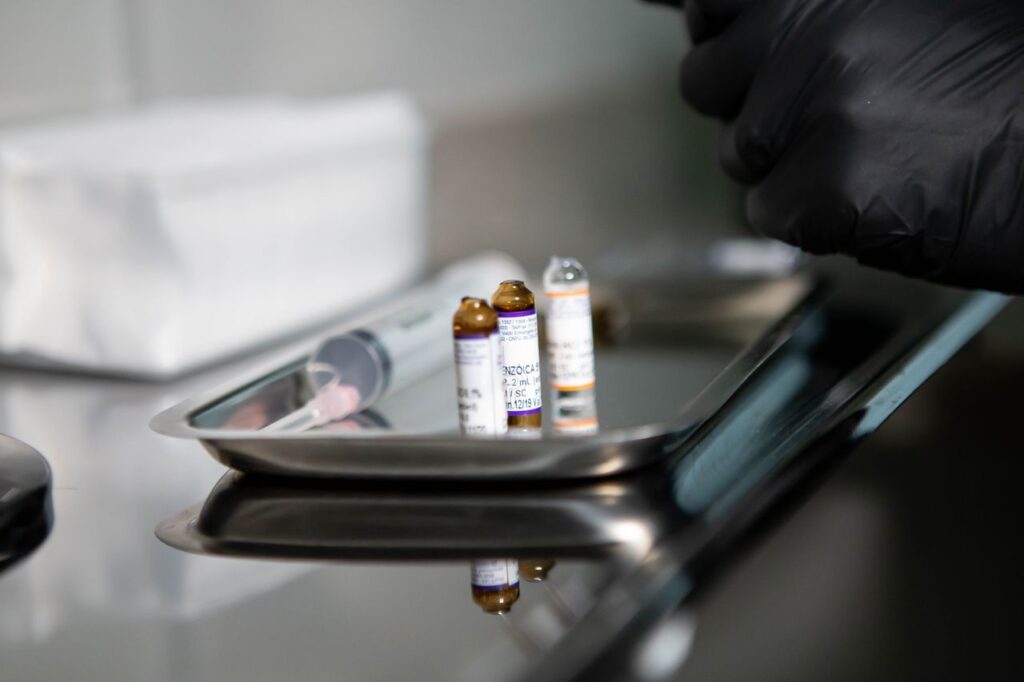
Navigating Supply Chain Issues
Injectable epinephrine, including the epinephrine auto-injector, is an essential lifesaving medication, yet its reliable availability is not guaranteed. Manufacturing gaps, quality issues, and a lack of supply chain visibility for excipients, which typically make up 90% of a drug’s volume, can jeopardize hospitals due to shortages. Two-thirds of drug shortages in 2022 were of generic sterile injectables, and epinephrine is one. Global manufacturing is based in the US, but there are still supply shortages. For hospitals with diverse patient populations, securing access to epinephrine devices involves methodical efforts in procurement, inventory, and education.
Vendor Reliability
When selecting a vendor, it’s essential to consider more than just price; reliability is key. Evaluate how well they handle emergency treatment requests, particularly for critical supplies like epinephrine nasal spray and autoinjectors. Request referrals from other hospitals or clinics that utilize their products to gain insight into their responsiveness during supply disruptions. A vendor who can accommodate quick-turn orders is crucial, especially during allergy seasons or public health emergencies when the demand for epinephrine devices may spike.
Additionally, some vendors offer long-term deals that can secure both pricing and priority delivery, protecting you from price spikes or last-minute shortages. With the recent explosion in generic injectable shortages, relying on a single vendor can be risky. Establishing backup agreements with multiple suppliers can safeguard your facility from interruptions. For example, if one manufacturer faces a quality issue affecting their epinephrine vials, you can pivot orders to another supplier to ensure continuous availability.
Expiration Management
You’ve got to deal with expiration dates if you want to reduce waste. Establish a transparent system for knowing the expiration date of each batch of epinephrine. Leverage software or digital inventory tools to alert you of upcoming expirations. That way, you’re able to stock-rotate and utilize older supplies first, reducing expensive waste and ensuring your inventory remains safe for patients.
Conduct routine audits. Pull expired vials and replenish with new ones. Train your staff to verify expiration dates before use. This safeguards against medication errors and patient harm. Even basic checklists or barcode scanners can simplify this workflow. In certain geographies, brief supply cycles or patchy availability make it even more important not to waste any dose.
Counterfeit Prevention
Fake injectable medications pose a danger. They literally can damage patients and trust. WORST: Buy from licensed, reputable sellers with rigorous supply chain oversight. When shipments arrive, examine packaging and contents for peculiarities—incorrect labels, torn seals, or differences in color or texture. Train your employees to identify these indicators and report anything unusual immediately.
Establish guidelines for inspecting each batch. Should you encounter a suspected fake, notify the appropriate authorities immediately. This not only safeguards your patients, but it also helps weed out the bad guys in the supply chain. With shortages surging, there is a heightened danger of counterfeits, so being alert and educating your team has never been more critical.
Building A Resilient Epinephrine Strategy
A robust epinephrine nasal spray strategy is about much more than having supplies on hand. Your epinephrine strategy should nest in your overall disaster plan, supported by defined protocols, collaboration, and continuous evaluation. Policies and education must contend with the practical constraints hospitals encounter, such as expense, patient variability, and changing clinical data. Striking that equilibrium between safety, access, and the proper use of epinephrine devices would be ideal for both patient outcomes and resource management.
Protocol Integration
Epinephrine protocols aren’t just for doctors; nurses, pharmacists, and support staff must also be aware of the protocol for administering the epinephrine nasal spray. Training should include not only how to recognize anaphylaxis but also the proper use of epinephrine devices, especially when the initial dose fails. Several anaphylaxis cases may require more than one or two doses, so protocols should clearly indicate when to escalate care.
Posting your epinephrine steps in ERs, wards, and even non-clinical areas can help reduce delays in emergency treatment. Utilize posters, quick reference guides, and digital assets to ensure that even staff who infrequently encounter anaphylaxis have critical steps readily available in front of them.
Some protocol reviews are a must. Medical guidelines evolve as new evidence emerges. See how your protocols align with global standards and modify accordingly. Seek feedback from various teams, including doctors, nurses, pharmacists, and techs, as each group offers a unique perspective. This assists in identifying holes and tailoring the plan to function for all.
Continuous Training
Perpetual training is not a checkbox. It has to happen year-round. Set up practice drills so employees become accustomed to administering epinephrine swiftly and safely. Use real-life scenarios because some emergencies don’t go textbook. This fosters muscle memory and tames jitters when seconds matter.
Provide routine updates when policies or offerings shift. New devices might hit the market, or studies might indicate adjustments in timing or dosage. Don’t just send these updates to the core emergency team; make sure everyone gets them. Short refresher courses and quick quizzes can assist with skill retention.
Solicit your staff’s feedback following each training round. What worked about it? What was murky? It gets you plugging weak spots and keeps your program fresh. Open feedback makes it more likely that staff will pipe up if they see an issue on the floor.
Data Analysis
- Track time from symptom start to epinephrine administration.
- Count the number of doses used per event.
- Monitor the rate of adverse drug reactions.
- Note protocol compliance rates.
- Collect feedback on staff confidence and skill level.
Use this data to see if training is working. Is the staff administering epinephrine more quickly? Are more people adhering? Observe for patterns, such as late administration of the initial dose. Late treatment can be damaging. If a patient requires more than two rounds or is unresponsive to epinephrine, mark this for process review and potential modifications.
Share your discoveries with the team. By being transparent with your data, everyone can learn and level up together. It aids in detecting trends, such as whether asthma or heart patients require specific measures. Nothing like sharing a success, or even better, a near miss, to bring home the true power of robust protocols.
Dosing And Administration Protocols
Hospitals should establish clear and safe dosing and administration protocols for injectable epinephrine, including the proper use of epinephrine autoinjectors and vials. Covering all patient populations, it’s crucial to select the appropriate route for each and ensure staff can identify when epinephrine is necessary for emergency treatment.
Establish Clear Dosing Guidelines For Different Patient Populations, Including Pediatrics And Adults.
First, ensure you have a dosing chart for children and adults. For adults and children weighing above 30 kg, the typical dose is 0.3 to 0.5 mg, which can be administered via an epinephrine autoinjector or as an injection into the muscle or under the skin of the outer thigh. Repeat every 5 to 10 minutes as necessary. Just use the metric system. For children weighing less than 15 kg, a physician should determine the dosage. The universal pediatric dosage is 0.01 mg per kg intramuscularly into the anterolateral thigh using an epinephrine device. This dose shouldn’t be guessed; it requires weight-based calculation. For older patients, begin at the low end of the range and monitor for side effects, as they may respond differently. These transparent, weight-based guidelines prevent dosing errors and facilitate safe treatment everywhere.
Train Staff On The Correct Administration Routes For Epinephrine, Including IM And IV Options.
Ensure your staff is aware of the timing and method of administration for the two primary routes: IM and IV. The IM route, frequently into the anterolateral thigh, is typically safest and most effective, particularly in emergencies such as anaphylaxis, where an epinephrine auto-injector can be crucial. Reserve the IV route for critical care settings and experienced personnel, as it demands close monitoring and is more dangerous. Intranasal dosing involves one epinephrine nasal spray in one nostril, but this is far less frequent. Ophthalmic use is unusual, but if administering, remind staff to compress the nasolacrimal duct for at least 1 minute to reduce absorption and wipe away excess fluid. These protocols maintain precision in medication administration and minimize error.
Review Protocols For Repeat Dosing In Cases Of Severe Anaphylactic Reactions.
The quick half-life of epinephrine nasal spray, under 5 minutes, means its effects don’t linger. If a patient’s symptoms have not abated after the initial dose, you can repeat the epinephrine injection after 5 to 10 minutes. Always test the patient before administering more. If 2 doses don’t work, call for help and prepare advanced airway and circulatory support. Repeat dosing has to be in your written protocols so staff move quickly and don’t postpone life-saving measures.
Ensure That All Staff Are Familiar With The Signs And Symptoms Warranting Epinephrine Use.
Educate your staff to recognize the red flags that require immediate epinephrine nasal spray, such as lip or tongue swelling, difficulty breathing, rapid blood pressure drop, hives, or loss of consciousness. Sometimes even mild symptoms can take a turn for the worse, so definite action guidelines are crucial. Utilize live case reviews and drills to maintain these skills. Dosing and administration staff must know what to monitor for and when to intervene with the epinephrine auto-injector immediately.
Patient Accessibility And Cost
Patient access to injectable epinephrine is a matter of cost, insurance, and accessibility. A lot of those who require epinephrine, such as food-allergic individuals, get caught in the crossfire. A major group at risk in the US is kids at summer camps. Research reveals that less than 50 percent of these children carry their own epinephrine autoinjectors. This exposes them to the risk of anaphylaxis. The cost of these epinephrine devices is a factor in why some families do not purchase or carry them. Insurance might not cover it all, or the approval process is too harsh, rendering patient access to the drug at the point of care difficult.
It’s not just a wealthy nation problem; the high cost of epinephrine autoinjectors is an issue everywhere. Even in clinics and hospitals that attempt to maintain ready supplies, restocking can erode budgets. Other camps and health centers have attempted to stock epinephrine for general use. In the US, research indicates that stocking shared epinephrine autoinjectors is an economical means of assisting more individuals. For instance, when summer camps maintained a stock of epinephrine nasal spray, more kids were protected in an emergency, even if they left their own unit behind. It’s a strategy that can reduce costs over time by eliminating hospitalizations and anaphylaxis. In certain instances, hospitals or clinics have considered more affordable options, such as nurse-drawn epinephrine or intranasal varieties, but these come with their own restrictions and safety issues.
Working with drug makers is another step to help with cost. Most pharma companies have patient assistance programs. These programs may reduce the out-of-pocket price for the patient or, in some cases, offer the drug at no charge. Hospitals can coordinate with these partners to establish patient access. You can try bulk purchasing, where hospitals aggregate demand to achieve lower prices. This is most effective when multiple clinics collaborate, particularly in underfunded regions.
Education is important in increasing access. Patients should know where to seek assistance and how to utilize their medication effectively. Not everyone gets proper training: about 10% of patients say no one has taught them how to use an autoinjector. We can address this knowledge gap with weekly lessons. For instance, one study found that with two educational cycles in six months, more than 80% of patients learned when and how to use their device. For those with anaphylactic peanut allergy, carrying an epinephrine autoinjector makes a big difference in a patient’s daily life. Surveys indicate that 84% of individuals feel better when they have one, increasing to 96% at six months. The longer the patient has had a prescription, the more likely they are to carry the device — around 1.35 times more likely after two years.
Pushing for smarter policy is necessary. Hospitals and clinicians can advocate for epinephrine to be covered under essential insurance or appeal for government regulations that facilitate access and usage. You can pass laws that allow schools, camps, and public spaces to hold stock epinephrine for emergencies. This can assist in bridging the divide for individuals who leave their devices at home or cannot afford them.

Conclusion
Hospitals, you have some real choices when you order injectable epinephrine. Every decision, from format to dose, defines how your hospital treats patients. Supply chain gaps, price bumps, and access hurdles can stall care. Smart planning keeps your shelves stocked, and your crew prepped. Epinephrine might seem straightforward, but it requires considered planning—the right dose, the right device, the right moment. Patients are depending on your talent and determination. The optimal route combines your medical expertise with smart supply-chain savvy. Stay on top of trends, solicit input, and audit your protocols. Your selection counts. Need more insights or advice for your hospital? Contact us or read your story. Here’s to care that is safe, smooth, and fair for all.
Frequently Asked Questions
1. What Factors Should You Consider When Ordering Injectable Epinephrine For Your Hospital?
You need to consider product availability, shelf life, storage, and dosing forms, like epinephrine autoinjectors for emergency treatment. Consult your hospital’s specific patient populations and emergency response plans before ordering.
2. How Do You Choose Between Prefilled Syringes And Ampoules For Epinephrine?
Prefilled syringes, such as the epinephrine autoinjector, facilitate faster administration and minimize dosing errors. Ampoules, including epinephrine vials, tend to be more economical and versatile for different dosages.
3. What Are The Best Practices For Managing Epinephrine Supply Chain Challenges?
Develop relationships with more than one distributor, keep a tight inventory of epinephrine devices, and establish low stock alerts. Consider storing a tactical reserve to ensure you do not run out during a supply disruption.
4. How Can You Make Your Hospital’s Epinephrine Strategy More Resilient?
Standardize protocols for the proper use of epinephrine devices, use a reliable supplier network for epinephrine autoinjectors, and conduct regular staff training on emergency treatment plans.
5. Why Is It Important To Follow Accurate Dosing And Administration Protocols For Injectable Epinephrine?
The right dose saves lives, especially when using an epinephrine autoinjector. Having protocols in place reduces medication errors and enhances treatment outcomes during emergency scenarios.
6. How Can You Improve Patient Accessibility To Injectable Epinephrine In Your Hospital?
Streamline dispensing policies by ensuring epinephrine devices, like the epinephrine auto-injector, are immediately on hand throughout care areas to effectively manage anaphylactic reactions and reduce expenses via bulk buying or supplier deals.
7. What Cost Factors Should You Consider When Ordering Injectable Epinephrine?
Analyze product price, storage expenses, product expiration, and possible volume discounts for epinephrine devices. Consider these direct and indirect costs when ordering injectable epinephrine to ensure budget efficiency without sacrificing patient care.
Looking For A Reliable Source Of Injectable Pharmaceuticals?
The quality of your injectable products can have a direct impact on patient care, treatment outcomes, and day-to-day efficiency. Whether you’re managing a medical practice, wellness clinic, or infusion center, partnering with a trusted pharmaceutical supplier helps ensure you have access to the products you need when you need them.
Merit Pharmaceutical has served healthcare professionals for more than 40 years, providing dependable access to injectable pharmaceuticals, IV therapy products, and medical supplies from respected manufacturers. Our commitment to quality, consistency, and customer support helps practices across the country maintain smooth operations and deliver exceptional care.
Contact Merit Pharmaceutical today to learn more about our product offerings or register for an account to simplify your ordering process and gain access to competitive pricing.
Disclaimer
The information provided on this website is intended for informational and educational purposes only. It is not a substitute for medical advice, diagnosis, or treatment, and should not be relied upon as such. Healthcare professionals should always use their own clinical judgment when selecting and administering medical products. Patients should consult with a qualified healthcare provider regarding any specific medical condition or treatment.
While we strive to keep product details and information current, Merit Pharmaceutical makes no guarantees as to accuracy, completeness, or applicability to your particular situation. Do not act or refrain from acting solely based on information from this site without seeking appropriate medical or professional guidance. To the fullest extent permitted by law, Merit Pharmaceutical disclaims all liability for any decisions or actions taken based on the contents of this site.