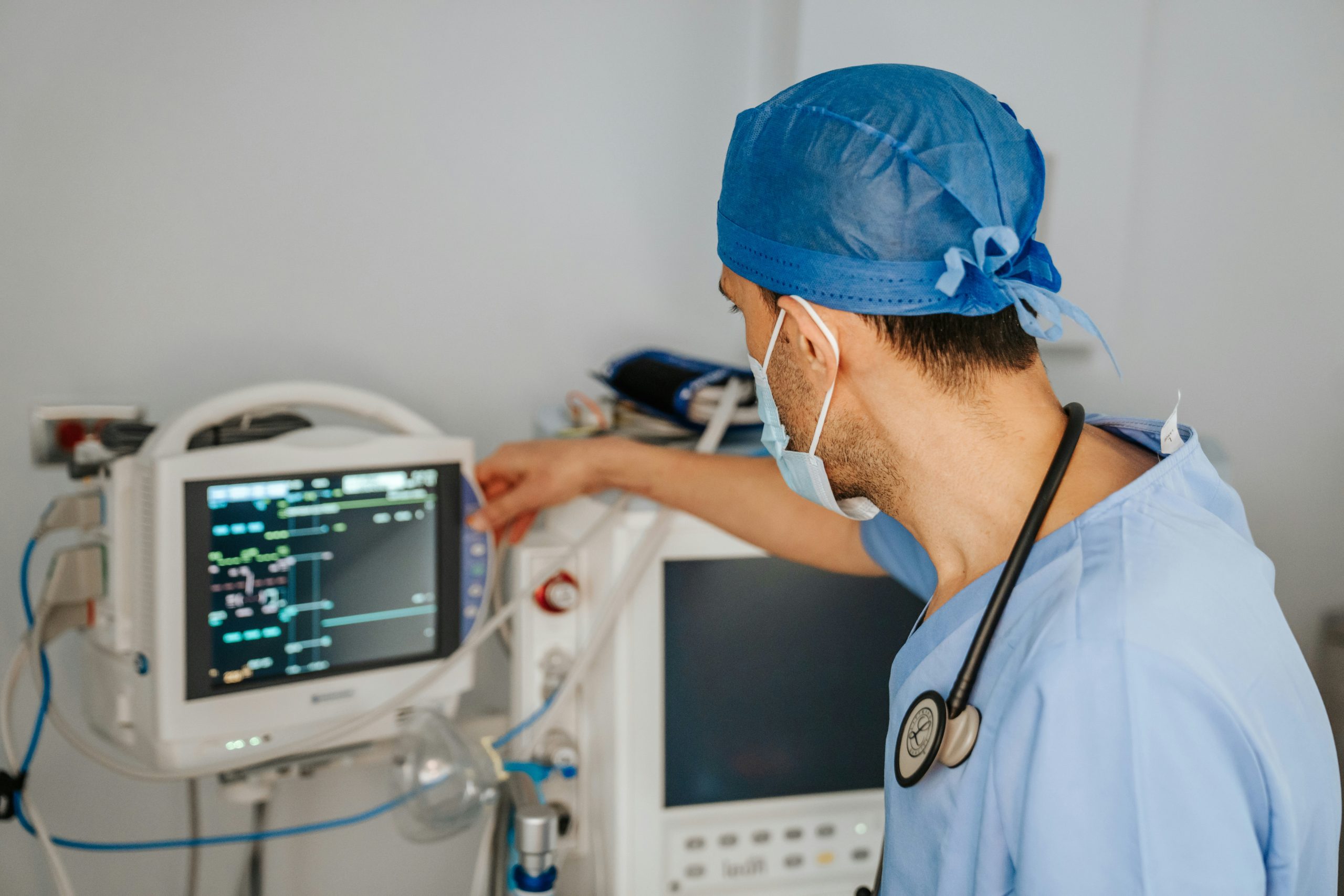
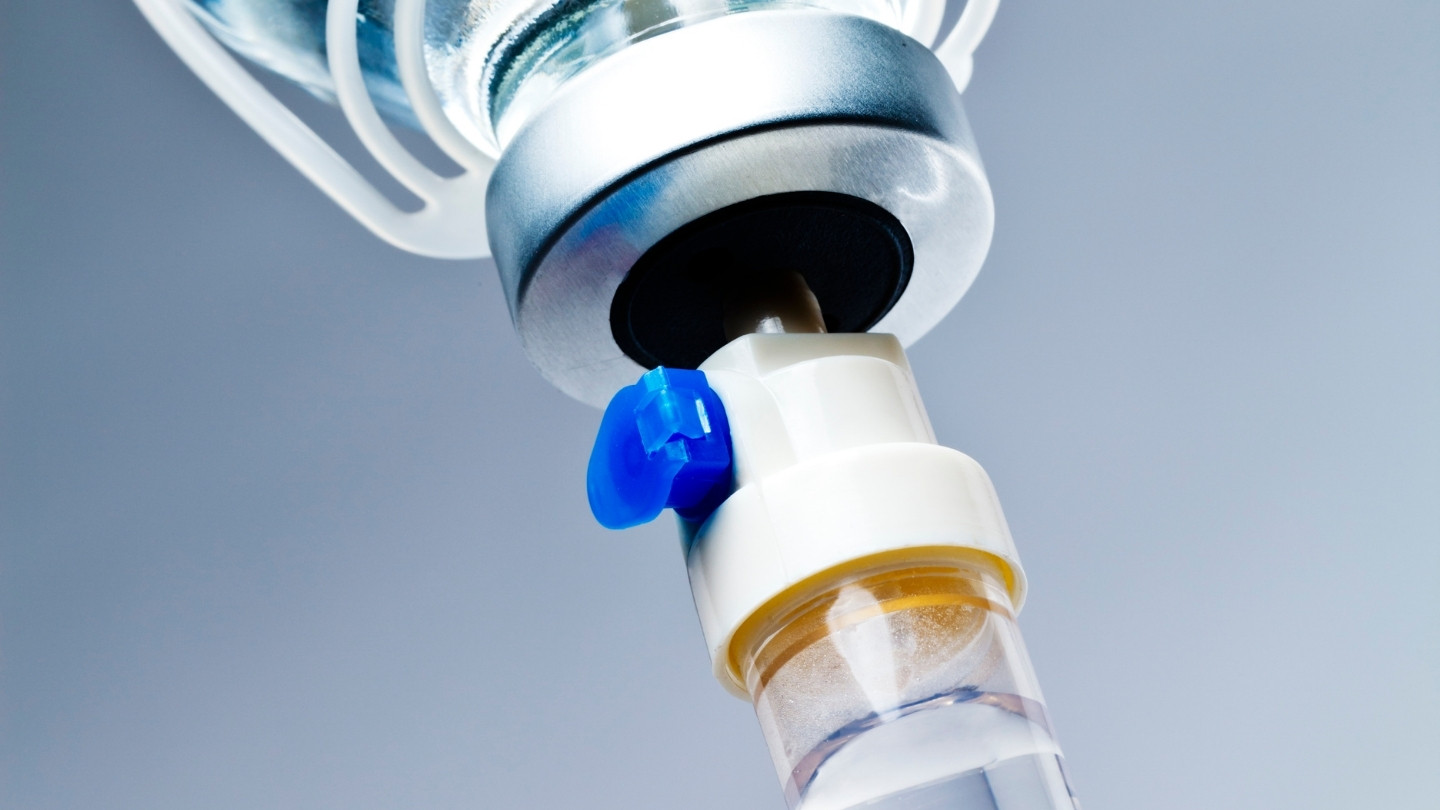
Infusion therapy is one of the most common and essential forms of treatment delivered in hospitals. From antibiotics, pain medications, and chemotherapy to hydration, nutrition, blood products, and critical-care medications, infusion systems allow healthcare professionals to deliver fluids and medications in controlled amounts directly to patients.
Because infusion therapy is deeply integrated into hospital care, the quality and reliability of infusion therapy products extend far beyond convenience. Infusion pumps, syringe pumps, administration sets, tubing, connectors, and related accessories all contribute to consistent treatment delivery. When these products perform as intended, clinicians can focus more confidently on patient care. When equipment is unreliable, interruptions, delays, waste, workflow disruptions, and patient-safety concerns may result.
Hospitals therefore, need more than infusion products that meet basic purchasing requirements. They need dependable equipment suited to clinical demands, supported by appropriate maintenance and technical expertise, and supplied by organizations that understand the importance of quality and consistency.
Reliable infusion therapy products can also improve operational efficiency. Equipment that is intuitive, compatible with existing systems, durable under frequent use, and supported by readily available replacement parts can reduce unnecessary interruptions and simplify daily workflows. These benefits are particularly important in emergency departments, intensive care units, oncology departments, operating rooms, pediatric units, and other settings where infusion therapy is frequently performed.
For hospitals evaluating infusion therapy equipment, reliability should be treated as a fundamental purchasing consideration rather than an optional feature. The right products can contribute to safer medication delivery, smoother clinical workflows, better equipment management, and greater confidence among healthcare professionals.
Key Takeaways
- Reliable infusion therapy products help hospitals support consistent and controlled delivery of medications, fluids, and other therapies.
- Quality infusion equipment can contribute to patient safety by reducing equipment-related interruptions and avoidable operational risks.
- Hospitals should evaluate pumps, tubing, administration sets, connectors, accessories, and other components as part of a complete infusion solution.
- Compatibility is essential because equipment and components must work appropriately with existing hospital systems and clinical workflows.
- Durable equipment is important because infusion products may be used frequently, continuously, transported between locations, and cleaned repeatedly.
- User-friendly equipment can help trained clinicians operate infusion systems efficiently without unnecessary complexity.
- Supplier reliability matters because hospitals need technical support, replacement parts, training, product information, and consistent service.
- Proper maintenance, inspection, cleaning, and equipment management help preserve reliability throughout the product lifecycle.
- Dependable infusion therapy equipment can support both clinical operations and long-term purchasing efficiency.
What Makes Infusion Therapy Products Reliable?
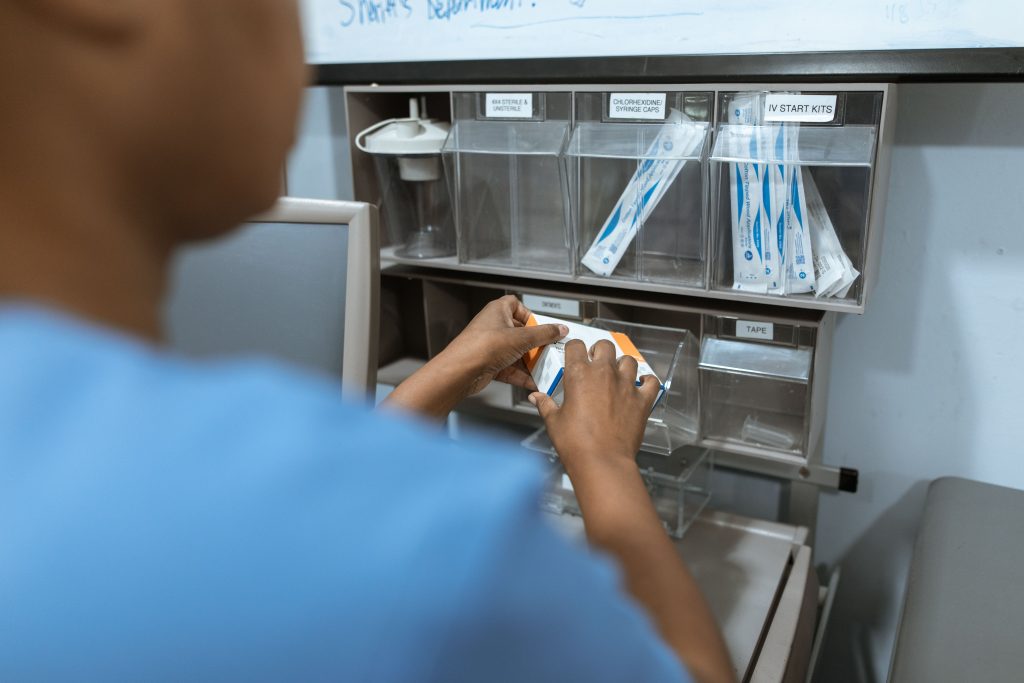
Reliability in infusion therapy equipment involves more than whether a device turns on and operates. A reliable product should consistently perform its intended function under appropriate clinical conditions while supporting predictable, safe, and efficient workflows.
Consistent Performance
Infusion therapy frequently depends on controlled delivery. Healthcare professionals need equipment that operates consistently according to its intended specifications. Unexpected variations, interruptions, or equipment behavior can complicate treatment and create additional work for clinical staff.
Durable Construction
Durable construction can help equipment withstand these conditions when used according to the manufacturer’s instructions. Hospitals should consider construction quality, expected service life, cleaning requirements, operating conditions, and replacement-component availability when evaluating products.
Dependable Components
An infusion system rarely depends on a single component. Tubing, connectors, administration sets, syringes, filters, clamps, extension sets, and other accessories may all contribute to the complete system.
Clear Operation
Reliability also includes usability. Unnecessarily complicated equipment can create workflow challenges, particularly when clinicians must manage several devices and responsibilities simultaneously.
Why Is Infusion Therapy Equipment So Important In Hospitals?

Hospitals treat patients with widely varying conditions, and many treatment plans involve intravenous or other forms of controlled infusion therapy. As a result, infusion equipment is integral to both routine and specialized care.
Supporting Medication Delivery
Infusion equipment allows healthcare professionals to administer medications and fluids according to prescribed treatment plans. Depending on the clinical application, therapy may need to be delivered continuously, intermittently, or at carefully controlled rates.
Reliable equipment supports consistent management of these treatments and can help clinicians maintain predictable administration.
Supporting Critical Care
Infusion therapy can be particularly important in intensive care and emergency settings, where critically ill patients may require multiple medications or fluids simultaneously. In these environments, equipment reliability is especially important because interruptions can introduce additional clinical and operational challenges.
Supporting Specialized Treatments
Infusion therapy is also used in oncology, pediatrics, surgery, pain management, hydration therapy, nutrition support, and other specialized areas. Because different departments may have different equipment requirements, hospitals should select products according to their intended applications rather than treating all infusion equipment as interchangeable.
How Does Reliable Infusion Equipment Support Patient Safety?
Patient safety is one of the strongest reasons hospitals should prioritize dependable infusion therapy products. Because infusion equipment may deliver medications, fluids, nutrition, or other substances directly into a patient’s body, equipment problems can have greater significance than failures involving ordinary nonclinical equipment.
Reducing Avoidable Equipment Problems
Reliable products are designed to perform consistently within their intended operating parameters. Appropriate equipment selection, maintenance, inspection, and staff training can help reduce preventable operational problems. No product eliminates every risk. Safe infusion therapy also depends on appropriate clinical procedures, staff competency, monitoring, equipment inspection, and adherence to manufacturer guidance and institutional protocols.
Supporting Accurate Administration
Many infusion treatments require controlled delivery. Properly selected equipment can support clinicians in maintaining prescribed administration parameters. Equipment should be appropriate for the medication, fluid, patient population, treatment environment, and intended application. Hospitals should follow applicable clinical requirements and manufacturer instructions when selecting and using infusion products.
Providing Useful Alerts
Many modern infusion systems incorporate alarms designed to notify users about certain operating conditions. These alerts can help clinicians identify situations that require attention. Alarms are most effective when equipment is properly configured, maintained, and used by trained personnel. Hospitals should therefore evaluate alarm functionality alongside usability, workflow, and clinical requirements.
Why Does Product Quality Matter When Choosing Infusion Therapy Equipment?
Product quality affects both immediate performance and long-term equipment management. A hospital may use infusion equipment repeatedly throughout its service life, making differences in durability, usability, serviceability, compatibility, and support increasingly significant over time.
Quality Can Affect Equipment Longevity
Durable equipment may remain useful for longer when properly maintained and operated. A longer useful service life can help hospitals manage capital expenditures and avoid unnecessary replacement. Hospitals should not simply choose the most expensive product. Purchasing teams should consider overall value, including performance, durability, maintenance, compatibility, support, and expected lifecycle costs.
Quality Can Influence Workflow
Equipment that is difficult to operate, clean, configure, or maintain can create additional burdens for healthcare staff. High-quality infusion products should fit appropriately into clinical workflows. Ease of use can be particularly valuable in environments where staff must manage multiple responsibilities simultaneously.
Quality Supports Confidence
Healthcare professionals need confidence in the equipment they use. Familiarity with dependable products can help staff work efficiently and direct more attention toward patient care. That confidence is strengthened when equipment performs consistently and appropriate training and technical support are available.
What Types Of Infusion Therapy Products Do Hospitals Need?
Hospitals may require a broad range of infusion therapy equipment and supplies depending on their departments, patient populations, treatment protocols, and facility size.
Medication Infusion Pumps
Infusion pumps are designed to deliver fluids or medications in controlled amounts. Different pump configurations may be intended for different applications. When evaluating infusion pumps, hospitals may consider flow-rate capabilities, programming features, alarm functionality, displays and controls, battery operation, portability, cleaning requirements, maintenance needs, administration-set compatibility, and available technical support.
Syringe Delivery Pumps
Syringe pumps are commonly used when controlled delivery from a syringe is appropriate. They can be valuable for applications involving relatively small volumes or medications that require controlled administration.
Infusion Administration Sets And Tubing
Administration sets and tubing are essential components of many infusion systems. They provide the pathway through which fluids and medications travel from the source to the patient.
IV Connectors And Accessories
Connectors, extension sets, filters, clamps, and other accessories help create complete infusion setups. Although these components may appear relatively simple, their quality and compatibility can influence workflow and system performance. Hospitals should therefore evaluate accessories as part of an integrated infusion therapy strategy.
Specialized Infusion Equipment
Certain departments may require specialized infusion solutions. Oncology, neonatal care, pediatrics, critical care, and other specialized environments can have distinct equipment requirements. Hospitals should work with qualified equipment professionals to identify products appropriate for their specific clinical needs.
Why Is Compatibility Important In Infusion Therapy Systems?
Hospitals rarely purchase infusion equipment in complete isolation. New products often need to work alongside equipment and supplies already used throughout the facility. Compatibility should therefore be evaluated early in the procurement process.
Equipment Compatibility
Hospitals should verify that infusion pumps and associated components are intended to work together. Incompatible products can create operational problems and may undermine expected performance.
Workflow Compatibility
Products should also fit established clinical workflows. A technically capable device may still be unsuitable if it requires unnecessary process changes or creates confusion for trained staff.
System Compatibility
Some hospitals use integrated technologies, electronic medical records, medication-management systems, or other connected technologies. When applicable, purchasing teams should evaluate whether new infusion equipment can appropriately integrate with the hospital’s technology environment.
How Can Reliable Infusion Products Improve Hospital Efficiency?
Reliability is not only a clinical issue, but it can also influence operational efficiency. Hospitals operate under significant time and resource constraints. Equipment problems can consume staff time, interrupt procedures, create replacement needs, and complicate inventory management.
Fewer Unnecessary Interruptions
Dependable equipment can help minimize avoidable interruptions associated with preventable equipment problems. When devices function consistently, clinicians can spend less time troubleshooting basic equipment issues and more time performing their clinical responsibilities.
Easier Staff Training
Standardized equipment can simplify training, particularly when multiple departments use similar devices. Hospitals should consider whether products have intuitive interfaces and whether manufacturers or suppliers provide appropriate training resources.
Better Inventory Management
Reliable equipment and consistent product lines can make inventory planning easier. Hospitals can establish clearer replacement schedules, identify frequently used components, and maintain appropriate supplies based on usage requirements.
More Predictable Maintenance
Equipment with defined maintenance requirements allows hospitals to plan inspections, servicing, and replacement more effectively. Preventive maintenance can also help identify potential issues before they become major operational problems.
Why Are Infusion Therapy Equipment Suppliers Important?
Choosing reliable products is only one part of building a dependable infusion therapy program. The supplier also matters. Hospitals need more than products delivered to a loading dock. They need dependable equipment, accurate product information, responsive support, and a consistent supply chain.
Equipment Expertise
An experienced supplier should be able to explain product specifications, intended applications, compatibility considerations, and available configurations. This can help purchasing teams make informed decisions rather than selecting products based primarily on price.
Technical Support
Technical questions and equipment issues can arise throughout the product lifecycle. Access to responsive support can help hospitals address problems efficiently.
Replacement Parts And Supplies
Hospitals need confidence that commonly required components and replacement items will remain accessible. Supply continuity can be especially important for products used across multiple departments.
Training And Education
Appropriate training can help clinical staff understand equipment operation and manufacturer recommendations. A supplier that provides useful educational resources can deliver value beyond the initial sale.
Consistent Communication
Strong communication is essential when hospitals place recurring orders, introduce new equipment, or manage changes in product availability. A dependable supplier should communicate clearly about specifications, lead times, availability, maintenance, and other relevant purchasing considerations.
What Hospitals Should Consider When Buying Infusion Therapy Equipment?
Hospitals should use a structured evaluation process rather than selecting products based on a single characteristic.
- Clinical Requirements: Start by identifying the intended clinical applications. Different departments may require different types of equipment based on their therapies and patient populations. Purchasing teams should consider what therapies the equipment will support, which patients will use it, required flow-rate ranges, portability needs, specialized features, and associated accessories.
- Safety Features: Hospitals should evaluate relevant safety functions, alarms, safeguards, and operating controls in accordance with the intended application and applicable requirements.
- Ease of Use: Consider how easily trained staff can learn and operate the equipment. Complex interfaces may increase training requirements and create unnecessary workflow challenges.
- Durability: Evaluate how the equipment is expected to perform in the hospital’s operating environment. Frequent transportation, cleaning, and continuous use should be considered where applicable.
- Maintenance: Understand preventive maintenance requirements, inspection procedures, expected service intervals, and available technical support.
- Compatibility: Verify compatibility among pumps, administration sets, tubing, syringes, connectors, and other required components.
- Total Cost of Ownership: Purchase price is only one component of equipment cost. Hospitals should also consider maintenance, replacement parts, consumable supplies, staff training, downtime, equipment lifespan, service support, replacement frequency, and inventory requirements.
How Does Maintenance Affect Infusion Equipment Reliability?
Even high-quality infusion equipment requires appropriate care. Maintenance helps hospitals keep equipment functioning according to manufacturer specifications and institutional procedures.
- Routine Maintenance: Preventive maintenance can identify wear, performance concerns, battery problems, damaged components, or other issues before they cause larger disruptions. Hospitals should follow manufacturer recommendations and applicable institutional requirements for inspection and servicing.
- Cleaning and Disinfection: Infusion equipment may be exposed to clinical environments where appropriate cleaning and disinfection are essential. Hospitals should use cleaning procedures and products compatible with manufacturer instructions. Improper cleaning methods can potentially damage equipment or affect its condition.
- Inspection Before Use: Clinical personnel should follow applicable institutional procedures for checking equipment before use. Visible damage, missing components, unusual behavior, or other concerns should be addressed according to hospital protocols.
- Proper Storage: Equipment that is not currently in use should be stored appropriately. Proper storage can help protect devices from avoidable damage and preserve their condition.
Why Is Durability Especially Important In Busy Hospitals?
Hospitals can place significant demands on medical equipment. An infusion pump may be moved between rooms, used by different members of staff, connected to various systems, cleaned repeatedly, and operated for extended periods.
High-Use Departments
Emergency departments, intensive care units, operating rooms, oncology departments, and other high-acuity environments may have particularly demanding equipment requirements.
Frequent Transportation
Portable infusion devices may be moved between treatment areas. Equipment designed for appropriate portability can make this process easier when portability is part of the clinical requirement.
Repeated Cleaning
Because clinical equipment requires appropriate infection-control practices, hospitals should evaluate whether products can be cleaned and maintained according to manufacturer guidance.
Continuous Operation
Some infusion therapies may continue for extended periods. Equipment intended for such applications should be appropriate for the expected duration and clinical use.
How Can Hospitals Build A More Reliable Infusion Therapy Program?
Reliable equipment is most effective when supported by a comprehensive equipment-management strategy.
Standardize Where Appropriate
Standardizing equipment across departments can simplify training, maintenance, inventory, and troubleshooting. Standardization should not come at the expense of clinical suitability. Specialized departments may have legitimate requirements for different equipment.
Establish Clear Procedures
Hospitals should maintain clear procedures for equipment inspection, operation, cleaning, maintenance, troubleshooting, and reporting problems.
Train Staff
Proper training is essential. Even intuitive equipment should be used only by personnel who have received appropriate instruction and are authorized under hospital policies.
Track Equipment
Asset tracking can help hospitals monitor equipment location, service history, inspection schedules, and potential replacement needs.
Review Performance
Hospitals can periodically evaluate equipment performance and user feedback. Recurring problems may indicate a need for additional training, maintenance, replacement, or a change in product selection.
What Are The Benefits Of Working With An Experienced Infusion Equipment Supplier?
The right supplier can become a valuable resource throughout the equipment lifecycle.
- Better Product Selection: An experienced supplier can help hospitals compare product configurations and identify options that align with specific clinical requirements.
- Greater Purchasing Confidence: Clear information about specifications, compatibility, support, and maintenance can make purchasing decisions more informed.
- Ongoing Support: A strong supplier relationship can provide continued assistance after the initial purchase, including technical guidance and product information.
- Supply Continuity: Hospitals need dependable access to equipment and associated supplies. A supplier with strong inventory and fulfillment capabilities can help support continuity.
- Long-Term Partnership: The strongest supplier relationships extend beyond individual transactions. As hospitals expand services or replace aging equipment, an experienced equipment partner can simplify future procurement.
How Should Hospitals Balance Cost And Quality?
Cost is an important factor in every hospital purchasing decision, but the lowest purchase price should not automatically determine the winning product. Infusion equipment directly supports patient care, so hospitals should evaluate value rather than price alone.
Consider Total Lifecycle Costs
A product may have a higher upfront price but offer advantages in durability, maintenance, training, compatibility, or support. Conversely, a lower-cost product may create additional expenses if it requires frequent replacement or contributes to workflow difficulties.
Consider Operational Impact
Hospitals should consider how equipment will affect staff time and workflow. Even small inefficiencies can accumulate when equipment is used extensively.
Consider Support
Technical assistance, replacement components, training, and service availability can all influence the true value of an infusion equipment purchase.
Why Is Reliable Supply So Important For Hospitals?
Product reliability is only valuable if hospitals can obtain the products they need when they need them. Supply interruptions can create operational difficulties, particularly when products are routinely used across multiple departments.
Hospitals should evaluate supplier inventory capabilities, lead times, ordering processes, product availability, and communication practices. For frequently used infusion products, procurement teams may also benefit from maintaining appropriate inventory levels based on actual usage and institutional policies.
What Role Does Expertise Play In Infusion Therapy Equipment Selection?
Medical equipment procurement can involve numerous technical details. Without appropriate product knowledge, it may be difficult to determine whether a product truly meets a hospital’s needs.
Experienced equipment professionals can help purchasing teams evaluate intended clinical applications, product specifications, compatibility, accessories, maintenance, training requirements, supply availability, and lifecycle considerations.
How Can Hospitals Prepare For Future Infusion Therapy Needs?
Healthcare technology continues to evolve, and hospitals should consider future requirements when making major equipment investments.
- Scalability: Equipment should ideally support the hospital’s expected operational needs without creating unnecessary complexity.
- Technology Integration: Where relevant, hospitals may evaluate connectivity, interoperability, data management, and other technology considerations.
- Product Lifecycle: Purchasing teams should understand expected service life, manufacturer support, replacement availability, and potential technology changes.
- Changing Clinical Requirements: Hospitals may expand services, add new departments, or experience changes in treatment volumes. Flexible procurement strategies can help accommodate these changes.
Why Should Hospitals Prioritize Reliability Over Short-Term Savings?
Short-term savings can be attractive, especially when hospitals operate under strict budgets. An equipment decision should consider its broader consequences. An unreliable infusion product can potentially create additional costs through maintenance, replacement, downtime, staff troubleshooting, inventory complications, and workflow interruptions.
This does not mean hospitals should always purchase the most expensive equipment. Instead, procurement teams should seek an appropriate balance among quality, clinical suitability, reliability, support, compatibility, and total cost of ownership. The most valuable equipment is equipment that consistently meets the hospital’s requirements throughout its useful life.
How Can Reliable Infusion Products Support Better Clinical Workflows?
Clinical staff already manage numerous responsibilities. Equipment should support their work rather than unnecessarily complicate it. Reliable infusion products can contribute to smoother workflows through consistent operation, clear controls, appropriate alarms, manageable setup processes, and compatibility with related supplies.
When equipment is familiar and dependable, staff can spend less time addressing avoidable equipment problems. This is particularly important in high-pressure environments where time and attention are limited.
What Should Hospitals Ask An Infusion Therapy Equipment Supplier?
Before purchasing, hospitals should ask detailed questions about both products and support.
Important questions include:
- What clinical applications is the equipment designed for?
- Which administration sets and accessories are compatible?
- What maintenance is required?
- What training is available?
- How are replacement parts obtained?
- What technical support is available?
- What is the expected product lifecycle?
- Are consumable supplies consistently available?
- How does the equipment fit existing workflows?
- What documentation is provided?
- What options are available for different departments?
- How can the supplier support future equipment needs?
These questions help purchasing teams look beyond the initial transaction and evaluate the supplier’s ability to support the hospital over time.
Why Is Reliable Infusion Therapy Equipment A Long-Term Investment?
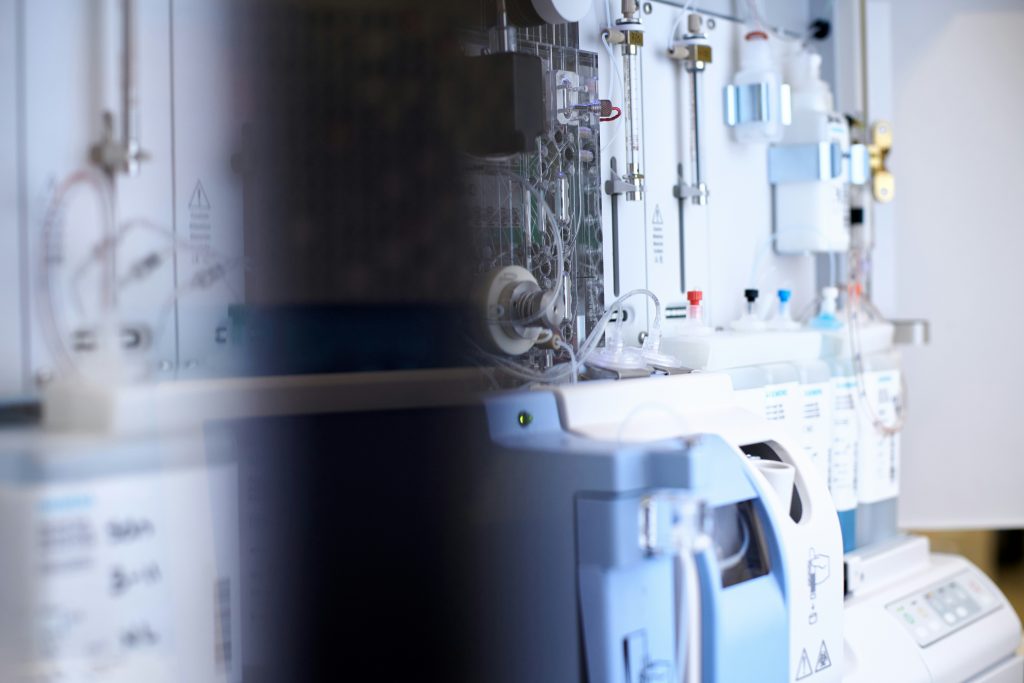
Hospitals depend on equipment every day, making purchasing decisions part of long-term operational planning. A reliable infusion therapy solution can support multiple areas simultaneously, including patient care, clinical workflow, staff efficiency, inventory management, maintenance planning, and budget management.
The value of dependable equipment, therefore, extends beyond its initial use. When hospitals combine appropriate product selection with proper training, preventive maintenance, inventory planning, and supplier support, they can establish a stronger foundation for consistent infusion therapy operations.
Conclusion
Reliable infusion therapy products are critical to hospitals because infusion therapy is closely connected to everyday patient care. From routine hydration and medication administration to complex treatments in intensive care, oncology, emergency medicine, surgery, and other specialties, infusion equipment supports a wide range of clinical applications.
For this reason, hospitals should evaluate infusion therapy equipment based on much more than the purchase price. Product quality, consistent performance, durability, compatibility, usability, maintenance requirements, and supplier support all contribute to the overall value of an infusion solution.
Reliable infusion pumps, syringe pumps, administration sets, tubing, connectors, and related accessories can help create more predictable clinical workflows. When these products are paired with proper training, maintenance, inventory management, and established hospital procedures, they can contribute to a stronger and more dependable infusion therapy program.
Choosing the right infusion therapy equipment also means choosing the right equipment partner. A knowledgeable supplier can help hospitals understand product options, evaluate compatibility, plan for ongoing supply needs, and receive appropriate technical support throughout the equipment lifecycle.
Frequently Asked Questions
1. Why Are Reliable Infusion Therapy Products Important For Hospitals?
Reliable infusion therapy products help hospitals provide consistent and controlled administration of medications, fluids, and other therapies. Dependable equipment can also support patient safety, reduce avoidable workflow interruptions, simplify equipment management, and give healthcare professionals greater confidence in the systems they use.
2. What Infusion Therapy Equipment Do Hospitals Commonly Need?
Hospitals may use infusion pumps, syringe pumps, administration sets, tubing, connectors, extension sets, filters, clamps, and other accessories. Specific requirements depend on the hospital’s departments, treatment protocols, patient populations, and clinical applications.
3. How Should Hospitals Choose Infusion Therapy Equipment?
Hospitals should evaluate clinical requirements, safety features, usability, durability, compatibility, maintenance, supplier support, availability of replacement parts, and total cost of ownership. The right equipment should be appropriate for its intended application and fit the hospital’s existing workflows and systems.
4. How Important Is The Infusion Equipment Supplier?
The supplier is extremely important because hospitals need ongoing access to products, technical support, replacement components, training, product information, and service resources. A knowledgeable and dependable supplier can help hospitals make informed purchasing decisions and manage equipment throughout its lifecycle.
5. Does Reliable Infusion Equipment Reduce The Need For Maintenance?
No. Reliable equipment still requires appropriate inspection, cleaning, preventive maintenance, and servicing according to manufacturer instructions and hospital procedures. Proper maintenance helps preserve equipment performance and can identify potential problems before they become more significant.