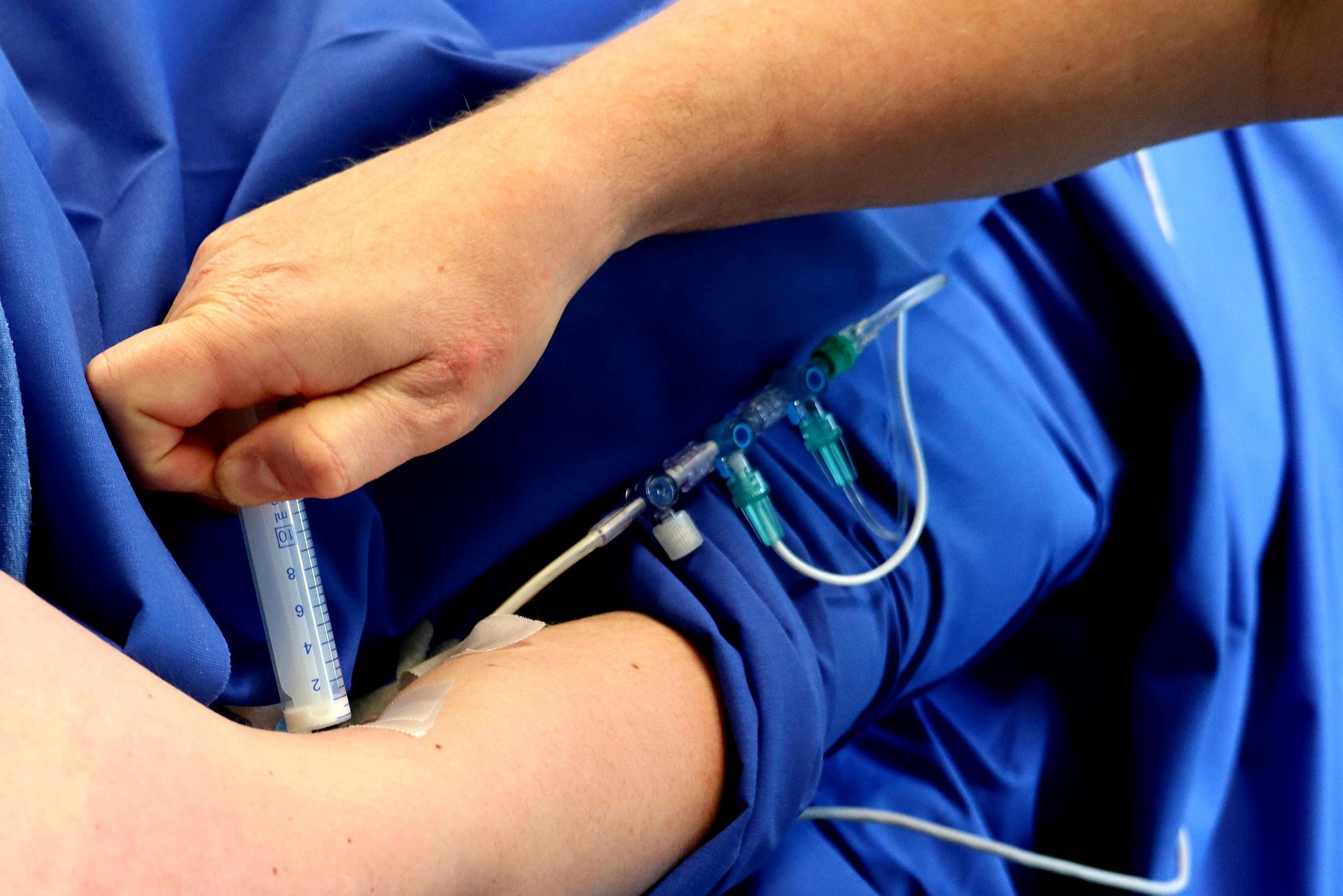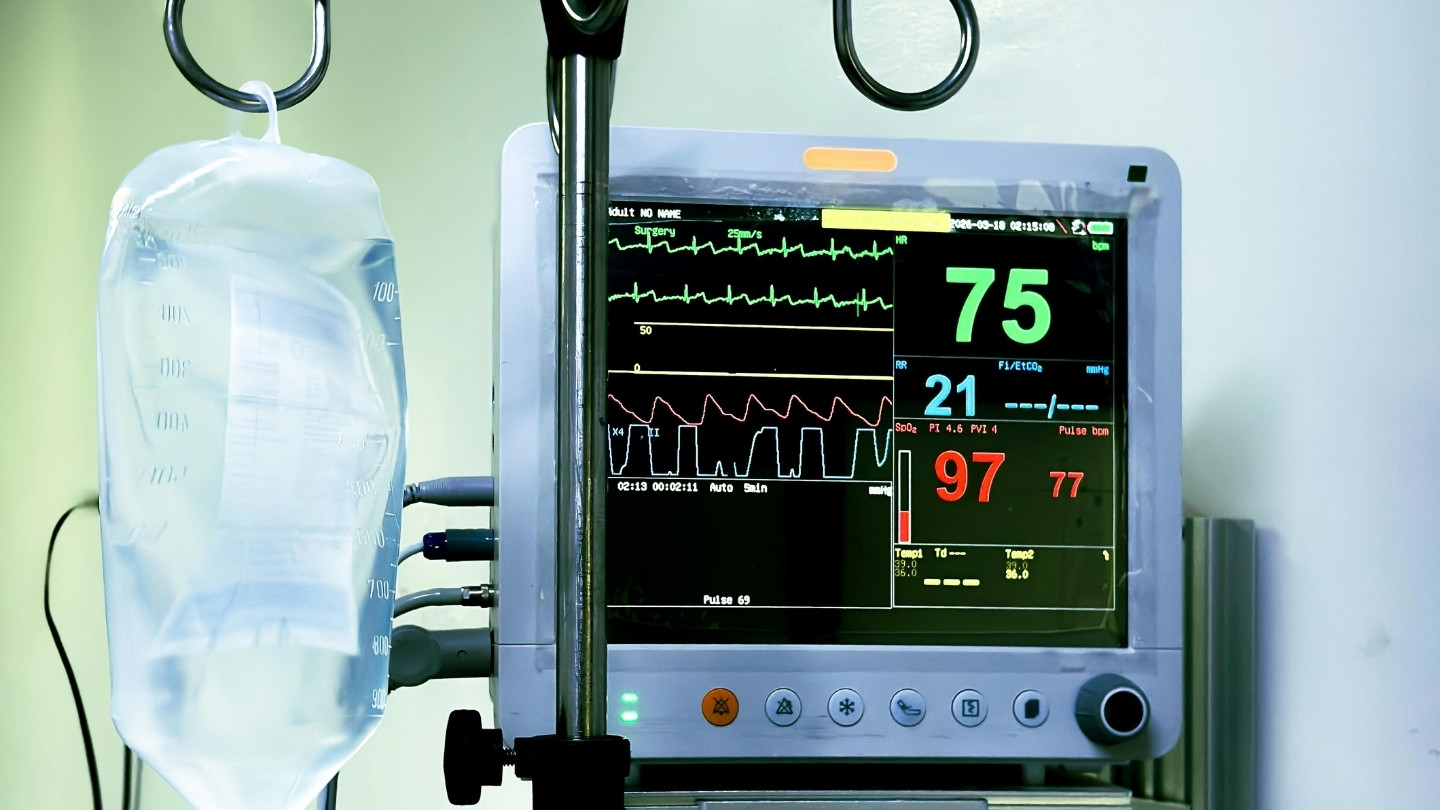

Infusion therapy plays a critical role in modern healthcare. Hospitals, outpatient clinics, ambulatory surgery centers, long-term care facilities, and other medical environments rely on infusion equipment to deliver medications, fluids, nutrients, blood products, and other therapies safely and consistently. Because these devices directly support patient care, infusion therapy equipment procurement involves far more than comparing prices and technical specifications.
Healthcare organizations must balance clinical requirements, patient safety, equipment quality, staff usability, regulatory expectations, compatibility, maintenance, supply availability, and long-term costs. A device that appears affordable at the time of purchase may become more expensive if it requires frequent servicing, specialized accessories, extensive training, or early replacement.
The process can become even more challenging as infusion technology becomes increasingly sophisticated. Modern infusion pumps and related devices may include advanced programming, dose-error reduction capabilities, alarms, connectivity, data-management functions, and other safety technologies. These features can improve clinical workflows, but they can also make equipment selection more complicated.
For this reason, hospitals need to evaluate more than the initial purchase price. The right infusion therapy equipment suppliers should help healthcare organizations assess equipment according to clinical needs, safety, compatibility, reliability, service support, availability, and total cost of ownership.
Key Takeaways
- Infusion therapy equipment procurement requires organizations to evaluate safety, clinical performance, usability, compatibility, reliability, and cost rather than focusing only on price.
- Equipment should be selected according to the needs of the patients, therapies, departments, and workflows where it will be used.
- Compatibility with accessories, infrastructure, software, and existing equipment can significantly affect the success of a procurement decision.
- Staff usability and training requirements should be evaluated before equipment is purchased.
- Supplier reliability, product availability, maintenance, technical support, documentation, and warranty coverage influence long-term equipment performance.
- Total cost of ownership provides a more accurate financial picture than the initial purchase price alone.
- Standardization can simplify training, maintenance, and inventory management, but specialized clinical requirements should still be considered.
- Early involvement from clinical, biomedical engineering, IT, procurement, and supply chain teams can reduce implementation problems.
- A comprehensive procurement process helps healthcare organizations build a dependable infusion equipment strategy that supports safe and efficient patient care.
Why Is Infusion Therapy Equipment Procurement So Complex?

The complexity of infusion equipment procurement comes from the fact that these devices serve both clinical and operational purposes. Hospitals need equipment that performs accurately and reliably, but they also need devices that fit into everyday workflows and existing infrastructure.
An infusion pump is rarely an isolated piece of equipment. It may be used by nurses and other healthcare professionals across several departments and may depend on specific tubing, administration sets, batteries, mounting systems, accessories, software, and maintenance services. In connected environments, the device may also need to communicate with electronic health records, medication-management platforms, hospital networks, or other clinical technologies.
As a result, an equipment purchase affects multiple teams. Clinical staff may prioritize patient safety and ease of use, while biomedical engineering teams may focus on maintenance and technical compatibility. IT professionals may evaluate connectivity and cybersecurity, finance teams may assess lifecycle costs, and supply chain professionals may consider availability and vendor reliability.
A successful procurement process must bring these perspectives together. When organizations evaluate equipment from only one viewpoint, important clinical, technical, or financial considerations can easily be overlooked.
Balancing Equipment Quality With Budget Requirements

Healthcare organizations operate under financial constraints, making competitive pricing an important consideration. The lowest upfront price does not necessarily represent the best long-term value. A lower-cost infusion device may require more frequent maintenance, have limited technical support, use costly specialized accessories, or have a shorter service life.
Conversely, a more advanced device may require a larger initial investment but offer safety, usability, connectivity, or durability benefits that provide greater value over time.
For this reason, hospitals should evaluate the complete lifecycle cost of an infusion device. The analysis should account for acquisition, installation, accessories, consumables, software or connectivity requirements, staff training, preventive maintenance, repairs, replacement parts, upgrades, expected service life, and eventual replacement.
Determining Which Equipment Meets Clinical Needs
Another major challenge is selecting equipment that actually matches the organization’s clinical requirements. Different departments can have significantly different infusion needs. An intensive care unit may require capabilities and precision that differ from those needed in a general medical-surgical environment. Pediatric care may introduce additional considerations related to patient size, dosing, and clinical application. Oncology, emergency care, home care, and other settings can also have distinct requirements.
Before purchasing, healthcare organizations should establish how the equipment will be used, which therapies it must support, what patient populations it will serve, what dosing and flow-rate requirements exist, and which departments will operate the devices. The organization should also determine whether specialized accessories or particular safety features are necessary and whether the equipment needs to connect with existing systems.
Evaluating Patient Safety Features
Patient safety should remain a central consideration when evaluating infusion equipment. Because infusion devices control the delivery of medications and other therapies, accurate and dependable operation is essential. Depending on the device and application, procurement teams may evaluate features such as dose-error reduction capabilities, programmable limits, alarm systems, occlusion detection, air-in-line detection, battery performance, and other safeguards.
Advanced safety technology is only useful when healthcare professionals can use it effectively. An interface that is unnecessarily complicated may increase training requirements or create workflow challenges. Equipment should therefore be assessed for both technological capability and practical usability. The strongest procurement decisions typically focus on equipment that provides safety features appropriate to the clinical environment without introducing unnecessary complexity.
How Does Equipment Compatibility Affect Procurement?

Compatibility With Existing Accessories
Infusion equipment often depends on compatible tubing, administration sets, connectors, batteries, mounting systems, and other accessories. As a result, replacing or expanding an equipment fleet can affect more than the primary device itself.
Before purchasing new equipment, procurement teams should determine which existing accessories can continue to be used and which items will need to be replaced. They should also examine the availability, pricing, specifications, and long-term supply of required consumables.
A device that relies heavily on specialized supplies can create an ongoing procurement dependency. If those supplies become difficult to obtain or significantly more expensive, the original equipment investment may become less economical.
Compatibility With Existing Infrastructure
Hospitals often have established equipment fleets, storage systems, charging arrangements, mounting solutions, maintenance processes, and clinical workflows. Introducing a new infusion platform may require adjustments to one or more of these systems.
Differences in equipment dimensions, charging requirements, mounting configurations, software, accessories, or operating procedures can become significant when dozens or hundreds of devices are deployed.
Why Is Interoperability Becoming A Bigger Procurement Consideration?
Healthcare organizations increasingly rely on connected technologies, making interoperability an important part of modern infusion equipment procurement. Depending on the facility and device, infusion equipment may need to interact with electronic health records, medication-management systems, hospital networks, or other clinical technologies. A device can perform well as a standalone system but still create difficulties if it cannot integrate effectively with the organization’s existing technology environment.
Procurement teams should therefore evaluate connectivity capabilities, interfaces, data exchange, software requirements, network needs, integration options, system updates, and security considerations before selecting connected equipment. IT and clinical engineering teams should be involved early rather than being asked to address integration issues after the equipment has already been selected. Early collaboration can reveal technical requirements that may not be apparent from product brochures or basic specifications.
How Does Staff Usability Influence Infusion Equipment Selection?

Complex Equipment Can Increase Training Requirements
Advanced equipment can provide valuable capabilities, but additional functionality may also increase the learning curve. Healthcare professionals need to understand how to operate infusion devices correctly and efficiently. When an organization introduces unfamiliar equipment across several departments, it may need significant time and resources for training, competency assessment, and ongoing education.
Procurement teams should therefore consider how intuitive the user interface is, how much training is required, what hands-on instruction is available, and whether refresher resources can be provided. They should also consider how easily new employees can be trained after the initial implementation. Equipment that combines necessary functionality with a straightforward user experience can reduce training demands and support more consistent workflows.
Standardization Can Simplify Workflows
Hospitals may benefit from standardizing infusion equipment across departments when the same equipment can appropriately support different clinical applications.
A standardized equipment fleet can simplify staff training, troubleshooting, maintenance, inventory management, accessory purchasing, technical support, and future replacement. Staff who are familiar with a common platform may also have an easier time moving between departments.
Standardization should not mean choosing one device without considering clinical differences. Certain departments may require specialized capabilities that another device cannot provide.
What Role Does Supplier Reliability Play In Procurement?
Selecting the equipment is only one part of the procurement decision. Choosing a reliable supplier is equally important because supplier performance can influence the equipment’s usefulness throughout its service life.
A dependable infusion therapy equipment supplier should provide accurate product information, clear specifications, availability details, warranty terms, service options, replacement parts, accessories, documentation, and technical support.
Supplier evaluation should focus on more than sales responsiveness. Healthcare organizations should consider whether the supplier can consistently provide equipment and consumables, support installation and training, respond to technical issues, supply replacement components, and maintain communication over the long term.
Why Are Product Availability And Supply Continuity Important?
Hospitals need dependable access to infusion equipment, accessories, consumables, and replacement components. A procurement decision that looks attractive on paper can become problematic if required products have unpredictable lead times or inconsistent availability.
Supply interruptions can affect clinical operations, particularly when a facility relies on specialized administration sets or replacement parts. Delays may require staff to locate alternatives, adjust workflows, or move equipment between departments.
Procurement teams should therefore ask suppliers about typical lead times, inventory practices, supply continuity, and contingency options. It can also be useful to understand whether equivalent products or alternative configurations are available if a particular model becomes temporarily unavailable.
Supply planning becomes especially important when a healthcare organization operates a large infusion equipment fleet or expects significant growth in patient volume.
How Do Maintenance And Service Requirements Affect Procurement?
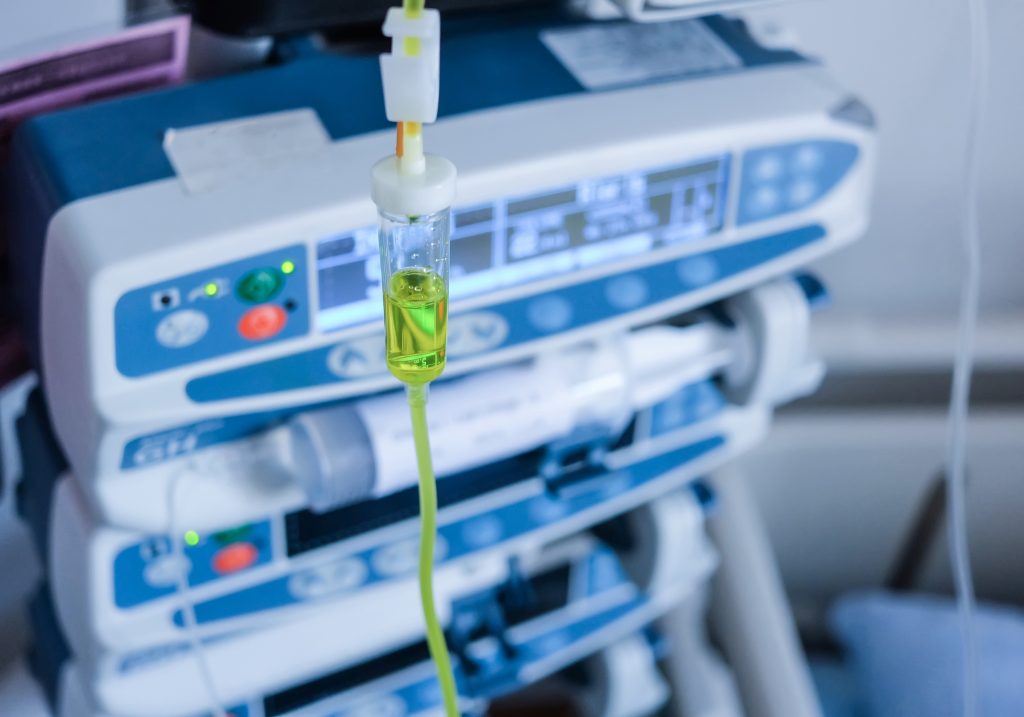
Preventive Maintenance Matters
Infusion equipment requires appropriate inspection, testing, maintenance, and servicing based on manufacturer recommendations and organizational policies. These requirements can affect both operational planning and long-term ownership costs.
Before purchasing equipment, healthcare organizations should understand preventive maintenance schedules, service intervals, battery replacement requirements, testing procedures, replacement parts, repair processes, and technical support arrangements.
Downtime Has A Real Operational Cost
When an infusion device is unavailable, clinical staff may need to locate replacement equipment, move devices between departments, adjust patient workflows, or spend additional time coordinating equipment availability. Repeated downtime can therefore affect productivity as well as equipment expenses.
Reliability and service responsiveness should consequently be considered alongside purchase price. A supplier that can provide timely technical assistance and repairs may help healthcare organizations reduce disruptions and maintain equipment availability.
What Regulatory And Documentation Challenges Should Hospitals Consider?
Healthcare equipment procurement also involves regulatory and documentation requirements. Organizations need reliable information about the products they purchase, including specifications, instructions for use, safety information, maintenance requirements, and applicable regulatory documentation.
Procurement teams should confirm that equipment meets the requirements applicable to the healthcare environment and intended application. They should also ensure that documentation is sufficiently clear to support staff training, maintenance, safety procedures, equipment evaluation, inventory management, troubleshooting, audits, and other organizational requirements.
Why Is Cybersecurity Relevant To Modern Infusion Equipment?

As medical devices become increasingly connected, cybersecurity can become an important part of equipment procurement. Connected infusion equipment may interact with hospital networks or other digital systems, creating additional considerations for IT and clinical engineering teams. Organizations should understand how devices connect to their infrastructure, how access is controlled, how software updates are managed, and how vendors provide ongoing security support.
Cybersecurity considerations may include network requirements, authentication, access management, device configuration, software updates, data handling, and vendor security practices. These issues should be evaluated before equipment is purchased rather than after installation. Early communication between procurement, IT, biomedical engineering, and clinical teams can help identify potential risks and technical requirements.
How Does Equipment Standardization Affect Procurement Costs?
Purchasing larger quantities of similar equipment can simplify procurement and operational management. A standardized fleet may reduce the number of product types staff need to learn while also simplifying maintenance, spare parts, training, inventory management, and technical support. Standardization can also make future replacement planning easier because organizations may already have established workflows and support processes for the selected equipment.
Cost and convenience should not override clinical requirements. A single product may not be suitable for every application within a healthcare organization. Hospitals should determine which equipment categories can reasonably be standardized and where specialized solutions are necessary. This approach can provide operational efficiencies without compromising clinical functionality.
What Makes Comparing Infusion Equipment Difficult?
Infusion devices may appear similar when compared through basic specifications, yet meaningful differences can exist in usability, safety technology, connectivity, maintenance requirements, accessories, reliability, and supplier support.
For this reason, procurement teams should use a structured evaluation framework rather than focusing on a single specification or price.
- Clinical performance should be assessed according to the patient populations, therapies, flow rates, dosing requirements, and departments that will use the equipment.
- Safety should be evaluated based on the safeguards and features appropriate to the organization’s clinical environment.
- Usability should consider whether healthcare professionals can operate the equipment efficiently, understand its controls, and complete common tasks without unnecessary complexity.
- Reliability should address the equipment’s ability to support dependable day-to-day operation and withstand the demands of its intended environment.
- Compatibility should cover accessories, infrastructure, existing equipment, software, and other systems that may interact with the device.
- Serviceability should address maintenance requirements, repairs, replacement parts, and technical support.
- Supplier support should consider training, documentation, communication, product availability, warranties, and long-term assistance.
- Finally, lifecycle cost should account for the complete financial commitment associated with owning and operating the equipment.
This structured approach allows hospitals to make more meaningful comparisons between products that may initially appear similar.
How Can Hospitals Improve Their Infusion Equipment Procurement Process?

Start With A Needs Assessment
Before requesting quotations, healthcare organizations should establish their clinical, technical, and operational requirements. Input from nurses, physicians, pharmacists, biomedical engineers, IT personnel, procurement professionals, supply chain teams, and administrators can provide a more complete picture of what the equipment needs to accomplish.
Create Clear Evaluation Criteria
A structured evaluation process can make product comparisons more objective. Hospitals can establish criteria covering patient safety, clinical functionality, usability, reliability, compatibility, connectivity, warranty coverage, maintenance, supplier support, and total cost of ownership.
Request Demonstrations
Clinical staff should have opportunities to interact with the equipment and perform realistic tasks. Hands-on evaluation can help determine whether the device fits existing workflows and whether its interface is practical for everyday use.
Evaluate The Supplier, Not Just The Device
A strong product can still create difficulties if supplier support is inadequate. Procurement teams should therefore evaluate the supplier’s service capabilities, technical assistance, training, documentation, product availability, replacement parts, warranty support, and long-term commitment.
Consider Total Cost Of Ownership
Instead of asking only how much a device costs to purchase, procurement teams should determine what it will cost to operate throughout its useful life. Considering acquisition, installation, training, accessories, consumables, maintenance, repairs, upgrades, and eventual replacement can reveal differences that are not visible in an initial quotation.
What Should Hospitals Ask Infusion Therapy Equipment Suppliers?
A well-prepared set of questions can make supplier evaluations more productive. Healthcare organizations should ask which clinical applications the equipment is designed to support and what safety features are included. They should also clarify which accessories and consumables are required, how easy the device is to operate, and what training is available for initial implementation and future staff members.
Questions about warranty coverage, preventive maintenance, repair procedures, expected product lifecycle, replacement parts, technical support, connectivity, integration, lead times, and supply continuity are equally important.
Finally, procurement teams should ask suppliers to explain the expected total cost of ownership. Understanding the complete financial commitment can help organizations compare options more accurately and avoid unexpected expenses after purchase.
How Can Procurement Teams Avoid Common Mistakes?

Focusing Only On The Lowest Price
Purchase price is important, but it should not be the only consideration. A low-cost device can become more expensive if it requires frequent maintenance, specialized consumables, extensive training, or premature replacement.
Ignoring Staff Feedback
Clinical professionals are the people who use infusion equipment every day. Their experience can reveal practical issues that technical specifications cannot fully capture. Including staff in demonstrations and evaluations can therefore improve the quality of the final purchasing decision.
Overlooking Accessories
The primary infusion device is only one part of the overall investment. Tubing, administration sets, batteries, mounts, software, and other required accessories can affect both acquisition and operating costs. These requirements should be identified before the purchase is finalized.
Waiting Too Long To Involve IT And Biomedical Engineering
Connected equipment and maintenance requirements can create technical challenges if the appropriate teams are not involved early. IT and biomedical engineering professionals should participate in the evaluation so that connectivity, infrastructure, maintenance, cybersecurity, and service requirements are understood before deployment.
Neglecting Long-Term Support
The procurement process should account for what happens after installation. Hospitals should understand how the supplier will provide technical support, replacement components, maintenance assistance, documentation, and product guidance throughout the equipment’s expected service life.
How Does Total Cost Of Ownership Help Hospitals Make Better Decisions?
Total cost of ownership provides a broader financial picture than the initial purchase price. One infusion device may have a lower acquisition cost but requires specialized consumables, frequent servicing, and more staff training. Another device may cost more initially but offer lower maintenance requirements, greater durability, easier training, or a longer expected service life.
If procurement teams consider only the initial price, the first device may appear more affordable. A lifecycle analysis could produce a different conclusion. Total cost of ownership should therefore account for acquisition, installation, training, consumables, maintenance, repairs, upgrades, and eventual replacement.
Why Is Training A Procurement Consideration Rather Than An Afterthought?
Training should be considered during equipment evaluation rather than after a purchasing decision has already been made. If a device requires extensive instruction, the organization must account for the time, staffing, and resources needed to implement it effectively. Training may include initial orientation, hands-on demonstrations, competency assessments, department-specific instruction, refresher sessions, new employee education, and troubleshooting guidance.
A supplier that provides comprehensive training resources can make implementation easier and help healthcare professionals become comfortable with new equipment more quickly. The training burden should therefore be considered alongside safety, functionality, cost, and usability when evaluating infusion equipment.
What Role Does Inventory Management Play?

Infusion equipment procurement also affects inventory management. Hospitals need to determine how many devices are required, where they will be located, how they will be tracked, and how equipment will remain available during maintenance or periods of high demand. Purchasing too few devices can create shortages, unnecessary equipment movement, and workflow disruptions. Purchasing too many can tie up capital in equipment that is underused.
Effective planning should take patient volume, department requirements, peak demand, equipment usage, backup capacity, maintenance downtime, future expansion, and replacement cycles into account. A well-planned inventory strategy helps ensure that appropriate equipment is available where it is needed without creating unnecessary excess.
How Can A Reliable Supplier Reduce Procurement Challenges?
An experienced infusion therapy equipment supplier can help healthcare organizations understand product differences, evaluate configurations, identify required accessories, plan purchases, prepare for installation, and coordinate training. After implementation, the supplier may also provide technical assistance, replacement components, maintenance support, documentation, and product guidance.
This creates a more complete procurement experience and can reduce the operational risks associated with equipment ownership. The strongest supplier relationships are not purely transactional. They are based on dependable equipment, clear communication, responsive service, product availability, and an understanding of the healthcare organization’s long-term needs.
What Should Hospitals Consider Before Finalizing An Infusion Equipment Purchase?
Before approving an infusion equipment order, procurement teams should conduct a comprehensive final review. The organization should confirm that the equipment meets its clinical requirements and provides appropriate safety features. Staff should be able to operate the device effectively, while required accessories, consumables, compatibility requirements, connectivity needs, and training obligations should be clearly understood.
The final review should also confirm warranty terms, maintenance responsibilities, technical support, replacement-part availability, expected lead times, supply continuity, and total cost of ownership. This final assessment can prevent relatively small omissions from becoming larger operational problems after equipment has been deployed.
Conclusion
Infusion therapy equipment procurement is complex because purchasing decisions affect patient care, clinical workflows, staff performance, maintenance operations, technology infrastructure, supply management, and long-term healthcare costs.
The biggest challenges typically involve balancing competing priorities. Hospitals need safe and reliable equipment without exceeding budget limitations. They need useful technology without unnecessary complexity, appropriate standardization without compromising specialized clinical requirements, and dependable suppliers that can provide support well beyond the initial purchase.
A successful procurement strategy begins with a clear understanding of the organization’s actual needs. Healthcare teams can then evaluate equipment according to clinical performance, patient safety, usability, compatibility, reliability, maintenance requirements, connectivity, supplier support, product availability, and total cost of ownership.
The people who will use and maintain the equipment should also be involved in the decision. Nurses, physicians, pharmacists, biomedical engineers, IT professionals, supply chain teams, and administrators can each identify considerations that may otherwise be overlooked.
Frequently Asked Questions
1. What Is The Biggest Challenge In Infusion Therapy Equipment Procurement?
One of the biggest challenges is balancing patient safety, clinical requirements, equipment quality, usability, and long-term cost. Hospitals need equipment that meets their specific clinical needs while remaining reliable, maintainable, compatible with existing systems, and financially sustainable.
2. How Should Hospitals Compare Infusion Therapy Equipment?
Hospitals should compare infusion equipment using multiple criteria rather than purchase price alone. Important considerations include safety features, clinical functionality, ease of use, reliability, compatibility, connectivity, maintenance requirements, warranty coverage, supplier support, accessories, and total cost of ownership.
3. Why Is The Supplier Important When Purchasing Infusion Equipment?
The supplier can significantly influence the long-term success of an equipment purchase. Reliable suppliers can provide product guidance, training, technical assistance, replacement parts, maintenance support, documentation, and dependable access to equipment and accessories.
4. Should Hospitals Prioritize Advanced Features When Buying Infusion Equipment?
Not necessarily. Advanced features can provide important benefits, but hospitals should select capabilities that address actual clinical and operational needs. Equipment that is unnecessarily complex may increase training requirements and make workflows more difficult.
5. What Is The Total Cost Of Ownership For Infusion Equipment?
Total cost of ownership refers to the complete cost of using equipment throughout its expected lifecycle. It can include the purchase price, installation, training, accessories, consumables, maintenance, repairs, software, upgrades, and eventual replacement.