Outpatient infusion therapy has become an important part of modern healthcare, allowing patients to receive many intravenous and infusion-based treatments without hospital admission. When clinically appropriate, patients can complete their treatment and return home the same day, making outpatient care convenient for patients while helping clinics and ambulatory facilities use healthcare resources efficiently.
Choosing the best infusion therapy equipment also means looking beyond the initial purchase price. An inexpensive product may become costly if it creates unnecessary waste, requires frequent replacement, disrupts staff workflows, or does not work properly with existing equipment. By contrast, appropriately selected supplies can help create more consistent procedures, reduce avoidable interruptions, and support efficient patient care.
The ideal supplies also depend on the type of outpatient service. A clinic providing short-duration hydration therapy may have different requirements from an oncology infusion center, specialty biologic clinic, or facility managing patients with long-term vascular access. Treatment type, infusion duration, patient age and mobility, vascular access, medication characteristics, and facility protocols all influence equipment selection.
This guide examines the major categories of infusion therapy supplies, explains what makes them useful in outpatient environments, and outlines how healthcare facilities can develop a dependable supply strategy.
Key Takeaways
- IV access supplies are foundational. Catheters, extension sets, connectors, dressings, securement devices, and related accessories should match the vascular access and treatment being provided.
- Infusion pumps support controlled delivery. Pump selection should reflect prescribed flow requirements, medication characteristics, treatment duration, portability needs, and facility protocols.
- Administration sets must be compatible. Tubing, connectors, filters, and related components should work appropriately with the selected pump and therapy.
- Infection prevention is essential. Sterile supplies, antiseptic products, appropriate PPE, needleless connectors, dressings, and sharps containers support safer outpatient workflows.
- Monitoring equipment supports patient safety. Depending on the therapy, facilities may need equipment for monitoring vital signs, oxygen saturation, infusion status, and other relevant clinical parameters.
- Emergency supplies should remain accessible. Outpatient infusion areas should maintain appropriate emergency equipment and medications based on their clinical scope, patient population, policies, and applicable requirements.
- Patient comfort matters. Appropriate access supplies, securement products, tubing, seating, and equipment organization can contribute to a more comfortable treatment experience.
- Compatibility is critical. Pumps, tubing, syringes, connectors, filters, and vascular access components should function together as intended.
- Quality matters beyond price. Reliable products can support consistent workflows and reduce problems associated with poorly matched or unreliable supplies.
- A good supplier provides more than products. Availability, technical support, education, documentation, maintenance, and responsive service can be as important as the equipment itself.

1. Start With The Needs Of The Outpatient Facility
Before purchasing infusion therapy equipment, an outpatient facility should first determine which treatments it provides and what those treatments require. There is no universal supply package that works equally well for every infusion clinic.
A facility focused on short outpatient infusions may prioritize compact pumps, efficient administration sets, comfortable IV access products, and supplies that support quick room turnover. A specialty clinic administering longer or more complex therapies may need a broader selection of pumps, vascular access supplies, filters, monitoring equipment, and emergency resources.
Facilities should evaluate their treatment volume, vascular access methods, infusion duration, patient mobility, portability requirements, monitoring needs, infection-control procedures, disposable supplies, maintenance requirements, staff training, and backup inventory.
2. IV Catheters And Vascular Access Supplies
IV access is one of the foundations of outpatient infusion therapy. Even sophisticated pumps and monitoring equipment cannot be used effectively without dependable vascular access supplies.
Peripheral IV catheters are commonly used for treatments appropriate for short-term peripheral access. The appropriate catheter type and size depend on the therapy, expected duration of access, patient’s veins, and clinical judgment.
Some outpatient patients may already have longer-term vascular access, such as implanted ports or other central venous access devices. These situations require appropriate access needles, extension tubing, dressings, connectors, flush supplies, and securement products according to the device and facility protocol.
- Patient Comfort: Patients who receive repeated outpatient treatments may benefit from products designed to support efficient insertion and comfortable access. Reducing unnecessary manipulation and maintaining secure access can contribute to a better treatment experience.
- Reliable Construction: Catheters and related accessories should be consistently manufactured and appropriate for their intended applications. Poorly matched or unreliable products can contribute to complications and workflow interruptions.
- Safety Features: Safety-engineered products can help reduce occupational needlestick risks when they are selected appropriately and used according to established procedures.
- Compatibility: Catheters, extension sets, needleless connectors, syringes, and other components should be compatible with the overall infusion system and intended treatment.
3. Infusion Pumps For Controlled Delivery
Infusion pumps are central to many outpatient infusion systems. They deliver fluids or medications at controlled rates according to the prescribed therapy and programmed settings. The most technologically complex pump is not necessarily the best choice for every outpatient clinic. Instead, facilities should select equipment that provides the functionality required for their treatments while remaining practical for staff and appropriate for the care environment.
Important evaluation factors include delivery accuracy, alarm functions, programming simplicity, display visibility, battery performance, cleaning requirements, maintenance requirements, staff familiarity, compatibility with administration sets, replacement component availability, and manufacturer support. Infusion pumps should also be evaluated as part of a complete system. A high-quality pump may provide limited value if its compatible administration sets are difficult to obtain or unsuitable for the facility’s clinical workflows.
4. Administration Sets And IV Tubing
Administration sets create the pathway through which fluids or medications travel from the source container to the patient’s vascular access device. Different treatments can require different tubing configurations. Depending on the application, facilities may use standard administration sets, secondary sets, extension tubing, specialty sets, filters, and other accessories.
Before purchasing administration sets, facilities should confirm compatibility with infusion pumps, connection types, intended fluid or medication applications, tubing length, priming requirements, applicable filter specifications, sterility, packaging integrity, and manufacturer instructions.
5. Syringes And Needles
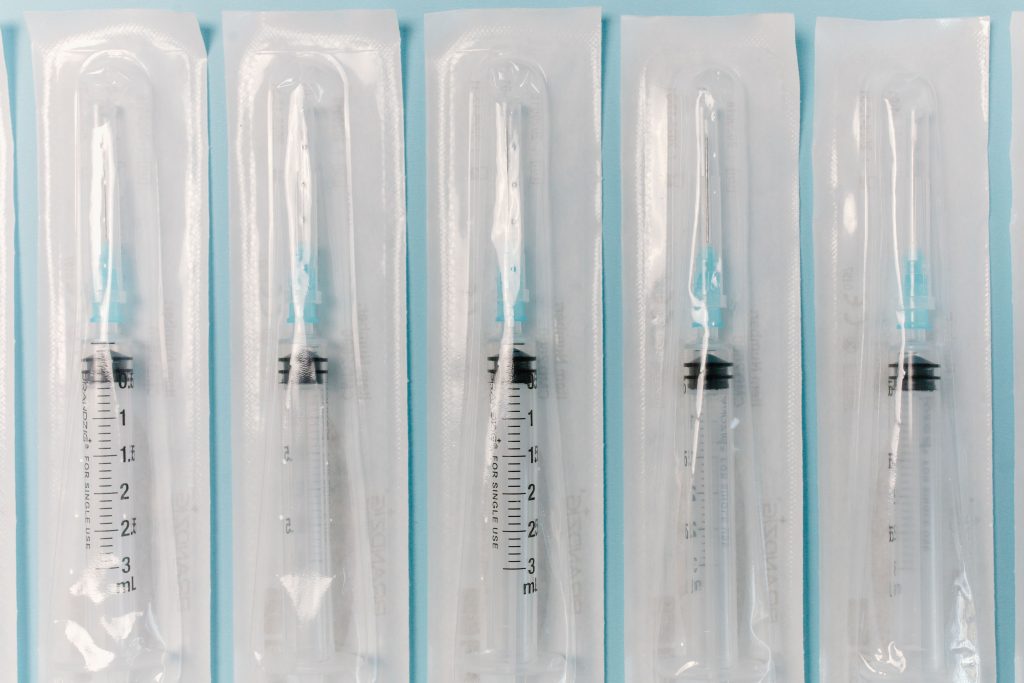
Syringes are used throughout outpatient infusion workflows for medication preparation, flushing, access procedures, and other clinical tasks. Because treatment requirements vary, facilities may need several syringe sizes and configurations.
The appropriate syringe depends on its intended purpose, required volume, compatibility, and applicable clinical procedures. Needles may likewise be needed for medication preparation, access to certain devices, or other tasks within the facility’s scope of practice.
6. Needleless Connectors And Extension Sets
Needleless connectors can reduce the need for repeated needle manipulation when accessing compatible vascular access systems. Although these components are small, their design and compatibility can affect the performance of the overall infusion setup.
Extension sets can provide additional flexibility when connecting vascular access devices to administration tubing. When appropriately selected and used, they can help position connections conveniently and reduce unnecessary tension around the access site.
7. IV Dressings And Securement Products
Maintaining secure vascular access is especially important in outpatient care because patients may move during treatment. Appropriate dressings and securement systems help keep access devices in position while protecting the insertion site.
Common supplies include sterile transparent dressings, securement devices, tape, sterile gauze, and other products appropriate to the access method. The best choice depends on vascular access type, treatment duration, patient characteristics, skin condition, and facility protocol.
8. Filters And Specialized Infusion Accessories
Some infusion therapies require filters or other specialized accessories. The appropriate component depends on the therapy, medication or solution, administration system, equipment, and applicable manufacturer instructions.
Facilities should not assume that one filter is appropriate for every infusion. Instead, staff should verify the requirements of the medication, solution, administration system, and equipment before use.
9. Infection-Control Supplies
Infection prevention is fundamental to outpatient infusion care. Facilities need appropriate supplies for hand hygiene, skin preparation, sterile procedures, environmental cleaning, PPE, access-site care, and sharps disposal.
Depending on the facility’s procedures, these supplies may include alcohol-based hand hygiene products, skin antiseptics, examination gloves, sterile gloves when required, masks and other PPE, sterile dressings, disinfecting products, needleless connector disinfection supplies, sterile procedure materials, sharps containers, and biohazard waste containers.
10. Personal Protective Equipment
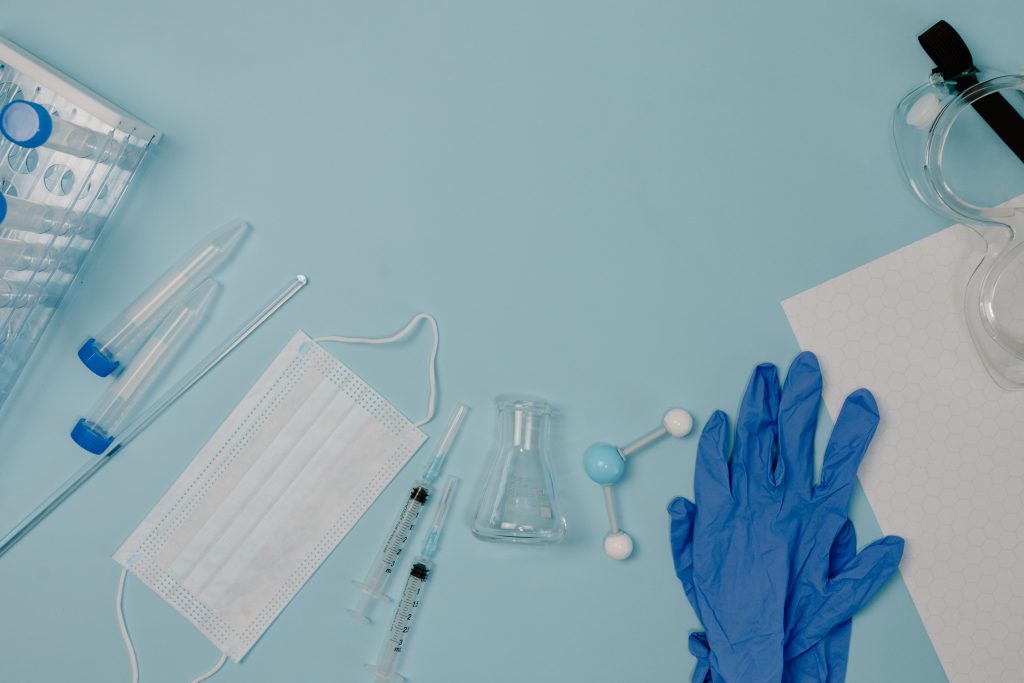
Personal protective equipment is an important part of outpatient infusion supplies, although the exact requirements depend on the therapies administered and potential occupational hazards.
Infusion environments may require gloves, gowns, masks, eye protection, and other protective equipment. Facilities that handle hazardous drugs may have additional requirements for protective equipment and safe medication handling.
11. Sharps Containers And Waste-Management Supplies
Outpatient infusion areas need appropriate systems for safely disposing of needles and other sharps. Sharps containers should be positioned where staff can access them conveniently and safely and should be appropriate for the facility’s workflow.
Although waste management is sometimes overlooked when facilities purchase infusion therapy equipment, it remains an essential part of a complete and organized infusion environment.
12. Patient Monitoring Devices
Infusion therapy involves more than connecting a patient to a pump. Appropriate monitoring is an important component of safe outpatient treatment. The specific equipment required depends on the therapy and patient population. Facilities may use blood pressure monitors, pulse oximeters, thermometers, cardiorespiratory monitoring equipment when clinically indicated, scales where relevant, and other diagnostic or observation equipment.
13. Emergency Equipment
Outpatient infusion facilities should be prepared to respond to unexpected clinical events within the scope of their services. The exact emergency equipment and medications required will vary according to facility type, treatments, patient population, professional standards, policies, and applicable requirements.
Depending on the setting, an infusion area may need emergency response equipment, oxygen-related equipment, vital-sign monitoring devices, emergency medications, and other supplies.
14. Portable Infusion Equipment
Portability can provide valuable flexibility in outpatient care. Some patients may benefit from ambulatory infusion systems that allow treatment to continue while they move through appropriate areas of a facility or, when clinically prescribed and supported by an appropriate care model, outside the traditional infusion setting.
Portable systems require additional considerations, including pump size and weight, battery life, alarms, durability, programming requirements, patient usability, carrying options, tubing management, and maintenance.
15. Chairs, Poles, And Supporting Equipment
Supporting equipment may not always be classified as infusion therapy supplies, but it can significantly influence outpatient workflow. Infusion chairs should provide appropriate support and allow patients to remain comfortable during treatments that may last several hours. IV poles should be stable, mobile, and suitable for the equipment being used. Facilities may also need mobile workstations, equipment carts, storage cabinets, medication preparation areas, waste containers, side tables, patient call systems, and privacy screens.
16. Storage And Supply Organization
Even excellent infusion therapy equipment cannot support efficient care if essential supplies are difficult to locate. Clinics should establish organized storage systems for frequently used products and clearly label areas for less frequently used equipment.
Inventory management should account for minimum stock levels, expiration dates, lot numbers when required, product rotation, storage conditions, backup supplies, and usage trends.
17. Why Standardization Can Improve Outpatient Efficiency
Standardization can make infusion workflows more predictable. When staff regularly work with compatible pumps, administration sets, connectors, and accessories, they can become familiar with their operation and reduce unnecessary variation.
A thoughtful standardization strategy can support easier staff training, more consistent procedures, simpler inventory management, fewer compatibility concerns, faster troubleshooting, more predictable purchasing, and easier maintenance.
18. Consider Total Cost Instead Of Purchase Price
Cost is an important consideration, but the lowest purchase price does not necessarily represent the lowest overall cost. The total cost of infusion equipment can include the initial purchase, disposable supplies, maintenance, repairs, replacement components, staff training, storage, waste, downtime, and eventual equipment replacement. A more useful purchasing question is whether a solution provides dependable performance and appropriate functionality throughout its useful life at a reasonable total cost.
19. Supplier Reliability Matters
The supplier behind infusion therapy equipment can be just as important as the products themselves. Healthcare facilities need suppliers that understand the operational demands of clinical environments and can provide dependable products and support.
- Product Availability: Frequently used supplies should be consistently obtainable. Unexpected shortages can interfere with treatment schedules and staff workflows.
- Technical Support: For infusion pumps and other equipment, responsive technical assistance can help resolve equipment questions and minimize unnecessary downtime.
- Product Knowledge: A knowledgeable supplier should be able to explain product specifications, compatibility considerations, intended applications, and maintenance requirements.
- Documentation: Instructions for use, specifications, maintenance information, and other relevant documentation should be readily available.
- Service Support: Reusable equipment may require inspection, calibration, maintenance, repair, or eventual replacement. Understanding a supplier’s service capabilities before purchasing can help facilities plan for these requirements.
20. Staff Training Should Be Part Of The Equipment Strategy
Even high-quality equipment cannot replace adequate training. Staff should understand how to operate the equipment they use, including pumps, administration systems, monitoring devices, and other relevant supplies.
Training should address normal operation, programming where applicable, alarm response, troubleshooting, cleaning, storage, inspection, maintenance procedures, safety features, and relevant manufacturer instructions. Training should also remain appropriate to each staff member’s professional role, competency, and facility policies.
21. Maintenance And Preventive Care
Reusable infusion equipment requires an appropriate maintenance strategy. Preventive maintenance can help identify problems before equipment failure affects patient care. Facilities should follow manufacturer instructions and applicable requirements for inspection, servicing, cleaning, and testing.
A practical equipment-management program should track equipment identification, maintenance dates, inspection results, repairs, replacement schedules, manufacturer recommendations, and staff reports of problems. Proactive equipment management is preferable to waiting until a malfunction interrupts treatment.
22. Disposable Versus Reusable Equipment
Outpatient facilities commonly use a combination of disposable and reusable products. Disposable supplies can simplify infection-control processes and eliminate the need to process certain components between patients. Reusable equipment can provide long-term value when it is appropriate for the application and properly maintained.
The decision should consider infection-control requirements, manufacturer instructions, treatment volume, long-term costs, maintenance, storage, environmental considerations, and workflow.
23. Build A Backup Supply Strategy
A dependable infusion clinic should plan for unexpected events. Supplies can be delayed, equipment can malfunction, patient volume can increase suddenly, and individual products can become temporarily unavailable.
Maintaining a reasonable backup inventory of essential supplies can help protect the continuity of care. Clinics do not need to overstock every product. Excess inventory can increase waste, particularly when products have expiration dates.
24. Evaluate Equipment As A Complete Infusion System
One of the most important principles in selecting infusion therapy equipment is to evaluate products as components of a complete system rather than as isolated purchases. A system-based approach can help prevent problems caused by mismatched components and encourage more deliberate purchasing decisions.
25. How To Choose The Best Infusion Therapy Supplies
A practical purchasing process begins by identifying the treatments provided and mapping their equipment requirements. Facilities should then consider patient needs, treatment duration, vascular access, mobility, and comfort. The existing infusion environment should also be reviewed to determine which pumps, poles, connectors, administration sets, and other products are already in use. New products should be checked for compatibility before they are introduced.
Facilities should then compare total costs, including maintenance, disposable supplies, training, storage, and replacement. Supplier availability, technical assistance, documentation, servicing, and communication should also be evaluated. Finally, staff should receive appropriate training, and the facility should monitor equipment performance after implementation. This helps determine whether the selected supplies actually improve workflow, reliability, patient experience, and operational efficiency.
26. Common Mistakes To Avoid
Outpatient facilities can avoid many equipment problems by recognizing common purchasing mistakes.
- Choosing Based Only On Price: The lowest purchase price does not always provide the best long-term value. Reliability, maintenance, waste, usability, and availability should also be considered.
- Buying Incompatible Products: A product that appears suitable may not work correctly with an existing pump, administration set, or vascular access system. Compatibility should always be verified.
- Ignoring Staff Feedback: Staff members who use equipment every day can provide valuable insight into usability, workflow problems, and recurring equipment issues.
- Underestimating Inventory Needs: Insufficient supplies can disrupt treatment and create unnecessary stress for staff. Critical products should have appropriate reserve levels.
- Overlooking Maintenance: Reusable equipment requires preventive maintenance and appropriate servicing to remain dependable.
- Purchasing Too Much Specialized Equipment: Not every outpatient clinic needs every pump type or accessory. Equipment purchases should reflect actual clinical requirements and expected usage.
- Failing to Plan for Emergencies: Emergency equipment and backup supplies should be accessible, organized, routinely checked, and maintained.
27. The Role Of Quality In Outpatient Infusion Care
Quality should be evaluated throughout the equipment purchasing process. Reliable supplies can support predictable workflows, appropriate equipment performance, and greater confidence among clinical staff.
Quality should be evaluated using practical and measurable factors rather than treated simply as a marketing claim. Facilities should examine product specifications, intended use, compatibility, safety features, manufacturer instructions, reliability, maintenance requirements, applicable regulatory requirements, supplier support, and availability.
28. Patient Experience Is Part Of Equipment Selection
Outpatient care is intended to provide treatment efficiently while allowing patients to avoid unnecessary hospitalization when clinically appropriate. Equipment selection can directly influence that experience.
Uncomfortable chairs, complicated tubing, repeated alarm interruptions, difficult vascular access, or poorly organized supplies can make treatment more stressful. By contrast, appropriate equipment and organized workflows can create a smoother treatment environment.
Patient-centered considerations can include comfortable infusion chairs, secure vascular access, suitable tubing length, understandable equipment alarms, portable solutions when clinically appropriate, convenient staff access, and organized treatment areas.
29. Creating A Dependable Infusion Supply Program
The best outpatient infusion supply strategy is more than a purchasing list. It is a coordinated program connecting procurement, inventory, equipment management, staff training, patient safety, workflow, and supplier support.
Clinics should periodically review whether their current supplies remain appropriate. They can examine recurring equipment problems, stock shortages, product waste, maintenance costs, newly available technologies, compatibility with newly introduced therapies, training requirements, and supplier responsiveness.
30. Why the Right Supplier Makes A Difference

Selecting infusion therapy equipment is ultimately about more than purchasing individual products. Outpatient providers need solutions they can depend on during everyday clinical workflows, including appropriate equipment, consistently available supplies, and responsive support when questions or equipment problems arise.
An experienced infusion therapy equipment supplier can help facilities evaluate available options, understand compatibility requirements, plan purchases, and identify supplies appropriate for different clinical applications.
The strongest supplier relationships are built around communication and long-term support rather than one-time transactions. A knowledgeable supplier can help healthcare facilities approach purchasing with a clearer understanding of performance requirements, maintenance, inventory, compatibility, and total cost.
Conclusion
The best infusion therapy supplies for outpatient care are those that fit the facility’s clinical requirements, patient population, workflow, equipment platform, and safety procedures. Essential supplies may include IV catheters, vascular access accessories, administration sets, infusion pumps, syringes, connectors, extension tubing, dressings, securement products, PPE, sharps containers, monitoring equipment, emergency supplies, and supporting equipment. The ideal combination varies according to the treatments and patients served by each facility.
Rather than selecting products based solely on price or brand recognition, healthcare providers should evaluate compatibility, reliability, usability, maintenance, availability, staff training, patient comfort, and total cost of ownership. Infusion pumps should provide appropriate delivery control. Administration sets and connectors should integrate properly with the equipment. Vascular access supplies should match the intended treatment. Infection-control products should support established procedures, while monitoring and emergency equipment should reflect the facility’s clinical responsibilities.
Frequently Asked Questions
1. What Supplies Are Essential For Outpatient Infusion Therapy?
Essential supplies vary by treatment and facility, but commonly include IV catheters, administration sets, extension tubing, needleless connectors, syringes, dressings, securement products, infusion pumps, PPE, sharps containers, and appropriate patient-monitoring equipment.
2. How Do I Choose The Right Infusion Pump For An Outpatient Clinic?
Start by identifying the types of therapies administered, required delivery characteristics, treatment duration, portability needs, patient population, and existing equipment. The pump should be appropriate for its intended application, compatible with the administration sets used by the facility, practical for staff to operate, and supported by appropriate maintenance and technical services.
3. Why Is Compatibility Important When Purchasing Infusion Therapy Equipment?
Infusion therapy involves multiple connected components, including containers, tubing, pumps, connectors, filters, and vascular access devices. If these components are not compatible, the system may not function as intended.
4. Should Outpatient Clinics Prioritize Quality Or Cost When Buying Infusion Supplies?
Both matter, but facilities should evaluate total value rather than focusing only on the initial purchase price. A reliable product may provide better long-term value if it supports efficient workflows, reduces equipment problems, has reasonable maintenance requirements, and remains consistently available.
5. What Should I Look For In An Infusion Therapy Equipment Supplier?
Look for a supplier that offers appropriate product selection, clear specifications, dependable availability, compatibility information, technical support, maintenance resources, documentation, and responsive customer service. A knowledgeable supplier should understand that outpatient facilities need an integrated infusion solution rather than isolated products and should be able to help customers evaluate equipment according to their specific clinical and operational requirements.