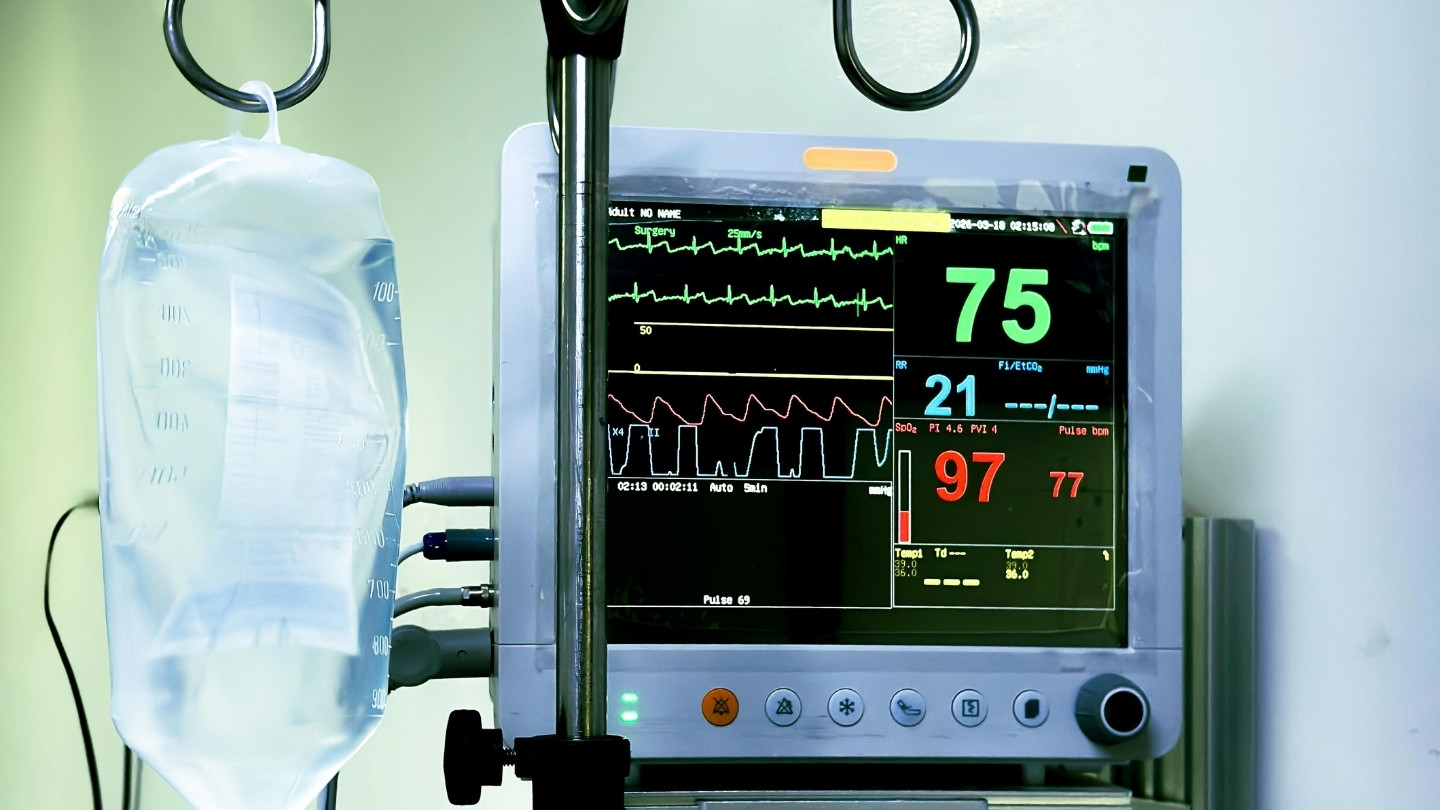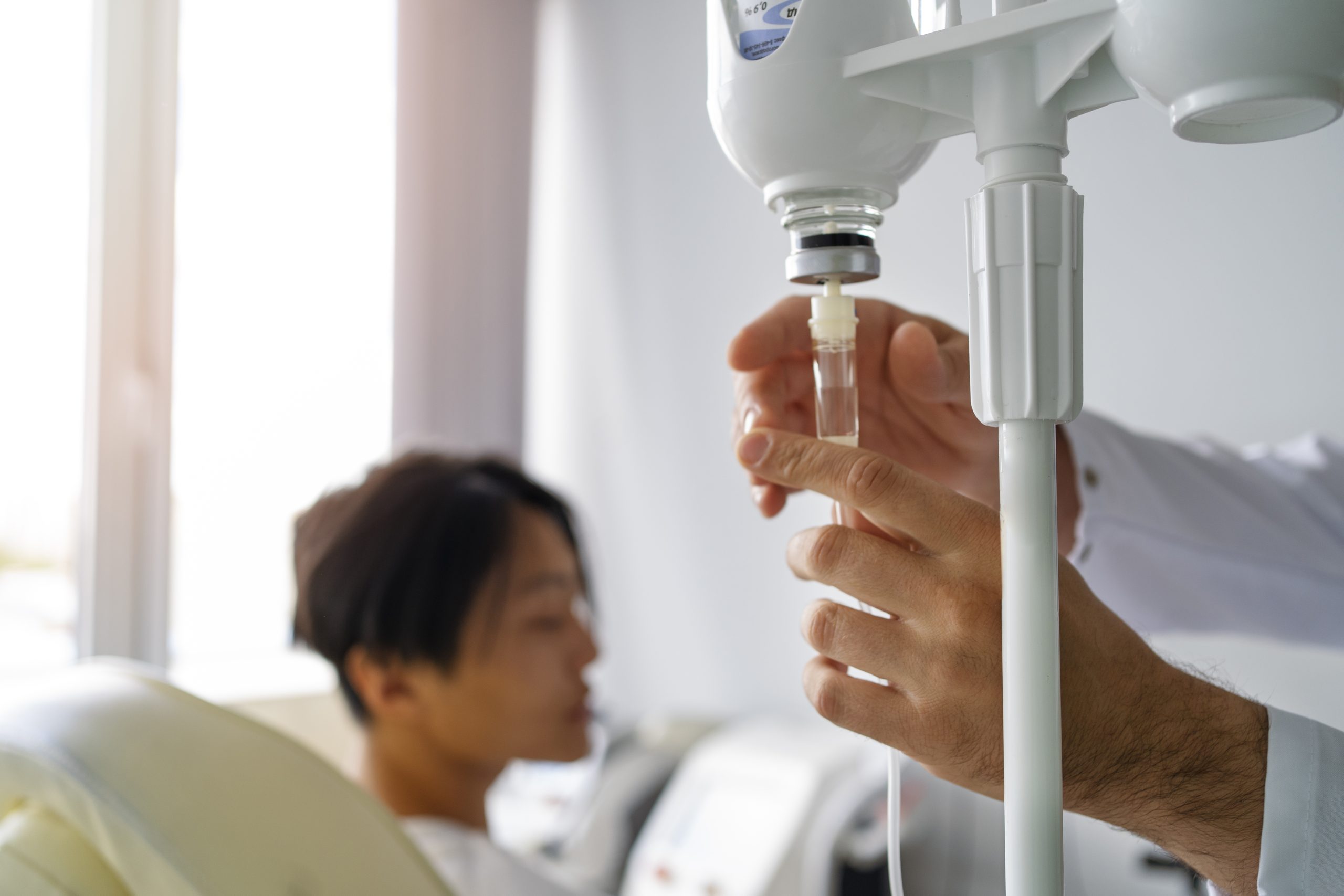

Infusion therapy is an essential part of modern healthcare. Hospitals, outpatient clinics, specialty treatment centers, and other healthcare facilities rely on infusion systems to deliver medications, fluids, nutrients, blood products, and other therapies directly into a patient’s bloodstream or tissues. Because many of these treatments require precise doses and carefully controlled delivery rates, the equipment used during infusion therapy plays a critical role in patient safety.
A seemingly small variation in flow rate, an unnoticed occlusion, an incorrect setting, or an equipment malfunction can potentially affect the effectiveness of treatment and expose patients to unnecessary risks. For this reason, selecting dependable infusion therapy equipment is about much more than purchasing pumps and accessories. Healthcare providers must consider accuracy, alarm systems, usability, maintenance, compatibility, staff training, and the overall reliability of the equipment throughout its service life.
Modern infusion therapy equipment is designed to help clinicians administer treatments with greater control and consistency. Infusion pumps can regulate delivery rates, detect certain problems, and alert healthcare professionals when intervention may be required. Other equipment, including infusion sets, connectors, syringes, poles, and related accessories, also contributes to creating a safe and dependable infusion environment.
Technology alone does not guarantee safety. The quality of the equipment, how appropriately it is selected, how well it is maintained, and how confidently healthcare professionals can operate it all matter. A sophisticated infusion pump that is poorly maintained or difficult for staff to use may not provide the safety benefits expected from it.
Understanding the connection between equipment and patient safety can therefore help hospitals make better purchasing decisions. By evaluating infusion therapy equipment suppliers based on quality, reliability, technical support, product compatibility, and long-term service, healthcare facilities can build safer infusion workflows while supporting efficient clinical care.
This article examines how infusion therapy equipment impacts patient safety, the technologies that support safer treatment delivery, common risks associated with infusion equipment, and the factors hospitals should consider when choosing dependable infusion solutions.
Key Takeaways
- Accurate delivery matters: Reliable infusion pumps help clinicians control medication and fluid delivery according to prescribed parameters.
- Safety features provide additional protection: Occlusion detection, air-in-line detection, dose limits, alarms, and other features can help identify problems before they become more serious.
- Equipment quality affects clinical reliability: Durable, properly designed equipment can support consistent performance in demanding healthcare environments.
- Maintenance is essential: Regular inspection, calibration, cleaning, preventive maintenance, and timely repairs help equipment perform as intended.
- Usability contributes to safety: Equipment should be intuitive enough for trained clinicians to operate correctly and consistently.
- Compatibility matters: Pumps, administration sets, tubing, connectors, syringes, and other components need to be appropriate for the intended application.
- Training remains critical: Even advanced equipment depends on properly trained healthcare professionals who understand its operation and limitations.
- Supplier support can make a difference: A dependable supplier can provide product guidance, technical assistance, replacement components, and service support when needed.
- The right equipment supports both safety and workflow: Reliable infusion solutions can help clinicians deliver therapy consistently while reducing avoidable interruptions.
Why Infusion Therapy Equipment Is So Important To Patient Safety
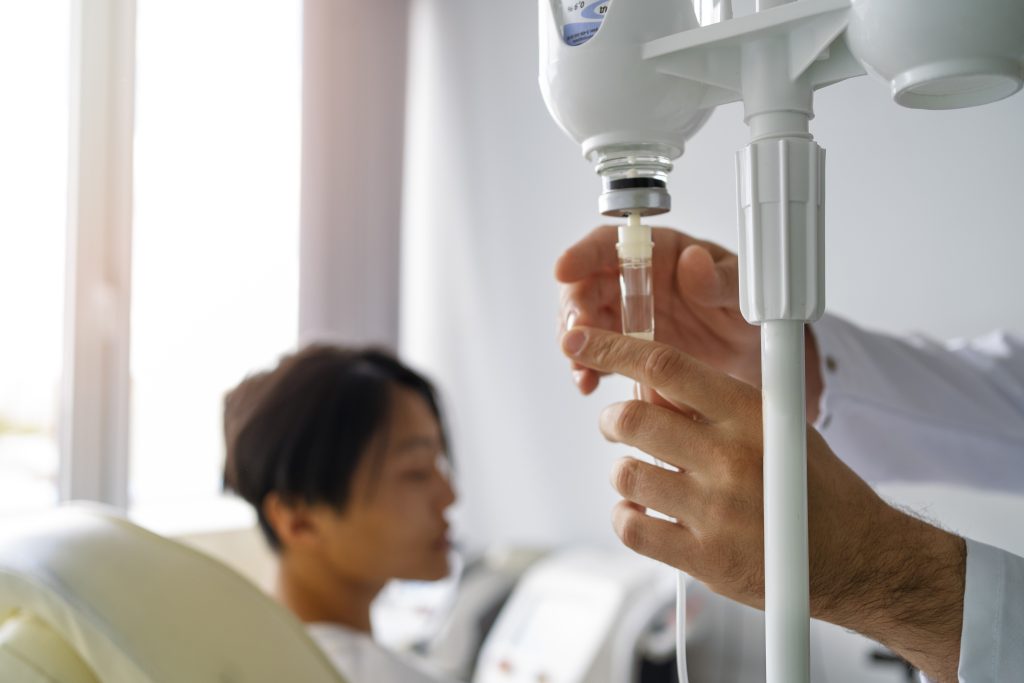
Infusion therapy often involves treatments where precision is essential. A patient may require medication at a specific rate, a controlled volume of fluids over a defined period, or a highly regulated dose of a medication that has a narrow therapeutic range.
Unlike manually controlled gravity infusion, electronic infusion pumps can provide a more controlled method of delivering fluids and medications. Depending on the type of pump, clinicians may be able to program a specific infusion rate, volume, dose, or duration. This level of control can be particularly important in situations where even relatively small changes in administration can have clinical consequences.
Infusion equipment also creates another layer of monitoring between the prescribed treatment and its delivery. Many modern systems include alarms and sensors intended to notify clinicians about conditions such as downstream occlusions, upstream problems, air in the line, low battery levels, or completion of an infusion.
How Infusion Pumps Help Control Medication And Fluid Delivery
Infusion pumps are among the most important components of infusion therapy equipment because they provide controlled delivery of fluids and medications. Different pump technologies are designed for different applications. Common categories include volumetric infusion pumps, syringe pumps, ambulatory pumps, and specialized systems designed for particular clinical environments.
A volumetric pump typically uses a programmed mechanism to deliver a controlled amount of fluid through compatible administration tubing. Syringe pumps use a motor-driven mechanism to push the plunger of a syringe at a controlled rate.
The appropriate equipment depends on factors such as:
- The type of medication or fluid being administered
- Required flow rate
- Treatment duration
- Patient population
- Clinical environment
- Required precision
- Volume being delivered
- Compatibility with administration sets and accessories
Using an appropriately selected pump can help clinicians achieve more consistent delivery than methods that rely entirely on manual adjustment. For medications requiring controlled administration, this precision can be particularly valuable. A pump can help maintain the programmed rate over time while giving healthcare professionals information about the ongoing infusion.
The Role Of Occlusion Detection
An occlusion occurs when something interferes with the intended flow of fluid through the infusion system. This can result from a kinked tube, closed clamp, blocked catheter, improperly positioned component, or another obstruction. If an occlusion is not recognized, pressure can build within the infusion system. Depending on the therapy and circumstances, delayed delivery or an unintended release of accumulated medication may create safety concerns.
Many infusion pumps therefore incorporate occlusion detection and alarm systems. When the system identifies pressure or flow conditions associated with an obstruction, it can alert the clinician. This allows staff to investigate the infusion line, identify the cause, and take appropriate corrective action. Occlusion detection is an excellent example of how infusion therapy equipment can function as a safety support rather than merely a delivery mechanism.
Air-In-Line Detection And Patient Protection
Air entering an infusion line can present a serious concern, particularly in intravenous therapy. Modern infusion systems may include air-in-line detection designed to identify air bubbles within the tubing and trigger an alarm when predetermined conditions are met.
This technology can help clinicians respond to potential problems before continuing the infusion. Air detection is only one part of safe infusion practice. Proper priming, tubing preparation, line inspection, and adherence to clinical procedures remain essential. The combination of appropriate equipment and appropriate clinical practice provides a stronger safety framework than either approach alone.
Dose Error Reduction And Smart Infusion Technology
One of the most significant developments in infusion technology is the use of systems designed to support dose error reduction. Some advanced infusion pumps can incorporate medication libraries containing predefined drug information and dosing parameters. Depending on the system and configuration, these libraries may include limits intended to alert clinicians when a programmed dose or infusion rate falls outside established parameters.
Such systems can provide an additional layer of protection against certain programming errors. If a clinician enters a rate that exceeds a configured limit, the system may generate an alert. The clinician can then verify the medication, patient, concentration, dose, and other relevant information before proceeding.
These technologies can be especially valuable in environments where numerous medications are administered, and dosing requirements vary significantly. Importantly, these systems should be viewed as safety tools rather than substitutes for medication verification and professional judgment.
Why Alarm Systems Matter
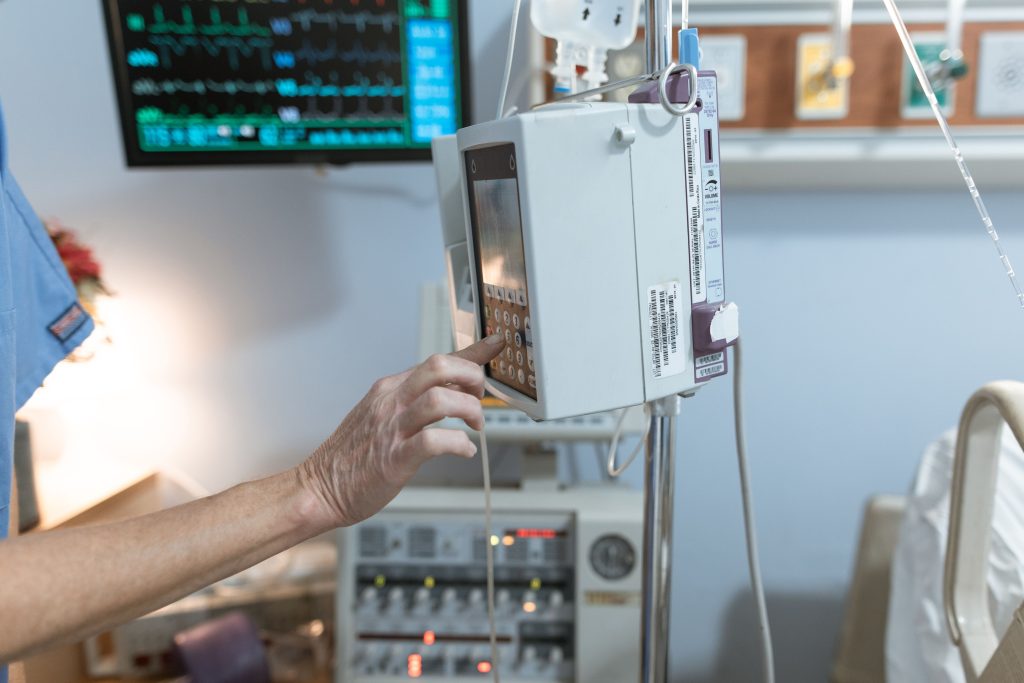
Infusion pumps may generate alarms for various conditions, depending on the device and its features. These can include:
- Occlusions
- Air detected in the line
- Low battery
- Infusion completion
- Door or loading problems
- Upstream flow issues
- Programming concerns
- Other device-specific conditions
Alarms help draw attention to circumstances requiring assessment. An effective alarm system must be designed and managed carefully.
Too many unnecessary alarms can contribute to alarm fatigue, in which clinicians become desensitized to frequent alerts. Equipment selection should therefore consider not only whether alarms exist, but also whether the alarm system is appropriate, understandable, and manageable in the intended clinical environment.
Healthcare organizations should establish procedures for responding to alarms and train staff to recognize the difference between various alert conditions.
Equipment Accuracy And Clinical Consistency
A pump that does not perform within its intended specifications may fail to deliver therapy as expected. Even if a device appears to be functioning normally, performance can be affected by factors such as wear, improper maintenance, incompatible components, environmental conditions, or equipment age. This is why hospitals should consider more than a device’s purchase price when evaluating infusion equipment.
They should also consider how the equipment performs over time, what maintenance is required, how accuracy is verified, and how easily the device can be serviced. Preventive maintenance and appropriate testing can help healthcare facilities identify potential problems before equipment is needed for critical patient care.
The Importance Of Equipment Compatibility
Infusion systems are rarely used as isolated devices. They typically work alongside administration sets, tubing, syringes, connectors, catheters, medication containers, and other components. Using an inappropriate accessory can potentially affect flow characteristics, pump performance, connections, or alarm behavior. Healthcare facilities should follow manufacturer requirements and established clinical protocols when selecting compatible components.
Merit Pharmaceutical can help healthcare facilities evaluate infusion therapy equipment compatibility and intended applications. This is particularly important for hospitals managing multiple pump models or infusion technologies. Standardization, where appropriate, can simplify staff training, equipment management, and accessory selection.
How Equipment Design Influences Human Error
Healthcare professionals often work in environments where they must manage multiple patients, medications, alarms, documentation requirements, and time-sensitive tasks. Equipment that is confusing or unnecessarily complicated can increase the opportunity for mistakes.
User-friendly infusion equipment can help clinicians navigate programming and operation more consistently. Clear displays, logical controls, understandable alarms, secure tubing mechanisms, and straightforward programming procedures can all contribute to safer use.
Hospitals should therefore evaluate equipment from the perspective of the people who will actually use it. A practical evaluation may include questions such as:
- Is the interface easy to understand?
- Can clinicians quickly identify the current infusion status?
- Are alarms clear and distinguishable?
- Is programming straightforward?
- Does the device provide useful information without unnecessary complexity?
- Can staff receive appropriate training?
- Are routine procedures easy to perform correctly?
The answers can help healthcare organizations select equipment that fits real clinical workflows rather than simply choosing equipment based on specifications alone.
Training Is A Critical Part Of Equipment Safety

Healthcare professionals need appropriate training before operating infusion equipment. Training should cover routine operation as well as the response to alarms, troubleshooting procedures, cleaning requirements, battery management, and other relevant considerations. Training becomes particularly important when a hospital introduces new equipment or replaces an existing pump system.
Standardized training can help staff become familiar with the same equipment functions and procedures. Competency assessments may also be appropriate depending on the organization’s policies and the equipment being used. Merit Pharmaceutical can support this process with product information, demonstrations, training resources, and technical assistance, where available.
Preventive Maintenance And Equipment Reliability
A pump may be used repeatedly throughout the day, sometimes in demanding clinical environments. Over time, components can experience wear, and devices may require inspection, calibration, software updates, battery replacement, or other maintenance. Preventive maintenance helps healthcare organizations identify potential issues before they become unexpected failures.
A strong equipment management program may include:
- Routine inspections
- Performance testing
- Calibration when applicable
- Battery checks
- Cleaning and disinfection according to manufacturer instructions
- Software or firmware updates when appropriate
- Replacement of worn components
- Documentation of maintenance activities
- Prompt removal of malfunctioning equipment from service
Hospitals should maintain records that allow them to track equipment condition and service history.
Battery Performance And Infusion Continuity
Battery performance can be particularly important for portable infusion equipment and situations where patients may be transported. A pump that loses power unexpectedly can interrupt therapy. The consequences depend on the medication or fluid being administered and the clinical circumstances.
Healthcare facilities should understand expected battery life, charging requirements, replacement schedules, and battery-related alarms for their equipment. Routine battery checks and appropriate charging procedures can help reduce the likelihood of unexpected interruptions. For equipment used during patient transport, hospitals should also consider whether the pump is suitable for mobility and whether it can remain securely positioned throughout the transfer.
Infection Prevention And Equipment Selection
Infection prevention is another important consideration when evaluating infusion equipment. Surfaces and components associated with infusion therapy may require regular cleaning and disinfection. Equipment should therefore be compatible with the facility’s cleaning protocols and manufacturer-approved procedures.
Poorly maintained equipment can create additional infection-control challenges. Hospitals should evaluate whether equipment has designs that facilitate appropriate cleaning and whether disposable components are used as required. The selection of appropriate connectors, administration sets, and other accessories also contributes to safe infection-control practices.
The Role Of Equipment Suppliers In Patient Safety
Hospitals do not purchase infusion therapy equipment in isolation. The supplier behind the equipment can influence the quality of the overall purchasing and support experience. A supplier with strong technical knowledge can help healthcare facilities evaluate products according to their intended applications rather than simply recommending the most expensive or feature-rich option.
Important supplier considerations include:
- Product Knowledge: A knowledgeable supplier should understand the differences between infusion pump types, accessories, applications, and available safety features.
- Equipment Quality: Suppliers should provide equipment from reputable manufacturers and clearly communicate relevant product specifications, intended uses, and maintenance requirements.
- Technical Support: When equipment problems arise, timely technical support can help minimize disruption and support an appropriate resolution.
- Replacement Parts and Accessories: Hospitals need dependable access to compatible accessories and replacement components throughout the equipment’s useful life.
- Training and Education: Supplier-provided training can help clinical and biomedical staff understand equipment operation and maintenance.
- Long-Term Availability: Healthcare organizations should consider whether the supplier can continue supporting the equipment after the initial purchase. Choosing an equipment supplier should therefore be viewed as a long-term relationship rather than a one-time transaction.
How Hospitals Can Evaluate Infusion Therapy Equipment
Before purchasing infusion equipment, hospitals can establish a structured evaluation process. The first step is identifying the facility’s clinical requirements. Different departments may need different types of pumps and accessories. A critical care unit, oncology department, pediatric ward, operating room, and outpatient infusion center may have different requirements.
Next, hospitals can compare equipment based on:
- Accuracy and Performance: Does the equipment provide the required level of delivery control?
- Safety Features: Does it include appropriate alarms, detection systems, and dose-related safeguards?
- Usability: Can trained staff operate it efficiently?
- Compatibility: Does it work with the required administration sets, syringes, tubing, and other components?
- Maintenance: What routine service does it require?
- Durability: Is it designed for the demands of the intended environment?
- Training: What resources are available for clinical and technical staff?
- Technical Support: How will problems be addressed?
- Total Cost of Ownership: What will the facility spend on accessories, maintenance, repairs, training, and replacement over time?
This broader evaluation can provide a much clearer picture of value than comparing purchase prices alone.
Balancing Patient Safety With Workflow Efficiency
Patient safety and operational efficiency should not be treated as competing objectives. Well-designed infusion equipment can support both. When equipment is reliable and intuitive, clinicians may spend less time troubleshooting avoidable problems and more time providing patient care. Standardized equipment can also simplify training and reduce the number of different interfaces staff need to learn.
Equipment that communicates infusion status clearly can help clinicians monitor treatments efficiently. Hospitals should avoid selecting equipment solely because it offers the fastest workflow. Safety features, accuracy, reliability, and clinical suitability must remain central considerations. The best infusion solution is one that supports efficient work without compromising safe practice.
Why Standardization Can Improve Safety
Hospitals may operate numerous infusion devices across different departments. Excessive variation in equipment can increase training demands and create opportunities for confusion.
Where clinically appropriate, standardizing equipment models can help staff become familiar with consistent interfaces, alarms, programming processes, and troubleshooting procedures.
Standardization may also simplify:
- Staff training
- Equipment maintenance
- Inventory management
- Accessory purchasing
- Troubleshooting
- Preventive maintenance
- Equipment replacement planning
Standardization should not mean using one device for every clinical situation. Different applications may require different technologies. A thoughtful equipment strategy balances standardization with the specific needs of each department.
Considering The Total Cost Of Ownership
A low initial purchase price does not necessarily represent the best value. Hospitals should consider the complete cost of operating infusion equipment throughout its service life. Expenses may include accessories, disposable components, maintenance, calibration, battery replacement, repairs, software support, training, and eventual equipment replacement.
Reliable equipment may provide better long-term value if it reduces unexpected downtime and supports consistent clinical performance. When comparing suppliers, healthcare organizations should therefore ask for information about ongoing service requirements rather than evaluating equipment only on its initial price.
How Reliable Suppliers Support Better Purchasing Decisions
A trustworthy infusion therapy equipment supplier should approach purchasing as a clinical and operational decision. Rather than simply providing a product catalog, a knowledgeable supplier can help hospitals determine which equipment aligns with their needs.
This may involve discussing:
- Clinical applications
- Patient populations
- Desired delivery rates
- Safety requirements
- Existing equipment
- Compatibility
- Maintenance capabilities
- Staff training
- Budget considerations
- Future expansion
This consultative approach can help healthcare organizations avoid purchasing equipment that is unsuitable for their workflows. It can also help facilities develop a more consistent and sustainable infusion equipment strategy.
Questions To Ask Before Purchasing Infusion Equipment
Hospitals considering new equipment should ask suppliers practical questions before committing to a purchase.
- How is the equipment intended to be used?
- What safety features are included?
- Which administration sets and accessories are compatible?
- What maintenance is required?
- How is device performance verified?
- What training is provided?
- How quickly is technical support available?
- Are replacement parts readily available?
- What is the expected service life?
- How are software updates handled?
- What documentation accompanies the equipment?
- What ongoing costs should the hospital expect?
These questions can reveal differences between suppliers that may not be obvious from a product specification sheet.
Building A Safer Infusion Environment
Patient safety ultimately depends on a system rather than a single piece of equipment. That system includes qualified healthcare professionals, appropriate clinical procedures, medication verification, reliable equipment, compatible accessories, preventive maintenance, training, infection-control practices, and responsive technical support.
Infusion equipment is an important part of that system. When hospitals invest in high-quality equipment and establish clear procedures for its use, they create additional safeguards around medication and fluid delivery. When equipment is poorly selected, improperly maintained, or inadequately supported, those safeguards can be weakened.
This is why equipment purchasing should involve collaboration between clinical teams, biomedical engineering personnel, infection-control professionals, procurement departments, and other relevant stakeholders.
The Future Of Infusion Therapy Technology
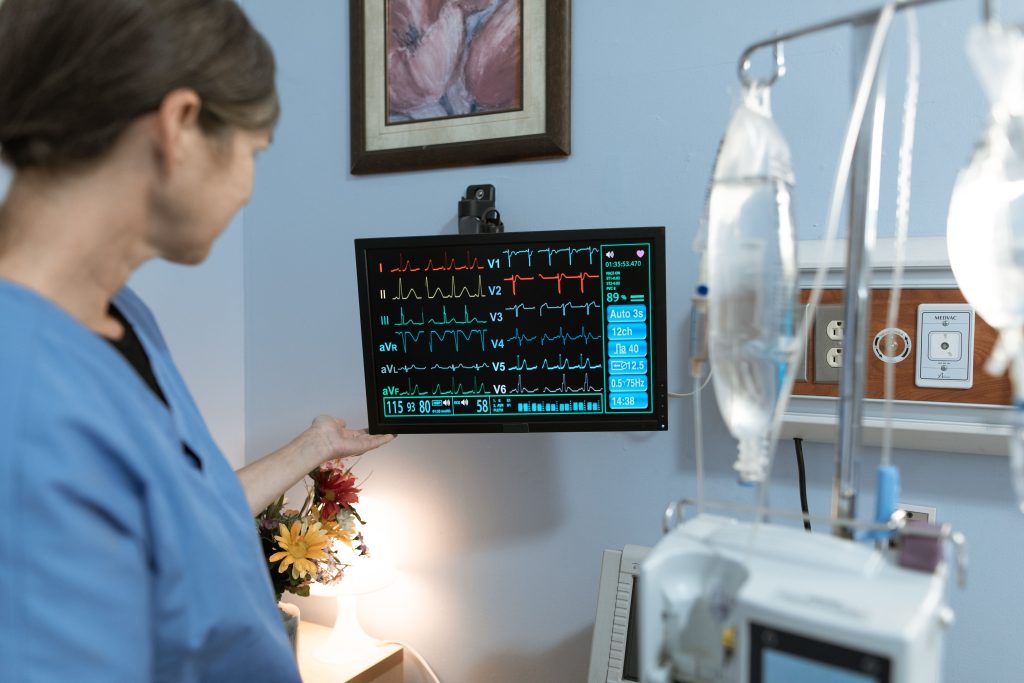
Infusion technology continues to evolve as healthcare organizations seek greater precision, connectivity, automation, and safety. Future developments may increasingly focus on interoperability, data integration, remote monitoring, improved user interfaces, advanced analytics, and enhanced medication safety systems. Connected infusion systems can potentially contribute to more comprehensive medication-management workflows by allowing information to move between infusion devices and other hospital systems.
Greater technological sophistication also creates new considerations, including cybersecurity, software management, interoperability, staff training, and system integration. Healthcare organizations will therefore need to evaluate new technology not only according to what it can do, but also according to how safely and reliably it can operate within the broader clinical environment.
Conclusion
Infusion therapy equipment has a direct and important relationship with patient safety. Pumps and related infusion technologies help healthcare professionals deliver medications and fluids at controlled rates, while features such as occlusion detection, air-in-line detection, alarms, and dose-related safeguards can provide additional layers of protection.
Hospitals must consider the quality, accuracy, compatibility, usability, maintenance requirements, and reliability of every infusion solution they purchase. Staff must also receive appropriate training, equipment must be maintained according to established procedures, and accessories must be compatible with the intended system.
The supplier is an important part of this equation. A dependable infusion therapy equipment supplier should provide more than products. The right supplier can offer technical knowledge, product guidance, training resources, replacement components, and ongoing support that help healthcare organizations maintain reliable infusion operations.
Ultimately, choosing infusion therapy equipment is an investment in both clinical performance and patient safety. By evaluating equipment based on its complete safety profile, long-term reliability, and suitability for real-world workflows, hospitals can make informed purchasing decisions and build a stronger foundation for dependable infusion therapy.
Frequently Asked Questions
1. How Does Infusion Therapy Equipment Improve Patient Safety?
Infusion therapy equipment can improve patient safety by providing controlled medication and fluid delivery and by incorporating features such as occlusion detection, air-in-line detection, alarms, and dose-related safeguards. These technologies can help clinicians identify certain problems and intervene when necessary.
2. What Safety Features Should Hospitals Look For In Infusion Pumps?
Hospitals should evaluate safety features based on their specific clinical applications. Depending on the equipment, important features may include occlusion detection, air-in-line detection, audible and visual alarms, dose error reduction capabilities, battery monitoring, secure tubing mechanisms, and clear programming interfaces.
3. Why Is Regular Maintenance Important For Infusion Equipment?
Regular maintenance helps ensure that infusion equipment continues to operate according to its intended specifications. Inspections, performance testing, calibration when applicable, battery checks, cleaning, software updates, and timely replacement of worn components can help identify problems before they affect patient care.
4. Does Infusion Equipment Eliminate Medication Errors?
No. Infusion equipment can provide important safeguards, but it cannot eliminate all medication errors. Safe infusion therapy also requires accurate prescribing, medication verification, correct patient identification, proper programming, compatible equipment, trained healthcare professionals, and appropriate clinical procedures.
5. What Should Hospitals Consider When Choosing An Infusion Therapy Equipment Supplier?
Hospitals should evaluate a supplier’s product quality, technical expertise, equipment compatibility, training resources, maintenance support, availability of replacement components, responsiveness, and long-term service capabilities. It is also important to consider the total cost of ownership rather than focusing exclusively on the initial purchase price.