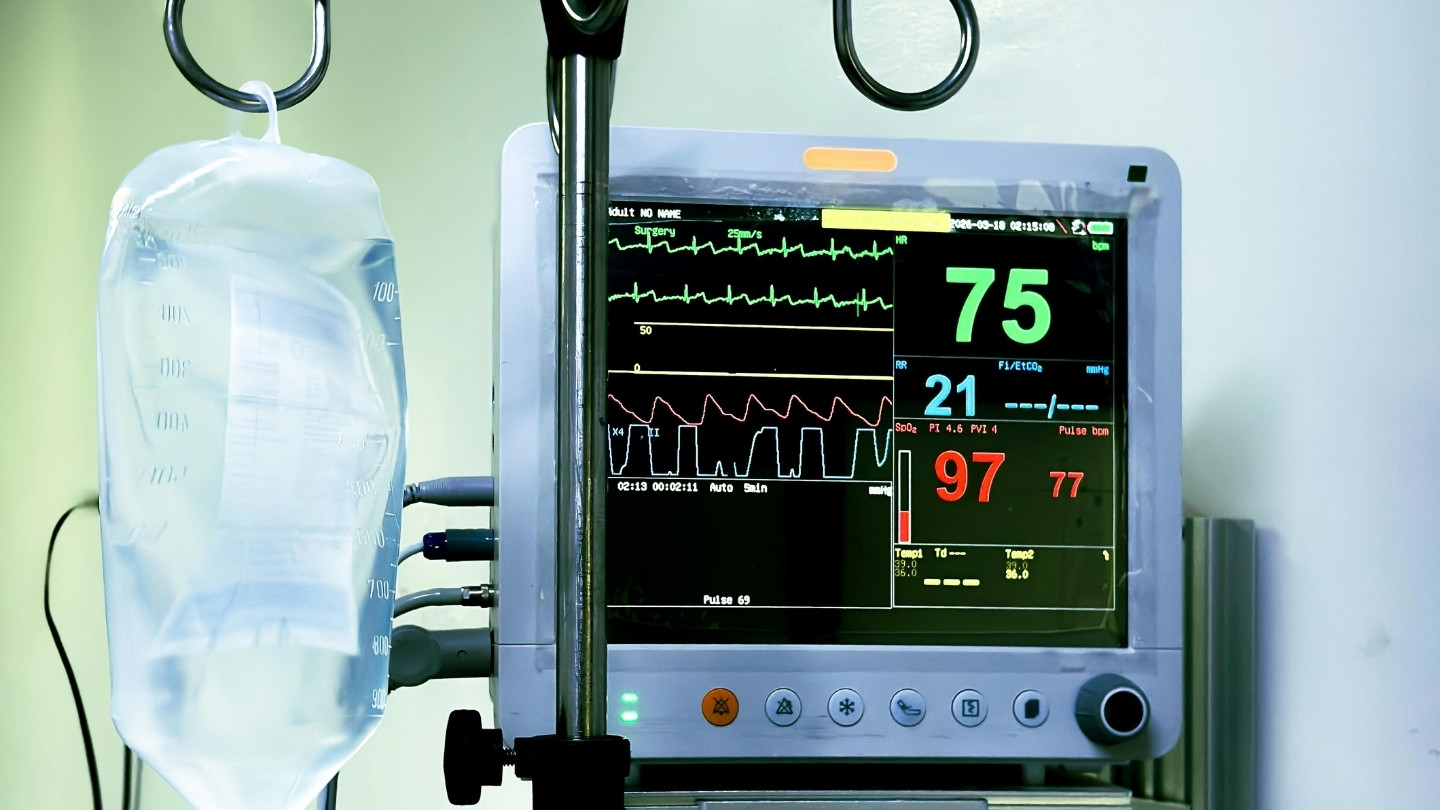

Infusion therapy plays an essential role in modern hospital care. From antibiotics and chemotherapy to fluids, nutrition, pain medications, and other critical therapies, infusion equipment enables clinicians to deliver treatment at controlled and consistent rates. Because these devices are used in intensive care units, emergency departments, operating rooms, oncology departments, medical-surgical floors, and outpatient infusion centers, choosing the right infusion therapy equipment involves much more than comparing prices.
Hospitals need suppliers that understand the clinical demands surrounding infusion therapy and can provide dependable solutions over the long term. A supplier may offer infusion pumps, syringe pumps, volumetric pumps, administration sets, and related accessories, but the quality of its support can be just as important as the equipment itself. Product availability, technical assistance, training, regulatory documentation, maintenance, and responsiveness can all influence how effectively a hospital uses its infusion technology.
The stakes are particularly high because infusion therapy often involves medications and fluids that must be delivered at carefully controlled rates. Equipment problems, inappropriate device selection, inadequate training, or supply interruptions can create unnecessary risks and operational challenges. Hospitals should therefore evaluate suppliers according to a combination of product quality, safety, expertise, reliability, service, compatibility, and total cost of ownership.
The right infusion therapy equipment supplier should be more than a company that delivers equipment. Ideally, the supplier serves as a dependable resource that helps the hospital select appropriate technology, implement it correctly, maintain it effectively, and keep essential equipment and supplies available when needed.
Key Takeaways
- Hospitals should evaluate infusion therapy equipment suppliers based on quality, safety, reliability, support, compatibility, and total cost of ownership, rather than purchase price alone.
- Suppliers should provide equipment suited to different clinical applications, including volumetric infusion pumps, syringe pumps, specialty solutions, and compatible accessories.
- Equipment should include appropriate safety capabilities, clear operating instructions, and documentation that supports proper clinical use.
- Strong suppliers provide technical support, training, troubleshooting assistance, maintenance guidance, and responsive customer service.
- Hospitals should verify that products meet applicable regulatory, quality, and safety requirements for their intended markets and applications.
- Reliable inventory and supply-chain capabilities are essential because hospitals need consistent access to equipment, accessories, and consumables.
- Compatibility with existing equipment, accessories, infrastructure, information systems, and workflows should be evaluated before purchase.
- Supplier experience, reputation, warranty terms, service capabilities, and product lifecycle support can help determine long-term value.
- A strong supplier relationship can support safer workflows, more efficient equipment management, and better long-term investment decisions.
Why Choosing The Right Infusion Therapy Equipment Supplier Matters

Hospitals operate in environments where equipment reliability can directly affect clinical workflows. Infusion therapy is especially important because infusion devices may operate continuously throughout the day and night and may be used across multiple departments.
A nurse may need to program an infusion pump, monitor a patient’s response, replace an administration set, respond to an alarm, or transition between therapies. In a busy hospital, equipment that is difficult to operate or troubleshoot can consume valuable staff time. When technical assistance or replacement components are difficult to obtain, the resulting disruption can extend beyond the device itself.
For this reason, hospitals should evaluate more than a supplier’s product catalog. They should determine whether the supplier understands how infusion equipment functions in real clinical environments and whether it can translate technical specifications into practical recommendations.
Merit Pharmaceutical can help to explain which equipment is appropriate for different applications, what accessories are required, what limitations should be considered, and how the technology may fit into existing workflows. This type of guidance can help hospitals avoid purchasing equipment that looks suitable on paper but creates difficulties during implementation.
Evaluate The Quality Of Infusion Therapy Equipment
Product quality should be one of the first considerations when evaluating an infusion therapy equipment supplier. Hospitals need equipment designed for demanding healthcare environments and intended to provide consistent performance during routine clinical use.
Quality involves more than appearance or brand recognition. Hospitals should consider construction, durability, performance consistency, usability, alarm functionality, programming controls, battery performance, maintenance requirements, and suitability for the intended application.
Suppliers should provide access to relevant technical documentation, specifications, instructions for use, and information about compatible accessories and consumables. Clear documentation allows procurement teams, clinical users, and biomedical engineering personnel to evaluate the equipment more effectively.
Hospitals should also recognize that infusion equipment requirements can vary by department. Intensive care, oncology, pediatrics, emergency medicine, outpatient infusion, and general medical-surgical care may involve different patient populations, treatment protocols, and workflow requirements. An experienced supplier should help stakeholders understand these differences instead of treating every application as identical.
Look For Strong Safety Features
Safety should remain central to every infusion equipment purchasing decision. Infusion devices control the delivery of fluids and medications, so hospitals need technology with safeguards appropriate to their intended use. Depending on the device and application, these may include occlusion detection, air-in-line detection, configurable alarms, dose or rate limits, anti-free-flow mechanisms, drug libraries, event logs, and battery monitoring.
Hospitals should not select equipment simply because it has the longest list of features. The more important question is whether the available safety capabilities address the hospital’s actual clinical requirements and whether staff can use those functions correctly.
Suppliers should be able to explain how safety features operate and what training is necessary. Advanced technology does not automatically improve safety if users do not understand programming procedures, alarm conditions, or device limitations.
Verify Regulatory And Quality Compliance
Healthcare organizations should verify the regulatory status and quality credentials of infusion therapy equipment before making a purchase. Requirements vary according to the country, product category, intended use, and applicable regulations. Hospitals should confirm that equipment has the appropriate authorization, registration, certification, or other required compliance status for the market in which it will be used.
Suppliers should be able to provide relevant documentation and explain the manufacturer’s quality management processes, device classification, labeling requirements, and applicable standards where appropriate. Transparent documentation can support procurement reviews and internal compliance procedures. Hospitals should be cautious when suppliers are unable or unwilling to provide clear information about regulatory status, product documentation, or quality requirements.
Consider The Supplier’s Infusion Equipment Expertise
A supplier’s knowledge can be just as valuable as its inventory. Infusion therapy equipment encompasses multiple technologies and accessories designed for different applications. Hospitals may need volumetric infusion pumps for controlled delivery of larger fluid volumes, syringe pumps for precise delivery from syringes, specialty pumps for specific clinical applications, and compatible administration sets and accessories.
Hospitals should consider the supplier’s experience with infusion technology, the types of healthcare facilities it serves, its understanding of different pump technologies, and its ability to explain required accessories and implementation considerations. The supplier should also be capable of providing technical documentation, training, and troubleshooting assistance when needed. These capabilities can help distinguish a supplier with genuine infusion equipment expertise from one that simply offers products for sale.
Examine The Range Of Equipment Available
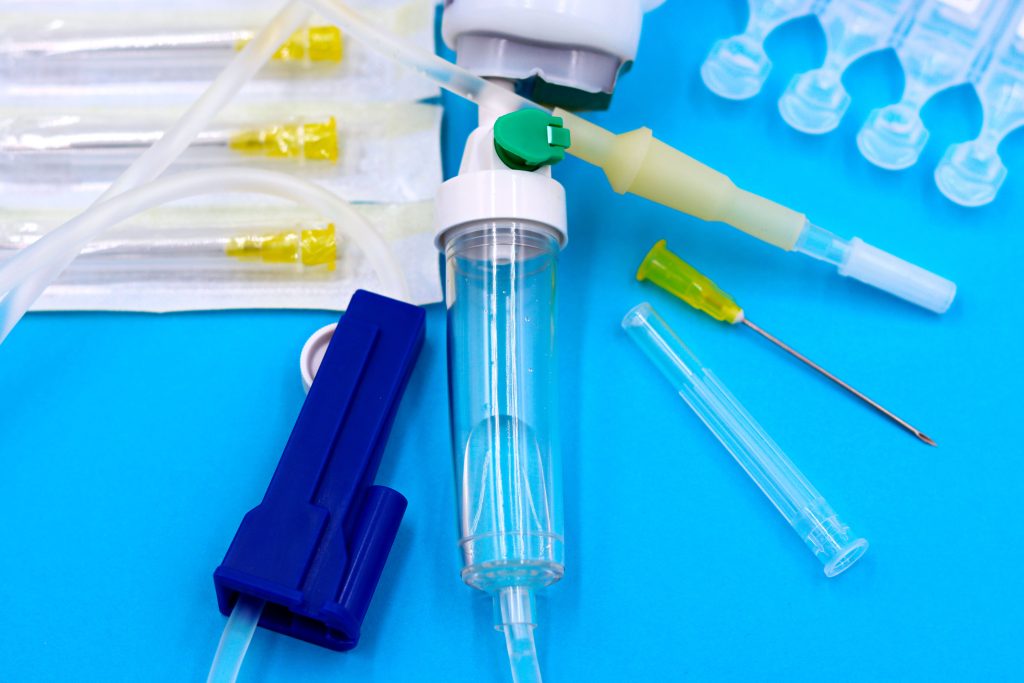
Hospitals can benefit from suppliers that offer a broad but relevant range of infusion solutions. The goal is not necessarily to choose the company with the largest catalog. What matters is whether the available equipment matches the hospital’s clinical requirements and can be supported over time.
Volumetric Infusion Systems
Volumetric pumps are commonly used when healthcare professionals need controlled delivery of fluids or medications over a specified period. They can support a variety of inpatient and clinical applications where controlled flow is important.
Syringe Pumps
Syringe pumps are designed to deliver relatively small volumes with precise control. They can be useful when medication administration requires controlled delivery from a syringe, particularly in situations where accurate low-volume delivery is important.
Accessories And Administration Sets
Infusion equipment depends on compatible accessories and consumables. Tubing, administration sets, connectors, syringes, filters, extension sets, and other components can be essential to the complete infusion system.
Hospitals should therefore determine whether the supplier can provide these products consistently and whether they are compatible with the selected equipment.
Specialty Infusion Solutions
Some hospitals may require specialty infusion equipment based on their departments, patient populations, or treatment protocols. A supplier with experience across multiple clinical applications may be better positioned to identify appropriate options without forcing every department into the same equipment configuration.
Assess Equipment Compatibility
Compatibility is an important consideration that can easily be overlooked during equipment purchasing. Hospitals may already use infusion pumps, pole-mounted systems, docking stations, administration sets, electronic medical record integrations, medication libraries, charging systems, and other technologies. Introducing new equipment without evaluating these existing systems can create unnecessary complexity.
Before purchasing, hospitals should determine whether proposed equipment can work with existing accessories and infrastructure. They should also evaluate whether proprietary consumables are required, whether charging or docking systems are compatible, and whether the equipment can integrate with relevant clinical information systems.
Programming interfaces and medication libraries should also be considered. Introducing equipment with substantially different controls may increase the training burden for staff. A supplier that evaluates these factors before purchase can help hospitals avoid compatibility problems after implementation.
Prioritize Ease Of Use And Clinical Workflow
Infusion equipment should support clinical workflows rather than unnecessarily complicate them. Healthcare professionals often operate under significant time pressure. A pump with a confusing interface, difficult programming sequence, unclear alarms, or inconsistent controls can require additional time and increase the learning burden for users.
Hospitals should therefore evaluate usability alongside technical performance. Demonstrations, hands-on trials, and staff feedback can provide valuable information that may not be apparent from product specifications.
Nurses, pharmacists, biomedical engineers, infection prevention professionals, and other stakeholders may have different perspectives on usability. Including these groups in the evaluation process can help hospitals choose equipment that is practical for both clinical users and technical support teams.
Ask About Training And Education
Even high-quality infusion equipment requires appropriate training. Before purchasing, hospitals should determine what training the supplier provides and whether it covers programming, alarm management, safety functions, cleaning procedures, basic troubleshooting, battery management, accessory use, and other relevant operating considerations.
Procurement teams should also clarify whether training is included, how many employees can participate, whether refresher sessions are available, and what educational materials are provided.
Training becomes especially important when a hospital introduces new technology or replaces equipment from another manufacturer. A supplier that provides meaningful education recognizes that successful implementation depends on both equipment and competent users.
Evaluate Technical Support And Troubleshooting
Technical support becomes particularly important when equipment does not perform as expected. Hospitals should understand how support requests are handled, who provides assistance, and how quickly help can be obtained. Depending on the supplier, support may include telephone assistance, email support, online resources, troubleshooting guidance, on-site service, replacement components, and escalation procedures.
Hospitals should establish these expectations before purchasing. They should know whether assistance is available during relevant operating hours, whether emergency support exists, whether trained technicians can provide on-site service, and how replacement equipment or parts are handled when a device is unavailable. A clear support process can reduce uncertainty when equipment problems arise and help clinical teams return affected devices to service more efficiently.
Examine Maintenance And Service Capabilities
Infusion equipment requires appropriate maintenance and inspection throughout its useful life. Hospitals should understand how the supplier supports preventive maintenance, calibration where applicable, repairs, software updates, battery replacement, and equipment inspections. Biomedical engineering departments may also require access to service documentation and technical resources.
The supplier should clearly explain which maintenance activities the hospital can perform internally and which require authorized service personnel. Understanding these responsibilities before purchase allows hospitals to plan staffing, budgets, service schedules, and equipment management procedures more effectively.
Review Warranty Terms Carefully

Warranty coverage can significantly affect the long-term value of infusion therapy equipment. Hospitals should review the warranty period, covered components, exclusions, repair procedures, shipping responsibilities, and service conditions. They should also understand what support and costs may apply once the warranty expires.
A lower-priced device can become more expensive over time if repairs are frequent, replacement components are difficult to obtain, or service costs are substantial. Conversely, equipment with a higher initial price may provide stronger value when it offers durability, reliable parts availability, effective service, and appropriate lifecycle support.
Consider Product Availability And Supply Chain Reliability
Hospitals need dependable access to infusion equipment and related supplies. A supplier may offer excellent products but still create operational challenges if inventory is inconsistent or delivery timelines are unpredictable. Before purchasing, hospitals should ask about typical lead times, stock availability, distribution capabilities, and procedures for handling shortages.
This is particularly important for frequently used accessories and consumables. Functional infusion pumps cannot be used effectively if compatible administration sets or other essential components are unavailable.
Compare Total Cost Of Ownership
Purchase price matters, but it should not be the only financial consideration. Hospitals should evaluate the total cost of owning and operating infusion therapy equipment. This can include the initial equipment purchase, accessories, consumables, maintenance, repairs, batteries, software or service agreements, training, replacement components, and eventual equipment replacement.
A device with a low upfront price may carry high ongoing costs. A supplier offering durable equipment, strong technical support, reliable parts availability, and effective training may provide better overall value despite a higher initial investment. Procurement teams should therefore compare suppliers according to total value and expected lifecycle costs rather than selecting the lowest quotation automatically.
Look For Transparent Communication
Strong supplier relationships depend on clear and honest communication. Suppliers should be willing to explain technical specifications, clinical applications, limitations, delivery timelines, service conditions, warranty coverage, and pricing without creating unnecessary confusion.
Hospitals should receive clear information about what the equipment is designed to do, which accessories are required, what training is included, what technical support is available, and what costs may arise after purchase.
Transparent communication allows procurement and clinical teams to establish realistic expectations and make decisions based on complete information. It also provides a useful indication of how the supplier may communicate when problems arise later.
Evaluate The Supplier’s Reputation and Track Record
A supplier’s experience can provide useful insight into its ability to support healthcare customers. Hospitals should consider whether the supplier has experience serving organizations with similar clinical requirements, such as large hospitals, specialty clinics, outpatient infusion centers, surgical facilities, or oncology departments.
Years in business alone are not enough to establish reliability. Hospitals should look for evidence that the supplier can consistently deliver equipment, provide technical support, maintain customer relationships, and respond effectively to service needs.
Consider Scalability
A supplier should ideally have the resources to support these changing needs. Hospitals can ask whether the supplier can provide additional equipment as demand increases and whether future models are expected to remain compatible with existing systems.
Scalability can also involve training, technical support, software, inventory management, and replacement planning. Working with a supplier capable of supporting growth can reduce the need to establish entirely new vendor relationships as hospital requirements evolve.
Assess Cybersecurity And Connectivity Considerations
Modern infusion devices may include software and connectivity features that allow them to communicate with hospital networks or clinical information systems. When connected equipment is being considered, cybersecurity should be part of the purchasing process.
Hospitals should discuss software maintenance, security updates, access controls, authentication, data handling, and vulnerability management with suppliers. The specific requirements will depend on the equipment and the hospital’s technology environment.
IT, clinical engineering, pharmacy, nursing, and procurement teams may all need to participate when evaluating connected infusion systems. Addressing cybersecurity during procurement is preferable to discovering connectivity or security concerns after deployment.
Ask About Recalls, Updates, And Product Lifecycle Management
Hospitals should understand how suppliers communicate important product changes throughout the equipment lifecycle. Medical devices may receive software updates, hardware modifications, labeling changes, service notices, or other revisions. Manufacturers may also issue safety communications or recalls when necessary.
Suppliers should have established processes for communicating these developments to customers. Hospitals should know how they will receive information about recalls, product updates, service bulletins, and other relevant notices.
It is also important to understand the expected product lifecycle. If equipment is approaching end-of-life, hospitals need to know how long replacement parts, software support, and technical service are expected to remain available.
Consider Infection Prevention And Cleaning Requirements
Hospitals should review manufacturer instructions concerning cleaning, disinfection, handling, and environmental exposure. Equipment design can affect how easily surfaces can be cleaned and how staff can maintain appropriate infection prevention procedures.
Merit Pharmaceutical can provide clear cleaning instructions and identify any limitations involving cleaning agents or disinfection procedures. These details can be particularly important in high-acuity environments where infection prevention is an operational priority.
Involve The Right Hospital Stakeholders
Infusion equipment purchasing should rarely be handled by a single department. Procurement teams may focus on pricing and contracts, while nurses evaluate usability and workflow. Pharmacists may assess medication delivery considerations, biomedical engineers may examine maintenance and technical requirements, infection prevention professionals may review cleaning considerations, and IT teams may assess connectivity and cybersecurity. Bringing these perspectives together creates a more comprehensive evaluation. Suppliers should be comfortable communicating with these different stakeholders and answering questions from both clinical and technical teams.
Request Demonstrations Before Making A Major Purchase

When practical, hospitals should request product demonstrations or evaluations before committing to a significant equipment purchase. A demonstration can reveal issues that may not appear in a product brochure. Staff can assess the interface, programming process, alarm presentation, accessory installation, mounting or transport requirements, cleaning considerations, battery management, and basic troubleshooting. Hands-on evaluation allows clinical and technical users to provide meaningful feedback before the hospital invests in a large fleet of devices. This can be especially valuable when comparing several products with similar technical specifications.
Build A Long-Term Supplier Relationship
The strongest infusion therapy equipment suppliers should be viewed as long-term partners rather than one-time vendors. Hospitals may rely on suppliers for equipment selection, implementation, training, maintenance, replacement parts, consumables, upgrades, and future purchasing decisions. A supplier that remains responsive after the sale can make these processes more efficient.
Responsiveness is particularly important when hospitals have technical questions or urgent supply requirements. Consistent communication, accurate orders, dependable deliveries, and practical problem-solving are strong indicators of a supplier relationship that can remain valuable over time.
Create A Practical Supplier Evaluation Process
Hospitals can make purchasing decisions more consistent by using a structured supplier evaluation process. The process should begin with clearly defined clinical and operational requirements. Potential suppliers can then be compared according to equipment quality, safety, regulatory compliance, compatibility, usability, training, service, supply availability, warranty protection, lifecycle support, and total cost.
A scoring system can help procurement teams compare suppliers objectively. The weighting should reflect the hospital’s priorities, with safety, reliability, and clinical suitability generally receiving appropriate attention rather than allowing minor price differences to dominate the decision. End users and technical personnel should also participate in the evaluation. Their input can reveal practical considerations that may not be apparent during a procurement-only review.
Common Mistakes Hospitals Should Avoid
Several purchasing mistakes can make infusion equipment acquisition more difficult and costly.
- Choosing Based Only On Price: The lowest quotation may not provide the best long-term value. Hospitals should consider maintenance, consumables, training, service, replacement components, and expected lifecycle costs.
- Ignoring Staff Feedback: Equipment that appears effective on paper may be difficult to use in practice. Clinical and technical staff should have an opportunity to evaluate usability before a major purchase.
- Overlooking Accessories: Infusion pumps depend on compatible accessories and supplies. Hospitals should confirm availability, compatibility, and ongoing costs before selecting equipment.
- Neglecting Technical Support: Even reliable equipment may eventually require troubleshooting or service. Hospitals should evaluate the supplier’s support capabilities before purchase rather than waiting until a problem occurs.
- Failing To Plan For The Equipment Lifecycle: Hospitals should consider what happens after the warranty period, including replacement parts, software updates, maintenance, technical support, and eventual equipment replacement.
- Buying Without Considering Compatibility: New equipment should be evaluated against existing accessories, infrastructure, information systems, and clinical workflows to prevent unnecessary implementation problems.
Questions Hospitals Should Ask Potential Suppliers
Before selecting an infusion therapy equipment supplier, purchasing teams should ask questions that address both the equipment and the support surrounding it. They should determine what types of infusion devices are available, which clinical applications they support, and what safety features are included.
They should also request information about regulatory and quality documentation, training, technical support, preventive maintenance, warranty coverage, replacement parts, and expected delivery timelines. Compatibility with existing systems and accessories should be confirmed, particularly when connected devices or proprietary consumables are involved.
For connected equipment, hospitals should also ask about cybersecurity, software updates, and vulnerability management. Questions about expected product lifecycle, recall communication, and the supplier’s experience with comparable healthcare organizations can help procurement teams assess long-term support.
Finally, hospitals should ask whether the supplier can provide demonstrations or references. A supplier that responds clearly and provides useful documentation can give purchasing teams greater confidence in the evaluation process.
How The Right Supplier Supports Better Hospital Operations
Reliable technology can help clinical teams maintain consistent workflows, while effective training can support proper equipment use. Responsive technical assistance can reduce disruptions when problems occur, and dependable inventory can help prevent shortages of essential accessories and supplies.
Maintenance and lifecycle support can also help hospitals manage equipment more predictably. When suppliers understand these broader operational requirements, they can help healthcare organizations make purchasing decisions that support both immediate clinical needs and long-term efficiency.
The result is a more coordinated approach to infusion equipment management in which product selection, training, maintenance, supply availability, and technical support work together.
What Makes An Infusion Therapy Equipment Supplier Dependable?
Ultimately, hospitals should look for a combination of quality, safety, expertise, reliability, and service. A dependable supplier provides appropriate equipment supported by relevant safety capabilities and documentation. It understands the differences among infusion technologies and can recommend solutions based on clinical requirements rather than simply promoting individual products.
It should also maintain reliable supply channels, communicate accurately about availability and lead times, and provide meaningful technical support, training, maintenance guidance, and warranty assistance.
Most importantly, a dependable supplier remains responsive after the sale. The strength of a supplier relationship often becomes most apparent when something goes wrong. A supplier that communicates clearly, responds promptly, and works toward a practical solution can become a valuable long-term healthcare partner.
Conclusion
Choosing an infusion therapy equipment supplier is an important decision because infusion technology becomes part of everyday patient care. Hospitals need more than functional devices. They need equipment that supports controlled medication and fluid delivery, fits clinical workflows, performs reliably, and can be supported throughout its useful life.
The strongest suppliers combine quality products with technical expertise, regulatory awareness, dependable supply, responsive service, staff training, maintenance support, and transparent communication. They understand that infusion therapy equipment is part of a broader clinical system involving healthcare professionals, patients, accessories, technology, maintenance, and operational procedures.
Hospitals should therefore use a comprehensive evaluation process when comparing suppliers. Product specifications matter, but so do safety capabilities, usability, compatibility, service, warranty protection, replacement parts, lifecycle support, and total cost of ownership.
A supplier that can answer detailed questions, demonstrate equipment capabilities, provide appropriate documentation, support staff training, and remain accessible after installation is more likely to provide lasting value.
Ultimately, the best infusion therapy equipment supplier is not necessarily the company offering the lowest price or the largest catalog. It is the supplier that consistently demonstrates quality, safety, expertise, reliability, responsiveness, and long-term commitment. By evaluating these factors before making a purchase, hospitals can make better-informed equipment investments while supporting efficient workflows and dependable patient care.
Frequently Asked Questions
1. What Types Of Infusion Therapy Equipment Should Hospitals Consider?
Hospitals may consider several types of infusion equipment based on their clinical requirements. Common categories include volumetric infusion pumps, syringe pumps, specialty infusion pumps, and compatible administration sets and accessories. The appropriate equipment depends on the therapy being delivered, required flow control, patient population, clinical environment, and existing hospital infrastructure.
2. Why Is Supplier Reliability Important When Purchasing Infusion Equipment?
Supplier reliability matters because hospitals may depend on suppliers for equipment, accessories, replacement parts, technical assistance, maintenance, and training. Inconsistent product availability or inadequate support can create operational difficulties and unnecessary downtime.
3. What Safety Features Should Hospitals Look For In Infusion Pumps?
The appropriate safety features depend on the specific pump and clinical application. Hospitals may evaluate capabilities such as occlusion detection, air-in-line detection, configurable alarms, anti-free-flow mechanisms, dose or rate limits, drug libraries, event logging, and battery monitoring.
4. Should Hospitals Request An Infusion Equipment Demonstration Before Purchasing?
Yes. When practical, a demonstration can help hospitals evaluate equipment beyond its technical specifications. Nurses, pharmacists, biomedical engineers, and other users can assess programming, alarms, accessories, cleaning considerations, workflow integration, and overall usability.
5. How Can Hospitals Compare Infusion Therapy Equipment Suppliers Effectively?
Hospitals should compare suppliers using multiple criteria rather than purchase price alone. Important factors include equipment quality, safety, regulatory documentation, clinical suitability, compatibility, usability, training, technical support, maintenance, warranty coverage, product availability, accessory supply, cybersecurity for connected devices, lifecycle support, and total cost of ownership.