
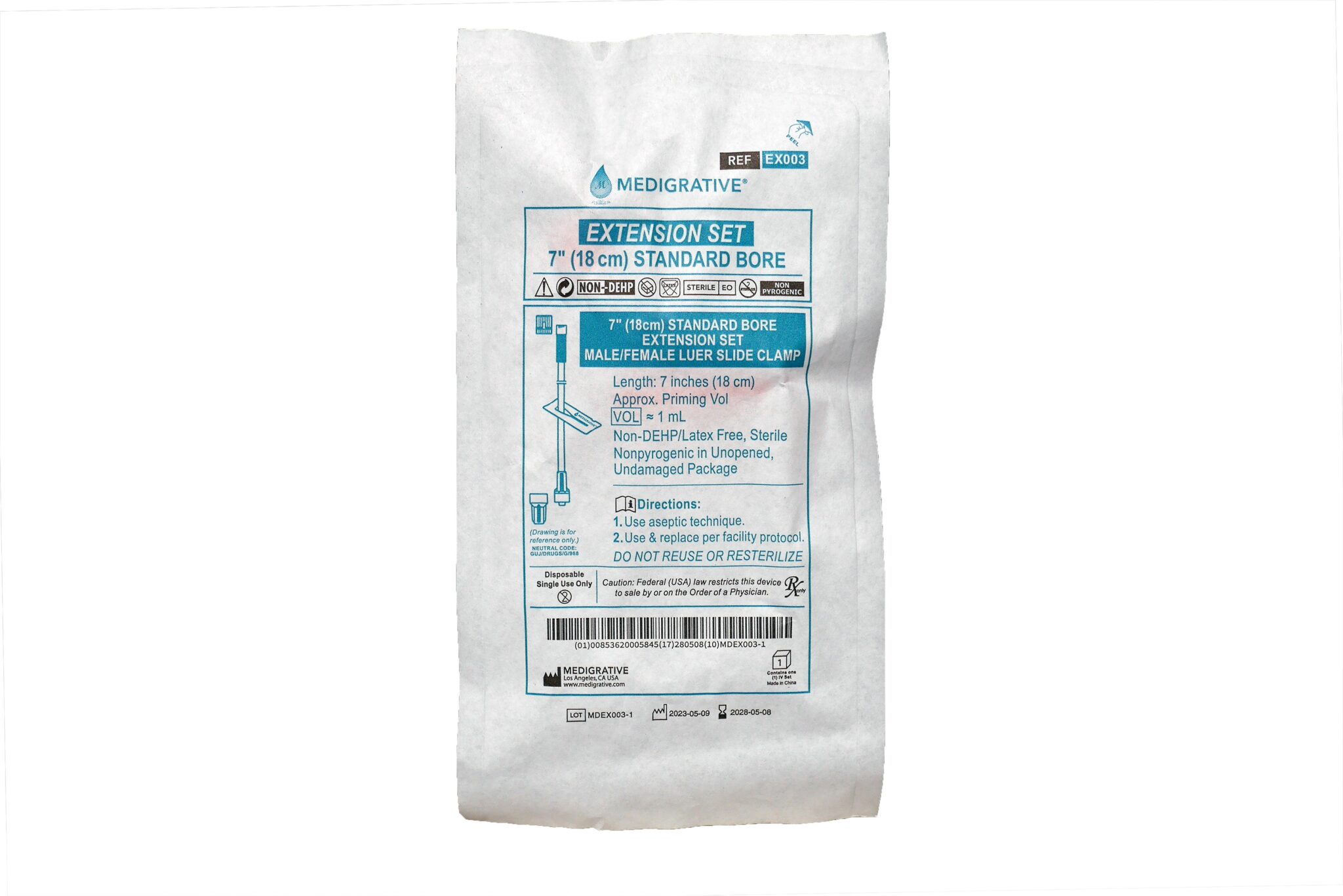
The best IV bags for outpatient infusion centers are those that offer safe materials, clear labeling, and easy handling for staff and patients. Options can be among PVC bags, non-PVC bags, and multilayer bags. A lot of centers choose non-PVC bags because they don’t interact with several medications and are lighter than alternatives. Clear labels assist staff in verifying medications rapidly. With sizes from 50 mL to 1000 mL, centers can tailor patient needs and minimize waste. Secure port systems and durable seals reduce the chance of leaks. Other clinics simply pick bags from brands with good quality track records. To assist in making these options more comparable, the following sections examine each type more in-depth.
Key Takeaways
- Selecting IV bags with durable, sterile materials and accurate volume measurement is essential for patient safety and effective fluid delivery in outpatient infusion centers.
- Port design ought to facilitate ease of handling, prevent contamination and encourage comfort for both clinicians and patients.
- Non-PVC materials are on the rise, thanks to advanced drug compatibility and reduced risk of leachables, but cost and availability can fluctuate.
- Adherence to protocols and periodic staff training ensure IV bag security and promote favorable patient treatment results.
- Workflow integration and inventory management of IV bags can increase productivity and patient satisfaction.
- While it’s more expensive, investing in cutting-edge IV bags and sustainable materials creates long-term cost savings and encourages green practices.

Key Factors for IV Bags
IV bags for outpatient infusion centers must adhere to stringent quality standards to guarantee safety, precision, and dependability in IV fluid administration. The right choice can reduce hazards, assist caregivers, and enhance care in IV therapy.
- Clear, easy-to-read volume markings
- Leak-proof and tamper-evident seals
- Non-reactive materials to prevent drug interaction
- Robust sterility barriers
- Intuitive, secure port systems
- Compatibility with multiple catheter gauges
- Resistant to puncture and tearing
- Long expiration dating for storage flexibility
1. Material Composition
The majority of IV bags utilize plastics such as polyvinyl chloride (PVC), ethylene vinyl acetate (EVA) or polyolefin. Each has its own strengths and limitations. PVC is robust and inexpensive, but may leach plasticizers that can interact with certain drugs. EVA bags are lighter and free of DEHP plasticizer, reducing the risk of leachables. Polyolefin bags are even less reactive and for sensitive drugs, but again they cost more.
Key considerations in selecting the right material for IV bags going to patients. Some drugs break down when exposed to specific plastics, so material selection can impact drug stability. Bags that resist puncture and tearing minimize the risk of leaks and contamination.
2. Port Design
An easy-access port accelerates setup for nurses and minimizes mistakes. Dual-port systems, one port for drug access and another for IV tubing, prevent mix-ups. Big, easy-to-grip ports assist gloved caregivers. Self-sealing or needle-free ports reduce needlestick injuries.
If ports are inaccessible or inconvenient to use, it can delay infusions and increase the danger of contamination. Soft, clearly labeled ports simplify attachment and maintain safety for patients. A well designed port is less painful for patients.
3. Volume Accuracy
Accurate volume indicators are important for secure fluid administration. Outpatient centers tend to use bags of 50 to 1000 mL, with 1000 mL being the most common for hydration. Bags with clear, bold markings help staff to monitor fluid usage at a glance.
Digital sensors and smart pumps are increasingly encountered, increasing precision. Even an off volume can cause fluid overload or underdosing, a true danger for the chronic ill or those who are fluid sensitive.
4. Durability
IV bags need to survive constant movement and storage. Sturdy seams, strong plastics and flexible shapes that help prevent leaks or breakage. This is key for outpatient centers using bags for hydration or medicine, where bags move room to room.
Tough bags reduce waste and save money in the long run. Industry standard tests for burst strength and impact resistance confirm bags withstand stress and shipping.
5. Sterility Assurance
Sterility is a given. Bags sterilize by steam or gamma irradiation, then sealed to prevent microbes. Any break invites infection, so aseptic technique during handling is required. Expiration dates are important, a standard saline bag is good for 2–3 years, although newer bags are good as long as 36 months.
Store bags dry and away from light, best practice–never touch ports bare hands, open only when needed. This safeguards patients and caregivers.
Material Science of IV Bags
The material science of IV therapy bags is a subtle but important aspect of patient care, drug safety, and environmental impact. While most IV bags are made from PVC, there are non-PVC options available such as EVA, polypropylene, and copolyester ether, which can enhance fluid infusion efficiency. Understanding the science behind these materials aids you in intelligently choosing safe, efficient, and sustainable intravenous fluids for outpatient infusion centers.
PVC vs. Non-PVC
Material | Pros | Cons |
PVC | Low cost, strong, flexible, easy to store, widely tested | Can leach chemicals, environmental concerns, less compatible with some drugs |
Non-PVC | Lower leachables, more eco-friendly, better drug compatibility, growing regulatory support | Higher cost, shorter shelf life for some, less familiar to staff |
Non-PVC bags (with EVA or polypropylene) are seeing more utilization as worries about plasticizers and leachables in PVC increase. These options have proven in studies to minimize patient contact with damaging compounds, particularly for fragile pharmaceuticals.
Switching to non-PVC bags can increase costs initially, but for improved patient safety and reduced drug interaction issues, many centers feel this is a tradeoff worth making. Case in point, a European hospital switched to EVA bags for chemo and experienced reduced bag-material interaction complications.
Drug Compatibility
Drug compatibility is influenced by the bag material, pH, temperature and duration of storage. Certain drugs react with PVC and leach the drug’s efficacy or pick up toxic chemicals. This is particularly crucial for chemotherapy and biologic drugs.
When you use the wrong bag, drugs break down or even become harmful. Outpatient centers can reduce risk by reviewing compatibility charts and consulting pharmacists prior to selecting bag materials.
Newer materials such as copolyester ether and EVA are better suited for a broader range of drugs. Active research continues to bring new better materials and updates guidelines for safe use in the clinic.
Leachables
Leachables are chemicals that migrate from the IV bag material into the medicine or fluid. PVC bags are at even higher risk since they use plasticizers that can leach into the solution. These compounds can be toxic to certain patients.
Testing for leachables includes conducting chemical analyses of solutions in bags as time passes. Again – most outpatient centers are sourcing from suppliers that maintain rigorous testing standards to minimize risk.
To reduce leachables, most centers use non-PVC bags for high-risk patients and sensitive drugs. That said, picking the right supplier and keeping abreast of new materials can help reduce exposure.
IV Bag Safety and Compliance
IV bag safety is crucial for outpatient infusion care, particularly in the context of IV therapy. These bags, which contain intravenous medications, enter directly into the body, making their quality and handling essential for patient outcomes. While strict regulations from national organizations set the minimum standards for safe usage, it is the daily habits and vigilance of employees that truly matter. Outpatient infusion centers must prioritize their selection, storage, and use of IV fluids, as lapses in infection control can lead to severe consequences.
Regulatory Standards
- Major regulatory bodies:. . * World Health Organization (WHO): Sets global standards for sterile medical products.. * U.S. Food and Drug Administration (FDA): Regulates production, labeling, and approval of IV solutions.. * European Medicines Agency (EMA): Oversees IV product safety in the European Union.. * International Organization for Standardization (ISO): Publishes quality management guidelines for manufacturing.
- Key standards: Sterility, leak-proof materials, tamper-evident seals, and clear expiration dates. Bags must be puncture-resistant and feature reliable ports to prevent leaking.
- Non-compliance risks: Products may be recalled, legal penalties can be imposed, and patient trust drops. When protocols are ignored, infection outbreaks and medication errors tend to follow.
- Audits and inspections: Routine site visits and product sampling keep facilities on track, pinpointing weak spots before harm occurs. Surprise audits catch lapses that scheduled reviews may miss.
Patient Safety
Patient safety is more than just using approved bags. Measures such as disinfecting skin with sterile 70% alcohol for 15 seconds prior injections, and cleaning vial diaphragms reduced infection risk. Monitoring strategically for leaks, swelling or joint complications during infusions can identify issues at an early stage. Proper bag labeling with drug names/doses/prep instructions prevents mix-ups.
Others saw infection rates drop after they converted to single dose vials and performed staff sterile technique refreshers. Continuous staff training and patient input, too, assist identify hazards ahead of time and tweak procedures quickly.
Staff Handling
Proper handling begins with education on IV bag safety and compliance. Staff should know how to store IV bags in clean, dry locations away from sharps. Training involves safe connection of ports, leakage checks, and awareness of bulk packaging hazards. Dropping or mishandling an IV fluid bag can create cracks or leaks, endangering workers to potent drugs. Smart design, such as solid hangers and easy-grip ports, reduces spills and helps protect staff from occupational exposure, particularly with intravenous medications.
Workflow and IV Bag Integration
Seamless IV fluid administration integration enables infusion centers to reduce wasted time and confusion. Centers require bags that integrate well with their pumps and lines, but also bags that they can easily hang and switch out. Readable labels are important for the intravenous therapy process. Bags marked with printed dose, drug name, and lot number are handy to check prior to administration. A few centers have color-coded labels or ports, so staff can identify what they need at a glance. PVC-free, such as bags of flexible plastic, are not prone to breakage or leakage. These types assist staff in transitioning from patient to patient quickly.
Stockroom management is key for steady workflow in infusion management. Most centers pre-sort bags by drug, size, and expiry. They told me the best practice is FIFO stacking, so the older stock gets used first. Rugged shelves and bins, with labels on shelves and bins, make it easier for staff to locate and snatch up the correct bag quickly. Wall charts or digital lists indicate what’s in stock and what’s running low. Single-use bags are more convenient to store and reduce cross-contamination. Additional audits—such as daily counts and expiration spot checks—assist in preventing mistakes from reaching the patient.
Tech tools can accelerate a good number of the steps in IV hydration. Barcode scanners connect every IV bag to a patient’s chart. This reduces errors and accelerates pre-dose checks. Some centers have inventory software that knows when the bags arrive, when they get used, and when to order more. Workflow, of course, but IV bag integration—smart pumps can link with this software, so nurses know which bags work with which settings. Alerts pop for wrong matches or near expiry dates. Cloud-based systems can help centers share stock data across multiple sites.
When centers nail these logistics, patients experience less waiting and fewer delays. Quick and easy workflow – patients spend less time in chairs and more time getting their treatments on time. Because your staff can be with patients, not paper work. Smiling patients are patients that complete their treatments and trust the center with ongoing care.

The Unseen Costs of IV Bags
IV bags are king at outpatient infusion centers, but it’s not all about price. Such hidden costs impact both the everyday operations and the long term economics of a facility.
We tend to overlook the cost of waste and inefficiency. When IV bags are poorly controlled, expired or unused bags become waste. It’s not merely cashing down the drain on the bags themselves—nurses’ and pharmacists’ time dealing with, inventorying and disposing of wasted products racks up. For instance, maintaining an excess inventory of IV bags can result in stockpiling, thereby increasing the likelihood of disposing of expired bags and escalating storage requirements. Running out of bags can frustrate care delivery, stressing both staff and patients.
Shortages can send those costs soaring. A disaster, like a hurricane, can strike a production plant and create an immediate scarcity. One example, a North Carolina hurricane took out a plant that produced roughly 1.5 million IV bags a day, which was 60% of the country’s supply. When supply goes down, prices go up and clinics can be caught having to purchase from secondary sources at a markup. Shortages impact patient care too, because treatment may have to be postponed or altered if the correct IV bag or diluent isn’t there. Others, such as Infliximab, Ocrevus, and Tepezza, need particular diluents and can’t be traded for others, so not having the right IV bag can mean a treatment can’t proceed.
To keep costs down but make sure patients still get safe care, clinics can monitor use carefully, stay on top of supply trends and coordinate with suppliers for consistent deliveries. It’s useful to understand which drugs have flexible diluent options and which don’t. Staff education and sound inventory habits such as ‘first in, first out’ can reduce waste.
Getting expensive IV bags might seem like a waste of money, but it’s going to save you money down the road by minimizing breakage, leakage and contamination. Bags with longevity result in less replacements, less interruptions to care and less strain on staff and budgets.
Future of IV Bag Technology
IV bag technology is advancing quickly, focusing on innovations in IV fluid administration that have the potential to transform outpatient infusion centers, enhancing care, safety, and reducing environmental impact.
Emerging Technologies
IV bags are becoming smarter and safer with advancements in technology. Scientists are developing sensors that can monitor flow rates, pressure, or fluid remaining in the bag, enhancing IV fluid administration. Some prototypes connect to tablets or smartphones, allowing nurses to monitor infusion status remotely, leading to quicker responses if issues arise. Additionally, there are IV bags equipped with built-in alarms for air bubbles or leaks, significantly reducing risks during intravenous therapy. The flat-fold or easy-grip handle designs facilitate better handling and storage for busy infusion centers.
Smart IV Bags and Patient Safety
Smart IV bags could help catch issues early by monitoring intravenous fluids and notifying staff when the flow rate decreases or gets clogged. This translates to fewer missed alarms and less time spent manually checking every patient. In high-volume care centers, these clever capabilities allow staff to pivot to other tasks while ensuring proper iv fluid administration. Certain nifty IV bags can also track how much fluid a patient receives and the time, adding a sense of traceability that minimizes errors and helps clinics comply with stringent safety guidelines.
Sustainable Materials
IV bags, often made from plastics that persist in the environment, are now being reimagined with plant-based materials to promote sustainability in healthcare. These innovations not only assist clinics in reducing waste but also align with regulations on green healthcare, particularly in the context of IV fluid administration. While biodegradable versions are being tested, they must still demonstrate the same strength and security as traditional IV bags. Transitioning to these eco-friendly options could significantly lower the carbon footprint of outpatient centers, making them a more sustainable choice for the future.
Trends in Outpatient Infusion
Trends lead to IV therapy bags that are compact, convenient, and automated. There’s a rising need for bags compatible with compact, portable infusion devices for home nursing or mobile clinics. Brighter labels and color-coded ports assist staff in eliminating mix-ups. More centers desire single-use, pre-filled bags to reduce draw time and maintain drug sterility. These trends intend to provide patients a smoother, safer experience during their visit.
Conclusion
They’re good bags because good bags hold up under busy use, help staff move fast, and meet safety needs. Bags with reinforced, transparent plastic bottoms prevent leaks and make inspections easy. Definitive safety protocols reduce hazards and protect every patient. The new bags with the smart stuff sound expensive initially, but they save time and money in the long run. Be alert for new tech but stay focused on what works for your patients and team today. Be open to what works for your workflow and your budget. To discover superior IV bags, consult your squad and verify daily priorities. Keep the cure mighty and minimalist.