
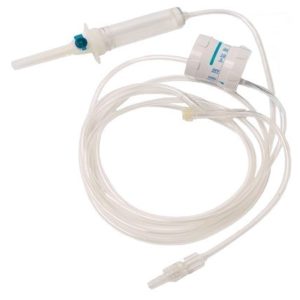
Unlike standard infusion sets which utilize drip chambers and visual inspection to determine delivery, Medigrative IV sets use intelligent flow regulation and integrated safety mechanisms. For routine management, Medigrative sets provide additional sensors and alarms to assist in detecting errors or obstructions quickly. Standard sets provide reliable delivery but require more direct nursing care. Both operate with standard IV lines and are applicable for numerous therapies, Medigrative sets emphasize minimizing errors and facilitating monitoring.
The base price for Medigrative sets is higher than standard, which can be an issue for large clinics or hospitals. To assist in balancing these decisions, providers such as Merit Pharmaceutical help healthcare organizations evaluate options and source the right IV sets for their patient and budget needs.
Key Takeaways
- Medigrative IV sets have better materials, being DEHP-free and latex-free, which makes them more durable and safer for the patients, an important factor in minimizing allergic reactions and long term effects.
- Proprietary flow precision mechanisms in Medigrative IV sets help keep infusions accurate and predictable, directly supporting efficient dosing and preventing complications from over, or underdosing.
- Patient comfort is a key focus in Medigrative designs, with optimized ergonomics and reduced site pain that promotes adherence and treatment satisfaction in even the most sensitive patient profiles.
- With enhanced safety features, including secure connectors and advanced filtration, Medigrative IV sets reduce the potential for medication errors and infections, elevating the standard for both routine and high-risk infusions.
- Clinician time is saved by intuitive setup and adjustment features of Medigrative IV sets, reducing workflow friction and enabling higher quality care in time-strapped clinical settings.
- Choosing between standard and Medigrative IV sets involves weighing patient requirements, medication factors, and clinical setting. Merit Pharmaceutical works with providers to match infusion set types with clinical and patient needs, helping streamline purchasing decisions.

Medigrative IV Sets Vs. Standard Sets
Medigrative IV infusion sets set new benchmarks in infusion therapy, focusing on accurate flow, patient comfort, safety, and clinician efficiency compared to standard adult infusion sets in hospital settings.
1. Material Quality
- Medigrative IV sets usually incorporate medical-grade polymers, such as polyurethane, which are more durable than the PVC found in many standard sets.
- They are generally DEHP and latex free, minimizing allergy concerns and chemical exposure for patients.
- The use of top-quality components translates to less set changes, especially with modular configurations. This can make replacement intervals last from 72 to 96 hours, saving time and costs, one study observed savings of up to $200 a set.
- Quality of materials connects to security, since more robust substances reduce the possibility of leaks or impurities when infusing.
2. Flow Precision
Medigrative sets feature high-tech regulators and anti-siphon valves, while standard adult infusion sets may use simpler drip chambers that lack precision. Accurate infusion rates are crucial for appropriate IV infusion, particularly in pediatrics or critical care, as incorrect flow can lead to hazardous under, or over-infusion, impacting therapeutic outcomes.
3. Patient Comfort
Design improvements in Medigrative sets, such as flexible tubing and soft connectors, enhance the comfort of the IV infusion set at the infusion site. This is crucial for patients who require intensive or extended intravenous fluid administration. With less pain and irritation, compliance and satisfaction improve, as smoother tubing reduces tugging and kink-resistant lines prevent flow stops.
4. Safety Features
Medigrative IV infusion sets typically feature built-in backcheck valves and color-coded ports to prevent cross-contamination and ensure accurate medication delivery. This is crucial for high-risk populations, such as neonates or individuals with chronic illnesses.
Merit Pharmaceutical emphasizes the importance of sourcing IV sets that meet these safety standards so providers can reduce the likelihood of errors and maintain peace of mind in high-pressure environments.
5. Clinician Efficiency
The magic of Medigrative IV Sets vs. Standard sets lies in their design, as these specialized infusion sets cut down on tubing changes and pump programming, making workflows smoother. Nurses report that less frequent set changes and easier setup save significant time.
Merit Pharmaceutical partners with healthcare organizations to ensure supply availability, so clinical teams can focus on patient care instead of equipment shortages.
Anatomy Of An IV Set
IV sets deliver fluids and medications directly into a patient’s bloodstream. Every component has an important impact on how securely and effectively these fluids are administered.
Knowing the anatomy of an IV set is critical for clinicians, it helps them avoid mistakes, keep things sterile, and adapt IVs to different clinical scenarios. IV sets are all different, designed with features appropriate for particular infusion tasks.
The Spike
The spike breaks into the IV bag and initiates its flow, making it crucial for appropriate IV infusion to maintain sterility and prevent bacteria from infiltrating the infusion set. Medigrative spikes frequently feature additional shields or coatings over typical spikes that can minimize contamination. A few spikes are single-use as well to reduce infection even more. The length and width of the spike can modify the ease of connection for a clinician, and Medigrative models occasionally include ergonomic grips for improved gloved handling.
The Drip Chamber
The drip chamber, a crucial component of various infusion devices, allows practitioners to observe and count drops, facilitating adjustment of the infusion rate. Its transparent plastic walls aid in the detection of air bubbles, which can injure the patient unless eliminated. Certain IV infusion sets, particularly pediatric infusion sets, feature a 15 μm filter at the bottom to snag detritus. Drip chamber lengths vary between 48mm – 64mm, and a larger size can accelerate flow. Droplet size, frequently 15 drops/ml or 60 drops/ml in children’s burettes, alters the speed medication delivery enters the bloodstream. Medigrative chambers tend to have anti-fog coatings for better visibility.
The Tubing
The design of infusion tubing, including its length and diameter, significantly affects the rapid infusion of fluids from the bag to the patient. While more tubing increases resistance to flow, a wider diameter infusion tube allows for faster movement of fluids. The choice of material, soft PVC or silicone, also impacts flexibility and the risk of kinking. Tubing design is crucial for infection risk, as smooth inner surfaces facilitate cleaning and reduce contamination in various infusion devices.
The Roller Clamp
A roller clamp regulates the flow of fluid through the infusion line tubing. By rolling the clamp, clinicians can initiate, halt, or adjust the flow, which is crucial for accurate infusion rates, especially during emergencies or when administering small doses. Great roller clamps provide precise control, and some infusion devices currently employ digital or needle-free flow regulators, ensuring more accurate dosing and minimizing manual errors.
The Injection Port
The injection port allows clinicians to administer additional drugs during treatment, ensuring appropriate IV infusion methods. It has to remain sterile, as it is a direct portal to the IV infusion set. Medigrative ports can include self-sealing membranes or septa that minimize exposure to contamination. Conveniently located ports assist caregivers in administering bolus doses rapidly, which is crucial in emergency care. Port placement and design, angled or side-entry, affect how convenient it is to use with a syringe.
The Connector
Connectors connect the IV infusion set to catheters or other devices. A tight connection will stave off leaks or accidental tugging loose, which can cause therapy interruption. Medigrative sets use either locking connectors or color-coding for safety. This is crucial for appropriate IV infusion in many hospitals, particularly with volumetric infusion devices and syringe cassettes. Newer designs frequently include safety mechanisms that prevent cross-connection with non-IV lines, minimizing mistakes and increasing patient safety.
Exploring Infusion Set Types
Infusion sets are fundamental to IV therapy, providing various infusion devices to administer fluids, insulin, and medications with precision and safety. They include different sets for clinical requirements, from simple gravity infusion sets to sophisticated pump-driven systems. Understanding these differences is crucial for clinicians and patients, as the appropriate IV infusion selection directly impacts patient comfort, safety, and the effectiveness of therapy.
- Vented and non-vented sets allow liquids to run from bags or bottles, most often equipped with soft cannulas or steel needles. Vented sets permit air to get into the container, facilitating fluid flow in glass bottles, whereas non-vented sets necessitate collapsible plastic bags. Certain sets came with filters, such as a 15 μm filter, but are not designed for blood or for resuscitation. We offer infusion sets configured for different insertion angles and cannula lengths (6 mm or 9 mm), as well as tubing length (23 in or 32 in), based on patient population and site of use. Special considerations should be made for pediatric and elderly patients, both of whom may benefit from shorter, finer cannulas and soft tubing for comfort.
- All infusion set types have advantages and disadvantages. Soft cannulas bend and are more comfortable and less prone to irritation but can kink and obstruct flow. Steel needles provide dependable delivery and are simpler for some to insert, can be less comfortable over time. View Infusion Set Types Filter infusion sets increase safety by removing particulates, but increase price and may not be feasible for all drugs.
- Why selecting the appropriate infusion set makes all the difference to a patient, as tubing length, cannula thickness and insertion angle influence the ease of use and comfort. Some require replacement every 1-2 days, others have durability of up to 7 days, based on the patient’s requirements and type of medication.
Vented Vs. Non-Vented
Vented infusion sets assist fluid flow from hard containers by allowing air to enter, thereby maintaining even flow and avoiding vacuum. Non-vented sets, often used in infusion devices with collapsible bags, do not require supplemental air, making them safer for air-sensitive medications. Venting can alter pressure in the system, impacting the infusion process and medication integrity, particularly for medications that degrade with oxygen. For instance, vented sets are typically used in glass bottles, while non-vented sets are optimal with plastic bags, popular in hospital settings. Using the wrong infusion set risks under-delivery or contamination, which can jeopardize patient care.
Micro Vs. Macro Drip
Micro drip sets, characterized by small drop sizes (approximately 60 drops per mL), are ideal for accurate intravenous infusion, particularly in pediatric or neonatal care, where tight regulation is essential. In contrast, macro drip sets provide larger drops (10-20 drops per mL), facilitating rapid infusion, which is beneficial for adult resuscitation or situations requiring quick volume delivery. The choice between micro and macro drip sets significantly influences patient safety and therapy success. Clinicians should carefully select the appropriate IV infusion set based on patient condition, therapy requirements, and healthcare settings.
Gravity Vs. Pump
Gravity infusion is easy, requires no power, and is inexpensive, it relies on height and manual control, which can introduce flow rate error. In contrast, IV infusion sets such as volumetric or syringe infusion pumps enable precise, controlled administration, making them preferred for medications requiring strict dosing, like anesthetics or insulin. These infusion devices reduce nursing burden by automating monitoring while adding to setup time and expense. In resource-poor settings, gravity may be practical, but in critical care, pumps are safer and more reliable.
Filtered Vs. Non-Filtered
Infusion sets, particularly intravenous infusion sets, have filters that block particulates, air, and some microbes, thereby reducing the risk of infection or embolism. In healthcare settings, filtered sets are critical for immunocompromised patients or when administering sensitive medications. While filters contribute to cost and can slow flow, it is essential to note that certain drugs or fluids, such as blood, should never pass through filters for fear of clogging. Thus, filter selection impacts stability, as specific drugs can react with filter substances.
Critical Material Considerations
Material considerations in IV sets are key influences in defining safety, system function and patient comfort. Standard and medigrative infusion sets are built to high standards, but new designs indicate a move toward safer, more advanced materials. Below are key material elements that matter for safety and efficacy:
- DEHP-free tubing for lower toxin risk
- Latex-free parts to cut allergy triggers
- Light-protective compounds for drug stability
- More specifically, fine mesh filters (around 200 μm) for blood and fluid safety
- Sterile, small-volume cassettes (about 5 ml)
- Consistent burette volumes (100-150 ml)
- Droplet control (15 drops/ml standard, 60 drops/ml for children)
Material selection can reduce allergic reactions, particularly with latex-free and DEHP-free materials. It impacts device lifespan, chemical resistance and patient comfort. Regulatory standards-ISO, regional health authorities, dictate rigorous scrutiny of material toxicity, longevity, drug compatibility. These regulations drive the market toward safer, better-vetted material inputs.
DEHP-Free Tubing
DEHP, a plasticizer used in older PVC-based IV sets, can leach into fluids and has been associated with reproductive toxicity and organ damage. Its use is limited in many countries, particularly in neonates and children, who are more susceptible to adverse effects. Transitioning to DEHP-free tubing nullifies this hazard and complies with increasing safety regulations.
DEHP-free designs utilize substitute plasticizers or flexible polymers with no known adverse effects. They enhance patient safety and comfort, particularly for extended infusion. Most hospitals today opt for the DEHP-free sets, as the rest of the world moves to toxin-free medical devices. That’s due to stronger regulations and increased patient safety awareness.
Latex-Free Components
Latex allergies can result in reactions ranging from skin rashes to anaphylaxis. This has led to a greater need for latex-free IV infusion sets in various healthcare settings, particularly where patients may come in with unknown allergy statuses. Health providers often opt for latex-free infusion devices to reduce risk and comply with patient safety standards.
We continue to see the demand for latex-free options expand, with an increasing number of hospitals and clinics demanding them in their sourcing policies. These materials, like silicone or thermoplastic elastomers, are functionally similar to latex, but far less likely to induce allergic reactions. This transformation makes things safer for patients and staff.
Silicone options offer the same elasticity and strength as latex, ensuring that infusion devices remain dependable even as safety requirements evolve. This shift towards safer materials is crucial in maintaining accurate infusion rates and effective medication delivery.
Light-Protective Materials
Light-sensitive medications, such as certain antibiotics and chemotherapies, can degrade when exposed to light, diminishing their potency. For these drugs, IV sets with light-shielding tubing and burettes are necessary. These materials absorb or filter damaging light, preserving pharmaceutical potency right up to administration.
Not all drugs require this, but for those that do, light-proof sets are usually mandated. These sets typically have amber or opaque tubing, which can filter a wide range of light. It is this action that assists in preventing drug waste, reduces the possibility of underdosing, and increases patient outcomes.
Light can compromise the shelf life of certain medications, increasing the possibility of dosing mistakes. Light-safe materials protect the drug and enable enhanced, safer care. It’s particularly crucial in intensive care, where precise dosing can accelerate recovery and reduce hospital stays.

The Hidden Costs Of Standard Sets
Standard IV infusion sets may appear economical initially, but numerous expenses remain hidden until extended use. These aren’t just costs related to the price of the set, they manifest in how frequently IV infusion sets have to be replaced, how much staff resource is required, and how much error risk is involved in usage. Below is a detailed table showing where these hidden costs come from:
Cost Area | Standard IV Sets | Details/Examples |
Daily Consumption | Higher (rate ratio: 1.277-2.305 vs. interchangeable sets) | More sets used per patient per day, especially with non-interchangeable designs |
Device compatibility | Need for dedicated infusion devices, not interchangeable | Hospitals with non-interchangeable pumps must stock numerous types |
Upfront Cost | Lower per set, but pump costs can be $1,200-$4,000 | High pump costs can restrict use in low-resource settings |
Use restrictions | Not invariably good for blood or adult CPR | Need special sets for these uses |
Accuracy/Precision | Variable, depending on solution and set type | Drop counts vary by solution, introduces dosing errors |
Disposable components | Cassette approximately 5 ml, each pump requires individual syringe cassette | Increases costs over time |
These hidden costs can have a tangible impact on hospital budgets and care quality. Take pumps, for instance, if a hospital uses a pump that requires a distinctive IV infusion set, it must purchase and maintain additional inventory. This results in more waste if sets expire. If sets are changed more frequently, nurses and techs waste time on setup and less time treating patients. In low-resource hospitals, the steep upfront pump price can translate to fewer pumps available, delaying patient care. If the infusion device is inaccurate, a patient could receive an incorrect dosage which could cause complications or additional treatment expenses.
Standard sets are not necessarily appropriate for every job. Some cannot be utilized for blood transfusion or rapid infusion in trauma. If a hospital needs to maintain multiple types of sets, storage and training get more complicated. Errors are more common if employees have to navigate multiple platforms.
Spending a little more on good, flexible IV infusion sets can save you money in the long run. The price of purchasing higher-quality sets is usually amortized by reduced mistakes, reduced waste, and more efficient allocation of staff time. For budget-conscious hospitals, a comprehensive cost analysis highlights where long-term cost savings can arise.
Choosing The Right IV Set
Choosing an appropriate IV infusion set involves considering numerous patient and clinical considerations, which assists in providing safe and effective intravenous infusions in any healthcare setting.
- Examine patient characteristics (including age, weight, and body fat). These impact needle/cannula length, 6mm might do in lean areas, 8 or 9 may suit deeper tissue.
- Make sure there were no previous problems, such as bent cannulas or plastic reactions. Scar tissue can make insertion rough or alter the infusion flow.
- Think comfort and safety. Some crave steel needles for insulin, others require soft cannulas to steer clear of pain or dermatologic reactions.
- Consider lifestyle and mobility requirements. Tubing length, 46cm to 110cm, impacts mobility. The correct set can decrease the chance of site infection and increase comfort.
Assess Patient Needs
Patient evaluation begins with body habitus, skin thickness, and past history of intravenous infusion sets. Our senior guest might have delicate veins, and our young ones require even smaller, specialized infusion sets. For chronic conditions, think: diabetes or autoimmune diseases, material compatibility and ease of insertion are key in the infusion process. Determining pain tolerance and comfort can help steer you towards steel needles or soft cannulas. Patient comfort is beyond physical, it’s about when to change the infusion device (daily, weekly) and how it affects day-to-day life. This will likely vary based on skin sensitivity, activity, and infection risk.
Consider Medication Type
Pharmaceutical chemistry counts, especially when using intravenous infusion sets. Viscous or high-volume drugs require bigger gauge sets. Certain meds interact with plastic cannulas and thus need steel or specialized polymers. Dosing must be precise, particularly for insulin or chemo. Infusion speed varies with both the drug and the infusion process. Rapid infusions may require shorter tubing, whereas extended infusions or continuous therapy require longer lines and reliable connections.
Evaluate Clinical Setting
The clinical setting significantly influences the selection of IV infusion sets. Hospitals might have a broader spectrum of sizes and materials for infusion devices, whereas outpatient clinics deal with straightforward devices for quick application. Training is key, as expert clinicians can manage complex sets, such as those with angled insertion, while junior staff may require simple, straight-insertion types. Protocols and existing equipment impose restrictions, with some clinics adhering to a brand for consistency and others tailoring to the case.
Final Remarks
Medigrative IV sets are sleek and smart and solidly built. They have safe, rugged components that connect seamlessly with multiple care requirements. With fewer leaks and snags, users experience care that is both safe and fast. Standard sets typically translate to more waste and increased long-term expense. Medigrative sets repair these weak spots with transparent, straightforward components and reliable flow. Nurses and techs love how quick the setup is and how simple checks are. Selecting a set is all about what works best for the task and budget. Merit Pharmaceutical supports providers in sourcing both Medigrative and standard IV sets, helping clinics balance performance with cost.
Frequently Asked Questions
1. What Is The Main Difference Between Medigrative IV Sets And Standard Infusion Sets?
Medigrative IV infusion sets feature a safe and advanced material and design, making them ideal for delicate medical situations where accurate infusion rates are crucial.
2. Are Medigrative IV Sets More Comfortable For Patients?
Absolutely, Medigrative IV infusion sets eliminate pain and irritation, focusing on patient comfort during the intravenous infusion process.
3. Do Medigrative IV Sets Offer Better Safety Features?
Medigrative IV infusion sets may include additional safety features, such as anti-kink tubing and improved flow regulation, enhancing the infusion process and minimizing mishaps.
4. How Do The Costs Of Medigrative IV Sets Compare To Standard Sets?
While Medigrative IV infusion sets may have a higher initial cost, their ability to reduce complications, replacement frequency, and the hidden costs associated with standard adult infusion sets ultimately lowers the overall costs of care.
5. What Materials Are Used In Medigrative IV Sets?
Medigrative IV infusion sets are crafted from medical-grade, biocompatible plastics and silicone, enhancing durability while minimizing allergic reactions compared to standard IV infusion sets.
Choose IV Sets That Support Safe, Efficient Infusion Therapy
Selecting the right IV set is about more than comparing product features. It is about choosing infusion supplies that support consistent performance, patient safety, and efficient clinical workflows. Whether your facility is evaluating Medigrative® IV Sets or standard infusion options, working with a knowledgeable supplier can help ensure you select products that align with your clinical protocols, patient population, and purchasing goals.
For more than 40 years, Merit Pharmaceutical has helped healthcare providers source dependable IV therapy products backed by responsive customer support and industry expertise. Explore our selection of Medigrative® IV Sets and IV Sets to find solutions designed for a wide range of infusion applications. If you need assistance comparing products or identifying the best option for your practice, you can contact Merit Pharmaceutical or register for an account to simplify future ordering and access product information.
Disclaimer
The information provided in this article is intended for educational and informational purposes only. It is not medical advice and should not replace the independent clinical judgment of qualified healthcare professionals. Product selection should always be based on individual patient needs, manufacturer instructions, and applicable clinical guidelines. Merit Pharmaceutical makes no guarantees regarding the applicability of this information to any specific clinical situation.