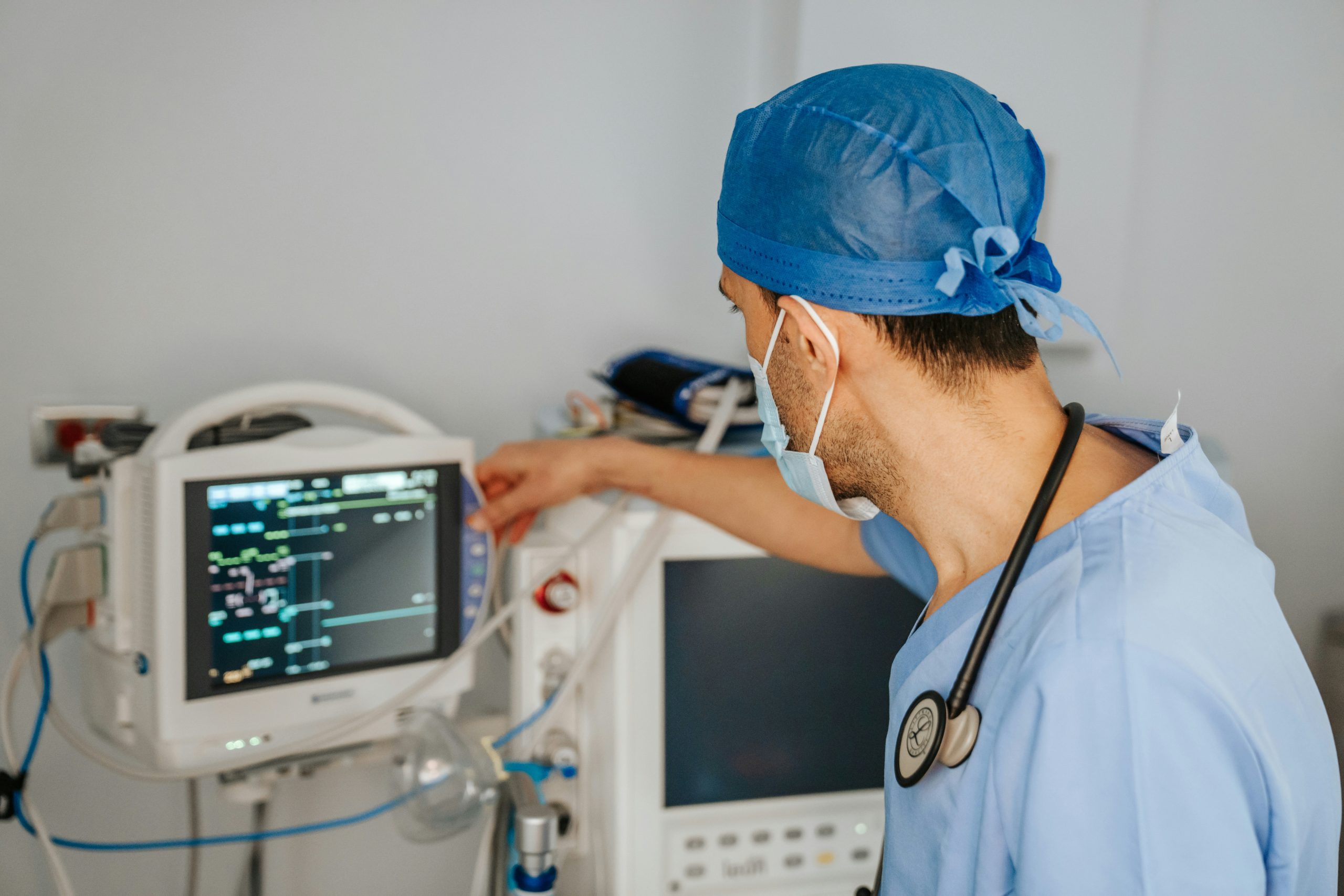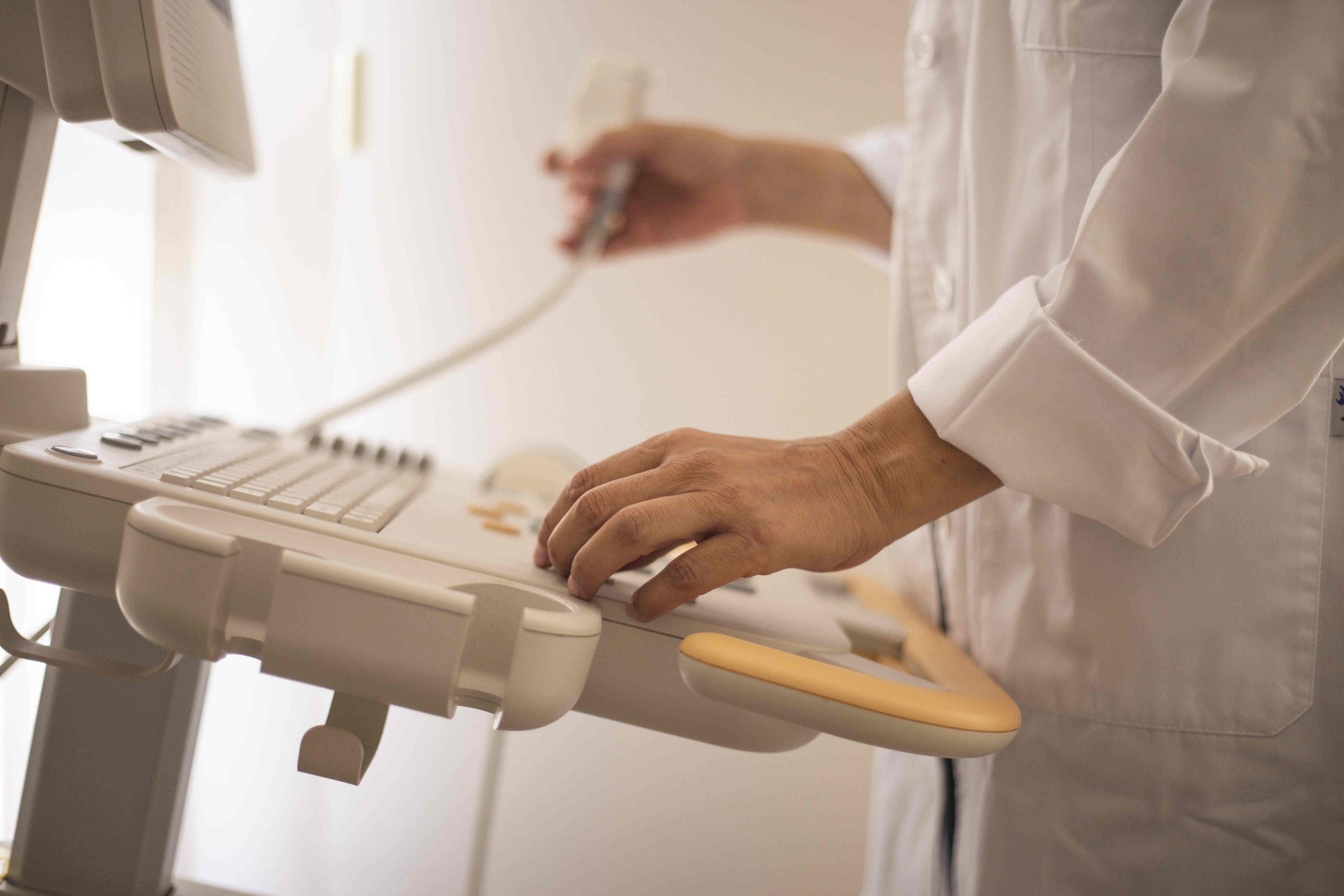
Which medical devices for healthcare providers provide the best ROI, in other words, depends on how effectively the device reduces expenses, reduces time expenditures and assists with patient care. Portable ultrasound machines, point-of-care testing kits, and automated medication dispensers tend to deliver good returns because they have lower upfront costs and are used a lot every day. Hospital EHR systems, while expensive, are valuable because they reduce paperwork and increase the pace of workflow. Technology such as digital stethoscopes and smart patient monitors enable clinics to monitor health in real time and reduce provider burden. To find out which device is the best fit, clinics consider cost, maintenance, learning curve, and actual usage. The main body will deconstruct top picks and discuss how each compares in terms of value and application.
Key Takeaways
- Evaluating the return on investment for medical devices requires careful consideration of both financial performance and the improvement of patient care, making a holistic approach essential for healthcare providers worldwide.
- Whether it’s sophisticated diagnostic or therapeutic or point-of-care technologies, these types of emerging technologies tend to have excellent ROI due to their ability to make things more efficient, accurate and less costly in the longer term.
- Administrative technologies, such as electronic health records and scheduling systems, simplify workflows, minimize manual mistakes and enable data-driven decision-making, thereby leading to more efficient resource use.
- A deep understanding of purchase, maintenance, training, and switching costs are key to estimating the financial impact and long-term savings of new medical equipment.
- Through investments in premium consumables, dependable supply lines, and data-driven inventory management from trusted partners like Merit Pharmaceutical, healthcare providers can control waste and operating costs, all while providing steady care for their patients.
- Sustainable ROI from medical devices doesn’t just come from dollars, better patient outcomes, happier staff and a rock solid clinical reputation fuel the success of healthcare facilities.

Redefining Medical Device ROI
Medical device ROI is about more than just profit, it considers the financial savings and the quality of lives enhanced. Providers desire instruments that not only return the investment but also assist patients in recovering stronger and quicker. This is especially true for medical device companies that focus on developing innovative solutions. ROI begins with comparing the cash outlay to the benefits. For hospitals and clinics, gains translate to reduced ER visits, reduced hospitalization, and safer care. Devices that reduce readmissions can save billions in health costs. Smart infusion pumps or AI-powered monitors, for instance, assist in identifying dangers in their early stages, preventing escalation, saving money, and protecting patients.
Breakthrough technology switches up the ROI game, particularly in the medical devices market. Software-first devices, imagine AI imaging tools, remote monitoring, or cloud-connected wearables, enable teams to work smarter, not harder. Staff are less burdened with data and more engaged with patients. For example, cloud-connected ECG monitors pump data directly to a doctor’s phone, accelerating care and compressing latency. The connected devices global market size will expand at an AAGR of 24.7% through 2029, demonstrating the rapid adoption of such tools. A powerful ROI arrives when these instruments naturalize into the workflow and assist squads function as one.
From a cost perspective, the sticker price up front only tells a partial tale. True savings accumulate over time, particularly for medical equipment companies that provide devices requiring less maintenance, have a longer life-cycle, or reduce labor expenses. Take the portable ultrasound, it’s more expensive than a rudimentary unit, but it can be deployed across many environments and staff, diluting the expense. It’s key to define clear metrics pre-purchase, e.g., how many tests are conducted, time saved, or if patient outcomes improve. Bad system links can lead to missed info and increased costs, as when patients with heart failure see a 13% increase in their readmissions when their systems don’t communicate.
Innovation continues to drive ROI upwards, particularly within the medical device industry. AI, mobile apps, and new methods connect devices for superior care with decreased waste. Open communication and common objectives ensure the maximum return from every device. Both the quantity and quality of care count in selecting the proper instruments.
High-ROI Medical Device Categories
Healthcare providers are under ongoing pressure to manage patient outcomes and costs, particularly in the medical device market. High-ROI devices from leading medical technology companies tend to fulfill chronic and acute needs, cardio, cancer, and neuro care, while satisfying stringent regulations. Emerging technologies, including AI and machine learning, are transforming diagnosis and care, making integration and flexibility essential for optimizing ROI in the healthcare sector.
1. Diagnostic Tools
Advanced imaging, such as MRI and CT scanners, enhances diagnostic accuracy and plays a crucial role in the medical device market. These systems not only reduce rescans but also accelerate care, enabling healthcare providers to save both time and money. EHR systems generate ROI by structuring patient information, reducing administrative overhead, and facilitating patient tracking, which is essential for medical technology companies aiming for profitability.
Integration is vital in the medical equipment sector. Diagnostic tools are most effective when connected to other hospital systems, minimizing mistakes and streamlining information. Rapid diagnostics, like point-of-care blood tests, accelerate patient flow, reduce delays, and boost hospital efficiency, which is a key consideration for healthcare facilities investing in quality equipment.
2. Therapeutic Equipment
Contemporary therapeutic devices, such as robotic surgery and high-frequency ventilators, can render treatments minimally invasive and reduce recovery time. This translates into reduced length of stay and improved patient experience.
Multi-purpose devices conserve space and minimize the number of machines, decreasing both acquisition and maintenance expenses. Manufacturer support and ongoing training are key for staff to use these tools well and avoid downtime.
3. Point-Of-Care Devices
Point-of-care devices such as portable ultrasound or glucose monitors reduce patient wait times and enable staff to act quickly. They typically imply faster treatment initiation, which can generate more income and lead to better patient results.
Intuitive design reduces training and errors. Portability allows these devices to shift from bedside to clinic, switching with care needs.
These devices are particularly handy in hectic or remote environments, enabling medical teams to address emergencies or standard care with similar swiftness.
4. Administrative Technology
Automated software, such as scheduling and billing, cuts labor expenses and reduces mistakes. Smart scheduling systems help manage patient flow, saving resources and delighting patients.
Telehealth platforms expand access to care at minimal overhead. Data analytics tools in admin tech assist leaders to make informed decisions, identify trends, and allocate resources.
5. Everyday Consumables
Purchasing gloves, syringes, and bandages in bulk can reduce such costs. Quality counts, superior consumables translate into reduced waste and safer care.
Robust supply chains maintain care. Usage tracking prevents shortages and saves money, keeping patient care on course.
Your ROI Evaluation Framework
A robust ROI evaluation framework for medical device companies considers more than just the numbers. Mixing clinical outcomes, efficiency gains, and downstream advantages is essential for hospitals and healthcare facilities everywhere. These frameworks vary depending on the perspectives, providers, payers, patients, emphasizing the importance of a holistic approach. Settings such as hospitals and diagnostic centers can impact ROI calculations, so context counts. Standard time horizons of 1 and 5 years help to capture both short- and long-term impacts. Economic outcomes like revenue, costs, and ROI have to be front and center.
Assess Needs
Start with an inventory of existing gear. Scan for devices that are obsolete, unused or constantly being repaired. Care-delivery gaps or delays, or repeated complaints from staff and patients, may indicate where upgrades are most pressing.
Talk to physicians, nurses and technologists. Their hands-on experience frequently reveals pragmatic requirements that data by itself can overlook. Prioritize these needs using clear criteria: which gaps, if filled, would give the biggest boost to patient outcomes, safety, and workflow efficiency? Enumerate and capture insights, connecting them to larger objectives and expansion plans.
Calculate Costs
Include everything from purchase price and installation to maintenance and staff training. Don’t forget switching costs, such as disposal or changeover downtime. Utilize a cost template so that each device is evaluated on an equal basis.
Contrast the upfront cost against anticipated savings, energy efficiency, less maintenance, reduced defect rates. Think through the costs and savings over 1 year and 5 years, to capture quick wins as well as long-term value.
Project Revenue
Try to guess additional revenue from additional patients treated or new treatments given, incorporating local reimbursement rates for the new equipment. Use historical data to establish realistic projections.
Patient satisfaction fuels return business and referrals, measure them, too, because they usually mean more $$, too. Time saved with better devices can be converted into more billable services.
Analyze Workflow
Map present steps for critical tasks. New medical devices can break bottlenecks, accelerate processes, or even allow healthcare professionals to concentrate on higher-value care. Solicit team input post-rollout, as their insights ensure the medical device’s seamless integration into practical use.
Beyond The Balance Sheet
Beyond the balance sheet means looking at more than cost or direct revenue. For medical device companies, the true worth of medical devices lies in their impact on patients, personnel, and the clinic’s reputation in the community. Patient outcomes, staff morale, and clinical reputation all contribute to long-term success in the medical device market. They don’t commonly appear in traditional financial statements but they hold genuine influence when it comes to shaping excellence and durability.
Patient Outcomes
High-tech medical equipment plays a crucial role in the medical device market by enhancing health outcomes through early diagnosis and personalized treatment strategies. For instance, digital imaging systems and portable ultrasound units are pivotal in detecting serious concerns earlier, leading to fewer side effects and faster recoveries. Hospitals employing these tools often see higher satisfaction scores and lower rates of readmission, showcasing the value of investing in quality medical devices.
The benefits of better patient outcomes extend beyond clinical metrics. When patients observe tangible progress, their trust in healthcare providers increases, making them more likely to adhere to care plans. This confidence not only reduces return visits but also cultivates loyalty. Over time, investing in advanced devices like smart infusion pumps or remote monitoring systems proves beneficial, particularly for chronic disease management within healthcare facilities.
A notable example is the use of continuous glucose monitors in diabetes care. Medical device companies that implement these technologies report fewer ER visits and enhanced patient feedback. These innovative devices allow providers to transition from generic care plans to tailored strategies that cater to individual patient needs, further solidifying their role in the evolving medical equipment sector.
Staff Morale
Modern medical equipment significantly enhances the efficiency of healthcare teams, making their work easier and less stressful. By utilizing advanced medical devices, mistakes are minimized, which helps combat burnout among healthcare professionals. Consistent tools lead to increased employee satisfaction and reduced attrition rates.
Effective training is essential when deploying new technology. Healthcare facilities must provide rapid-fire, transparent instructions to ensure that teams feel empowered and open to change. With easy-to-use systems, simplified workflows allow staff to spend less time on paperwork and more time with patients, ultimately improving the overall efficiency of medical practices.
Moreover, better working conditions translate to financial benefits. Reduced turnover lowers recruitment and training costs, showcasing the importance of investing in quality medical equipment. This cycle of support, innovative tools, and proper training keeps morale high and operational costs low.
Clinical Reputation
Hospitals with cutting-edge technology gain confidence in their communities. Patients talk about good experiences and word gets around quickly, particularly in metropolitan areas with lots of options. Word of mouth is strong.
Robust clinical results enhance public reputation and assist clinics distinguish themselves. Partnering with reliable device manufacturers compounds this, demonstrating a dedication to quality and responsible sourcing. Stakeholders now expect responsible production, and almost 68% of professionals view it as essential to their work.
The Financing Factor
Investing in medical device stocks can put a pinch on a provider’s budget, so that’s why understanding the financing factor is so important. Medical equipment financing has set monthly payments, which simplifies budgeting. This type of arrangement allows healthcare facilities to maintain more working capital on hand, so that day-to-day needs, like payroll or purchasing supplies, don’t get squeezed. Flexible repayment terms, sometimes up to five years, translate to smaller monthly payments and less stress on the bottom line. The real challenge is in how healthcare companies decide to acquire these devices.
Leasing is especially popular among medical device companies that prefer to stay ahead of the fast tech cycle. Leasing allows providers to upgrade or replace devices with minimal effort, so they don’t get stuck with obsolete equipment. This can go a long way when tech moves so quickly and older machines depreciate so fast. Leasing translates to less initial expenditure and easier budgeting, but the tradeoff is that fees and cumulative monthly payments can pile up, often resulting in leasing being pricier in the long run than simply buying outright.
Purchasing equipment is more expensive upfront, but there are benefits. Providers own the device, so there’s no concern with end-of-lease fees or return conditions. If the provider’s in the U.S., tax laws such as Section 179 enable them to write off the entire expense in the year they put the device into service, even if they took out financing to make the purchase. This can result in significant tax savings, but only if the vendor complies with tax laws.
Venture capital can change the game for emerging technology in the medical device market. This funding allows startups to put innovative medical devices on the market. For healthcare providers, this translates into more innovative options to select from, but the requirement to screen new devices thoroughly remains. Providers need to consider the startup stability and ongoing support prior to making a significant investment.
The devil really is in the details when it comes to financing medical equipment. A low rate, even just 1-2% lower, saves thousands over the life of a loan. Late-payment penalties or hidden charges can quickly add to costs and damage financial health. So providers have to get their terms straight before signing, to forestall costly errors.
Future-Proofing Your Investments
Healthcare isn’t just growing fast, with spending projected to hit $5.3T in 2025. This growth is outpacing the wider economy, making it a fertile ground for smart investments in medical device companies. The emergence of AI-powered tools, such as those used in cancer care, illustrates the potential for new technology to transform how care providers operate and assist patients. Appliances with straightforward software upgrades or cloud-connected capabilities differentiate. They can stay current with new regulations and requirements without major retrofits.
When selecting devices, opt for brands or models with reliable updates and minimal faults. Companies with an extended history of performing in the medical devices market are less likely to crash. Equipment that stays current with new techniques, such as digital imaging or point-of-care diagnostic devices, tends to be a solid investment. Their makers frequently release updates that patch bugs or provide new tools, which reduces downtime and fosters user trust.
Scalability matters, as well. Devices that work for clinics of all sizes, covering the spectrum. Think portable ultrasounds or modular patient monitors that can scale from small offices to big hospitals. They can scale with demand and don’t require complete replacement when requirements shift. This preserves cash and keeps care humming.
Training and supporting future-proofs your investments! Tools with nice training materials as well as easy user guides and robust tech support means staff aren’t going to make expensive errors. Merit Pharmaceutical provides continued assistance, such as remote support or periodic workshops, to help maintain devices operating at their peak. This results in less service calls and devices that last longer.
Smart investing is about more than just stickers. So check forward P/E’s and PEG ratios to balance value and growth in the medical equipment sector. Dividend yield can indicate if the company gives back to its investors. Concentrating on sustainable expansion, rather than short-term gains, is crucial. The world’s aging population and escalating care needs hold a sunny future for foresighted medtech companies.
Final Remarks
To select medical devices with actual value, examine both quantitative and qualitative information. Devices with good data tracking, simple maintenance and quick learning curves tend to provide the best returns. Imagine patient monitors that can share live stats or imaging tools that can play nice with simple software. These tools reduce waiting and allow teams to detect issues quickly. Smart choices improve care and reduce expenses in the long term. Smart tech makes everything easier. Make sure you spend time testing devices, requesting demos, and speaking with frontline staff. Want additional tips or case stories? Leave your questions or smart device win stories below, or reach out to Merit Pharmaceutical for guidance on making the right investment in your clinic’s future.
Frequently Asked Questions
1. What Medical Devices Offer The Best Return On Investment (ROI) For Healthcare Providers?
Devices that automate tasks, boost diagnostics, and reduce hospitalizations tend to offer the best ROI in the medical devices market, such as digital imaging systems and telemedicine solutions.
2. How Do I Evaluate The ROI Of A Medical Device?
Consider total cost, anticipated lifespan, patient outcome effects, and efficiencies in the medical devices market. Think about not just direct savings but also indirect benefits, such as fewer complications or less staff effort in healthcare facilities.
3. Why Is ROI Important When Selecting Medical Devices?
A great ROI in the medical device market guarantees that you reap maximum value from your investment, leading to enhanced patient care, increased operational efficiency, and years of savings at your healthcare facility.
4. Are There Financing Options That Boost ROI For Medical Devices?
Yep, many healthcare facilities have leasing/payment plans for medical equipment purchases. Financing aids with upfront costs and can enhance cash flow, making it easier for care providers to invest in high-ROI medical devices.
5. What Are Future-Proof Medical Devices?
Future-proof medical devices can conform to new technologies and regulations. Keep an eye out for medical device companies offering devices with software upgrade options, interoperability, and compliance with global standards for long-term value.
Invest in Medical Products That Deliver Long-Term Value
Choosing medical devices with a strong return on investment is only part of building an efficient, cost-effective practice. Reliable consumables, dependable supply partners, and consistent product availability all play an important role in protecting your investment and supporting quality patient care. Merit Pharmaceutical has served healthcare providers for more than 40 years by supplying dependable products that help clinics, physician offices, infusion centers, and healthcare facilities operate with confidence.
Whether you’re expanding your inventory of medical devices, sourcing dependable exam room supplies, or looking for high-quality IV therapy supplies that complement your equipment investments, Merit Pharmaceutical offers products from trusted manufacturers along with knowledgeable customer support. If you’re planning future equipment purchases or optimizing your current workflow, our team can help you identify the products that best support your clinical and operational goals. You can also contact our team to discuss your practice’s needs or register for an account for convenient ordering and access to our complete product catalog.
Disclaimer
The information provided in this article is intended for educational and informational purposes only and should not be considered medical, financial, or purchasing advice. Healthcare providers should evaluate all medical devices and supplies based on their own clinical requirements, regulatory obligations, budget, and patient population. Merit Pharmaceutical does not guarantee specific financial outcomes or return on investment. Product selection should always be based on professional judgment and the individual needs of your healthcare facility.