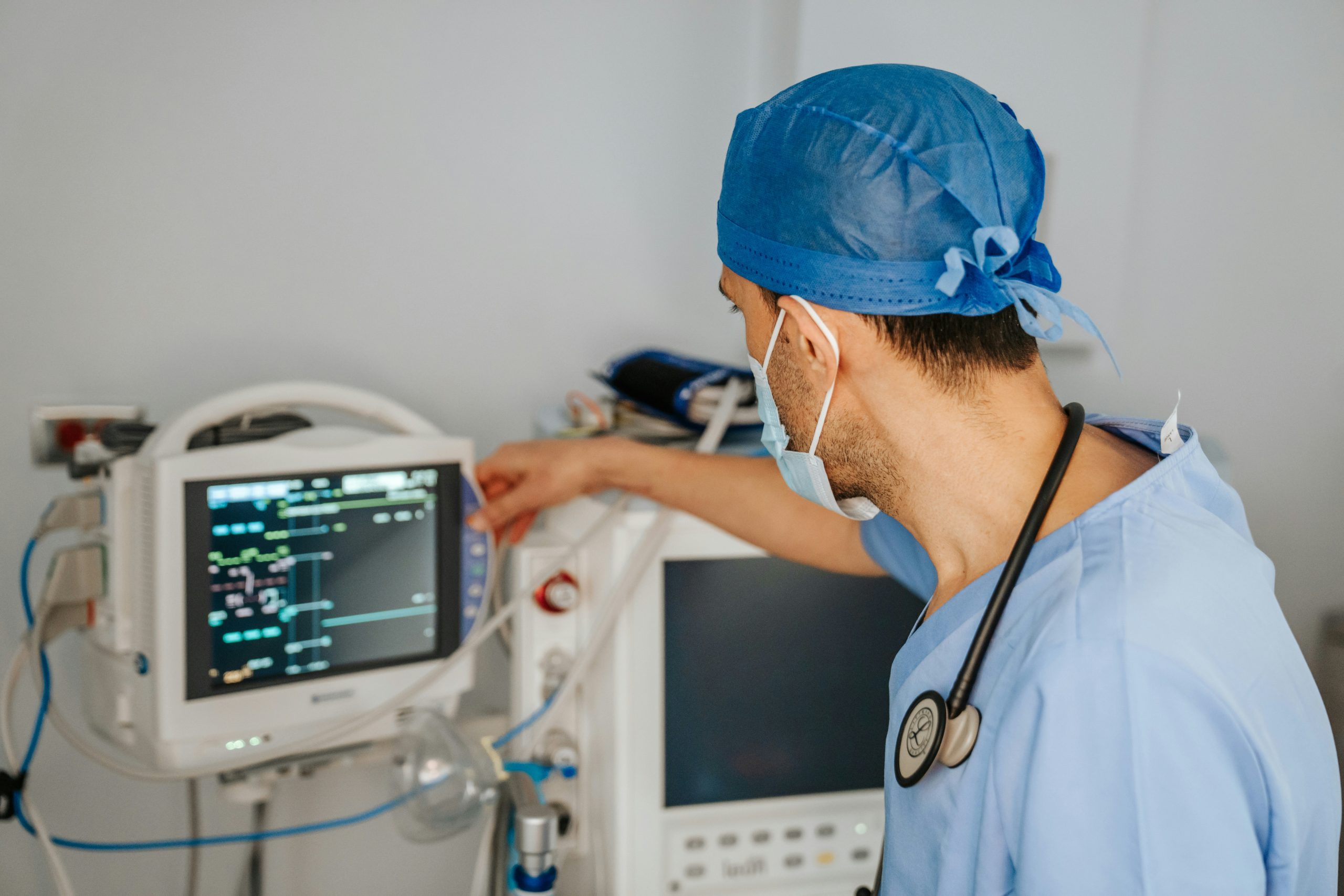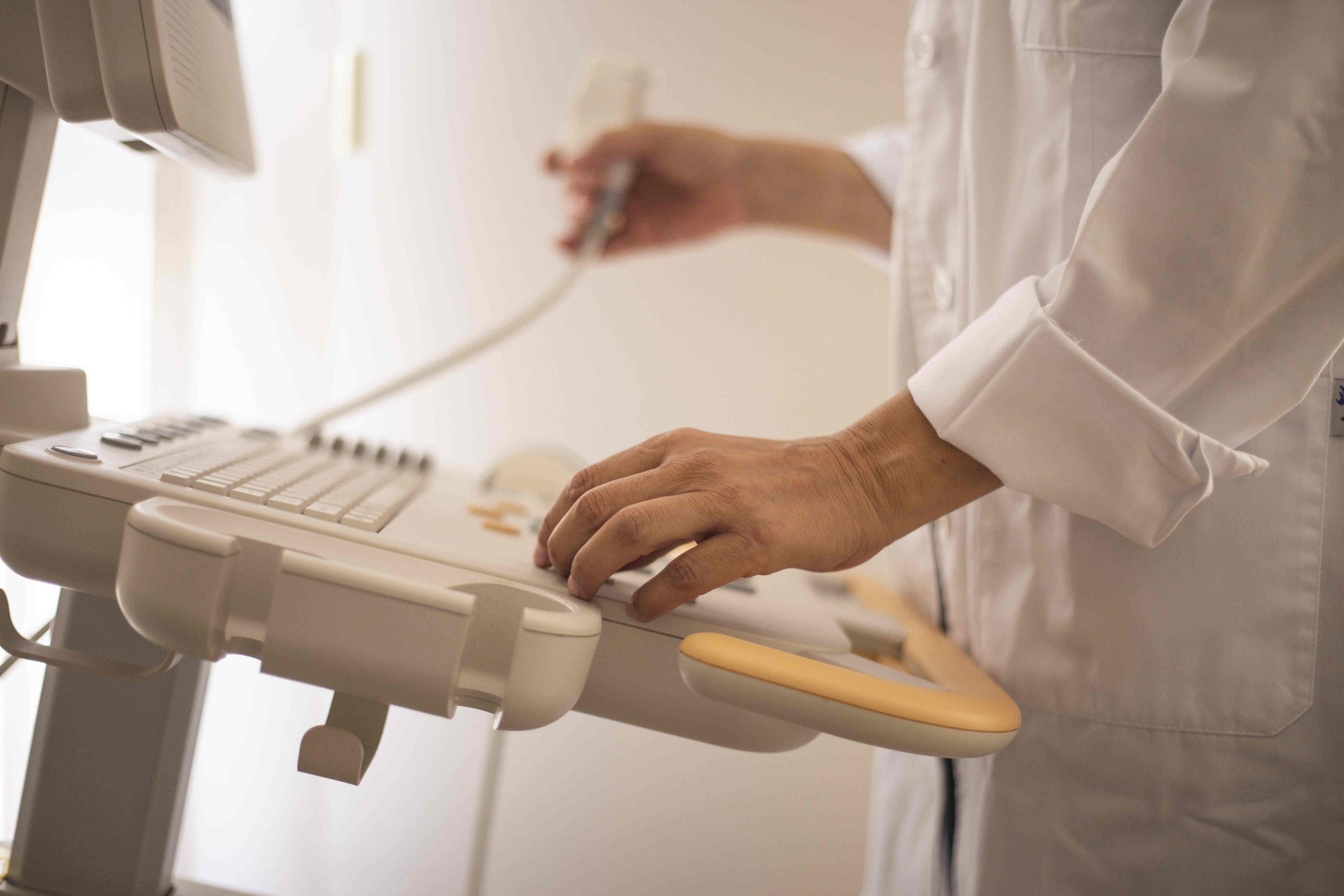
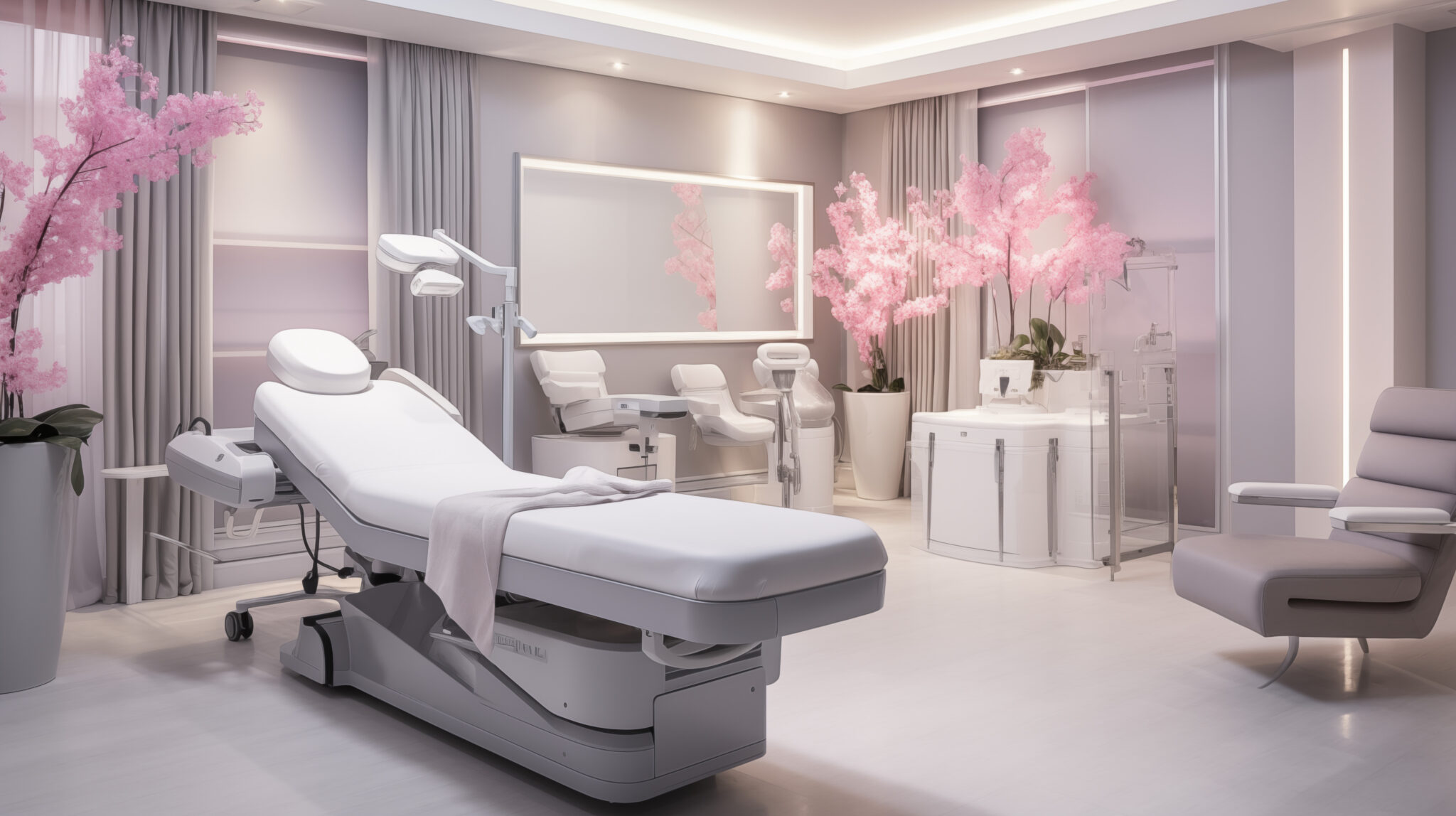
Exam tables, diagnostic tools, disposable gloves, hand sanitizers, and patient gowns are among the top exam room essentials for new healthcare practices. Foundational medical furniture such as stools, chairs, and cabinets supports day-to-day clinical work. Digital thermometers and blood pressure monitors assist with routine checks, while medical supply storage bins help keep the room organized. Clean linens and wipes ensure safe patient care. Easy-to-read labels and uncluttered designs help staff work efficiently while improving patient comfort. A computer or tablet for electronic records is now standard. Proper lighting and privacy screens support both staff and patients. These essentials help new healthcare teams operate safely, efficiently, and consistently.
Key Takeaways
- A well-equipped exam room is the foundation of safe, efficient, high-quality patient care, combining furniture, diagnostic tools, and clinical supplies in one functional space.
- Core furniture such as adjustable exam tables, ergonomic stools, patient chairs, and organized storage cabinets improves workflow, accessibility, and comfort.
- Essential diagnostic equipment—including digital thermometers, blood pressure monitors, stethoscopes, and vital signs monitors—supports accurate and efficient patient assessments.
- Infection control supplies like disposable gloves, hand sanitizers, masks, wipes, and patient gowns are critical for maintaining hygiene and preventing cross-contamination.
- Proper organization tools such as labeled storage bins, modular cabinetry, and clear layouts help reduce errors and improve efficiency.
- Technology integration (EHR systems, computers/tablets, telehealth tools, and patient portals) improves documentation, communication, and care coordination.
- Safety and emergency readiness—such as AEDs, first aid kits, alarms, and emergency protocols—help protect both patients and staff.
- Clean, well-lit, and thoughtfully designed exam rooms improve patient comfort and reduce anxiety.
- Smart budgeting and phased purchasing help new practices prioritize essentials while managing costs effectively.
- Regular maintenance, sanitation, and staff training ensure long-term safety, efficiency, and compliance.
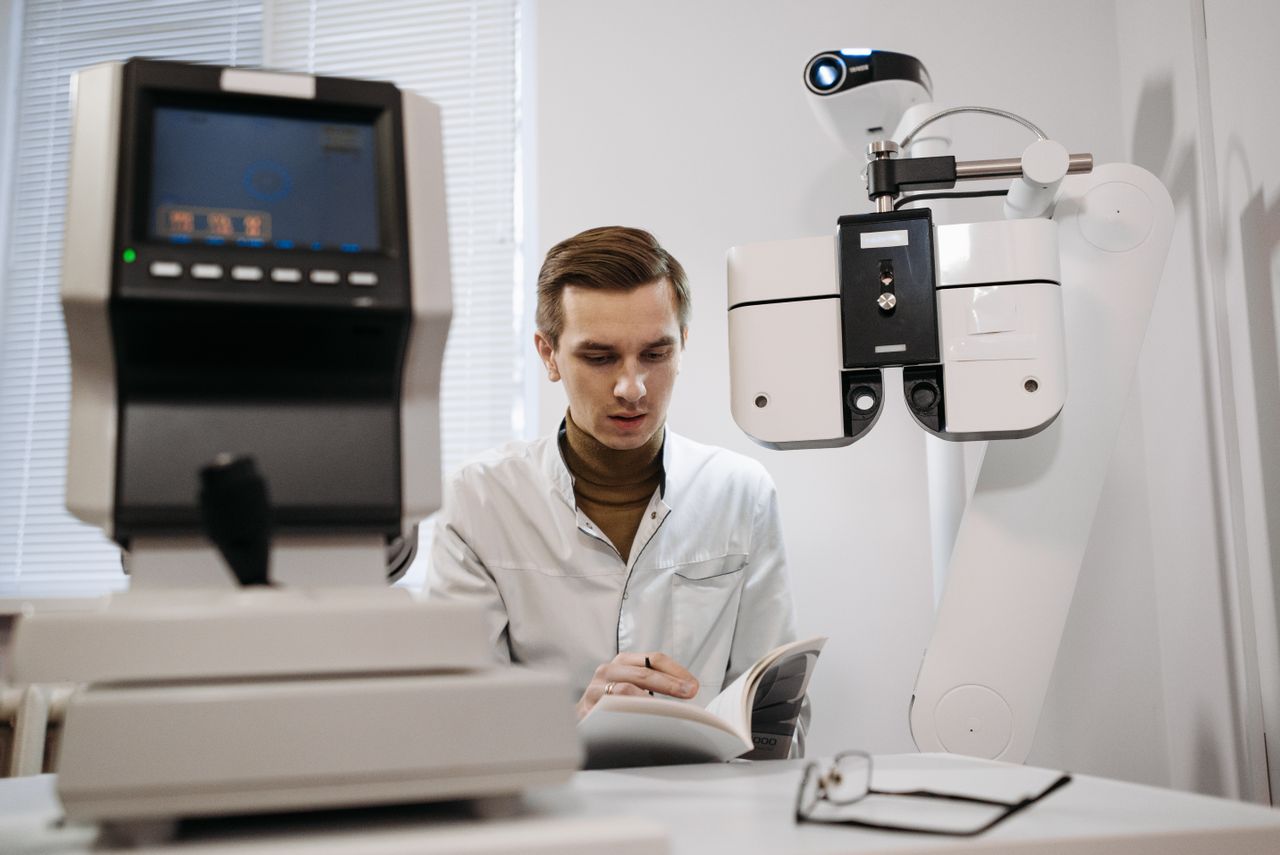
Core Exam Room Essentials
A well-stocked medical exam room is the foundation of any new medical practice. The right combination of furniture, diagnostic supplies, and clinical equipment ensures patient care is efficient, comfortable, and safe.
1. Foundational Furniture
- Adjustable exam table (low height access for patient comfort)
- Ergonomic stools for clinicians
- Patient and visitor chairs
- Workstation desks or counters
- Medical storage cabinets
- Direct and indirect lighting
An equipped exam room should prioritize accessibility and comfort. Ergonomic seating helps reduce fatigue for staff and improves patient experience. Modular cabinetry keeps supplies organized while maintaining quick access for efficient care. Proper lighting enhances visibility and supports accurate examinations.
2. Diagnostic Equipment
Essential exam rooms should include:
- Digital thermometers
- Stethoscopes
- Vital signs monitors
- Blood pressure monitors
- Otoscopes and ophthalmoscopes
- Reflex hammers
- Height and weight scales
Some rooms may also require specialized tools depending on the type of care provided. These devices ensure accurate monitoring of vital health indicators and support efficient patient assessments.
3. Essential Supplies
- Disposable gloves
- Masks
- Hand sanitizers
- Cleaning wipes
- Patient gowns
- Drapes and table paper
- Cotton swabs
These supplies support infection control, patient comfort, and smooth clinical workflow. Proper storage ensures quick access during examinations.
4. Safety Items
- Emergency alarms and call systems
- Automated external defibrillators (AEDs)
- First aid kits
- Protective gowns and face shields
- Clearly defined emergency protocols
Safety equipment should be accessible at all times and regularly maintained to ensure readiness during emergencies.
5. Administrative Tools
- Electronic Health Record (EHR) systems
- Appointment scheduling software
- Workstations or computers
- Secure storage for patient records
These tools help streamline documentation, reduce wait times, and improve coordination across patient care workflows.
Designing for Patient Experience
A well-designed exam room improves both clinical efficiency and patient satisfaction. Thoughtful layouts and patient-centered design contribute to better outcomes.
Workflow
Separating patient, provider, and supply zones improves efficiency and reduces unnecessary movement. Clear organization helps staff focus more on patient care and less on logistics. Digital check-in systems and automated processes further streamline operations.
Comfort
Comfortable seating, adjustable lighting, and temperature control help reduce patient anxiety. Calming colors and simple decor create a more welcoming environment. Accessibility features ensure patients of all mobility levels can be accommodated.
Privacy
Soundproofing, curtains, and secure record storage protect patient confidentiality. Staff training on privacy practices ensures consistent compliance even in busy environments.
Integrating Technology Seamlessly
Digital Records
Electronic Health Records (EHR) systems improve documentation accuracy and allow seamless integration with diagnostic tools. Proper staff training ensures efficient use and reduces errors. Regular backups and compliance with data protection standards are essential.
Telehealth Tools
Telehealth systems enable remote consultations and improve access to care. Easy-to-use platforms and secure connections are essential for maintaining efficiency and confidentiality.
Patient Portals
Patient portals allow individuals to access records, schedule appointments, and communicate securely with providers. Educational resources within portals help improve patient understanding and engagement.
Prioritizing Safety and Hygiene
Safety and hygiene form the foundation of every medical exam room. These guidelines safeguard both patients and healthcare providers and require a combination of carefully selected medical equipment, defined protocols, and continuous training. By prioritizing safety and hygiene, new healthcare practices in clinical settings reduce the risk of infection, contamination, and operational waste.
Infection Control
Masks help reduce airborne transmission and serve as a primary defense.
Gloves, especially chloroprene types, protect staff and patients from pathogens.
Surface disinfectants eliminate a broad range of harmful germs.
Modular vital signs monitors reduce cross-contact and streamline patient assessments.
Separate otoscopes, ophthalmoscopes, and disposable speculae help lower infection risks.
Strict sanitization is essential—patient beds, counters, and shared instruments must be disinfected after every appointment. Disinfectants designed for healthcare environments help eliminate resilient pathogens effectively.
Staff training is equally important. Proper instruction on wearing and removing PPE such as gloves and masks helps prevent accidental contamination or transmission. Regular reminders reinforce hygiene practices, especially during high-risk periods.
Frequent disinfection of all touchpoints—from door handles to diagnostic devices—reduces the risk of infection spread. Choosing easy-to-clean equipment supports efficiency and saves time during daily operations.
Waste Management
Safe waste disposal begins with structured protocols specific to healthcare environments. Each exam room should include clearly labeled bins for sharps, biohazard waste, and general waste. This improves safety and ensures compliance with health standards.
Staff must be trained to properly dispose of gloves, masks, and contaminated materials. Secure handling procedures—such as sealing biohazard bags and safely managing sharps—help protect everyone in the facility.
Regular audits help identify gaps in waste management practices. Adjusting bin placement and refining procedures over time improves convenience, cleanliness, and compliance with safety regulations.
Emergency Preparedness
Emergency kits should include masks, gloves, and disinfectants.
Staff should be trained in fire safety, spill response, and medical emergency procedures.
Exit routes and alarms must remain clear and fully functional.
Emergency contact lists and response protocols should be easily accessible.
Regular drills help ensure readiness in real situations, especially in medical exam rooms where emergency preparedness is critical. Having the right healthcare equipment and understanding how to use it can significantly improve response times and patient outcomes.
Ongoing training—such as recognizing allergic reactions or signs of distress—enhances patient safety and strengthens overall clinical preparedness.
Smart Budgeting Strategies
Smart budgeting in healthcare focuses on balancing quality patient care with financial efficiency. This approach goes beyond cost tracking and involves intentional decisions about medical exam room setup, prioritizing essential clinical equipment, and planning for future expansion. By focusing on necessities first, new practices can allocate resources effectively for efficient operations.
New vs. Refurbished Equipment
New Equipment Pros: Latest technology, full warranty coverage, longer lifespan, and consistent performance.
New Equipment Cons: Higher upfront cost, faster depreciation, and longer procurement timelines.
Refurbished Equipment Pros: Lower purchase cost, budget-friendly option, and reduced environmental impact.
Refurbished Equipment Cons: Shorter warranty, potential wear risks, and limited support depending on supplier.
When considering refurbished equipment, it is important to work with reliable suppliers that provide certification and warranty coverage. After-sales support and maintenance services can also improve long-term usability and ensure reliable performance in clinical settings.
Equipment Cost Comparison
Equipment Type | New Cost | Refurbished Cost |
Exam Table | 1,200 | 700 |
Otoscope Set | 300 | 150 |
ECG Machine | 2,000 | 1,100 |
Durability vs. Cost
Equipment | Durability (Years) | Cost | Notes |
Metal Exam Table | 15 | 1,200 | High durability, easy to clean |
Plastic Chair | 5 | 80 | Low cost, less durable |
LED Lamp | 10 | 200 | Energy efficient and reliable |
Manual Scale | 12 | 400 | Low maintenance, long lifespan |
Opt for durable, well-designed healthcare equipment that can withstand daily clinical use. While lower-cost options may seem attractive, long-term reliability and safety should always be prioritized. Total cost of ownership—including maintenance and replacement cycles—should guide purchasing decisions.
Phased Purchasing
When starting a medical practice, focus first on essential items such as exam tables, diagnostic tools, and basic seating for exam rooms. Additional specialized equipment can be added gradually as patient needs grow.
Monitoring market trends and seasonal pricing can help optimize purchasing decisions. A phased approach helps maintain cash flow, reduce financial risk, and provide flexibility as the practice expands.
Beyond the Checklist
Top medical exam room essentials go well beyond a simple checklist. A comprehensive medical supply checklist is fundamental, as new medical practices need to emphasize flexibility, ergonomics, and emerging trends. This includes preparing examination rooms and teams to manage continual transformation, patient variance, and shifting treatment norms.
Future-Proofing
Medical technology moves quickly. Flexible tools—think modular diagnostic carts, digital otoscopes, or mobile ultrasound machines—enable clinics to pivot with new care guidelines. Flexible layouts, including movable partitions and multi-purpose workstations, allow exam rooms to accommodate various specialties without undergoing significant renovations. To prepare for growth, practices should opt for scalable solutions, such as integrated diagnostic systems that can bring all your key tools and patient data together to minimize clutter and facilitate telemedicine when necessary.
By staying ahead of healthcare trends like remote monitoring, point-of-care testing, or telehealth, clinics can remain relevant and meet patient demand. Frequent review and updating of medical supply lists, including essential PPE, keeps supplies fresh and regulatory compliant. This forward-thinking strategy ensures exam rooms are equipped for new demands, not just immediate requirements.
Staff Ergonomics
When staff are comfortable and safe, they are productive and happy. Ergonomic chairs, height-adjustable tables, and supportive flooring assist in staving off repetitive strain and fatigue over long shifts. Safe lifting and movement training keeps the injuries down. Positioning monitors, storage, and tools nearby reduces unnecessary stretching or twisting.
Mini-breaks and stretches allow employees to really rest, recharge, and avoid burnout. Clear-path, adjustable fixture workspaces help everyone—from doctors to assistants—work efficiently. Accessibility is not only for patients, but all staff should be able to move and work without strain as well which meets global standards such as the ADA.
Patient Education
Putting patients in charge begins with transparency. Handouts, posters, and digital resources—like interactive tablets—demystify complicated conditions. Open communication enables patients to inquire and be involved in their care decisions, increasing engagement and trust.
Digital kiosks and apps could guide patients through treatment plans or explain lab results on the spot. Clinics that cultivate a learning culture, providing continuing education for staff and patients alike, experience improved results and increased satisfaction. Connected stock systems ensure that lesson supplies and medical essentials are always replenished and current.
Conclusion
Design a rock solid practice with the right tools and a plan. Ensure you’ve got stocked the basics like sturdy exam tables, simple lighting, and solid storage. Introduce technology that assists with record-keeping and reduces errors. Sanitized instruments and secure counters demonstrate attention and maintain patients well. Smart spending keeps costs in check without cutting care. A calm, easy space puts patients at ease and helps staff work well. Remember, use what works for your team and your patients! Be open to small hacks and new concepts. For more tips or to share your own setup wins hop over to our blog or drop us a note. Each step designs a room that functions for all.