

Clinics must adopt rigorous safety measures with injectable pharmaceuticals to reduce danger and protect both employees and patients. Potent: Best practices for clinics with injectable meds. Employees require quality training in administration, storing, and injecting to detect and correct errors quickly. Clinics should verify medicines for expiration, damage and correct storage temperature, maintain records of patients and adverse reactions. Abiding by national and local regulations assists clinics in maintaining quality care and reducing the risk of infection or mistakes. They then detail each measure, providing tips and explicit steps for safe, consistent practice in any clinic that deals with injectable medications.
Key Takeaways
- With injectable pharmaceuticals, clinics must establish stringent aseptic practices, efficient sharps handling, and comprehensive disposal procedures to mitigate infection hazards and facilitate safe drug delivery.
- Comprehensive staff training, routine competency evaluations, and continual education to sustain safe injection skills and respond to emerging recommendations.
- Implementation of technology, like electronic health records and barcode scanning, can go a long way to minimizing medication errors and increasing traceability in medication handling.
- Routine quality audits, incident reporting mechanisms, and transparent communication cultivate a safety culture, enabling ongoing enhancement and responsibility in clinical environments.
- Patient verification with multiple identifiers and active patient involvement in the care process are important procedures to reduce errors and encourage patient safety.
- In addition to infection control standards, standard precautions and staff training, clinics need to deal with drug diversion, employee exposure to hazardous agents and staff psychological well-being to truly have a comprehensive approach to safety for healthcare workers and patients.
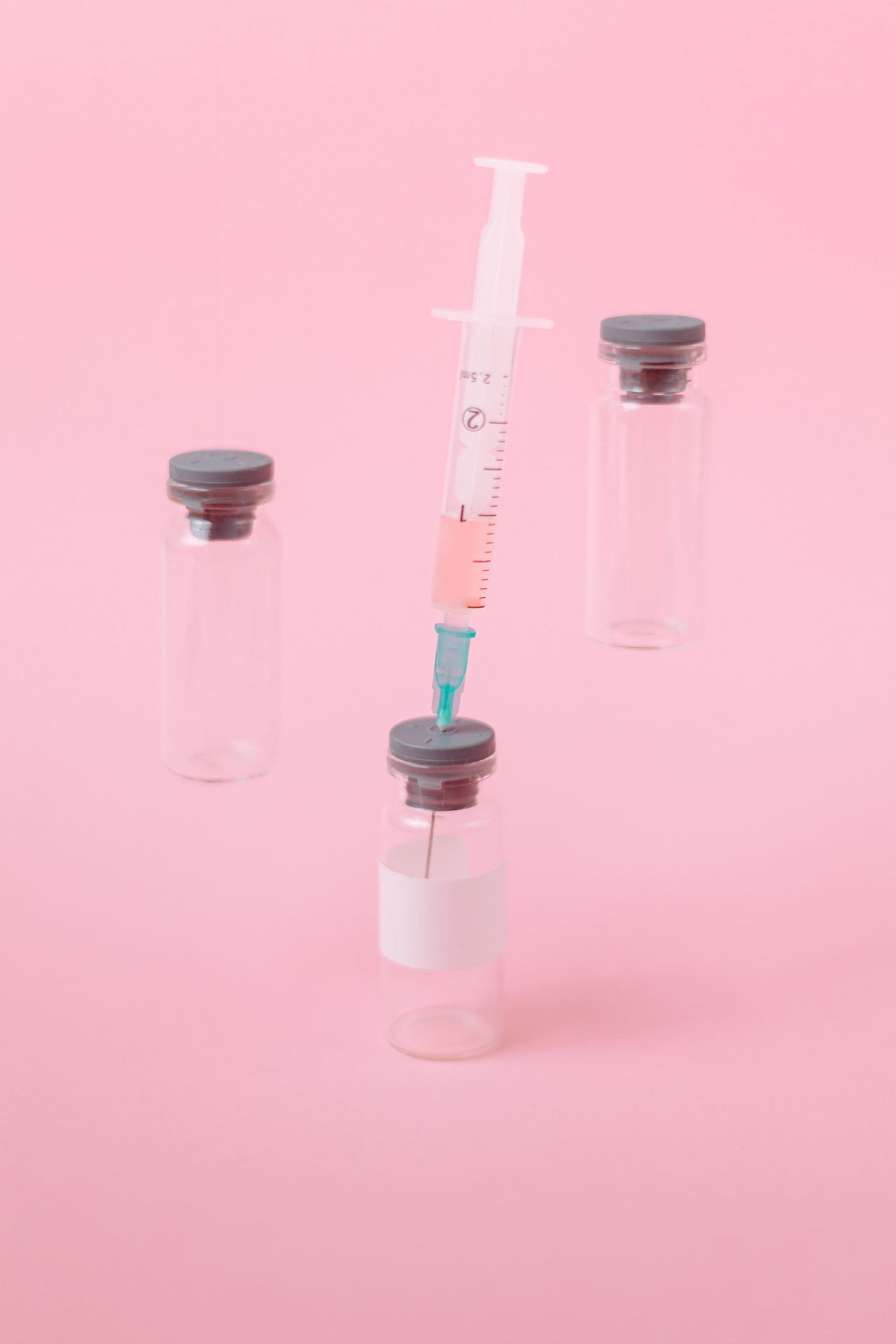
Why Safety Is Paramount
Patient safety is the heart of why clinics adhere to stringent regulations around commercially available injectable medications. These regulations exist not simply to protect patients who receive treatment, but to keep the entire healthcare ecosystem robust. Unsafe injection practices can have consequences that extend far beyond one patient—they impact public health.
Unsafe injections can transmit diseases like hepatitis B, C and even HIV when needles or syringes are reused. Bacterial and fungal infections can be transmitted to a patient from another patient if the equipment is not disposable or vials are shared without proper precautions. For instance, utilizing the same syringe on multiple individuals or ignoring an aseptic technique, like neglecting hand and rubber stopper sanitization, endangers patients to fatal infections. Even multi-dose vials, used for more than one patient, can cause contamination and disease transmission.
Abiding by safety procedures is not only a protocol, but an imperative to protect patients. It’s one of the most important rules — “One Needle, One Syringe, Only One Time.” This simple principle prevents cross-contamination and limits the spread of disease from person to person. Clinics must restrict the sharing of vials, treat multi-dose vials with caution and always select the smallest vial necessary to minimize waste and risk. Aseptic technique—everything including tools, hands, and surfaces—should be a habit every day for all staff. When these steps are missed, patients can develop bloodstream infections, bacterial meningitis or other major complications.
A clinic’s safety culture is the main thing that sustains these standards. Personnel should understand why safety measures are important and feel comfortable reporting if something is amiss. Regular training keeps everyone on their toes. Defined protocols, collaboration and transparent communication about patient safety issues can assist clinics in bypassing errors and deliver improved care to everyone.
Unsafe Practice | Example | Consequence |
Reusing needles/syringes | Using same syringe for 2 people | Spreads HIV, hepatitis B/C |
Not using aseptic technique | Not cleaning vial stopper | Bacterial/fungal infection |
Sharing single-use vials | One vial for many patients | Cross-contamination, infections |
Essential Clinic Safety Measures
To protect patients and staff while administering injectable pharmaceuticals, clinics must adhere to key safety practices, including safe injection practices and medication preparation protocols, to reduce the risk of infection and medication errors.
- Always use aseptic technique when preparing and giving injections.
- To never use single-use medications on multiple patients.
- Utilize single-dose vials as frequently as possible, no sharing between patients.
- If multidose vials are used, access them only with sterile needles and syringes.
- Sharps such as needles and syringes must be treated and disposed of carefully.
- All contaminated waste including used injection equipment needs to be disposed of according to stringent policies.
- Need to check patient identity prior to injection.
1. Medication Handling
All injectable drugs should be prepared in a designated room for safe injection practices to help reduce the risk of infection. Single-dose vials are the safest option, as they eliminate the potential for cross-contamination among patients. If necessary, multi-dose vials may be accessed, but every entry must utilize a new, sterile needle and syringe to ensure injection safety. Never reuse a syringe — even if you change the needle or use IV tubing. Store multi-dose vials as the manufacturer directs and dispose of them if sterility is ever in question. Label each vial and syringe and maintain solid documentation to prevent errors.
2. Aseptic Technique
All employees need to be familiar with and apply safe injection practices. This includes using sterile equipment and practicing hand hygiene when preparing and administering injections, without cutting corners. Clinics must monitor staff compliance with these protocols, seeking improvement. Routine training and checklists help us remember the proper steps. Neglecting to use aseptic technique can lead to infections that endanger patients’ lives.
3. Sharps Management
Sharps containers in EVERY shot room are crucial for injection safety. Clinic staff need to understand safe injection practices for disposing of needles and syringes properly to prevent injuries and control practices. Monitoring how sharps are handled can catch problems early, emphasizing the importance of adhering to safety practices to avoid unsafe injection practices.
4. Disposal Protocols
Each clinic should have explicit protocols for disposing of used needles and other waste, adhering to safe injection practices. Waste bins should be marked and accessible to ensure compliance with safety practices. Audits help identify where unsafe injection practices could go haywire, emphasizing the importance of infection control practices for everyone’s safety.
5. Patient Verification
Prior to any injection, the clinic must verify the patient’s identity with at least two identifiers, such as name and date of birth. This step is vital for injection safety, as including the patient assists in error detection and ensures adherence to safe injection practices, recording who received what and when.
Beyond the Needle: Systemic Safeguards
Safe injectable drugs go beyond the needle, emphasizing the importance of safe injection practices in healthcare settings. Clinics require robust processes to ensure that every stage, from storage to follow-up, is secure, including adherence to infection control practices. That means leveraging the proper tools, auditing work frequently, and maintaining open communication channels. Habits and rules hardwired into the system guard patients and staff alike, as even minor errors can have macro consequences.
Technology Integration
Barcode scanning is now key in most modern clinics. This tool helps match the right drug to the right patient by checking medication labels and patient IDs pre shot. It prevents mistakes and gives employees a chance to cross-verify every step of the procedure. Electronic health records (EHRs) provide an additional layer. They maintain real-time records, monitor doses and trigger alerts if something appears amiss. This reduces mistakes and allows employees to monitor trends among multiple patients.
Telehealth platforms are helping. Clinics can leverage them to educate patients on safe injection, such as single-use needles and not sharing vials, even when the patient is not in the clinic. Automated dispensing cabinets keep drugs safe, too. They monitor each injection and dispense only what is ordered, reducing potential for mix-ups or incorrect doses.
Quality Audits
- Go beyond the needle: systemic safeguards
- Inspect medication cabinets, single-use device policies and documentation.
- Infusions are used within 24hrs and vials dated and discarded as appropriate.
- Collect staff feedback on what acts and where dangers are.
- Report it and share it with the clinic team.
Leverage audit findings to identify additional training needs related to safe injection practices. If staff have trouble with proper vial dating or safe handling guidelines, workshops can address these gaps. By sharing results with everyone — not just leadership — you can foster trust and reinforce that injection safety is a team objective among all staff.
Incident Reporting
One big step is making sure staff feel safe to report mistakes. Clinics should emphasize that reporting is not about fault, it is about solving issues. Training should include identifying and recording every problem, even close calls, such as reusing a syringe for multiple patients. This aids in identifying issues before it becomes a larger problem.
Each report should be screened for trends, such as recurring problems with multi-dose vials or contaminated needles that were re-used. If something continues to emerge, clinics can rapidly revise protocols or provide additional training. Over time, these reports help inform better rules and keep patients safe.
The Human Element in Safety
There’s a human factor here in the safety of injectable pharmaceuticals. Even the harshest rules can be sabotaged by tiredness, stress, habit, or forgetfulness. Research reveals that approximately 20-36% of personnel forego protective gowns and 8-10% forego chemotherapy gloves when administering hazardous medications. Unsafe injection practices contribute to environmental contamination, with over 80 studies discovering measurable drug residues in clinic environments, occasionally impacting individuals not directly involved in medication preparation. Compliance with safety practices can decline due to individual habits and organizational culture. Continuing education and practical evaluation are essential, as exposure can occur through breathing, eyes, or skin, and even transdermal exposure. Prolonged exposure is dangerous: 80% of hazardous drugs can cause fetal harm during pregnancy.
Staff Competency
A complete approach to staff competency starts with regular skill checks that emphasize safe handling guidelines. Assessment should not just test knowledge but also evaluate how well staff follow procedures in real scenarios. Ongoing training—covering the latest injection safety guidelines, updated protocols, and new risks—helps keep everyone sharp.
Mentor programs provide direction from experienced peers to more junior staff, enabling them to develop good habits early. For instance, we pair a new nurse with a senior nurse during the first few months to instill safe injection practices and minimize unsafe injection practices.
Real-world drills and observations matter as well. By observing staff in action—not just in training—leaders can identify vulnerabilities such as missed steps or ill-used gloves. Feedback can be timely, useful, and encouraging, oriented towards improving, not blaming. A checklist for staff competency should include: proper use of protective gear, recognition of contamination risks, ability to explain protocols, and readiness to report safety issues.
Patient Education
Patients need straightforward educational handouts explaining what they should expect from injections and why safety precautions are important. Visual aids, such as diagrams or short videos, can help parse complicated concepts so patients aren’t overloaded.
Clinics can provide individual sessions where patients pose questions or express concerns. This aids confidence and promotes candid discussion of any post-treatment effects or worries. Encouraging patients to speak up makes things safer because feedback can catch problems that staff might otherwise overlook.
Leadership Culture
Leaders need to prioritize safety as a core clinic value. They can demonstrate this by consistently adhering to procedures themselves and incorporating safety into every decision.
Conducting weekly safety meetings gives employees a chance to discuss what works and what doesn’t. Employees should be comfortable suggesting or speaking up, confident management will hear–not penalize. Acknowledging and rewarding compliance — even with a bit of praise — reinforces good behavior and keeps safety a group effort.
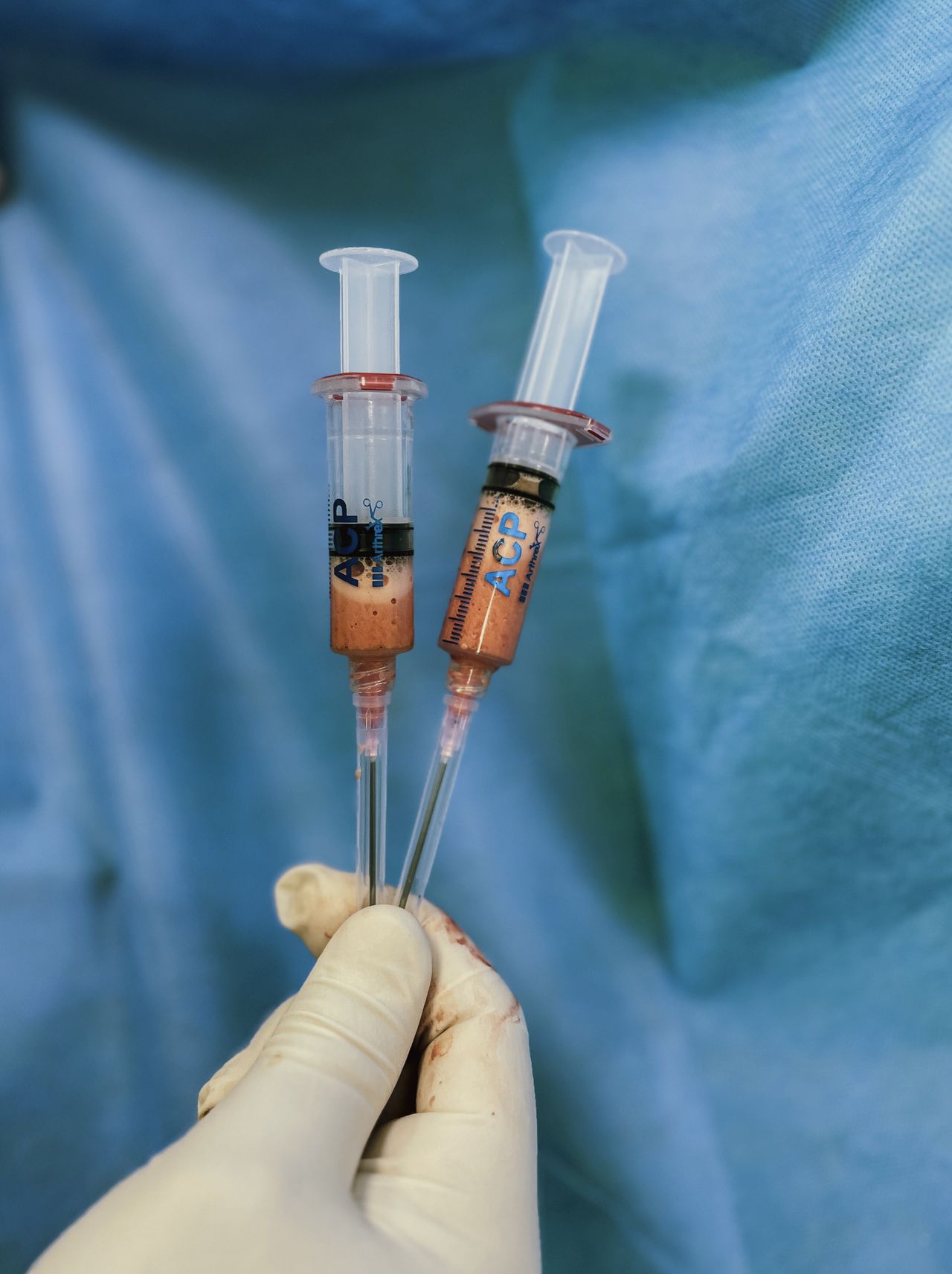
Mitigating Pharmaceutical Risks
Security with injectable pharmaceuticals begins with sturdy hazard mitigation plans, transparent protocols, and persistent employees training to ensure safe injection practices. Clinics have a broad spectrum of drugs, including dangerous ones associated with occupational hazards like unsafe injection practices. Research indicates pill contamination is prevalent in treatment environments, and contact can cause symptoms such as nausea or migraines. Implementing appropriate controls, training, and monitoring reduces these risks for both patients and healthcare personnel.
Contamination Prevention Strategies | Risk Management Plans |
Rigorous cleaning protocols | Adverse event monitoring |
Use of PPE and engineering controls | Staff training programs |
Routine environmental monitoring | Medical surveillance |
Proper waste disposal | Inventory management |
Storage Integrity
Keeping medicines safe begins with proper storage. Injectable pharmaceuticals require a controlled environment of temperature and humidity, or they can degrade quickly. Excessive heat or excessive moisture can alter drugs’ effectiveness, occasionally rendering them unsafe. Frequently inspecting storage areas and employing data loggers assists in identifying issues before they escalate.
Inventory systems capture batch numbers and expiration dates. This keeps expired meds out of the patient’s hands. The crew needs to recognize a compromised vial or a fridge that’s too hot. They need actual training, not just manuals, so they can move quickly if something’s amiss. When drugs expire, clinics require an established protocol to dispose of them properly.
Contamination Prevention
A tidy desk is key. All surfaces used to prep injectables should be disinfected with hospital-grade cleaners. Nurses should wear gloves, gowns and masks, but not rely on PPE alone. Special equipment such as biological safety cabinets and isolators provide an additional level of separation between medications and humans.
Regular screening for drug residue — on countertops, gloves, even uniforms — can detect issues early. Employees require consistent reminders why these measures are significant. Bio-monitoring studies indicate that even tiny leaks or spills put workers at risk. Clinics must have standards for sterilization, testing and reporting of any contamination.
Adverse Events
Any adverse drug reaction should be reported immediately. Clinics should have paper and online forms for easy, fast reporting. Staff must identify red flags such as swelling, fever, or allergic reactions and understand the next steps to take in these situations.
All reports are reviewed and discussed by teams so patterns may be identified. If one drug produces more side effects, the procedure might switch. Outputs are shared in weekly staff meetings to keep everyone in the loop. Medical checks for workers who process hazardous medicines are important, ensuring health impacts are noticed ahead.
The Unseen Dangers
Injectable pharmaceuticals provide tangible benefits but also pose risks in the clinical setting, especially when unsafe injection practices are involved. Errors or hazardous practices can lead to illness transmission and employee injury. Clinics need to establish rigorous infection control practices and safe handling guidelines to protect both patients and employees from potential health hazards.
Drug Diversion
Drug diversion refers to the act of taking medicine off the shelf for one patient and using it for a different purpose, which can lead to unsafe injection practices. To combat this issue, clinics need to implement robust access policies, such as restricting access to locked drug cabinets with badges or codes, and monitoring who accesses them to reduce theft risk. Conducting frequent medicine stock audits can help identify discrepancies between vial or syringe counts and recorded data, which may indicate potential diversion or unsafe use. Inspections should be random and documented, and employees must be educated about the symptoms of diversion—such as unaccounted medications or vial contamination—and understand how to report concerns. Establishing a standard procedure for investigating such incidents fosters confidence and responsibility among staff.
Reusing single-dose vials or syringes, even just once, poses significant risks, as it can transmit diseases such as hepatitis B, hepatitis C, and HIV. Unsafe injections, including the reuse of needles or syringes on multiple patients or reinserting a used syringe into a shared vial, are practices that clinics must strictly avoid to ensure injection safety.
Employee Exposure
Carelessly managing toxic drugs can hurt employees. Training should address everything from dermal exposure to vapor inhalation. Clinics have to provide gloves, masks and eye guards — never let staff work without. Test every laborer’s health frequently, so clinics can identify exposure early. There should be defined protocols for when spills or accidents occur. For instance, if a team member has a drug on their skin, they need to know where the emergency wash station is and what to do from there.
If employees draw up injections without aseptic technique, infections can occur. This risk increases with multidose vials or following spinal injections, where bacteria can lead to meningitis.
Psychological Impact
Dealing with these lethal drugs and such dangerous backgrounds takes a toll on my psyche. Clinics need to provide resources for stress, anxiety, and burnout, while also ensuring injection safety through comprehensive safety programs. Staff must feel safe addressing concerns, without fear. Wellness initiatives—group discussions, hotlines, or meditation workshops—assist employees in developing fortitude. A clinic’s culture should prize mental health as much as physical safety, ensuring help is ever-present.
Conclusion
To protect patients in clinics with injectable medicines, teams have to do more than comply. Personnel need to verify every label, wear sterile equipment and properly store medications. Periodic inspections catch minor problems before they become bigger. Training ensures every employee understands the process from beginning to end. Not even the slickest tech can substitute for vigilant eyes and hands. Clinics that define specific safety protocols reduce the hazard for staff and patients. Safety requires everyone to chip in, from executives to trainees. To make a difference, disseminate best practices and continue the education. Come with your own thoughts, pose difficult inquiries and assist your squad establish a more secure environment for everyone.