
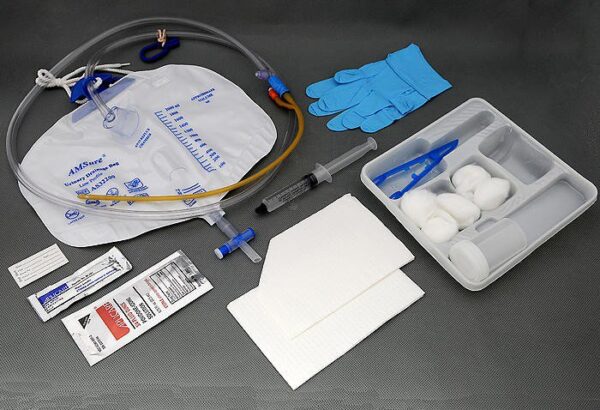
Where can clinics obtain epinephrine injection supplies These sources adhere to stringent quality and storage regulations, enabling clinics to comply with healthcare standards and ensure patient safety. Some clinics rely on direct orders from reliable suppliers or opt to purchase via group purchasing organizations to minimize expenses and maintain consistent inventory. A few even provide bulk buying options, next-day shipping, and assistance with paperwork for streamlined ordering. In certain areas, local pharmacy wholesalers also hold stock for clinics that require rapid re-supply. Understanding where clinics can get epinephrine injection supplies empowers them to maintain adequate inventory and comply with safety regulations. The following sections reveal what to check prior to purchase and advice on storing safely.
Key Takeaways
- Clinics can source epinephrine injection supplies from direct manufacturers, pharmaceutical distributors, group purchasing organizations, specialty pharmacies, and governmental agencies to ensure a reliable and diverse supply chain.
- Know the regulatory landscape: Ensure that you are aware of and comply with all global regulations pertaining to epinephrine injectors, such as licensing, importation rules, and documentation standards, to prevent delays or legal obstacles.
- Ensuring supplier integrity with vetting, product authentication and cold chain management authentication maintains the safety and efficacy of epinephrine supplies.
- With cooperative purchasing and participation in GPOs, clinics can have access to better prices and reduce procurement costs.
- Having contingency plans, supply chain disruption mechanisms and recall protocols in place makes a clinic more resilient in the face of shortages and product recalls.
- By emphasizing ethical sourcing, which encompasses sustainability, equitable access, and manufacturer transparency, clinics can contribute to public health and community well-being.
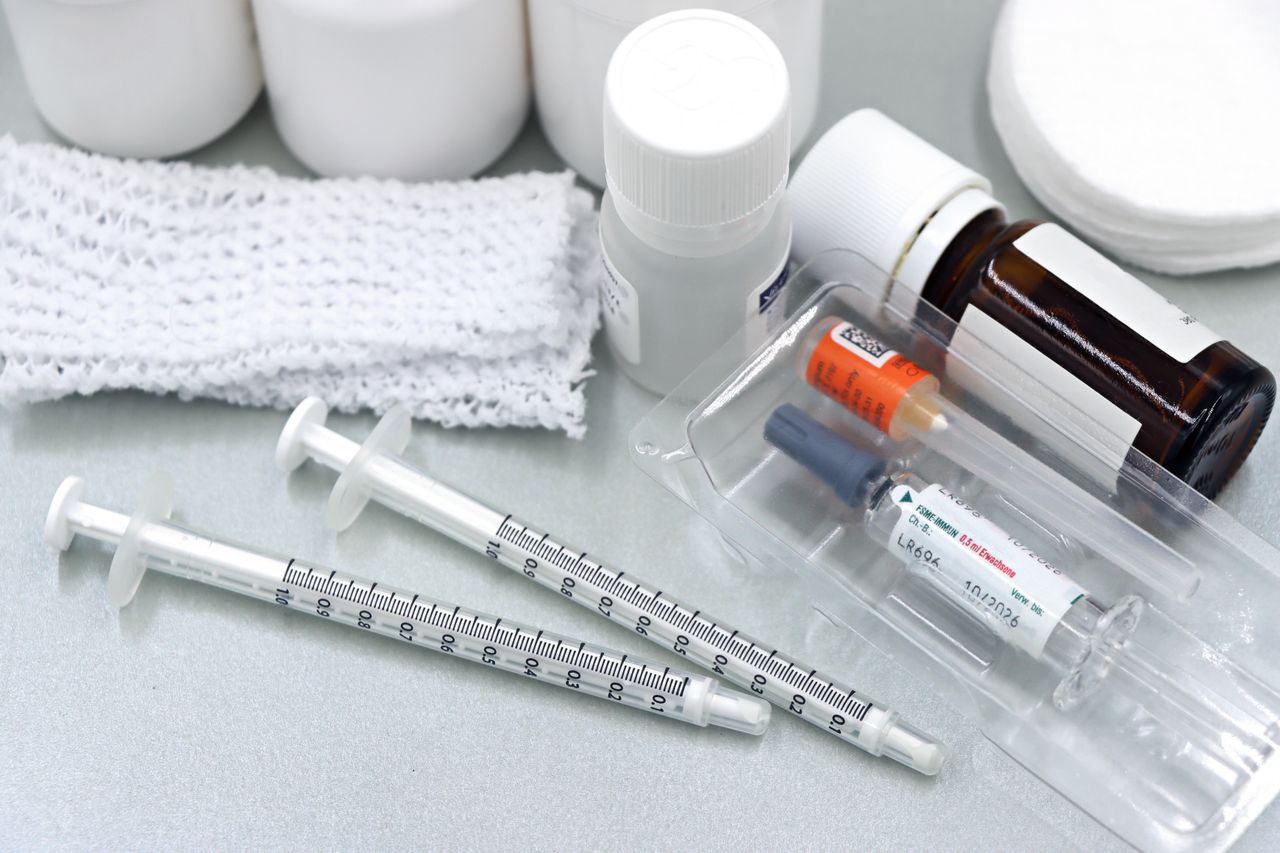
Key Sourcing Channels for Epinephrine
Clinics can obtain epinephrine autoinjectors from multiple sourcing channels, each with advantages and hazards. Selecting the appropriate source enables clinics to maintain a consistent supply of epinephrine injections to meet emergency treatment requirements.
1. Direct Manufacturers
A few clinics get their epinephrine straight from the manufacturers, and these companies often provide synthetic and animal-derived products with main sources being adrenal glands from bovine or porcine or completely lab-based, with regards to epinephrine, key sourcing channels.
Direct orders with manufacturers can help clinics guarantee a reliable supply and predictable cost. This gives clinics a chance to inquire about product dependability, expiration dates, and if there’s a return policy. Direct buying might necessitate that clinics establish accounts and maneuver through order minimums, but it can assist in eliminating additional expenses from intermediaries.
2. Pharmaceutical Distributors
Pharmaceutical distributors are crucial in distributing epinephrine to clinics globally. They control the supply chains, they source from licensed manufacturers, and they control storage and distribution. Clinics can price shop, inventory check and even request volume discounts.
Distributors have to meet strict regulations, so clinics should always verify their permits and licensing. Some wholesalers take exclusively bulk orders and others cater to smaller practices with no or low minimums. Selecting the appropriate partner varies based on the clinic’s size and patient needs.
3. Group Purchasing Organizations
GPOs assist clinics by aggregating purchasing power, which can reduce costs and increase access to epinephrine. Being part of a GPO often means access to these contracts, so clinics can easily partner with a trusted source. Certain GPOs provide additional services such as order tracking and benchmarking of best practices.
Membership fees and contract policies vary, so it’s wise to check advantages and terms. For clinics working in networks or bigger systems, GPOs can add even more savings and assist with tame supply chain swings.
4. Specialty Pharmacies
Specialty pharmacy which specializes in allergy and emergency medicines provides various formats of epinephrine such as auto-injectors and ampoules. Or they could offer additional training to staff or patients on how to use injectors safely.
Certain specialty pharmacies have custom kits or patient-specific dosing available as well, which could be helpful for specialized clinics. These pharmacies typically maintain strong relationships with manufacturers and can provide superior tracking for expiration dates and recalls.
5. Governmental Agencies
Regulatory bodies regulate the production and distribution of epinephrine. A few locations do have public programs to assist clinics in sourcing emergency supplies or subsidising purchases by grants. Clinics can track health department updates to discover new funding or bulk buying opportunities.
Certain governments provide clinics with protocols, quality controls, and traceability throughout the supply chain for security. These initiatives frequently focus on rural or under-served regions where access is more tenuous.
Navigating Global Regulatory Frameworks
Regulatory frameworks dictate how clinics may source, store, and dispense epinephrine autoinjectors, such as EpiPens, to ensure patient safety and minimize medication errors. This compliance is crucial for managing allergic reactions and emergencies, a lesson learned from past pharmaceutical mishaps. Global standards, like those from the ICH, guide clinics in meeting quality controls across regions.
Licensing Requirements
Each clinic needs to fulfill local licensing guidelines prior to procuring epinephrine. That typically requires clinics to register with health authorities and provide evidence of applicable certifications. All healthcare professionals who administer or provide epinephrine need to be licensed. Maintaining these records up-to-date prevents compliance issues at audit time.
Certain countries, however, mandate additional actions — for instance, third-party certification, particularly for class II devices. The move to third-party oversight by 2011 for these devices was a new stage of regulation. In reality, clinics must consult their health ministry or regulator for specifics, as this varies. In many cases, licensing standards mirror larger laws enacted following incidents that exposed holes in patient safety.
Importation Rules
Importing epinephrine from global suppliers requires precise strategizing. Clinics need to adhere to all customs regulations, which could involve specific permits or declarations when dealing with medicines. Absent paperwork can delay or even result in seizures at the border. Need to consider tariffs and restrictions which could alter costs or prohibit access to specific products.
Each import must be accounted for with transparent documentation. Maintaining invoices, shipping, and supplier information on record assists with compliance. In several territories, regulations concerning the import of medical products are aligned with the new international norms, like 2000/747. Clinics sourcing from overseas need to stay on top of these changes or risk supply disruption.
Documentation Standards
Clinics require robust systems to record every step of epinephrine distribution. Manage orders, prescriptions and delivery confirmations. Tracking inventory and expiry dates is required in many jurisdictions, which helps prevent medication errors and waste. Metric notation, such as 5 mcg/mL, is now the standard, to prevent confusion.
Maintaining thorough records isn’t simply a matter of regulatory requirements. It additionally assists clinics in identifying usage patterns and preparing resupply. Audits are ubiquitous, so everything has to be up to regulatory standards for traceability and transparency. Embracing these practices is critical for patient safety and keeping regulators’ trust.
How to Verify Supply Integrity
Supply integrity is crucial for all clinics procuring epinephrine autoinjectors. How clinics verify supply impacts not just the quality of the product but also patient safety and trust. Cutting corners on sourcing or verification could result in distributing fraudulent or volatile items, endangering lives during allergic reactions. Adhering to proper protocols ensures the safety and security of the drug supply for everyone.
Supplier Vetting
Begin with a checklist spanning supplier location, licensing, regulatory compliance and track record. Each supplier should demonstrate compliance with all applicable regulations, such as USP 797 for compounding pharmacies, and comply with all federal and local regulations. Seek a strong track record—check online reviews, news reports, and any record of recalls or infractions.
Request references from other clinics and health centers have bought from the same supplier. This demonstrates how suppliers manage problems and maintain safety. Be sure to look for valid certifications, for example from the health authorities or industry groups. Steer clear of suppliers who can’t produce this documentation or who work outside authorized channels — such as some overseas producers that might not comply with your nation’s safety regulations.
Product Authentication
Employ technology to validate epipens on arrival. A lot of products these days come with their own unique code, like a QR code or a serial number, which you can then scan to view where and how they were produced. Verify these marks before stocking medicines.
Educate employees to identify fake merchandise–train them on how the packaging, labels and seals should appear. If it doesn’t match, staff should know how to report it and keep those products out. If any item doesn’t pass these tests, have a no-nonsense policy for sending it back to the supplier. It keeps counterfeit or dangerous products out of patients’ hands.
Cold Chain Management
Establish a delivery protocol for maintaining epinephrine’s proper temperature. Use Thermometers or Data Loggers to Monitor Temps at Every Stage of the Journey Even brief upswings in temperature beyond suggested thresholds can degrade the medication.
Employees must understand why temperature checks are important as well as tracking devices. Audit your cold chain processes regularly, especially following any hiccups or supplier switches. These routine inspections ensure that all regulations are met and medications remain secure.
Understanding Financial Implications
Sourcing epinephrine autoinjectors for emergency treatment has various financial considerations, including supply chain risks and reimbursement policies that influence the clinic’s margins and the availability of epipens for allergic reactions.
- Significant cost differentials among markets, with Europe frequently paying as much as 10 times less than the US.
- Supply chain interruptions may cost you more in emergency expenses and lost reach.
- National policies and market access determine both availability and price.
- While bulk buying, group purchasing and research incentives can drive your costs down, they take planning.
- Clinics have to follow reimbursement updates and train staff so that payments don’t get lost.
- Global differences in access, especially for outpatients, add complexity.
Cost Structures
Cost Component | Description | Examples (in metric) |
Purchase Price | Base cost per unit or pack | €30–€300 per injector |
Shipping & Handling | Fees for transport, customs, and insurance | €2–€10 per shipment |
Storage | Refrigeration or secure storage, depending on regulations | €1–€5 per unit/month |
Regulatory Fees | Import/export or registration costs | €0.50–€3 per unit |
| Spoilage/Expiration | Expired stock losses | 5–10% of total cost)
Clinic prices vary depending on where and how they purchase. Pharmacies in the US can charge way over direct-from-the-manufacturer deals in Europe. Certain clinics purchase directly from wholesalers, others utilize local distributors. Shipping and storage add expenses, particularly when you have stringent handling guidelines. Monitoring market trends allows clinics to anticipate price increases or decreases.
Collaborative Purchasing
Clinics could combine to reduce costs, and by partnering up or joining buying groups, they can aggregate orders for products like epinephrine autoinjectors and receive discounts. Bulk deals with suppliers typically translate to a discount per unit, but clinics must coordinate logistics and payment schedules. Swarming makes buying simpler and safer, and group purchasing additionally provides access to exclusive offers or bonuses from producers, which can assist clinics in navigating scarcity when supply chains snap.
Reimbursement Pathways
Getting repaid makes a difference, especially when it comes to epinephrine injections. Insurance companies may cover epinephrine differently, and regulations change quickly. Employees should be aware of coding and charging for epipen autoinjectors, otherwise the clinic will lose money. Keeping current on changes in policies is crucial, as coverage can vary significantly among health plans. For instance, one auto-injector brand might be open access for the majority of patients, while another covers less.
Mitigating Supply Chain Vulnerabilities
Supply chain concerns can restrict clinics’ access to epinephrine autoinjectors, impacting their ability to provide emergency treatment for allergic reactions. Knowing the hazards and having defined tactics enables clinics to maintain patient care stable and secure, especially in emergencies.
Common Disruptions
- Global events, such as pandemics and natural disasters, can disrupt supply routes or shut down factories, which causes medicine shortages.
- Even regulatory changes, for instance, the introduction of stricter quality checks may impede manufacturing or shipment.
- Market trends, such as sudden demand spikes or raw material shortages, can take clinics by surprise.
- Government policy shifts, such as export bans, have affected supply, as during the COVID-19 crisis.
- Clinics can remain vigilant by tracking market news and supplier communications.
- Direct contact with suppliers helps clinics hear news on delays or recalls early.
- A documented risk plan, consulted frequently, primes clinics to respond quickly should shortages occur.
Contingency Strategies
Developing relationships with multiple suppliers, both domestic and international, keeps you flexible. In 2024, nearly one in five hospitals employed local sources to reduce risk from global challenges. This type of mix reduces the risk that a single event will halt all supply.
Employees should be trained on what to do in emergencies, so there’s no hesitation. Well maintained records assist in monitoring inventory and identifying potential shortages in advance. Clinics typically set minimum stock levels and use multi-dose vials, if permitted, so it’s easier to stretch supplies. Decision modeling tools can inform staff on drug usage and distribution amid shortages. Written emergency plans, informed by both administrative and patient requirements, ensure clinics maintain care when supplies deplete.
Recall Protocols
Clinics have to act quickly in a recall, as it has to be stopped immediately. Communicating clear instructions to all staff — even on how to return defective products — keeps the process fluid.
Documentation is key. From when the recall was received, products pulled, reports filed, every step needs to be logged. This not only satisfies regulatory requirements but engenders confidence among patients and regulators. Everyone involved, from frontline workers to supply managers, should understand their responsibilities before a recall takes place. Clinics can deploy recall drills to ensure everyone is familiar with the procedure.
The Ethics of Pharmaceutical Sourcing
Clinic leaders must consider the ethical implications of sourcing epinephrine autoinjectors for emergency treatment. With ongoing worldwide drug shortages and access deserts in emergency medicine, ethical sourcing transcends price or speed, impacting the wellbeing of entire populations reliant on these critical products.
Sustainable Procurement
Sustainable sourcing isn’t just a buzzword — it involves selecting vendors who are committed to the environment and humanity. The COVID-19 pandemic underscored that clinics dependent on imports, particularly throughout South America, Africa and Asia-Pacific, remain vulnerable to shortages. This renders it crucial to vet suppliers for environmental and social practices.
Clinics can verify whether manufacturers use less energy, don’t produce toxic waste, or employ fair labor. For example, some firms now employ recycled packaging or fund cleaner water sources. Selecting these sources helps minimize waste and contamination. Following these initiatives connects to larger clinic sustainability objectives, like reducing carbon footprints or assisting local economies.
Equitable Access
Unbalanced epinephrine availability can be a matter of life or killing. Certain countries may not have life-saving medicines or will do so late because of restricted local production or dependence on imports. Not just a supply issue, but an ethical one. For instance, a questionnaire of hospital pharmacists discovered that feeble national regulations impede clinics from stocking lifesaving medications.
Clinics can partner with regional groups to extend their reach even further to the uninsured or rural populations. A few clinics initiate cheap supply programs or provide donated injectors. They promote improved access policies at the government level, working for legislation that makes life-saving medicine a right, not a privilege.
Manufacturer Transparency
Insisting on transparency from manufacturers is crucial. Clinics need to inquire about where and how epinephrine is manufactured, and what standards those suppliers adhere to. Transparent communication around risks, such as unexpected shortages, enables clinics to plan appropriately and fosters trust with their patients.
Most importantly, ethical sourcing has clinics and suppliers discussing their decisions out in the open. Including addressing risks from supply chain shocks, like the 129 US-reported shortages in 2020. The EMA’s definition for a ‘shortage’ provides clinics with a concrete standard to monitor, assisting them in responding rapidly when supply falls below demand.
Conclusion
Clinics locate epinephrine injections from reputable pharmaceutical manufacturers, major distributors, and authorized e-stores. Each route has its own procedures, regulations, and costs. To stay safe, clinics verify sources, verify label matches, and verify current paperwork. Prices can fluctuate, so savvy clinics compare and seek out bulk bargains. Laws vary county to county, so employees stay current on the new regulations and smartest methods to purchase. Ethics matter, too, so clinics choose sources with fair labor and safe production. Clinics that keep their eyes open, verify information, and consider their options are poised to treat patients. For other hints or information on drug supply, check with your local health department or industry association.