

Not every medical device presents the same level of risk. A tongue depressor, examination glove, infusion pump, pacemaker, and artificial heart valve may all qualify as medical devices, but a failure involving each product would have very different consequences. Regulatory authorities account for these differences by applying progressively stronger controls as a device’s potential risk increases.
In the United States, the Food and Drug Administration (FDA) generally places devices into Class I, Class II, or Class III. Regulatory controls increase from Class I to Class III. Most Class I devices are exempt from premarket notification, most Class II devices require a 510(k) submission, and most Class III devices require Premarket Approval, although the exact pathway depends on the device’s classification regulation, intended use, technological characteristics, and regulatory history.
The devices subject to the strictest oversight are usually those that sustain or support life, are implanted for extended periods, present a potentially unreasonable risk of illness or injury, or perform functions for which failure could produce serious harm. Examples may include implantable cardiac devices, replacement heart valves, certain neurological implants, some life-support systems, and certain high-risk diagnostic or therapeutic technologies.
Strict oversight does not end once a high-risk device receives marketing authorization. Manufacturers may remain subject to controls involving quality management, design and production documentation, labeling, complaint handling, medical device reporting, inspections, corrections, removals, recalls, and postmarket surveillance. Modifications to an approved device may also require additional regulatory review.
For hospitals and other healthcare organizations, understanding these distinctions supports stronger procurement decisions. Buyers need to determine not only whether a supplier is registered or whether a device appears in an FDA database, but also whether that specific device has the appropriate authorization for its intended use.
Merit Pharmaceutical supports healthcare organizations seeking dependable access to regulated medical products. A risk-based understanding of medical device oversight can help procurement teams evaluate documentation, confirm supplier representations, and avoid treating all devices as though they carry identical compliance obligations.
Key Takeaways
- Class III devices generally receive the strictest FDA oversight because they may sustain life, prevent serious health impairment, or present a potentially unreasonable risk of illness or injury.
- Many Class III devices require Premarket Approval, an evidence-intensive pathway through which the FDA evaluates reasonable assurance of safety and effectiveness.
- Implantable cardiac devices, replacement heart valves, certain neurological implants, and other life-supporting technologies are common examples of products that may face extensive review.
- A device’s risk depends on more than whether it is implanted. Its intended use, duration of contact, operating environment, technological characteristics, and consequences of failure also matter.
- Some software-enabled, connected, or AI-supported devices receive heightened scrutiny when incorrect output, cybersecurity vulnerabilities, or system failure could cause serious patient harm.
- Combination products can face complex oversight because they incorporate two or more regulated components, such as a device and a drug or biologic.
- FDA establishment registration and device listing do not mean that the FDA has approved a company or approved every device it sells.
- Healthcare buyers should verify the exact model, manufacturer, intended use, regulatory pathway, labeling, and supply-chain documentation before purchasing a high-risk device.
How Medical Device Risk Classification Determines Oversight
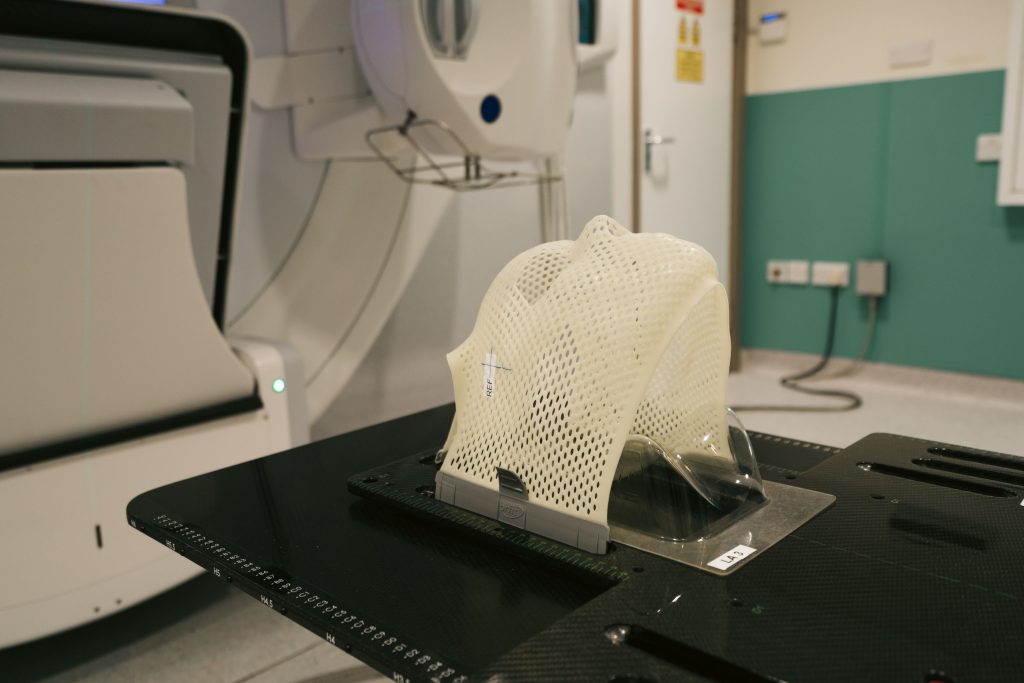
Regulatory oversight begins with a device’s classification. In the United States, the FDA assigns devices to one of three classes based primarily on the controls necessary to provide reasonable assurance of safety and effectiveness.
Class I Devices
Class I devices generally present the lowest risk. Many are subject only to general controls, such as requirements concerning establishment registration, device listing, labeling, recordkeeping, complaint handling, and applicable quality-system obligations.
Examples can include certain manual surgical instruments, examination lights, and other relatively simple products. Many Class I devices are exempt from 510(k) premarket notification, although exemption does not mean exemption from every FDA requirement.
A Class I manufacturer may still need to:
- Register applicable establishments
- List its devices with the FDA
- Follow labeling requirements
- Maintain required records
- Address complaints and report qualifying adverse events
- Comply with applicable quality management requirements
- Observe limitations attached to any premarket exemption
Class II Devices
Class II devices generally present moderate risk and are subject to general controls plus special controls. Special controls may include performance standards, special labeling, testing requirements, clinical data, patient registries, postmarket surveillance, or device-specific guidance.
Most Class II devices require a 510(k) submission. Through this pathway, the manufacturer generally demonstrates that its device is substantially equivalent to a legally marketed predicate device. Depending on the device, the submission may contain bench testing, biocompatibility data, electrical-safety testing, software validation, sterilization information, cybersecurity documentation, and sometimes clinical evidence.
Examples of device types often found in Class II include certain infusion pumps, powered wheelchairs, diagnostic imaging systems, patient monitors, and surgical devices. Always confirm classification using the applicable FDA regulation and product code because individual products within a broad category may be regulated differently.
Class III Devices
Class III is the FDA’s highest-risk category. These devices may support or sustain human life, be substantially important in preventing impairment of human health, or present a potentially unreasonable risk of illness or injury.
Most Class III devices require Premarket Approval. According to the FDA, PMA involves scientific and regulatory review to evaluate a Class III device’s safety and effectiveness. Unlike a typical 510(k), which relies largely on substantial equivalence, a PMA must include valid scientific evidence supporting the device for its proposed use.
The FDA’s classification framework is risk-based, but classification alone does not tell the entire story. Some devices may follow a De Novo pathway when there is no legally marketed predicate, but general and special controls can adequately manage the risks. Other devices may be eligible for humanitarian, emergency, or investigational mechanisms under specific circumstances.
Healthcare buyers should therefore avoid relying on broad labels such as “FDA registered” or “medical grade.” The relevant question is whether the exact device has the legally appropriate status for the way it will be marketed and used.
Class III Devices And The Premarket Approval Process
Class III devices typically face the strictest premarket oversight in the United States. Their potential benefits can be substantial, but their failures may also have immediate or severe consequences.
Why PMA Is More Demanding
A PMA application generally requires more extensive evidence than a standard 510(k). The submission may include:
- Detailed device descriptions and engineering specifications
- Nonclinical laboratory studies
- Biocompatibility and toxicology information
- Electrical and mechanical safety testing
- Sterilization validation
- Software verification and validation
- Cybersecurity documentation, when applicable
- Clinical investigation results
- Manufacturing and quality information
- Proposed labeling and instructions for use
- Risk analyses and benefit-risk information
The FDA reviews whether the available evidence provides reasonable assurance that the device is safe and effective for its intended use. Review may also involve inspections of manufacturing facilities to evaluate compliance with applicable quality requirements.
FDA approval is specific to the device, indications, labeling, and conditions described in the approved application. It should not be interpreted as unlimited authorization for every possible use or later version of the technology.
Clinical Investigations For Significant-Risk Devices
High-risk devices commonly require clinical investigations. When a proposed clinical study involves a significant-risk device, the study generally requires an approved Investigational Device Exemption from the FDA and approval from an institutional review board before it begins. Investigators must also follow informed-consent and other human-subject protection requirements.
Clinical studies may assess:
- Whether the device performs its intended medical function
- Rates and severity of adverse events
- Patient survival or functional improvement
- Device durability
- Implant migration, fracture, or mechanical failure
- Accuracy and reliability
- Performance across relevant patient populations
- Long-term effects that cannot be established through bench testing alone
Clinical evidence is especially important when device performance cannot be fully predicted through engineering tests or laboratory models.
Changes After Approval
Regulatory obligations continue after the original PMA is approved. A manufacturer may need to submit a PMA supplement before making certain changes that affect the device’s safety or effectiveness.
Potentially significant changes can include modifications to:
- Design or materials
- Manufacturing methods or facilities
- Software
- Sterilization processes
- Packaging
- Labeling
- Indications for use
- Performance specifications
The applicable supplement type and whether prior FDA approval is required depend on the nature of the change. This continuing oversight helps prevent a manufacturer from substantially altering a high-risk device without appropriate evaluation.
Implantable And Life-Sustaining Devices
Implantable and life-sustaining devices are among the clearest examples of products likely to receive intensive oversight. Their proximity to vital organs, long duration of use, and potentially serious consequences of failure create risks that cannot be managed through labeling alone.
Implantable Cardiac Devices
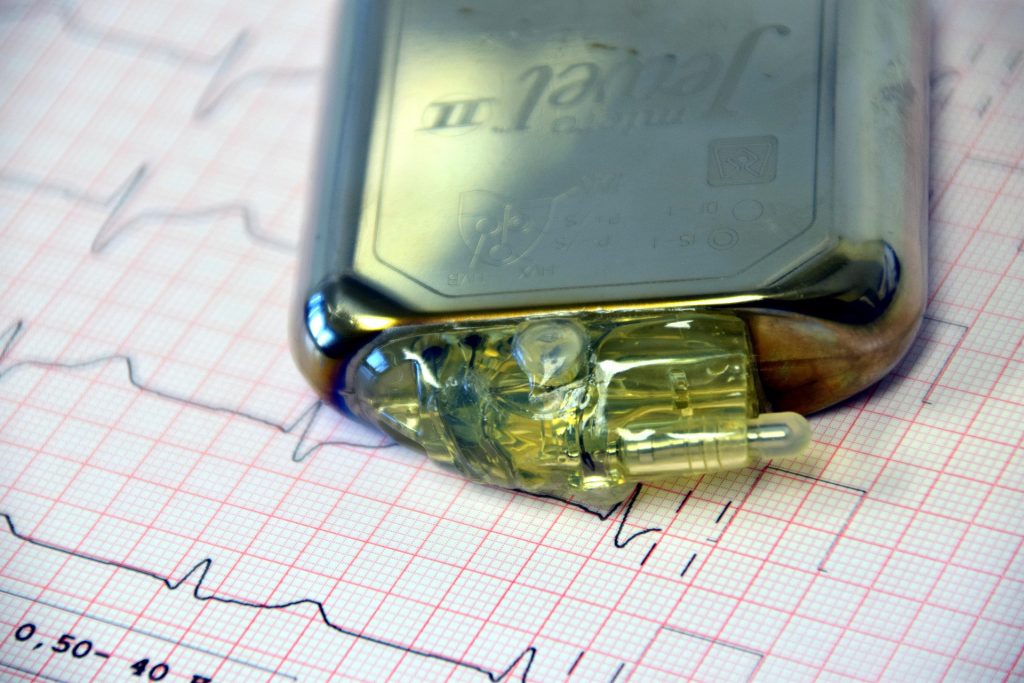
Implantable pacemakers and cardioverter-defibrillators monitor or regulate cardiac activity. Depending on the product, they may deliver electrical stimulation or a therapeutic shock when they detect an abnormal rhythm.
Regulatory evaluation may address:
- Battery life and depletion indicators
- Lead durability and integrity
- Sensing and pacing accuracy
- Electromagnetic compatibility
- Software reliability
- Wireless communication security
- Implantation procedures
- Long-term clinical performance
- Failure modes and alarm behavior
A defect in an implanted cardiac device can lead to inappropriate therapy, delayed therapy, additional surgery, serious injury, or death. Manufacturers must therefore maintain close control over design, production, software, components, and postmarket performance.
Replacement Heart Valves
Mechanical and bioprosthetic heart valves, including certain catheter-delivered valve systems, may also be subject to stringent review. These products must function reliably under continuous mechanical stress while interacting safely with blood and surrounding tissue.
Testing and clinical evaluation may examine:
- Structural durability
- Valve opening and closing behavior
- Blood-flow performance
- Leakage
- Thromboembolic risk
- Bleeding-related outcomes
- Tissue compatibility
- Implantation accuracy
- Need for repeat intervention
- Long-term patient outcomes
Even small variations in material properties or manufacturing processes can be significant. Procurement teams should confirm the exact approved model and size rather than assuming that all products within a manufacturer’s valve portfolio share the same status.
Other Long-Term Implants
Other implanted products that may receive demanding oversight include certain neurostimulators, cochlear implants, deep-brain stimulation systems, spinal cord stimulators, breast implants, orthopedic implants, and implantable infusion systems.
Not every implant is automatically Class III. Classification depends on the applicable regulation and risks of the particular device. However, long-term implantation generally increases the importance of biocompatibility, material stability, infection prevention, mechanical reliability, and postmarket monitoring.
Hospitals should review whether a device’s supplied documentation addresses the expected duration of use, compatibility limitations, sterilization status, storage conditions, and any patient-specific considerations contained in its labeling.
High-Risk Diagnostic, Therapeutic, And Life-Support Systems
Some of the most closely regulated devices remain outside the body but directly influence life-critical treatment. These systems can present risks comparable to implanted products because patients depend on them for immediate or continuous support.
Life-Support Equipment
Life-support and life-sustaining equipment may include certain ventilatory-support systems, extracorporeal technologies, circulatory-support devices, and dialysis-related systems. Classification varies by device type and intended use, so buyers must verify the status of each product individually.
Regulators may examine:
- Reliability during continuous operation
- Alarm priority and audibility
- Backup power and battery performance
- Accuracy of delivered therapy
- Protection against dangerous settings
- Resistance to single-point failures
- Cleaning and disinfection procedures
- Compatibility with accessories and disposables
- Human factors and usability
- Performance in the intended care environment
Human-factors engineering can be especially important for products used in intensive care, emergency medicine, or the home. A device may perform correctly from an engineering perspective but still create unacceptable risk if controls, displays, or alarms are confusing.
Automated Drug-Delivery Technologies

Infusion pumps and other drug-delivery systems can receive significant scrutiny because programming, flow-rate, occlusion, alarm, software, or mechanical failures may result in under-infusion, over-infusion, or interrupted treatment.
Regulatory attention may involve:
- Dose accuracy
- Flow-rate consistency
- Alarm performance
- Occlusion detection
- Free-flow protection
- Software verification
- Interoperability
- Cybersecurity
- Medication-library controls
- User-interface design
Some infusion pumps are Class II rather than Class III, yet they may still be subject to extensive special controls and detailed premarket evidence. “Strictest oversight” therefore should not be treated as a synonym for Class III alone. Certain Class II devices receive substantial regulatory attention because of their complexity, clinical importance, or history of safety concerns.
High-Consequence Diagnostic Devices
A diagnostic device may face strong oversight when an incorrect result could lead directly to death, serious deterioration, or an inappropriate life-critical treatment. Certain in vitro diagnostic tests, companion diagnostics, and screening technologies may fall into higher-risk categories depending on their intended use.
Evaluation may address:
- Analytical sensitivity and specificity
- Clinical sensitivity and specificity
- Precision and reproducibility
- Interfering substances
- Cross-reactivity
- Specimen stability
- Cutoff values
- Reference intervals
- False-positive and false-negative consequences
- Performance in the intended population
The medical consequence of an incorrect result is central. A test used only to provide supplemental information does not present the same risk as one that determines whether a patient receives a particular cancer therapy or emergency intervention.
Software, AI, And Cyber-Connected Medical Devices

Software increasingly controls how medical devices monitor patients, calculate results, recommend decisions, and deliver therapy. When software performs a high-consequence medical function, regulators may examine it with the same seriousness applied to physical components.
Software As A Medical Device
Software may qualify as a medical device even when it is not embedded in a physical instrument. Whether it is regulated, and how strictly, depends on its intended function and the risk created by an incorrect output.
Higher-risk examples can include software that:
- Detects time-sensitive medical emergencies
- Supports decisions for critical treatment
- Controls radiation delivery
- Calculates life-sustaining medication doses
- Analyzes images for serious conditions
- Directs implanted or connected therapeutic devices
- Monitors patients whose deterioration requires rapid intervention
Regulatory submissions may need to address software architecture, requirements, verification, validation, hazard analysis, anomaly management, change control, interoperability, and performance under foreseeable conditions.
Artificial Intelligence And Machine Learning
AI-enabled devices create additional questions concerning data quality, model performance, bias, generalizability, transparency, and performance monitoring. A model trained on one population or care environment may not perform equally well in another.
Regulatory evaluation may consider:
- The intended patient population
- Training, validation, and test datasets
- Independence of evaluation data
- Performance across relevant demographic groups
- Clinically appropriate performance metrics
- Management of missing or low-quality inputs
- Human review and override mechanisms
- Expected software changes
- Monitoring for performance degradation
The phrase “AI-powered” does not establish clinical value or regulatory authorization. Healthcare buyers should verify the authorized indications, supported inputs, intended users, operating environment, and limitations stated in the official labeling.
Cybersecurity As A Safety Issue

Cybersecurity is particularly important when a device connects to hospital networks, exchanges patient data, communicates wirelessly, or can be updated remotely. A vulnerability can affect confidentiality, but it can also interfere with essential clinical performance.
For applicable submissions, manufacturers may need to provide threat modeling, security architecture, vulnerability assessments, update procedures, authentication controls, and plans for managing cybersecurity risks across the product life cycle.
Hospitals should evaluate whether a connected device can:
- Receive authenticated security updates
- Integrate safely with the organization’s network
- Generate and protect relevant logs
- Restrict unauthorized access
- Maintain essential functions during connectivity failures
- Support coordinated vulnerability management
- Meet the organization’s security configuration requirements
Cybersecurity review should involve clinical engineering, information security, procurement, and the clinical department that will use the device. It should not be left solely to purchasing personnel.
Combination Products And Other Complex Technologies
Some products combine a medical device with a drug or biological product. These combination products can face particularly complex oversight because regulators must consider how the constituent parts interact and how the complete product performs.
What Is A Combination Product?
Examples may include:
- Drug-eluting stents
- Prefilled drug-delivery systems
- Antimicrobial-coated devices
- Implantable systems that release medication
- Devices packaged with a drug or biologic
- Certain diagnostic and therapeutic combinations
In the United States, the FDA assigns primary review responsibility according to the product’s primary mode of action. A lead FDA center may coordinate with one or more other centers when specialized expertise is required.
This does not necessarily mean that every combination product goes through the most demanding pathway. The pathway depends on the product’s classification, primary mode of action, risks, and applicable legal requirements.
Why Combination Products Require Integrated Evidence
Evaluating only the device component may not be sufficient. The complete product may create interaction risks involving:
- Drug stability
- Dose delivery
- Material compatibility
- Container closure integrity
- Sterility
- Coating uniformity
- Release rates
- Human factors
- Manufacturing controls
- Shelf life
A change to one constituent part may affect the safety, effectiveness, or quality of the other. For example, a different device material could alter drug stability, while a manufacturing change could affect the amount or rate of medication delivered.
Radiation-Emitting Medical Devices
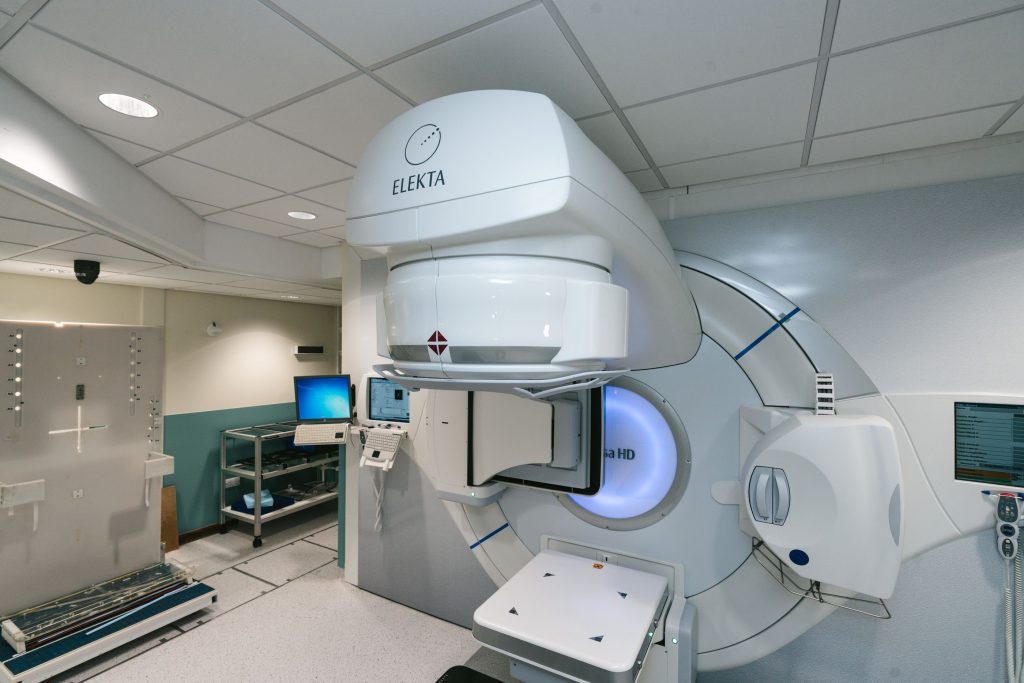
Medical devices that emit radiation may be subject to medical-device requirements as well as additional radiation-control provisions. Examples include diagnostic X-ray systems, computed tomography systems, certain therapeutic radiation devices, and medical lasers.
Oversight can involve:
- Radiation-output accuracy
- Dose controls
- Shielding
- Interlocks
- Warning systems
- Calibration
- Maintenance
- Operator instructions
- Performance standards
- Reporting of radiation-related defects
Because radiation risks may be cumulative or difficult for users to detect immediately, maintenance records, acceptance testing, calibration, and trained operation are critical purchasing and lifecycle considerations.
Patient-Specific And Custom Technologies
Patient-matched implants, three-dimensional printed devices, and other customized technologies may introduce additional production and verification challenges. Manufacturing controls must ensure that digital files, materials, equipment settings, and finishing processes consistently produce a device that meets specifications.
A product described commercially as “customized” is not automatically exempt from standard regulatory controls. The FDA’s custom-device exemption is limited and should not be assumed to apply merely because a device is configured for an individual patient.
What Hospitals Should Verify Before Purchasing High-Risk Devices

The strictness of a regulator’s review does not eliminate the hospital’s responsibility to conduct due diligence. Procurement teams must connect regulatory documentation to the exact device, supplier, intended use, and receiving facility.
Confirm The Exact Regulatory Status
The first step is to identify the precise product. Procurement personnel should record:
- Legal manufacturer name
- Device trade name
- Model or catalog number
- Product code
- Intended use
- Regulatory class
- Premarket submission number, when applicable
- Current labeling
- Manufacturing or distribution location
- Applicable unique device identifier
A supplier’s FDA establishment registration does not demonstrate that a particular device has been cleared or approved. Registration and listing also do not mean that the FDA endorses the establishment or its products.
For a Class III product, buyers may need to verify the PMA number and approved labeling. For a 510(k)-cleared product, they may need to confirm the clearance number and the indications for use. For a De Novo device, the granting order and classification details may be relevant.
Match The Authorization To The Intended Use
A legally marketed device can still be represented inaccurately. The claims in a quotation, brochure, website, or sales presentation should be consistent with the authorized labeling.
Buyers should investigate discrepancies involving:
- Patient population
- Clinical indication
- Anatomical location
- Duration of use
- Operating environment
- Compatibility with accessories
- Reuse or reprocessing
- Sterility
- Required training
- Contraindications and warnings
A model number that differs by one letter or suffix may identify a different configuration, market, package, or authorization. Procurement records should therefore be specific enough to prevent substitutions that have not received clinical and regulatory review.
Evaluate Supplier And Supply-Chain Controls
For high-risk devices, supplier qualification should extend beyond pricing and delivery schedules. Hospitals may request documentation appropriate to the transaction, such as:
- Proof of authorized distribution
- Traceability records
- Storage and transportation requirements
- Temperature-monitoring data, when applicable
- Remaining shelf life
- Packaging-integrity information
- Lot or serial numbers
- Recall-notification procedures
- Complaint-escalation contacts
- Service and maintenance arrangements
- Training and installation requirements
Distributors should not alter labeling, packaging, storage conditions, or device configurations in ways that compromise compliance or traceability.
Review Quality And Postmarket Information
As of February 2, 2026, the FDA’s Quality Management System Regulation is effective and incorporates ISO 13485:2016 by reference into the device’s current good manufacturing practice framework. The QMSR governs areas relevant to the design, manufacture, packaging, labeling, storage, installation, and servicing of finished medical devices.
Hospitals may also examine publicly available safety information, including recalls, safety communications, and relevant adverse-event data. An adverse-event report does not by itself prove that a device caused an incident, but patterns can help inform a broader risk assessment.
Postmarket planning should define:
- Who receives recall and field-action notices
- How affected inventory will be located
- How implanted-device patients will be identified
- Who reports device-related incidents
- How software and cybersecurity updates will be managed
- When preventive maintenance is required
- How discontinued support will affect clinical use
Use A Multidisciplinary Review
High-risk device procurement should involve the departments capable of evaluating the relevant risks. Depending on the product, participants may include:
- Physicians and nurses
- Pharmacy personnel
- Clinical engineering
- Infection prevention
- Information security
- Risk management
- Supply-chain leadership
- Legal or compliance personnel
- Facilities or radiation-safety specialists
The goal is not to repeat the regulator’s scientific review. It is to determine whether the authorized device is appropriate for the hospital’s intended use and whether the organization can receive, operate, maintain, secure, and monitor it safely.
A knowledgeable supplier such as Merit Pharmaceutical can help procurement teams obtain product-specific information and supply-chain documentation. However, hospitals should independently verify regulatory status through official records and apply their own clinical, technical, and compliance procedures before making a purchasing decision.
Conclusion
Medical devices that support or sustain life, remain implanted in the body, deliver high-consequence therapy, or create a substantial risk of serious harm generally receive the strictest regulatory oversight. In the United States, many of these products are classified as Class III and require Premarket Approval supported by scientific evidence.
Implantable cardiac systems, replacement heart valves, certain neurological implants, life-support technologies, high-consequence diagnostic devices, and some combination products illustrate why oversight must extend beyond basic registration or product listing. Software, artificial intelligence, wireless connectivity, and cybersecurity can add further layers of risk even when a device is not implanted.
Nevertheless, classification is only the starting point. Hospitals must verify the exact device, regulatory pathway, intended use, labeling, manufacturer, and supplier documentation. They must also consider installation, training, interoperability, cybersecurity, maintenance, traceability, adverse-event reporting, and recall management.
Merit Pharmaceutical understands that medical device procurement depends on more than product availability. Clear documentation, reliable sourcing, and product-level verification can help healthcare organizations make purchasing decisions that support compliance and patient safety.
Frequently Asked Questions
1. Which Class Of Medical Devices Receives The Strictest FDA Oversight?
Class III devices generally receive the strictest FDA oversight. These devices may support or sustain life, be substantially important in preventing health impairment, or present a potentially unreasonable risk of illness or injury. Most require Premarket Approval, although the correct pathway must be confirmed for each device.
2. Are All Implantable Medical Devices Classified As Class III?
No. Implantation is an important risk factor, but it does not automatically make every implant a Class III device. The FDA considers intended use, duration of implantation, technological characteristics, potential failure consequences, and whether general and special controls can adequately manage the risks.
3. What Is The Difference Between FDA Clearance And FDA Approval?
FDA clearance generally refers to authorization of a 510(k) submission after the FDA determines that a device is substantially equivalent to a legally marketed predicate. FDA approval commonly refers to approval of a PMA after evaluation of evidence supporting reasonable assurance of safety and effectiveness. The terms should not be used interchangeably.
4. Does FDA Registration Mean That A Medical Device Is Approved?
No. Establishment registration identifies certain businesses involved in medical device activities, while device listing informs the FDA of devices associated with registered establishments. Registration and listing do not mean that the FDA has approved the establishment or every listed product.
5. Why Do Connected Medical Devices Receive Cybersecurity Scrutiny?
Connected devices may exchange sensitive information, receive remote updates, or interact with hospital systems. A cybersecurity vulnerability could expose data, interrupt essential performance, alter settings, or delay treatment. Manufacturers and hospitals therefore need controls that address cybersecurity throughout the device lifecycle.
6. Can Hospitals Purchase A Device That Is Authorized In Another Country But Not By The FDA?
Authorization in another country does not ordinarily replace the U.S. marketing authorization required for commercial distribution in the United States. Hospitals should confirm that the exact device has the appropriate FDA status unless a specific legal exception or emergency mechanism applies.
7. What Documentation Should A Hospital Request For A High-Risk Device?
The required documentation depends on the device and transaction. Hospitals commonly verify the manufacturer, model, intended use, FDA pathway, labeling, unique device identifier, authorized distribution, lot or serial traceability, storage conditions, shelf life, maintenance requirements, cybersecurity information, and recall-notification procedures. Official FDA databases should be used to confirm regulatory status.