
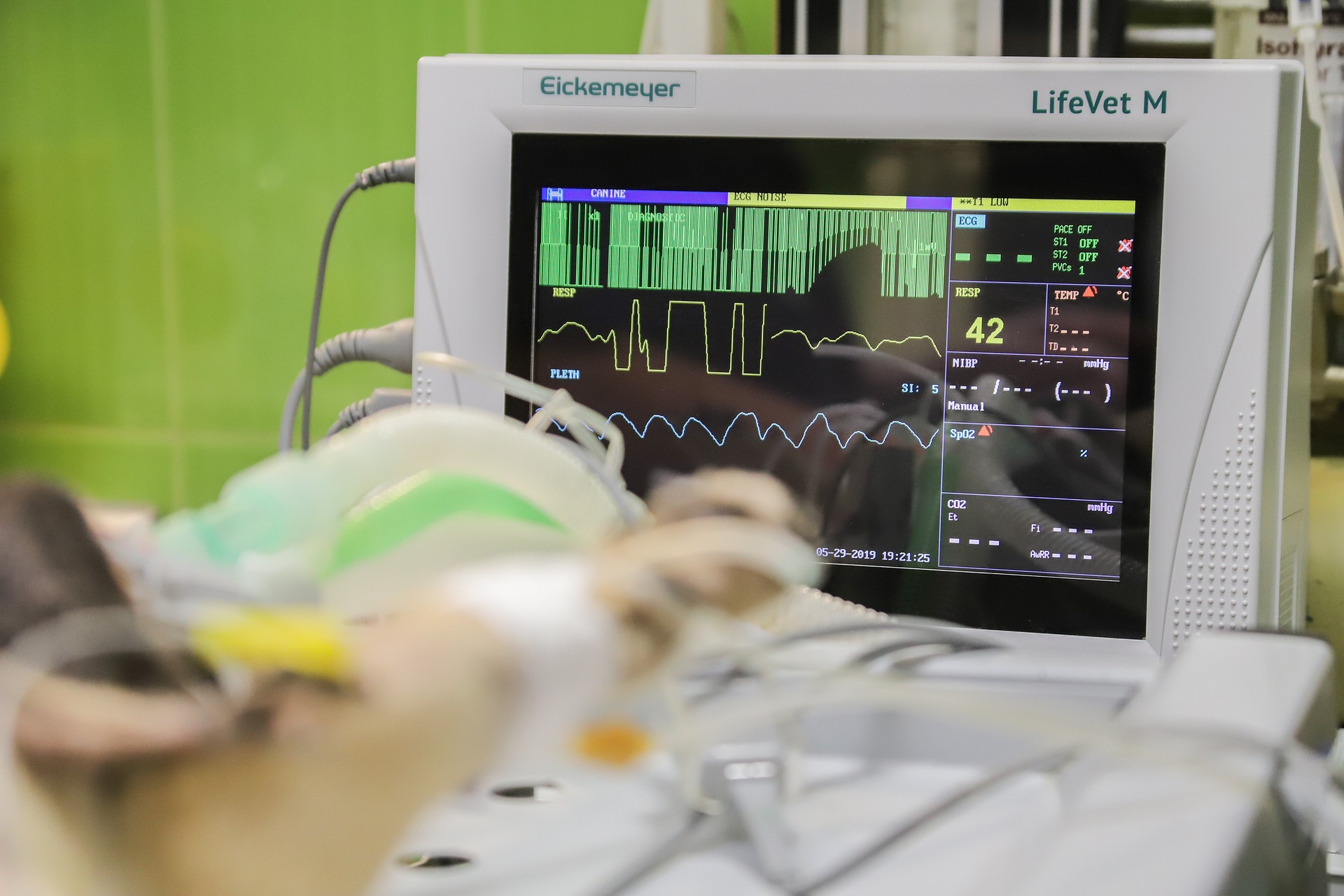
Medical devices play a critical role in modern healthcare, supporting physicians, nurses, technicians, and other healthcare professionals in diagnosing, monitoring, treating, and caring for patients. From diagnostic equipment and monitoring systems to surgical instruments and treatment-related devices, these products can have a direct influence on clinical workflows and patient outcomes. Because of this, healthcare organizations cannot evaluate medical devices based solely on cost, availability, or technical specifications. Regulatory compliance, quality, documentation, intended use, and supplier reliability must also be considered before products are purchased and used.
Using a non-compliant medical device can expose a healthcare organization to a range of risks. These risks may include patient safety concerns, inaccurate results, device failures, treatment delays, regulatory action, product recalls, financial losses, operational disruptions, and reputational damage. Even when a compliance issue does not immediately result in patient harm, it can create uncertainty about whether a product is suitable for its intended application. For procurement teams, understanding these risks is essential for developing purchasing processes that prioritize safety, quality, regulatory requirements, and long-term operational reliability. Merit Pharmaceutical recognizes the importance of responsible medical device procurement and the role that supplier and product evaluation can play in supporting healthcare organizations.
Key Takeaways
- Non-compliant medical devices can create patient safety and clinical risks.
- Device failures or inaccurate performance may contribute to incorrect or delayed clinical decisions.
- Healthcare organizations may face regulatory, financial, and operational consequences when unsuitable devices are purchased or used.
- Inadequate documentation can make it difficult to verify a product’s regulatory status, specifications, or history.
- Poor traceability can make responding to recalls and corrective actions more difficult.
- Procurement teams should evaluate suppliers, regulatory information, product documentation, quality controls, and traceability.
- FDA registration and device listing should not automatically be interpreted as FDA approval or clearance.
- Medical device compliance should be treated as an ongoing responsibility, not simply a one-time purchasing requirement.
- A structured procurement process can help organizations identify potential compliance problems before products enter clinical use.
What Makes A Medical Device Non-Compliant?
Before discussing the risks, it is important to understand what medical device non-compliance can involve. A medical device may be considered non-compliant when it fails to satisfy one or more applicable regulatory, manufacturing, quality, labeling, marketing, documentation, or reporting requirements.
The specific requirements depend on the type of device, its intended use, its classification, and the regulatory pathway applicable to that product. The U.S. Food and Drug Administration (FDA) regulates medical devices through requirements that can include establishment registration and device listing, premarket requirements, labeling, quality systems, records, reporting, and postmarket obligations.
Non-compliance can therefore take different forms. A device could have inadequate labeling, lack an applicable authorization, be marketed for an inappropriate intended use, or be manufactured without meeting applicable quality requirements. In other situations, the issue may involve incomplete records, insufficient reporting, or failure to follow requirements after a device has entered the market.
Common Examples Of Medical Device Compliance Problems
Healthcare procurement teams may encounter several types of compliance concerns, including:
- Missing or incomplete regulatory documentation
- Failure to meet applicable premarket requirements
- Inaccurate, incomplete, or misleading labeling
- Marketing a device for an unauthorized intended use
- Inadequate manufacturing controls
- Deficiencies in quality management systems
- Incomplete complaint records
- Failure to maintain appropriate device records
- Inadequate product traceability
- Failure to report certain required information
- Distribution of products subject to recalls or corrective actions
- Inconsistent product specifications
- Unclear manufacturer or supplier information
The FDA explains that general controls for medical devices can cover areas such as adulteration, misbranding, establishment registration, device listing, premarket notification, records and reports, and other regulatory requirements.
FDA Registration Is Not The Same As FDA Approval
Procurement teams should understand the difference between FDA registration, device listing, clearance, approval, and authorization.
An establishment registered with the FDA does not automatically mean every product associated with that establishment has FDA approval. Similarly, device listing should not automatically be interpreted as evidence that a product has received FDA approval or clearance.
This distinction is important because suppliers may use regulatory terminology differently in their marketing materials. Procurement professionals should verify what regulatory pathway actually applies to the specific device being considered.
Compliance Should Be Evaluated At The Product Level
A healthcare organization should not assume that because a supplier offers legitimate medical products, every product in its catalog automatically satisfies every applicable requirement.
Instead, procurement teams should evaluate individual products based on factors such as:
- Intended use
- Device classification
- Applicable regulatory pathway
- Manufacturer
- Product identification
- Labeling
- Quality documentation
- Regulatory status
- Traceability information
- Recall history or current corrective actions
This product-level approach can help organizations avoid relying on general supplier claims when making important procurement decisions.
Patient Safety Risks Of Non-Compliant Medical Devices
Patient safety is arguably the most important consideration when evaluating the risks of non-compliant medical devices. Medical devices are frequently used in situations where accuracy, reliability, consistency, and appropriate performance are essential.
A device that does not meet applicable requirements may not necessarily cause immediate harm. However, uncertainty surrounding its performance or regulatory status can create unnecessary risks, particularly when the product is used for diagnosis, monitoring, treatment, or other patient-care activities.
Device Malfunction Can Affect Patient Care
A malfunctioning medical device can interfere with normal clinical workflows and potentially affect patient care.
Depending on the type of device, problems could result in:
- Inaccurate readings
- Incorrect measurements
- Incomplete diagnostic information
- Delayed diagnosis
- Treatment delays
- Interrupted procedures
- Additional testing
- Unnecessary procedures
- Patient discomfort
- Potential injury
For example, when healthcare professionals depend on a monitoring device to provide information about a patient’s condition, unreliable device performance could make it more difficult to assess the patient’s needs accurately.
Similarly, a device used during a procedure that does not function as intended could interrupt the workflow and require staff to take corrective action.
Inaccurate Information Can Affect Clinical Decisions
Some medical devices provide information that healthcare professionals use when making clinical decisions. If a device produces unreliable or inaccurate information, the problem may extend beyond the equipment itself.
A healthcare professional may need to:
- Recognize that the device may not be functioning correctly.
- Verify the result using another method.
- Determine whether the patient has been affected.
- Document the issue.
- Remove or isolate the device if necessary.
- Report the problem according to organizational procedures.
These additional steps consume time and resources while potentially delaying care.
Quality Management Supports Device Reliability
Quality management is an important component of medical device safety. Manufacturers are expected to operate within applicable quality requirements designed to support consistent production and appropriate control of medical devices.
The FDA’s Quality Management System Regulation, or QMSR, became effective on February 2, 2026. The regulation incorporates ISO 13485:2016 by reference and establishes requirements for medical device quality management.
For procurement professionals, this highlights the importance of considering the manufacturer’s quality processes when evaluating products. A medical device should not be viewed only as a physical item. Its reliability is also connected to the systems used to design, manufacture, inspect, document, and monitor it.
Patient Safety Should Be A Procurement Priority
Healthcare organizations can reduce unnecessary risk by establishing purchasing procedures that place patient safety alongside price and availability.
Before approving a medical device, procurement teams can ask:
- Is the product appropriate for its intended use?
- Is the manufacturer clearly identified?
- Is the applicable regulatory information available?
- Are product specifications clear?
- Is supporting documentation complete?
- Can the product be traced by lot or serial number where applicable?
- Are there known recalls or corrective actions?
- Does the supplier have appropriate quality and documentation processes?
These questions can help identify concerns before a device reaches the point of clinical use.
Regulatory And Legal Consequences Of Non-Compliance
Non-compliant medical devices can also expose organizations and suppliers to regulatory risks. Medical device regulations are designed to establish requirements intended to protect patients and ensure that products meet applicable standards.
When requirements are not satisfied, regulatory authorities may take action depending on the nature and seriousness of the violation.
Potential Regulatory Consequences
Depending on the circumstances, medical device compliance problems may contribute to:
- Regulatory inspections
- Warning letters
- Corrective actions
- Product recalls
- Import-related restrictions
- Distribution restrictions
- Required notifications
- Additional regulatory scrutiny
- Other enforcement actions
The FDA uses inspections and other compliance tools to assess whether medical device companies are meeting applicable requirements.
Although responsibility for a specific violation depends on the circumstances and the parties involved, healthcare organizations should recognize that purchasing and using products without adequate due diligence can create unnecessary exposure.
Recalls Can Create Major Challenges
A medical device recall can be particularly disruptive when affected products have already been distributed throughout a healthcare organization.
Consider a situation in which a manufacturer announces a recall affecting specific product lots. The healthcare organization may need to determine:
- Which departments received the affected devices?
- How many products remain in inventory?
- Which lot numbers are affected?
- Were any affected products distributed to other locations?
- Were any products used on patients?
- What corrective action is required?
- What replacement products are available?
The more complete an organization’s purchasing and inventory records are, the easier it may be to answer these questions.
Compliance Issues Can Extend Beyond The Initial Purchase
One common mistake is treating compliance as something that matters only when a purchase order is created.
In reality, organizations may need to monitor products throughout their lifecycle.
This includes:
Before purchase:
Verify the supplier, product, regulatory information, specifications, and documentation.
During receiving:
Confirm that the delivered products match the purchase order and documentation.
During storage and use:
Maintain appropriate inventory controls, traceability, and handling procedures.
After purchase:
Monitor relevant safety information, recalls, corrections, and supplier communications.
This lifecycle approach provides a stronger framework for managing medical device compliance.
Financial And Operational Risks
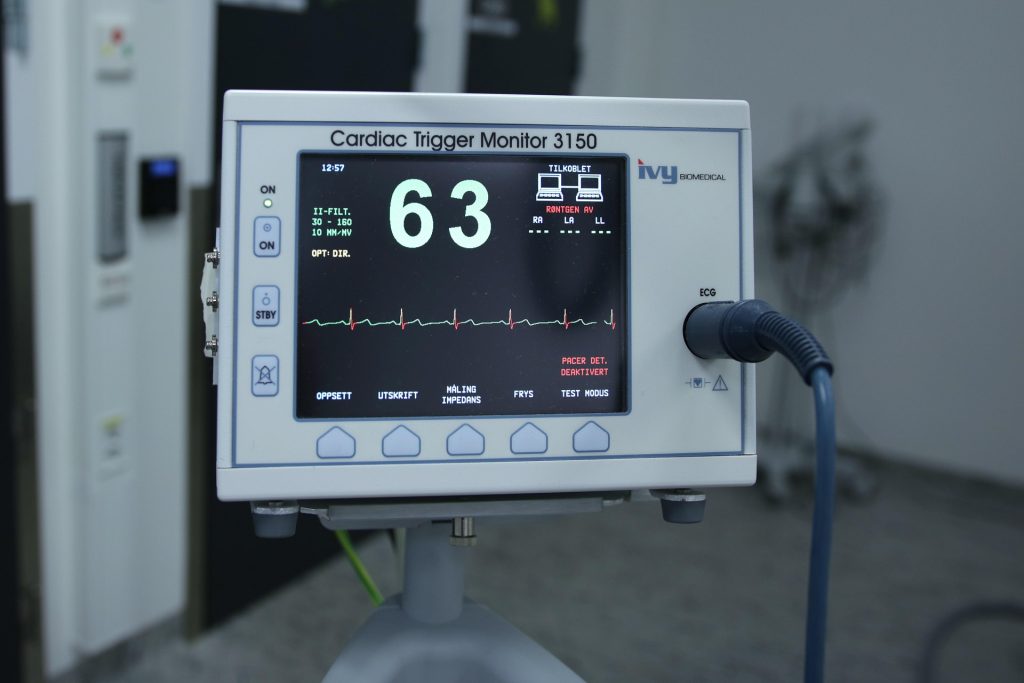
The financial consequences of non-compliant medical devices can extend well beyond the original purchase price. A product may appear cost-effective when it is purchased, but problems discovered later can generate additional expenses. Replacing devices, investigating incidents, managing recalls, training employees, and dealing with operational interruptions can all increase the overall cost of ownership.
Hidden Costs Of Non-Compliance
Potential financial and operational costs include:
Risk | Potential Consequence |
Product replacement | Additional purchasing expenses |
Device downtime | Interrupted clinical workflows |
Recall management | Staff time and administrative costs |
Investigation | Internal quality and compliance resources |
Inventory review | Additional tracking and verification work |
Training | Employee retraining or communication |
Patient-care disruption | Rescheduling or workflow changes |
Emergency procurement | Potentially higher replacement costs |
Documentation work | Additional administrative burden |
These expenses can become significant when a product has already been distributed across multiple facilities, departments, or storage locations.
Operational Disruptions
Medical devices are often integrated into established workflows. Removing a device unexpectedly can therefore affect more than inventory.
For example, a department may need to:
- Stop using a particular product
- Locate replacement equipment
- Train employees on a substitute
- Modify procedures
- Reschedule appointments
- Delay certain services
- Coordinate with suppliers
- Document corrective actions
The operational impact can be particularly significant when a device is specialized or when replacement products are not immediately available.
Procurement Should Consider Total Cost Of Ownership
Price is an important consideration in healthcare procurement, but it should not be the only consideration.
A more complete evaluation can include:
- Purchase price
- Expected useful life
- Maintenance requirements
- Supplier reliability
- Documentation quality
- Regulatory status
- Training requirements
- Replacement availability
- Recall management
- Product traceability
- Potential downtime
A slightly lower purchase price may not represent a genuine cost saving if the product creates significant compliance or operational concerns later.
Documentation And Traceability Problems
Documentation is one of the foundations of effective medical device management. Without accurate records, healthcare organizations may have difficulty verifying products, responding to safety concerns, and demonstrating that appropriate procurement and inventory processes were followed.
Why Medical Device Documentation Matters

Depending on the product, documentation may provide important information about:
- Manufacturer identity
- Product model
- Catalog number
- Intended use
- Product specifications
- Regulatory status
- Labeling
- Instructions for use
- Storage requirements
- Lot numbers
- Serial numbers
- Expiration dates
- Quality information
The precise documentation requirements vary by product and applicable regulations, but procurement teams should establish clear expectations for the information they need.
Traceability Helps During Recalls
Traceability becomes particularly important when a device is subject to a recall or corrective action.
For example, suppose a manufacturer identifies a problem affecting one specific production lot. A healthcare organization with detailed inventory records may be able to quickly identify:
- How many affected products were purchased
- Where they are located
- Which departments received them
- Whether they remain unused
- Whether they were transferred
- Whether any products were used
Without adequate traceability, staff may have to conduct broader searches, potentially delaying the organization’s response.
Supplier Documentation Should Be Consistent
Procurement teams should establish clear documentation requirements before entering into supplier relationships.
Depending on the product, these may include:
- Product identification
- Manufacturer information
- Regulatory documentation
- Labeling
- Product specifications
- Certificates or quality documents where applicable
- Lot and serial information
- Recall communications
- Shipping documentation
Organizations should also establish procedures for addressing discrepancies.
If the information on a delivered product does not match the purchase order or supplier documentation, the issue should be reviewed before the product is placed into normal inventory or clinical use.
Documentation Supports Accountability
Good records also provide an audit trail.
When procurement teams can demonstrate:
- What was purchased
- From whom it was purchased
- Why it was selected
- What documentation was reviewed
- When the product was received
- Where it was distributed
they are better positioned to investigate concerns and demonstrate that reasonable procurement controls were followed.
Reputational And Legal Risks For Healthcare Organizations

Healthcare organizations depend heavily on trust. Patients expect medical facilities to use appropriate equipment, follow applicable requirements, and take reasonable steps to protect patient safety. When serious problems involving medical devices occur, the resulting consequences may extend beyond the immediate operational issue.
Patient Trust Can Be Affected
Patients may have concerns if they learn that an inappropriate or non-compliant device was used during their care. Even when the organization responds appropriately, the incident may create questions about purchasing practices, quality controls, and oversight.
This makes medical device procurement part of a broader organizational responsibility.
Procurement Decisions Can Have Organization-Wide Consequences
Procurement professionals may not directly interact with patients, but their purchasing decisions can influence clinical operations.
A weak procurement process could allow products into an organization without sufficient verification of:
- Regulatory status
- Manufacturer information
- Product specifications
- Quality documentation
- Traceability
- Supplier reliability
This is why procurement, quality, compliance, clinical, and risk-management teams should work together when appropriate.
Legal Exposure May Also Increase
The legal consequences of a medical device issue depend heavily on the circumstances, applicable laws, contracts, organizational policies, and whether patient harm occurred.
However, organizations can reduce unnecessary exposure by maintaining reasonable procurement and quality processes.
This includes:
- Establishing supplier qualification procedures
- Maintaining purchasing records
- Verifying product information
- Documenting quality concerns
- Responding appropriately to recalls
- Reporting suspected device problems through established channels
- Maintaining traceability
- Training relevant personnel
Good documentation can also help demonstrate that an organization had processes in place to manage medical device risks.
Build A Culture Of Compliance
Compliance should not be viewed solely as the responsibility of a regulatory department.
A stronger organizational approach involves employees at multiple stages of the product lifecycle.
Procurement teams can identify supplier and documentation issues. Receiving teams can verify incoming products. Clinical teams can report performance concerns. Quality teams can investigate problems. Leadership can establish appropriate policies and resources.
This shared responsibility can create a stronger safety culture.
How Can Healthcare Organizations Reduce The Risks?
Healthcare organizations cannot eliminate every possible medical device risk, but they can establish processes designed to identify and manage potential problems before they become serious.
A proactive approach starts during supplier evaluation and continues throughout the product lifecycle.
Conduct Supplier Due Diligence
Healthcare organizations should establish criteria for evaluating medical device suppliers.
Depending on the product and procurement environment, this may include reviewing:
- Supplier qualifications
- Manufacturer relationships
- Product information
- Regulatory documentation
- Quality management information
- Complaint-handling procedures
- Recall communication processes
- Product traceability
- Storage and shipping capabilities
- Customer support
- Documentation practices
The level of due diligence should correspond to the risks associated with the product.
Verify The Device’s Regulatory Status
Procurement professionals should verify applicable regulatory information rather than relying solely on marketing claims.
In particular, organizations should understand that FDA registration and device listing are not synonymous with FDA approval or clearance.
The applicable regulatory pathway may depend on the device’s classification and intended use. Therefore, organizations should evaluate the product-specific information relevant to their purchasing decision.
Establish Receiving Controls
The compliance process should continue when products arrive.
Receiving personnel can compare delivered products against purchase orders and documentation.
Checks may include:
- Product name
- Model number
- Catalog number
- Quantity
- Packaging condition
- Labeling
- Lot number
- Serial number
- Expiration date, where applicable
- Documentation
- Shipping requirements
Any discrepancy should be documented and addressed before the product enters normal clinical inventory when appropriate.
Maintain Accurate Inventory Records
Healthcare organizations should maintain records that allow products to be located efficiently.
Good inventory management can support:
- Recall response
- Product replacement
- Expiration monitoring
- Lot tracking
- Supplier accountability
- Internal audits
- Inventory planning
Digital inventory systems can make this process more efficient, but organizations should ensure that staff consistently enter accurate information.
Monitor Recalls And Safety Communications
Medical device compliance does not end after a product is purchased.
Healthcare organizations should maintain processes for monitoring relevant recall information and safety communications.
When a recall or correction is announced, organizations may need to:
- Identify affected products.
- Stop using products when required.
- Isolate affected inventory.
- Notify appropriate personnel.
- Determine whether products were distributed.
- Follow the manufacturer’s instructions.
- Document the response.
- Arrange replacement or corrective action where necessary.
Having a predefined process can help organizations respond more quickly.
Train Employees
Employees involved in procurement, receiving, inventory management, and clinical use should understand how medical device compliance affects their responsibilities.
Training may address:
- Product identification
- Documentation requirements
- Regulatory terminology
- Recall procedures
- Incident reporting
- Inventory controls
- Supplier communication
- Escalation procedures
Training should also be updated when organizational policies or applicable requirements change.
Review Supplier Performance Regularly
Supplier qualification should not necessarily be a one-time exercise.
Organizations can periodically review whether suppliers continue to meet expectations for:
- Product quality
- Documentation
- Delivery
- Communication
- Traceability
- Regulatory support
- Recall notifications
- Customer service
Regular supplier reviews can help identify recurring problems and provide an opportunity to strengthen procurement practices.
Medical Device Compliance Checklist For Procurement Teams

A structured checklist can help procurement professionals maintain consistency when evaluating medical devices.
Evaluation Area | Questions to Consider |
Supplier | Is the supplier clearly identified and appropriately qualified? |
Manufacturer | Is the actual manufacturer known? |
Intended use | Is the device appropriate for its intended application? |
Regulatory status | Has applicable regulatory information been verified? |
Documentation | Are required product documents available? |
Labeling | Is the labeling complete and appropriate? |
Quality | Is adequate quality information available? |
Traceability | Can the product be tracked by lot or serial number where applicable? |
Recalls | Is there a process for monitoring recalls and corrections? |
Receiving | Will incoming products be checked against specifications? |
Inventory | Can affected products be quickly located if necessary? |
Training | Are relevant employees trained in appropriate procedures? |
Supplier monitoring | Will supplier performance be reviewed over time? |
This type of checklist can be adapted to the organization’s size, purchasing process, and risk profile.
Why A Proactive Compliance Strategy Matters
The risks associated with non-compliant medical devices demonstrate why healthcare organizations should adopt a proactive rather than reactive approach.
A reactive approach waits until a problem occurs. A proactive approach attempts to identify potential issues before they affect patients or operations.
For example, instead of waiting for a documentation problem to emerge during an audit, procurement teams can establish documentation requirements before purchasing. Instead of discovering during a recall that products cannot be located, organizations can maintain lot and serial number information from the beginning.
This approach can help reduce uncertainty and make responses more efficient when problems occur.
Compliance Can Support Better Procurement Decisions
A compliance-focused procurement process can also improve purchasing decisions in other ways.
When organizations consistently evaluate suppliers and products, they may gain a clearer understanding of:
- Supplier reliability
- Product availability
- Documentation quality
- Product lifecycle considerations
- Potential operational risks
- Replacement requirements
- Inventory needs
This allows procurement teams to consider the broader value and risk of a product rather than focusing exclusively on its purchase price.
The Role Of Merit Pharmaceutical In Responsible Medical Device Procurement

For healthcare organizations, selecting medical devices requires careful consideration of product quality, regulatory requirements, supplier reliability, documentation, and clinical needs. Merit Pharmaceutical understands the importance of responsible procurement practices and the need for healthcare organizations to have confidence in the products they purchase.
A compliance-focused approach can help procurement teams establish consistent standards for supplier evaluation, product verification, documentation, receiving, inventory management, and ongoing monitoring.
Healthcare organizations should also recognize that medical device regulations and quality requirements can evolve. The FDA’s QMSR becoming effective in 2026 is one example of why organizations should periodically review their procurement and compliance procedures.
By treating compliance as an ongoing process, healthcare organizations can better prepare for regulatory changes, supplier issues, product recalls, and other challenges that may affect medical device purchasing and use.
Conclusion
The risks of using non-compliant medical devices can affect virtually every aspect of healthcare operations. Patient safety is the most important concern, but the consequences can also include inaccurate device performance, treatment disruptions, recalls, regulatory scrutiny, financial losses, documentation problems, operational downtime, and reputational damage.
For procurement teams, reducing these risks begins with careful supplier and product evaluation. Organizations should verify applicable regulatory information, review documentation, understand intended use, maintain accurate inventory records, establish traceability, and monitor relevant recalls and safety communications.
It is also important to remember that compliance is not a one-time event. A device that appears suitable at the time of purchase may later become subject to a correction, recall, new regulatory requirement, or other change. Continuous monitoring and effective communication can therefore be just as important as initial supplier qualification.
Ultimately, healthcare organizations can strengthen their medical device procurement programs by making compliance a central consideration throughout the product lifecycle. A proactive approach can support safer clinical operations, better purchasing decisions, stronger supplier relationships, and greater confidence in the medical devices used to support patient care.
Frequently Asked Questions
1. What Is A Non-Compliant Medical Device?
A non-compliant medical device is a product that fails to meet one or more applicable regulatory, quality, manufacturing, labeling, documentation, marketing, or reporting requirements. The specific requirements depend on the device and its intended use.
2. What Are The Main Risks Of Using Non-Compliant Medical Devices?
The main risks can include patient safety concerns, inaccurate results, device malfunction, treatment delays, recalls, regulatory action, financial losses, operational disruption, documentation problems, and reputational damage.
3. Can A Non-Compliant Medical Device Harm Patients?
Yes. Depending on the nature of the device and the compliance issue, a device may malfunction, provide inaccurate information, or fail to perform as intended. These problems can potentially affect diagnosis, monitoring, treatment, or other aspects of patient care.
4. Does FDA Registration Mean A Medical Device Is FDA Approved?
No. FDA establishment registration and device listing do not automatically mean that a medical device has been approved, cleared, or authorized by the FDA. Procurement teams should verify the regulatory pathway and status applicable to the specific product.
5. Why Is Medical Device Traceability Important?
Traceability allows healthcare organizations to identify specific products, lots, or serial numbers. This can be particularly important when a manufacturer issues a recall or corrective action affecting only certain products.
6. Can Non-Compliant Medical Devices Cause Financial Losses?
Yes. Costs may include product replacement, emergency procurement, investigation, employee time, inventory management, training, downtime, and other expenses associated with addressing a compliance problem.
7. How Can Hospitals Reduce The Risk Of Purchasing Non-Compliant Devices?
Hospitals can establish supplier qualification procedures, verify product-specific regulatory information, review documentation, maintain receiving controls, track inventory, monitor recalls, and train employees who participate in procurement and device management.
8. Should Medical Device Suppliers Be Evaluated After The Initial Purchase?
Yes. Supplier evaluation can be an ongoing process. Organizations can periodically review supplier performance, documentation, communication, product quality, delivery reliability, traceability, and recall notifications.
9. Why Does Documentation Matter In Medical Device Procurement?
Documentation helps procurement and compliance teams verify product information, regulatory status, specifications, intended use, manufacturer details, and traceability. Accurate records can also support investigations, audits, and recall management.
10. Is Medical Device Compliance Only The Responsibility Of The Procurement Department?
No. Compliance can involve procurement, clinical staff, quality teams, regulatory personnel, risk management, receiving personnel, inventory teams, and organizational leadership. A coordinated approach can provide stronger oversight throughout the device lifecycle.
11. What Should Procurement Teams Do If They Suspect A Device Is Non-Compliant?
Organizations should follow their established internal procedures. Depending on the situation, this may involve removing or isolating the product, notifying appropriate quality or compliance personnel, reviewing documentation, contacting the supplier, documenting the concern, and determining whether additional reporting or corrective action is necessary.
12. How Often Should Medical Device Procurement Policies Be Reviewed?
Policies should be reviewed periodically and whenever significant regulatory, organizational, supplier, or product changes occur. Regular reviews help ensure that procurement procedures remain aligned with current requirements and organizational risk-management practices.