

Medical device regulations are an essential part of maintaining patient safety, product quality, and responsible healthcare operations. Healthcare providers rely on medical devices for diagnosis, monitoring, treatment, rehabilitation, and other clinical applications, making it important to ensure that these products meet applicable regulatory and quality requirements. Compliance does not end when a device is purchased. Healthcare organizations must also consider requirements involving product documentation, labeling, maintenance, staff training, safety communications, recalls, reporting, and ongoing use.
The challenge is that medical device regulations and regulatory guidance can change over time. Regulatory agencies may issue new guidance, update existing requirements, publish safety communications, announce recalls, or introduce new expectations for manufacturers and healthcare organizations. For example, the FDA’s Quality Management System Regulation (QMSR) became effective on February 2, 2026, incorporating ISO 13485:2016 by reference into the FDA’s medical device quality system requirements. Changes such as these demonstrate why healthcare providers need a consistent process for monitoring regulatory developments rather than relying on occasional reviews.
Key Takeaways
- Healthcare providers should treat medical device regulatory monitoring as an ongoing responsibility.
- Official regulatory agencies should be the primary source for important compliance information.
- FDA resources include safety communications, letters to healthcare providers, recall databases, guidance documents, and medical device databases.
- Healthcare organizations should establish clear internal responsibility for monitoring regulatory developments.
- Procurement teams should review regulatory documentation before purchasing medical devices.
- Suppliers can provide important product-specific information, but healthcare organizations should independently evaluate applicable regulatory requirements.
- Staff training helps translate regulatory changes into practical clinical and operational procedures.
- Accurate device inventories make it easier to respond to recalls and safety communications.
- Internal audits can identify gaps in documentation, training, maintenance, procurement, and compliance procedures.
- Regulatory updates should be communicated across procurement, clinical, quality, compliance, biomedical engineering, and management teams.
- Digital systems can help organizations centralize device records and track regulatory activities.
- Healthcare providers should maintain documented processes for responding to regulatory changes, recalls, and safety notices.
- Working with dependable suppliers such as Merit Pharmaceutical can support more organized medical device procurement and product information management.
Why Staying Updated On Medical Device Regulations Matters
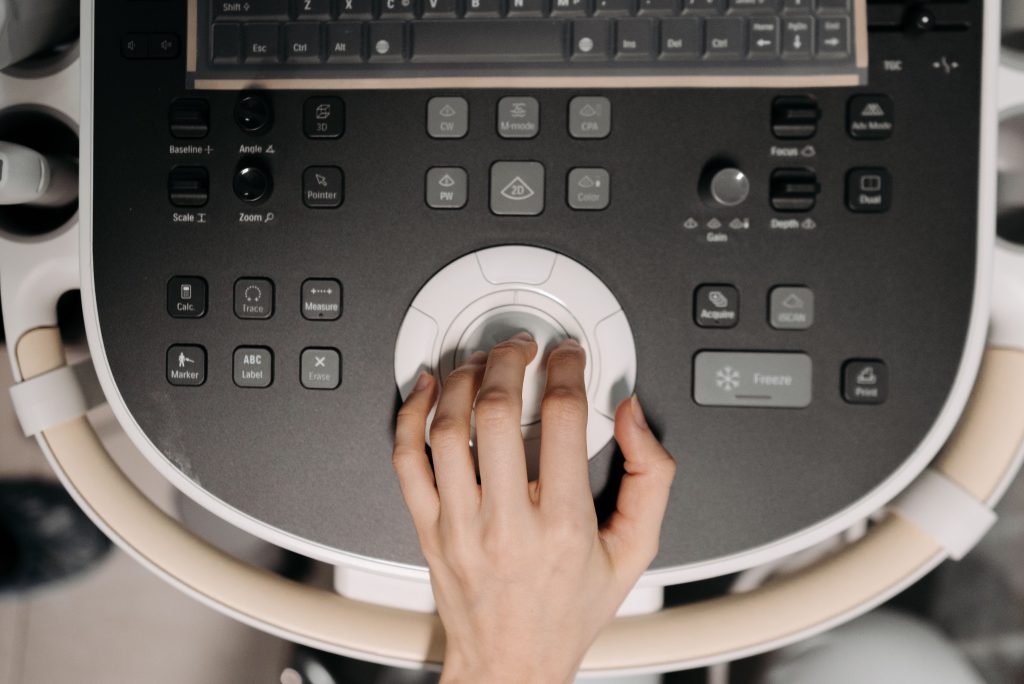
Medical devices occupy an important position in healthcare. From basic clinical supplies to sophisticated diagnostic, monitoring, surgical, and therapeutic equipment, these products can directly affect patient care.
As a result, healthcare providers cannot evaluate medical devices based solely on price, availability, or technical specifications. They must also consider whether a product is appropriate for its intended use and whether applicable regulatory and quality requirements have been addressed.
Regulatory compliance is particularly important because requirements can extend across the entire medical device lifecycle. A healthcare organization may need to consider compliance before procurement, during product selection, when receiving and deploying the device, throughout its operational life, and when responding to safety issues or recalls.
Regulatory Compliance Supports Patient Safety
One of the primary purposes of medical device regulation is to protect patients and healthcare professionals from unreasonable risks.
A device that is improperly labeled, inadequately documented, incorrectly maintained, or used outside its intended purpose can create unnecessary risks. Regulatory requirements help establish controls intended to promote device safety, quality, and effectiveness.
Staying current also allows healthcare providers to respond when new safety information becomes available.
The FDA, for example, publishes medical device safety communications, letters to healthcare providers, recall information, and other safety resources. Its safety communications provide information about current device issues and may include recommendations concerning patient management or clinical use.
Regulations Can Affect More Than Procurement
Although medical device regulations are often discussed in relation to manufacturers, healthcare providers can also be affected by regulatory developments.
Changes may influence:
- Medical device purchasing
- Supplier qualification
- Product documentation
- Device labeling
- Instructions for use
- Inventory management
- Device maintenance
- Staff training
- Clinical procedures
- Safety reporting
- Recall management
- Quality assurance
- Risk management
- Recordkeeping
For this reason, regulatory monitoring should not be assigned solely to the purchasing department.
A change affecting a particular device may require procurement to review supplier information, clinical staff to review updated instructions, biomedical engineering to assess maintenance requirements, and quality personnel to document the organization’s response.
Regulatory Awareness Reduces Compliance Gaps
A compliance gap can occur when an organization has not incorporated a relevant regulatory requirement or safety update into its internal processes.
For example, an organization might continue using an outdated procedure after new guidance becomes available. Similarly, employees may not be aware of a product correction because the information was received by one department but never communicated to the teams using the device.
Regular monitoring and clear internal communication can reduce the likelihood of these situations.
Monitor Official Regulatory Agencies And Government Sources

One of the most effective ways healthcare providers can stay informed is by monitoring official regulatory sources. Organizations should prioritize primary sources when making decisions about compliance because regulatory information obtained from unofficial sources may be incomplete, outdated, or taken out of context.
In the United States, healthcare organizations involved with medical devices should pay particular attention to FDA resources applicable to their products and activities.
Follow FDA Medical Device Resources
The FDA provides a range of medical device resources that healthcare providers can use to monitor regulatory developments.
These include:
- Medical device safety communications
- Letters to healthcare providers
- Medical device recalls
- Early alerts
- Medical device databases
- Regulatory guidance documents
- Device registration and listing information
- Adverse event information
- Regulatory news and updates
The FDA’s medical device resources specifically direct users to safety communications, letters to healthcare providers, recalls, and other databases.
Subscribe To Regulatory Alerts
Healthcare organizations should take advantage of available email subscription services and regulatory notification tools.
The FDA provides subscriptions for medical device safety and recall information, as well as CDRH news and updates. These resources can help organizations receive information without having to manually search regulatory websites every day.
A healthcare organization can designate specific employees to monitor these communications and determine whether an update requires internal action.
Review Regulatory Guidance Documents
Guidance documents can help healthcare organizations and industry stakeholders understand how regulators interpret particular requirements or regulatory issues.
The FDA explains that medical device guidance documents can address topics involving design, production, labeling, promotion, manufacturing, testing, submissions, inspection, and enforcement policies. The agency also notes that guidance documents generally represent FDA’s current thinking and are not themselves binding regulations.
This distinction is important. Healthcare providers should understand whether a document represents a regulation, guidance, safety communication, recall notice, or another type of regulatory information.
Establish A Regular Monitoring Schedule
Instead of monitoring regulations only when a problem occurs, healthcare organizations can establish a formal schedule.
For example:
Regulatory Activity | Suggested Frequency | Responsible Area |
Review medical device safety alerts | Weekly | Quality/Compliance |
Monitor recall information | Weekly and as alerts arise | Quality/Procurement |
Review regulatory news | Weekly or biweekly | Compliance |
Review supplier documentation | During procurement and periodically | Procurement |
Review device inventory | Monthly or quarterly | Inventory/Clinical Engineering |
Audit compliance records | Periodically | Quality/Compliance |
Review internal policies | Annually or after significant changes | Management/Compliance |
Conduct staff training | During onboarding and as needed | Education/Compliance |
The appropriate frequency will vary according to the organization’s size, risk profile, device portfolio, and applicable regulatory requirements.
Stay Informed About Medical Device Recalls And Safety Communications
Recalls and safety communications deserve particular attention because they can involve products already in use within healthcare facilities.
The FDA maintains a medical device recall database containing recalls classified since November 2002. The database can be searched by information such as product name, manufacturer, product code, recall class, or other criteria.
Understand Why Recall Monitoring Matters
A healthcare organization cannot effectively respond to a recall if it does not know which products are in its facilities.
Suppose a healthcare provider has hundreds or thousands of devices distributed across multiple departments. If a recall notice affects a particular product model or lot, the organization needs to quickly determine whether it owns or uses affected units.
This requires accurate inventory records and effective communication.
Maintain Device Traceability
Healthcare organizations should maintain records that allow devices to be identified and located.
Depending on the device, useful information may include:
- Manufacturer
- Product name
- Model number
- Serial number
- Lot number
- Unique device identification information where applicable
- Purchase date
- Supplier
- Department
- Physical location
- Maintenance status
- Current operational status
Strong traceability makes recall management more efficient.
Understand Recall Classifications
The FDA classifies medical device recalls according to the relative degree of risk.
Class I recalls involve a reasonable probability that use of or exposure to the product will cause serious adverse health consequences or death. Class II recalls involve situations where the product may cause temporary or medically reversible adverse health consequences, or where the probability of serious harm is remote. Class III recalls involve products that are not likely to cause adverse health consequences.
Healthcare providers should follow the specific instructions associated with a recall rather than assuming that every recall requires the same response.
Monitor Letters To Healthcare Providers
Letters addressed specifically to healthcare providers can be especially useful because they may contain information about the safe use or availability of medical devices in healthcare facilities.
The FDA maintains a dedicated resource for these communications. Recent examples include information concerning device availability and safe-use issues.
Organizations should ensure that these communications reach the departments and professionals responsible for affected devices.
Work Closely With Medical Device Suppliers

Healthcare providers can strengthen regulatory awareness by maintaining effective communication with their medical device suppliers.
Suppliers can provide important product-specific information, including documentation, product updates, safety information, and changes affecting availability. For procurement teams, supplier communication should be part of the broader compliance process.
Request Current Product Documentation
Before purchasing a medical device, healthcare providers should determine what documentation is available and whether it is appropriate for the intended use.
Depending on the device and applicable requirements, documentation may include:
- Product specifications
- Instructions for use
- Labeling
- Regulatory information
- Product identification
- Quality documentation
- Safety information
- Maintenance instructions
- Training requirements
- Warranty information
- Recall or corrective-action information
The exact documentation required will depend on the device and the applicable regulatory framework.
Ask Suppliers About Product Changes
Procurement teams should not hesitate to ask suppliers whether there have been changes to products they purchase.
Useful questions include:
- Has the product documentation changed?
- Are there updated instructions for use?
- Has the intended use changed?
- Has the product been subject to a recall or correction?
- Are there new safety communications?
- Is the manufacturer issuing updated labeling?
- Has the product been replaced or discontinued?
- Are new maintenance requirements applicable?
- Are updated regulatory documents available?
These questions can become part of a supplier management process.
Evaluate Supplier Communication
Supplier evaluation should include more than pricing and delivery performance.
Healthcare providers may also consider how effectively suppliers communicate important product information.
Relevant considerations can include:
- Responsiveness to regulatory questions
- Availability of current documentation
- Product traceability
- Recall communication
- Complaint handling
- Quality-related communication
- Ability to provide product information
- Responsiveness to requests for regulatory documentation
A supplier that communicates effectively can make it easier for healthcare organizations to manage their medical device inventory and compliance responsibilities.
Make Regulatory Communication Part Of Supplier Management
Organizations can formalize communication expectations by documenting what suppliers are expected to communicate.
For example, procurement policies may require suppliers to notify appropriate contacts about significant product changes, recalls, corrective actions, updated instructions, or other information relevant to safe use.
This helps prevent important information from remaining informal or dependent on individual relationships.
Train Healthcare Staff On Regulatory And Device Updates

Regulatory information has little practical value if employees do not understand what it means for their work.
Staff training is therefore an important part of medical device compliance.
Training should be tailored to the responsibilities of each department rather than providing every employee with identical regulatory information.
Train Employees According To Their Roles
Different employees interact with medical devices in different ways.
Procurement professionals may need training on:
- Supplier qualification
- Documentation review
- Regulatory verification
- Purchasing controls
- Product traceability
Clinical personnel may need training on:
- Device operation
- Updated instructions
- Safety warnings
- Intended use
- Reporting procedures
Biomedical engineering teams may require information about:
- Maintenance
- Servicing
- Performance checks
- Device modifications
- Technical safety notices
Quality and compliance personnel may need broader knowledge concerning:
- Regulatory monitoring
- Auditing
- Corrective actions
- Documentation
- Risk assessment
Incorporate Regulatory Updates Into Existing Training
Organizations do not necessarily need to create a separate training program for every regulatory development.
Updates can be incorporated into:
- Employee orientation
- Annual compliance training
- Department meetings
- Device competency training
- Safety meetings
- Procurement education
- Quality improvement sessions
Short and relevant updates can help employees understand what changed and what action is expected.
Document Employee Training
Training should be documented appropriately.
Records can include:
- Training date
- Employee name
- Department
- Topic
- Instructor
- Materials provided
- Assessment results
- Follow-up requirements
Documentation helps organizations demonstrate that relevant employees were informed about important changes.
Conduct Internal Audits And Maintain Accurate Medical Device Records

Regular internal audits help healthcare providers determine whether their regulatory processes are working in practice. A policy may state that every device should have appropriate documentation, but an audit can determine whether that documentation actually exists and is current.
Review Device Records
An internal audit may examine:
- Device inventory
- Supplier records
- Purchase documentation
- Product identification
- Regulatory information
- Instructions for use
- Maintenance records
- Calibration records where applicable
- Staff training
- Recall responses
- Incident reports
- Complaint records
- Corrective actions
The specific audit scope should be based on the organization’s activities and applicable requirements.
Verify Inventory Accuracy
Inventory accuracy becomes particularly important when responding to recalls.
If an organization does not know where a device is located or which department uses it, responding quickly to a recall can be more difficult.
Organizations should periodically compare their physical inventory with their records and correct discrepancies.
Review Outdated Documentation
Audits can also identify situations where employees are using outdated documentation.
For example, a department may have an old version of an instruction manual stored in a shared folder while the current version is available elsewhere.
Organizations should establish document-control processes that make it clear which version is current.
Turn Audit Findings Into Corrective Actions
Audits should lead to improvement rather than simply identifying deficiencies.
When a gap is identified, organizations can:
- Determine the root cause.
- Assess the risk.
- Assign responsibility.
- Establish a corrective action.
- Set a completion deadline.
- Verify implementation.
- Document the result.
This approach turns compliance monitoring into a continuous improvement process.
Create A Cross-Department Regulatory Compliance System
Medical device compliance is most effective when different departments work together.
Procurement, clinical services, quality, compliance, biomedical engineering, risk management, and management may all have responsibilities related to medical devices.
Define Responsibilities Clearly
Healthcare organizations can use a responsibility matrix to establish accountability.
Activity | Procurement | Clinical | Quality/Compliance | Biomedical Engineering | Management |
Supplier qualification | Primary | Support | Review | Support | Oversight |
Regulatory monitoring | Support | Support | Primary | Support | Oversight |
Product documentation | Primary | Review | Review | Support | — |
Device maintenance | — | Support | Review | Primary | Oversight |
Recall response | Support | Primary | Primary | Primary | Oversight |
Staff training | Support | Primary | Primary | Support | Oversight |
Internal audits | Support | Support | Primary | Support | Review |
The exact responsibilities should reflect each organization’s structure and applicable requirements.
Establish A Regulatory Change Management Process
A structured process can help organizations respond consistently whenever a new regulatory development is identified.
Step 1: Identify The Regulatory Update
Determine what has changed and identify the source.
Step 2: Determine Whether It Applies
Not every regulatory development will apply to every organization or device. The relevant teams should determine whether the change affects their products, operations, procedures, or suppliers.
Step 3: Assess Potential Risk
Consider whether the change may affect patient safety, clinical operations, procurement, device performance, documentation, or reporting.
Step 4: Assign Responsibility
Identify which department or individual is responsible for responding.
Step 5: Update Policies And Procedures
If necessary, revise internal procedures, checklists, training materials, or other documentation.
Step 6: Communicate The Change
Notify affected departments and employees.
Step 7: Implement The Required Action
Carry out the appropriate changes.
Step 8: Verify Completion
Confirm that the required action has actually been implemented.
Step 9: Maintain Documentation
Keep appropriate records of the regulatory update, assessment, response, and completion.
This creates a repeatable process rather than relying on informal communication.
Common Challenges In Keeping Up With Medical Device Regulations
Even organizations with established compliance programs may encounter challenges when monitoring medical device regulations.
Regulatory Information Can Be Complex
Regulatory documents often contain technical language and may address highly specific situations. Employees may need specialized knowledge to determine how a development applies to a particular product.
Organizations should therefore avoid making important compliance decisions based solely on headlines or summaries.
Regulations And Guidance Can Change
Medical device regulation is not static.
The FDA’s current medical device news and updates show that regulatory guidance, safety communications, recalls, classifications, and other developments continue to be updated throughout the year.
This reinforces the importance of continuous monitoring.
Regulatory Responsibilities May Be Unclear
If nobody is formally responsible for reviewing regulatory updates, organizations may assume that another department is handling the task.
Clearly defined responsibilities can help prevent this problem.
Documentation Can Become Outdated
Even when an organization receives regulatory updates, the information may not reach every department.
Document-control procedures help ensure that employees are using current information.
Multiple Facilities Increase Complexity
Organizations operating multiple facilities may face additional challenges because devices, procedures, and personnel can be distributed across locations.
Centralized systems and standardized procedures can help maintain consistency.
How Technology Can Help Healthcare Providers Monitor Regulations

Technology can make regulatory monitoring and medical device management more organized.
Healthcare organizations may use digital systems to maintain:
- Device inventories
- Product documentation
- Supplier information
- Training records
- Maintenance schedules
- Recall records
- Regulatory review logs
- Audit results
- Corrective actions
- Compliance documentation
Centralize Device Information
A centralized system can allow authorized employees to access important information from a single location.
This can be particularly valuable for organizations managing large inventories.
Use Automated Notifications
Digital systems can also help track deadlines and trigger notifications for:
- Maintenance
- Training
- Documentation review
- Regulatory assessments
- Corrective actions
- Audit activities
Automation does not replace human judgment, but it can reduce administrative workload.
Maintain Document Version Control
Version control is another important function.
Healthcare providers should be able to identify current policies, procedures, instructions, and forms while preventing employees from unintentionally relying on outdated materials.
What Should Healthcare Providers Consider Before Purchasing A Medical Device?

Regulatory awareness should begin before a medical device is purchased.
Procurement teams should evaluate the product and supplier in the context of the organization’s clinical requirements and applicable regulatory obligations.
Procurement Consideration | Why It Matters |
Intended use | Helps determine whether the product is appropriate for the planned application |
Regulatory status | Supports verification of applicable authorization or registration requirements |
Product documentation | Helps support appropriate use and recordkeeping |
Labeling | Provides important safety and operational information |
Instructions for use | Helps staff understand proper operation |
Supplier information | Supports traceability and communication |
Safety information | Helps identify relevant risks |
Recall history | Can support risk evaluation |
Maintenance requirements | Supports continued device performance |
Training requirements | Helps ensure users are properly prepared |
Product identification | Supports inventory and recall management |
Ongoing supplier communication | Helps organizations receive important product updates |
Procurement teams should avoid reducing this process to a simple checklist.
The purpose is to determine whether the device can be appropriately integrated into the healthcare organization’s quality, safety, clinical, and compliance processes.
How Merit Pharmaceutical Supports Responsible Medical Device Procurement
Healthcare providers need suppliers that understand the importance of reliable product information, appropriate documentation, and effective communication.
Merit Pharmaceutical supports healthcare organizations by providing access to medical products and helping customers address their procurement needs. For healthcare providers, working with a dependable supplier can complement internal regulatory monitoring by making it easier to obtain product-specific information and communicate about purchasing requirements.
Organizations should still maintain their own compliance processes and verify regulatory information applicable to their operations. However, effective supplier relationships can make procurement more organized and help healthcare teams obtain the information needed to evaluate products responsibly.
When selecting medical devices, healthcare providers can benefit from asking detailed questions about product specifications, documentation, intended use, availability, identification, and applicable regulatory considerations.
The objective is not simply to purchase a product that satisfies an immediate need. The objective is to establish a procurement decision that supports safe, appropriate, and well-documented healthcare operations.
Conclusion
Healthcare providers stay updated on medical device regulations by combining regulatory monitoring, supplier communication, staff education, documentation, audits, technology, and cross-department collaboration. Because medical device requirements can change over time, organizations should avoid treating compliance as a one-time task.
Official regulatory sources should serve as the foundation of a healthcare organization’s monitoring process. In the United States, resources from the FDA include medical device safety communications, letters to healthcare providers, recall databases, guidance documents, and other medical device information.
Healthcare providers should also maintain accurate device inventories, establish clear supplier communication procedures, train employees on relevant changes, and periodically audit their processes. When a regulatory development or safety communication occurs, organizations should have a defined process for determining whether it applies, assessing its impact, implementing appropriate action, and documenting the response.
For procurement teams, regulatory awareness should begin before a medical device is purchased and continue throughout its lifecycle. Evaluating product documentation, supplier communication, intended use, traceability, safety information, and applicable regulatory considerations can help healthcare organizations make better-informed purchasing decisions.
Merit Pharmaceutical can be part of that procurement process by supporting healthcare organizations with dependable medical products and responsive supplier communication. Ultimately, the strongest approach to medical device compliance is one that combines reliable regulatory information with disciplined internal processes and strong supplier relationships.
By making regulatory awareness part of everyday healthcare operations, providers can be better prepared for changing requirements, safety communications, recalls, and other developments that may affect their medical devices. This proactive approach can support patient safety, operational efficiency, responsible procurement, and a stronger overall culture of compliance.
Frequently Asked Questions
1. Why Do Healthcare Providers Need To Stay Updated On Medical Device Regulations?
Healthcare providers need to monitor medical device regulations because regulatory requirements and safety information can affect procurement, clinical use, maintenance, documentation, training, reporting, and patient safety. Staying informed helps organizations identify changes that may require updates to their procedures or practices.
2. What Are The Best Sources For Medical Device Regulatory Updates?
Healthcare providers should prioritize official regulatory sources, including government regulatory agency websites, medical device databases, safety communications, recall notices, and regulatory guidance. In the United States, the FDA provides numerous medical device resources for safety, recalls, guidance, databases, and communications.
3. How Often Should Healthcare Providers Check For Regulatory Updates?
Regulatory monitoring should be ongoing. Organizations may review routine alerts weekly while conducting broader compliance reviews periodically. The appropriate schedule depends on the organization’s size, device portfolio, clinical activities, and risk profile.
4. What Is The Role Of Suppliers In Medical Device Regulatory Compliance?
Suppliers can provide product-specific documentation, safety information, product updates, and recall or corrective-action communications. Healthcare organizations should establish clear communication expectations with suppliers while maintaining their own regulatory monitoring and verification processes.
5. What Medical Device Records Should Healthcare Organizations Maintain?
Records may include product identification, supplier information, purchase records, instructions for use, regulatory documentation, maintenance records, training records, recall information, incident reports, and corrective-action documentation. Specific recordkeeping requirements vary according to the device and applicable regulations.
6. How Do Medical Device Recalls Affect Healthcare Providers?
A recall may require healthcare providers to identify affected devices, determine where they are located, review the manufacturer’s instructions, communicate with staff, remove or quarantine products when required, and document the organization’s response. Accurate device inventories make these activities easier.
7. Why Is Staff Training Important For Medical Device Compliance?
Staff training helps employees understand how regulatory changes and product updates affect their specific responsibilities. Training can help clinical, procurement, technical, and quality teams respond consistently to new requirements and safety information.
8. How Can Internal Audits Improve Medical Device Compliance?
Internal audits can identify gaps in documentation, inventory management, staff training, maintenance, procurement, and regulatory procedures. Organizations can use audit findings to develop corrective actions and strengthen their compliance processes.
9. What Should Procurement Teams Verify Before Purchasing A Medical Device?
Procurement teams should consider the device’s intended use, applicable regulatory status, product documentation, labeling, instructions, supplier information, safety information, maintenance requirements, training requirements, and traceability. The exact requirements depend on the device and healthcare organization’s circumstances.
10. What Should A Healthcare Organization Do When A Regulatory Update Is Issued?
The organization should identify the source and nature of the update, determine whether it applies to its products or operations, assess potential risks, assign responsibility, update policies or procedures when necessary, communicate with affected employees, implement required actions, verify completion, and retain appropriate documentation.
11. Are FDA Guidance Documents The Same As Medical Device Regulations?
No. FDA guidance documents generally describe the agency’s current thinking or approach to a regulatory issue and are not themselves binding regulations. Healthcare organizations should distinguish between regulations, guidance, safety communications, recalls, and other regulatory information when determining what action is required.
12. Can Technology Help Healthcare Providers Stay Compliant?
Yes. Digital systems can help healthcare organizations manage device inventories, supplier records, product documentation, training, maintenance, recalls, audits, corrective actions, and regulatory review activities. Technology can improve organization and visibility, although professional review and decision-making remain essential.
13. Why Is Accurate Device Inventory Important For Regulatory Compliance?
Accurate inventory records help healthcare providers quickly identify whether their organization owns or uses a device affected by a recall, safety communication, or other product-specific update. Good traceability can also support maintenance, documentation, and lifecycle management.
14. Is Medical Device Compliance A One-Time Activity?
No. Medical device compliance is an ongoing process. Regulatory requirements, safety information, product documentation, device inventories, and internal procedures can change. Continuous monitoring and periodic reviews help healthcare organizations respond appropriately to these changes.