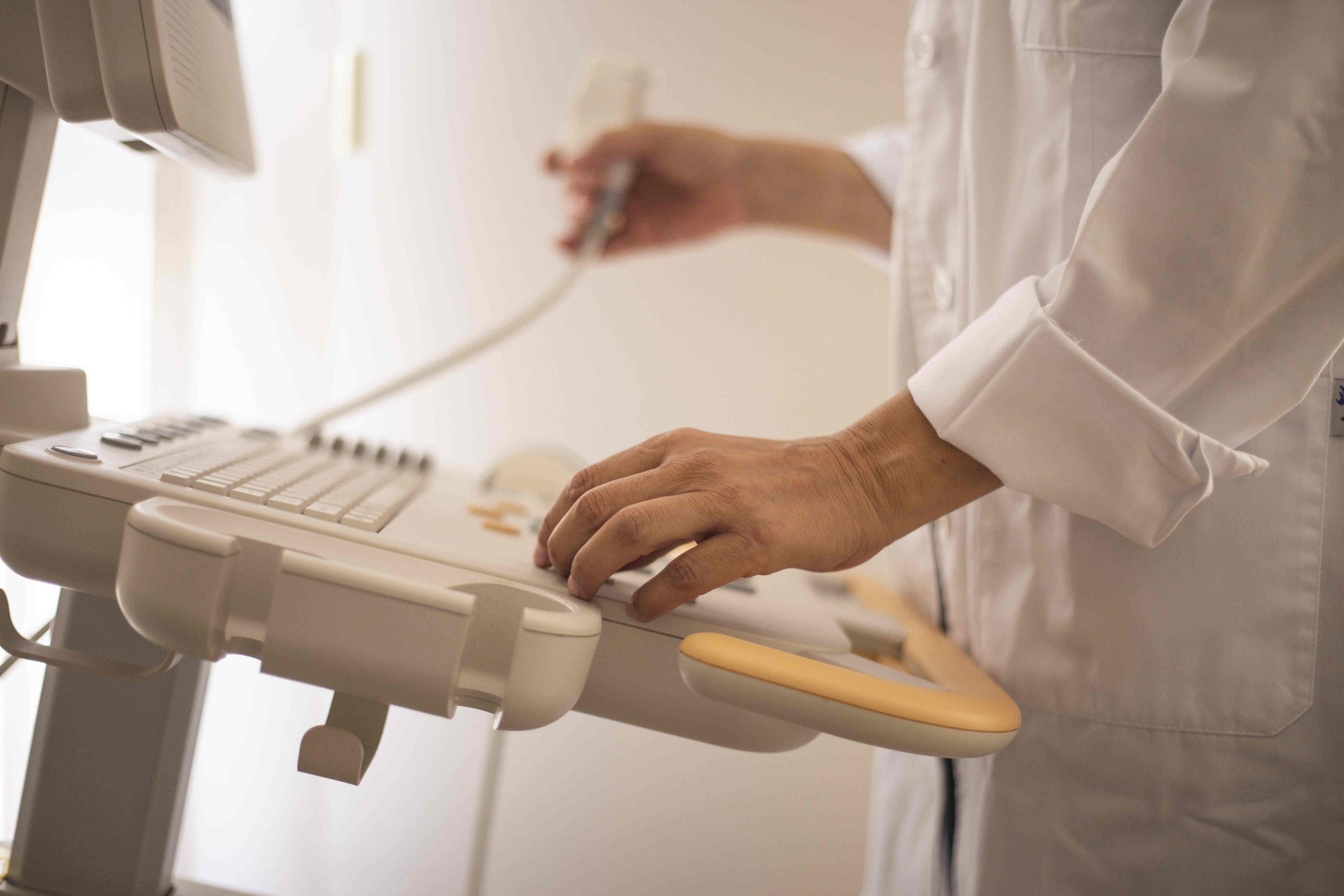

How do clinics in San Diego get IV therapy supplies fast? Most clinics choose either same-day delivery or suppliers with direct manufacturer connections, which shortens waiting periods. Online ordering and automated restocks, too, letting clinics monitor inventory and order on demand. Other groups buy agreements to get bulk prices and expedited shipping. Local courier services back urgent orders, with supplier support teams responding to questions and breaking down issues promptly. To maintain patient care, the majority of clinics diversify supply sources and monitor inventory carefully. The main body will demonstrate how these steps operate in detail.
Key Takeaways
- Clinics achieve rapid access to IV therapy supplies by partnering with local distributors and direct manufacturers, which reduces procurement lead times and enhances supply reliability.
- Group purchasing networks and specialized pharmacies provide cost-effective solutions and custom medication options, helping clinics maintain steady stock while controlling expenses.
- By using modern inventory software and establishing precise par levels, they make ordering efficient, reduce waste, and make sure supplies are on hand when needed.
- Complying with local laws, such as quality standards and disposal regulations, is a must for safety, compliance, and traceability in supply chains.
- Establishing trusted supplier connections and prioritizing employee education boosts not only supply chain management but also the safe infusion of IV therapies, enhancing patient outcomes.
- Harnessing tools like online ordering, tracking, and automation optimizes communication, inventory transparency, and responsiveness to dynamic patient demand.

Key Inventory Strategies
Clinics looking for rapid access to IV therapy supplies have to depend on intelligent inventory controls supported by technology and transparent processes. Real-time tracking, data-driven planning, and regular checks help make your supply chain responsive. Here, strategies are decomposed into software utilization, par level management, and just-in-time practices.
Software Systems
| Software Name | Notable Features | Cost Range (USD/month) | Global Support |
| Oracle NetSuite | Real-time analytics, cloud-based | 99-499 | Yes |
| SAP Business One | Demand forecasting, multi-user | 100-300 | Yes |
| QuickBooks | Inventory logs, user-friendly | 20-100 | Yes |
| Sortly | Barcode scanning, mobile access | 40-200 | Yes |
Clinics employ analytics tools within these systems to predict demand. Historical usage and seasonality trends drive supply orders, no more guessing! Staff training isn’t elementary; every user must know how to input orders, react to system warnings, and identify mistakes in logs. Clinics, too, must keep systems patched to prevent bugs and security vulnerabilities, so they have to schedule upgrades and confirm they’re done.
Par Levels
Par levels are minimums for each IV supply. These are determined by examining historical usage, average daily patient census, and item expiration. For instance, clinics might stock more saline bags during winter when the respiratory viruses are most active. Par levels ought to shift in the aftermath of events, such as area health fairs or a nearby outbreak. All par-level adjustments are communicated with staff via team briefings or inventory dashboards. Quarterly reviews of the actual use as compared to the set levels help clinics identify usage patterns and potential sources of stock-outs or waste.
Just-in-Time
JIT means ordering supplies to arrive just as needed. This reduces warehousing expenses and maintains inventory freshness. Clinics collaborate with vendors to ensure deliveries correspond with daily or weekly requirements. JIT demands employees respond quickly when inventory notifications appear, so materials are reordered before they’re depleted. Regular audits spot errors and expired stock. Labels open multi-dose vials with the ‘opened on’ date and track their use to avoid the accidental use of expired medications. Expiration audits and checklists keep it on track, with monthly checks pulling items close to expiry. Security is crucial for controlled substances, with locked cabinets and comprehensive documentation. For mobile units, gear needs to be safe while traveling and stored inside at night. Daily temperature checks snag storage problems before they rot sensitive drugs.
Navigating Local Regulations
Clinics in San Diego seeking quick delivery of IV therapy goods need to navigate regional policies regulating product purchase, storage, use, and disposal. The law can be rigid, with sanctions that go from fines to injunctions or even criminal prosecution. Local regulations dictate who can administer IV therapy, what qualifications they need, and what constitutes wellness versus medicine. Below are key local rules clinics must meet:
- Secure proper licensing for medical and wellness services
- Ensure staff hold valid credentials (e.g., RN, LVN, physician)
- Distinguish between wellness and medical IV services
- Meet safety and infection control standards
- Keep clear records of all supply orders and usage
- Follow waste disposal laws for medical supplies
- Keep an eye out for state or city health board law changes
State Board
Which is actually good news, because the state board makes a lot of the rules for IV therapy. Clinics need to contact the board themselves to determine and clarify rules on who is allowed to administer IV supplies. In California, LVNs are allowed to administer IV therapy with RN supervision, but only in the case of fluids such as vitamins, electrolytes, or blood products. Clinics are forced to dispatch staff to workshops and seminars to find out about new state mandates. Policies need to be brought up to speed with the new board regulations. Maintaining an open line with the board helps clinics receive guidance on tricky cases or regulation changes.
Quality Control
All clinics must implement protocols to verify IV supplies upon receipt. That is, conducting one-by-one inspections for damage, expiration, or recall notices. Inventory audits are performed regularly to identify and weed out items that don’t meet safety requirements. Employees receive specific training on what to observe and how to report an issue. When a problem is discovered, clinics move quickly to address it, either by withdrawing stock or alerting suppliers. They take these steps and log them to demonstrate what they’ve done.
Disposal Rules
Safe disposal of IV supplies is mandatory. Staff are taught how to discard old or unused items according to local waste regulations. Medical garbage, particularly anything with blood or needles, has established procedures for management and disposal. Clinics have a pre-established schedule to purge old inventory, reducing their chances of storage or administration error. Tracking every disposal is crucial to demonstrating compliance at inspections.
The Human Element
Getting IV therapy supplies immediately is not simply about the logistics or speed. There are humans involved at every turn. From the vendors who fill the boxes to the nurses who inspect every bag, the human factor defines how clinics in San Diego address patient requirements. Nurturing strong, trustworthy relationships, exchanging information, and remaining sensitive to genuine patient input all aid clinics in reacting quickly and effectively.
Supplier Relationships
Building enduring relationships with trusted vendors provides practices a foundation of stability. Thanks to these partnerships, clinics can rely on consistent shipments and rapid support if an issue arises. Check-ins on a regular basis allow both sides to discuss what’s needed, what’s changing, and what works best in the real world. Clinics can often get more favorable pricing or preferential treatment if they order more or remain loyal. Managers check in every few months to see how well supplies fulfill orders, their response time, and if supplies remain secure and fresh. This ensures that all of our partners maintain high quality.
Staff Training
Training the staff well is key. Continuous training teaches nurses and techs how to stash, prepare, and administer IV therapy in safe ways. When new instruments or bags arrive, hands-on training allows staff to familiarize themselves with them prior to employing them on patients. Passing along practical advice, such as how to calm a patient or detect a slow leak, fosters trust and expertise throughout the group. Clinics verify training effectiveness by staff feedback and conducting skills checks. This keeps employees on their toes and primed to repair little issues before they become bloated.
Patient Demand
- Time of year (flu season, peak travel months)
- Local events (marathons, festivals)
- Patient age and health goals
- Popularity of wellness trends (athletic recovery, hangover cures)
- Individual comfort and experience with IVs
Managers keep an eye on those trends. If too many people come in stressed or seeking instant health fixes, clinics stockpile more of certain supplies. Nurses and doctors discuss options with patients, inquiring what feels right and what causes concern. Some patients are relaxed during treatment, others are tense or nervous. Staff use these signals to alter how they craft each session, striving for comfort and success. Clinics hone their inventory by paying attention to this feedback and observing which supplies are depleted first.

Technology In Procurement
Technology has transformed the way clinics procure IV therapy materials. This is especially critical now as clinics must manage worldwide supply chain problems and increased demand for infusion therapies. Strategic sourcing, guided by digital-based tools and data, helps clinics everywhere stay ahead of these obstacles. The incorporation of online portals, inventory monitoring, and automation equips clinics with the ability to proactively address shortages and adapt to rapidly evolving demands.
Ordering Platforms
Clinics select easy-to-use online ordering platforms that reduce the time and hassle required to order supplies. These platforms operate in real time, displaying current inventory, delivery projections, and product availability. This means that clinics can rapidly check stock, compare vendors, and place orders, with the certainty that supplies will arrive on time. For instance, certain platforms offer direct vendor registration and credentialing, allowing clinics to handle supplier relationships while remaining compliant with safety standards.
Training staff on these systems is key. When employees are familiar with the ordering tools, the process is seamless, and errors are minimized. Clinics check in on platform performance and user feedback regularly, ensuring the system continues to support their needs as the supply chain evolves. Online platforms enable new distribution models, such as alternatives, such as elastomeric pumps or gravity infusions with dial-calibrated flow-regulators, for safe, low-cost delivery capabilities.
Tracking Systems
Tracking systems allow clinics to track everything, from order to delivery. Barcoding and RFID tools assist in tracking each item’s movement, increasing inventory accuracy and minimizing confusion. These systems generate granular supply usage reports, so clinics understand which products are moving fastest and need restocking.
This precise monitoring allows clinics to identify surges or dips in demand, enabling them to schedule replenishments ahead of time. Staff training on how to use these systems is equally important as the tools themselves. When all parties log supply consumption and shipments accurately, errors plummet, and the entire operation accelerates. Analytics from these systems assist clinics in adapting to new supply chain models and examining drug distribution habits, maintaining efficiency.
Future Supply Outlook
IV therapy supplies for clinics shift as health care advances. Over the coming year, supply chains in Los Angeles will face ongoing challenges. Full restoration of IV fluid manufacturing isn’t anticipated immediately, and local clinics may continue to experience shortfall spikes. Some IV solutions have been scarce for nearly 10 years, and weather or local production delays can still disrupt supply.
Innovation is one way clinics attempt to maintain consistent access to supplies. Many use digital stock sheets to monitor inventory and identify shortages in advance. Others partner with multiple local suppliers or back regional producers to reduce risks from supply interruptions. This approach ensures clinics can maintain treatment even if one batch of IV fluids is delayed. Minimizing reliance on a single supplier has become a necessary practice.
Forward-looking supply management is essential for Los Angeles clinics to stay ahead of these shifts. Most run audits of future supply requirements and employ lean inventory policies, monitoring consumption carefully and reordering ahead of time. Some clinics collaborate through local group buying networks to secure better pricing and more reliable access. These measures help clinics cope with unpredictable market conditions.
A focus on strong supply chain routines is an integral part of clinic operations. Teams share information, analyze effective practices, and identify vulnerabilities before potential issues escalate. This allows clinics to learn from each other, fostering a cycle of continuous improvement while maintaining reliable access to IV therapy supplies.
Conclusion
Here’s how San Diego clinics get IV therapy supplies fast. Local suppliers develop personal relationships with clinic personnel. Direct ordering and instant inventory inquiries help clinics in San Diego get IV therapy supplies fast. Most clinics have apps that track orders and flag low stock. Drivers are familiar with the fastest delivery routes and use GPS navigation for immediate drop-offs. Staff closely monitor regulations and collaborate with reliable suppliers. A few clinics even procure same-day delivery for their urgent requirements. Each step reduces delay and danger. To keep up, stay sharp on new tech, converse with vendors, and pass what works around to the community. For additional tips or actual anecdotes, see my other blog entries or jump into the discussion.