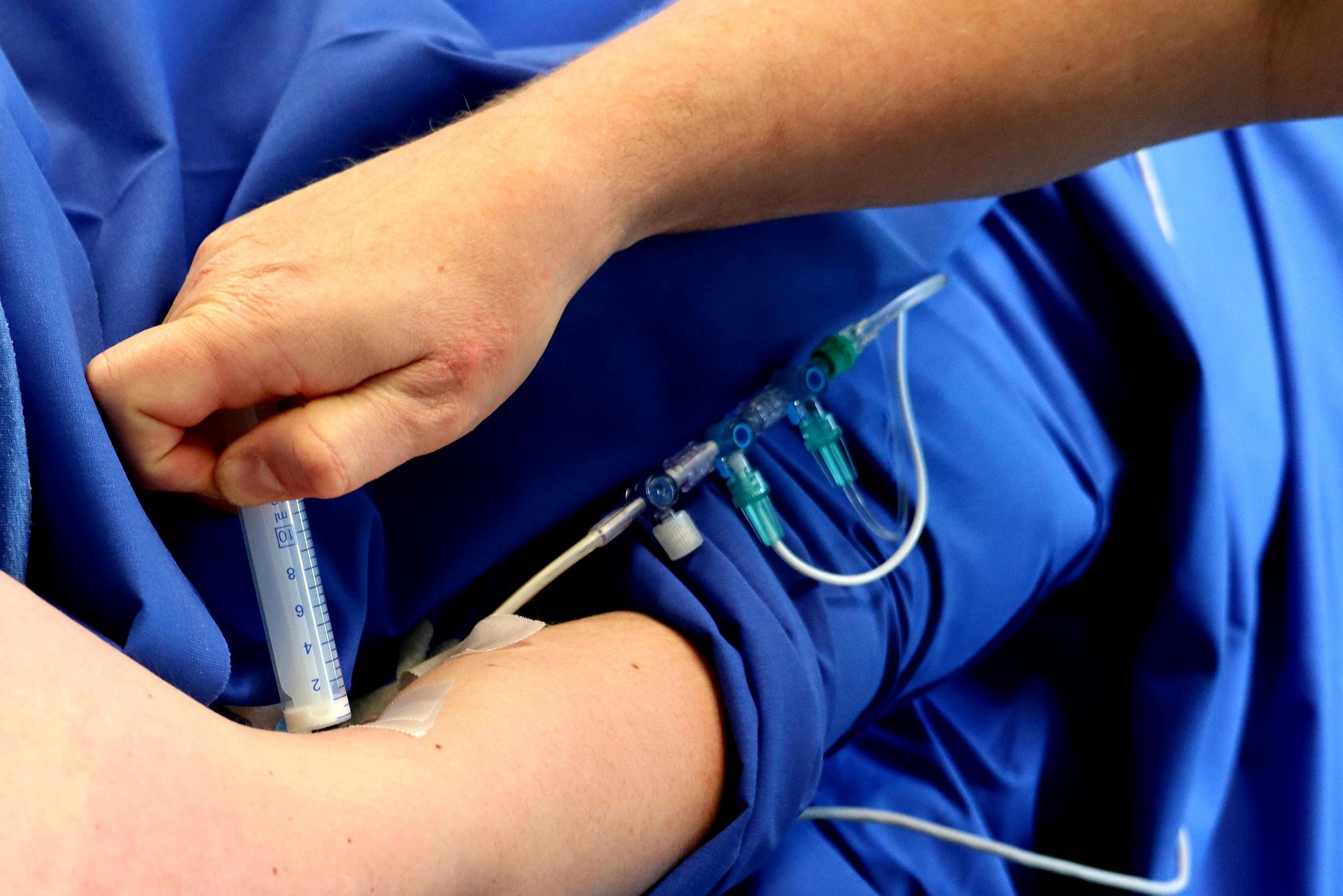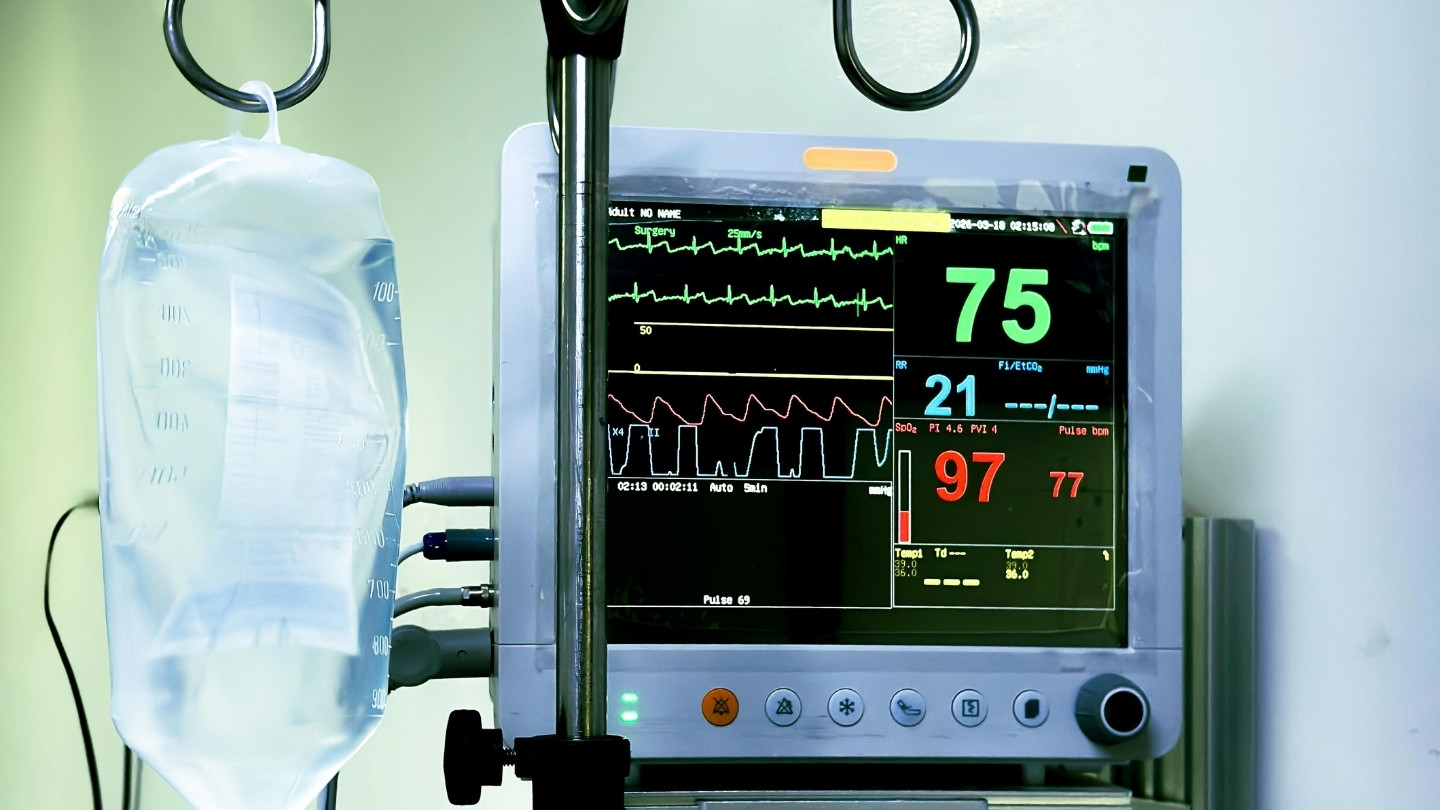

Infusion therapy plays an essential role in modern hospital care. From antibiotics and chemotherapy to fluids, nutrition, pain medication, blood products, and other therapies, infusion devices help healthcare professionals deliver treatments directly into a patient’s bloodstream or another targeted location. Because many therapies require carefully controlled doses and administration rates, the equipment used to deliver them can have a significant effect on patient safety, clinical workflow, and overall care quality.
While traditional infusion methods remain appropriate in many situations, hospitals increasingly use advanced infusion devices that provide greater control, monitoring, and flexibility. Modern infusion pumps can help clinicians program prescribed rates, monitor infusion conditions, respond to alarms, and reduce opportunities for certain medication-administration errors. When properly selected, maintained, and operated, advanced infusion therapy equipment can become an important component of a hospital’s broader patient-safety strategy.
For this reason, choosing high-quality infusion therapy equipment requires more than comparing specifications and prices. Hospitals should consider accuracy, safety mechanisms, usability, connectivity, durability, maintenance requirements, training, and supplier support. They must also determine how equipment will perform in real clinical settings, including intensive care units, emergency departments, oncology centers, surgical areas, pediatric units, outpatient infusion centers, and general patient rooms.
Advanced infusion devices can improve patient care by supporting precise therapy delivery, standardized treatment practices, timely alerts, and more efficient management of complex medication regimens. They may also reduce repetitive manual tasks and provide useful information that helps clinicians monitor ongoing infusions.
Key Takeaways
- Advanced infusion devices provide controlled delivery of fluids, medications, nutrients, and other prescribed therapies.
- Modern infusion pumps can support medication safety through programmable settings, alarms, dose limits, and other protective features.
- Precise and dependable equipment is particularly valuable when therapies must be administered at carefully controlled rates.
- Smart infusion systems can help standardize medication administration and provide additional support for clinical decision-making.
- User-friendly equipment can reduce unnecessary complexity for nurses and other healthcare professionals.
- Compatible connected systems may exchange infusion information with hospital technology and medication-management platforms.
- Reliable equipment can reduce avoidable interruptions and support more consistent care.
- Equipment selection should account for clinical requirements, patient populations, usability, maintenance, training, compatibility, and supplier support.
- Preventive maintenance and ongoing staff education are essential for safe and effective infusion device use.
- Hospitals should evaluate infusion therapy equipment as part of a complete clinical solution rather than focusing only on individual features or purchase price.
What Are Advanced Infusion Devices?
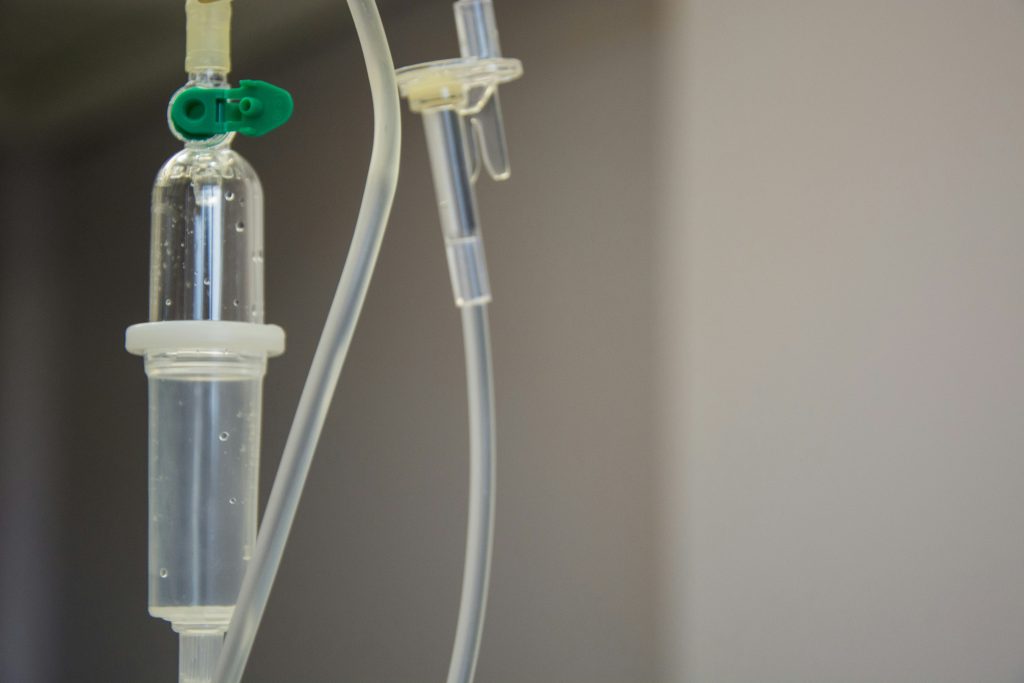
Advanced infusion devices are medical systems designed to deliver fluids, medications, nutrients, or other prescribed therapies at controlled rates and volumes. Common examples include volumetric infusion pumps, syringe pumps, ambulatory infusion pumps, patient-controlled analgesia systems, enteral feeding pumps, and other specialized infusion technologies.
The appropriate device depends on the therapy and the patient’s clinical condition. A syringe pump, for example, may be appropriate when a relatively small volume must be administered with precise control, while a volumetric pump may be more suitable for larger-volume intravenous infusions.
The primary advantage of advanced equipment is greater control. Rather than relying entirely on manual adjustment or gravity-based delivery, electronic infusion devices can be programmed according to prescribed parameters. This can help clinicians administer therapies consistently while providing alerts when conditions require attention.
Depending on the model and configuration, modern systems may include dose-error reduction systems, drug libraries, occlusion detection, air-in-line detection, free-flow protection, pressure monitoring, battery backup, event logging, and communication capabilities. Because these features vary among devices and manufacturers, hospitals should evaluate them according to their specific clinical and operational requirements.
Improving Medication Administration Accuracy
Some therapies require precise dosing and carefully managed infusion rates. Administering a medication too quickly, too slowly, or in an unintended amount can create significant clinical concerns. Programmable infusion pumps allow clinicians to establish specific infusion parameters according to the prescription and applicable hospital protocols. This level of control can be especially valuable in environments where medication administration requires close attention, including intensive care, oncology, surgery, and the management of certain high-alert medications.
Smart infusion pumps can provide an additional layer of support through medication libraries and predefined dosing limits. When properly configured and used according to institutional protocols, these systems can alert clinicians when programmed parameters fall outside established limits. Infusion technology does not replace clinical judgment. Healthcare professionals must still verify medications, concentrations, patient information, infusion settings, and other relevant factors. Instead, advanced devices provide tools that support established clinical processes and may reduce opportunities for certain preventable errors.
Supporting Patient Safety
Patient safety is a central consideration when hospitals evaluate infusion therapy equipment. Advanced infusion devices can incorporate safety features designed to identify conditions that may require clinical intervention.
For instance, an infusion pump may detect an occlusion or abnormal pressure condition and produce an alarm. Other systems may identify air in an infusion line or help prevent uncontrolled free flow when the pump is not actively regulating the infusion.
These functions can draw attention to potential problems so clinical staff can assess and address them. Alarm systems are particularly useful when they are appropriately configured because excessive or poorly designed alarms can contribute to alarm fatigue.
Hospitals should therefore evaluate how safety features operate in actual clinical environments rather than simply confirming that those features exist. Clear alarm messages, appropriate thresholds, intuitive controls, and effective training all influence how useful these safeguards are.
Equipment reliability is another important aspect of safety. Devices that are durable, properly maintained, and supported by dependable suppliers can help hospitals reduce avoidable equipment-related disruptions.
Managing Complex Therapies
Many hospitalized patients receive several medications and therapies simultaneously. A single patient may require fluids, antibiotics, pain medication, nutritional support, and other treatments through multiple infusion channels. Advanced infusion systems can help clinicians manage these complex requirements in a more organized manner.
Multiple-channel infusion pumps can allow several therapies to be administered through one device while maintaining separate programming parameters for individual channels. This can help organize bedside equipment and simplify management of multiple infusions. Syringe pumps can provide precise administration when therapies involve relatively small volumes or require controlled delivery.
The appropriate configuration depends on patient needs and hospital protocols. Hospitals should not select equipment simply because it offers the greatest number of features. Instead, purchasing teams should identify the capabilities that provide meaningful clinical or workflow benefits in each environment.
Helping Clinicians Monitor Infusions
Advanced infusion devices can provide information about the status of an ongoing infusion. Depending on the equipment, this may include infusion rate, volume delivered, remaining volume, pressure conditions, battery status, alarms, and other operational information.
Having this information readily available can make infusion management more transparent. Nurses and other healthcare professionals can review pump settings and respond when an alarm or other condition requires attention. Some systems can also maintain event histories or infusion records. Depending on the device and hospital information systems, these records may support documentation, quality improvement, troubleshooting, and review of infusion events.
Increasing Efficiency In Hospital Workflows
Hospitals must provide high-quality care while managing staffing, time, equipment, and financial resources. Infusion devices can influence workflow because infusion therapy is common across numerous hospital departments. A well-designed infusion system can simplify repetitive tasks and reduce the need for frequent manual adjustments. Programmable pumps can maintain prescribed rates, display relevant information, and provide alerts without requiring continuous manual control of flow.
This can help nurses devote more time to direct patient care and other clinical responsibilities. Efficiency depends heavily on usability. Equipment with complicated programming procedures, confusing menus, or excessive manual steps can slow workflows instead of improving them. Hospitals should therefore evaluate infusion devices from the perspective of the professionals who will operate them every day.
Supporting Different Patient Populations
Hospitals care for patients with widely varying needs, so infusion therapy equipment must accommodate different clinical requirements. Adults may require large-volume fluid administration, medications, blood products, or specialized therapies. Pediatric and neonatal patients may need smaller volumes and more carefully controlled rates. Oncology patients may receive therapies governed by specific administration protocols, while critical-care patients may require multiple simultaneous infusions and close monitoring.
Syringe pumps can be useful when precise delivery of relatively small volumes is required, while volumetric pumps can support controlled delivery of larger fluid volumes. Ambulatory pumps may allow selected patients to continue prescribed therapies outside traditional inpatient environments when clinically appropriate.
Hospitals should consider their patient populations when evaluating equipment. A device that works well in one department may not be suitable for another. Purchasing decisions should account for age groups, treatment types, infusion volumes, medication characteristics, and anticipated clinical applications.
Enhancing Care Through Smart Infusion Technology
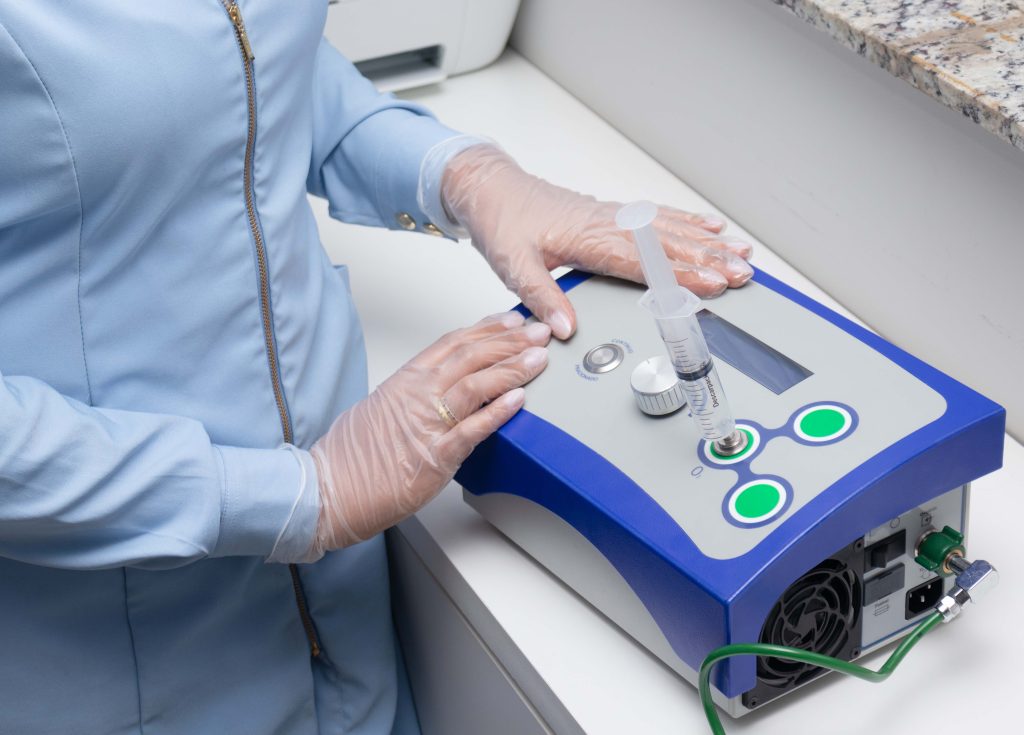
Smart infusion technology is an important development in modern infusion therapy equipment. Smart pumps may include drug libraries containing medication-specific information and established dosing limits.
During programming, the system can compare selected parameters with predefined limits. Depending on the device and configuration, it may generate an alert when a programmed setting falls outside a defined range.
Smart technology can be particularly useful for medications where dosing errors could have serious consequences. Its effectiveness depends on appropriate configuration and ongoing management. Drug libraries must be maintained, hospital protocols must be accurately represented, and clinical staff must receive appropriate training.
Improving Standardization Across Departments
Large hospitals may use infusion equipment across numerous departments. Without appropriate standardization, differences in device interfaces, programming methods, and safety features can increase training requirements and operational complexity.
Using compatible or standardized infusion systems where practical can promote greater consistency. Familiar equipment can reduce the time staff spend learning different programming approaches while also simplifying training, maintenance, inventory management, and troubleshooting.
Standardization does not mean every department must use an identical device. Specialized environments may require specialized equipment. The goal is to establish an appropriate balance between consistency and clinical flexibility.
Connecting Infusion Devices With Hospital Technology
Connectivity is becoming increasingly important in healthcare technology. Depending on the equipment and hospital infrastructure, infusion devices may communicate with electronic health records, medication-management platforms, central monitoring systems, or other information systems. Connected systems may reduce some forms of manual data entry and give clinicians greater visibility into infusion information.
For hospitals considering connected infusion technology, cybersecurity and interoperability are important considerations. Equipment should fit the hospital’s technical environment and be managed according to applicable organizational security policies.
Reducing Treatment Interruptions
Reliable infusion therapy equipment can help minimize unnecessary interruptions to treatment. Depending on its design and operating conditions, an infusion pump with dependable battery operation can continue functioning during certain transitions or temporary power interruptions. Clear alarms can also help staff identify conditions such as occlusions, low battery status, or other issues requiring attention.
Reliability is especially important in hospitals that operate continuously. Patients may require infusion therapy at any hour, making dependable equipment essential across every shift. Before purchasing equipment, hospitals should evaluate expected operating life, battery performance, service requirements, replacement parts, and manufacturer support.
Improving Outpatient And Ambulatory Infusion Care
Advanced infusion devices are not limited to inpatient hospital rooms. Certain technologies can support outpatient and ambulatory infusion services when appropriate for the therapy and patient. Ambulatory infusion pumps can allow selected treatments to continue while patients move through daily activities or receive care in outpatient environments. For therapies that can safely be delivered outside an inpatient setting, this may reduce the need for prolonged hospitalization.
Outpatient infusion centers can also benefit from reliable equipment that supports predictable workflows. Staff may manage several patients receiving different therapies at the same time, making accurate and user-friendly equipment particularly important. Hospitals expanding outpatient infusion services should evaluate portability, battery life, programming capabilities, durability, cleaning requirements, alarm systems, and technical support.
The Importance Of Equipment Usability
A technically advanced device is useful only when trained healthcare professionals can operate it safely and confidently. Infusion pumps should have understandable controls and displays. Programming procedures should follow a logical sequence, critical information should be easy to identify, and alarm messages should provide meaningful guidance rather than simply generating sound.
Usability can affect both efficiency and safety. If nurses must spend excessive time navigating menus or interpreting unclear alerts, the device may create an unnecessary workload. Hospitals should involve frontline staff in equipment evaluations whenever possible. Nurses, pharmacists, biomedical equipment technicians, and other relevant professionals can provide different perspectives on how a device is likely to function in practice.
Why Staff Training Matters

Even high-quality infusion therapy equipment requires appropriate training. Healthcare professionals need to understand how to program devices, respond to alarms, identify common operational issues, follow cleaning procedures, check batteries and accessories, and recognize situations requiring technical support.
Training should address both normal operation and appropriate responses to unexpected conditions. Hospitals should also plan for continuing education. Staff turnover, software updates, equipment upgrades, and changes to clinical protocols can create new training requirements over time.
A dependable supplier can support this process through product documentation, educational resources, technical guidance, and responsive assistance. When evaluating infusion therapy equipment suppliers, hospitals should ask what training and post-purchase support are available throughout the equipment’s service life.
Routine Maintenance For Reliable Equipment
Preventive maintenance is an essential part of safe infusion device management. Hospitals depend on infusion equipment repeatedly, often every day and across multiple departments. Regular inspection and maintenance can help identify potential problems before they interfere with clinical use.
Maintenance programs may include functional checks, battery evaluation, inspection of mechanical components, software or configuration review where applicable, and other procedures specified by the manufacturer or healthcare facility.
Biomedical and clinical engineering teams often play an important role in managing medical equipment. Their responsibilities may include maintaining equipment records, coordinating servicing, and determining when devices should be repaired or replaced.
Choosing The Right Infusion Therapy Equipment Supplier
The supplier is an important part of any equipment decision. Hospitals are not simply purchasing a device, but they are establishing a relationship that may continue through installation, training, maintenance, troubleshooting, and eventual replacement.
A dependable infusion therapy equipment supplier should clearly explain product capabilities and limitations. The supplier should understand the hospital’s clinical environment rather than simply presenting technical specifications.
Hospitals should evaluate suppliers based on several key factors.
- Product quality and reliability should be assessed first. Equipment must be appropriate for intended clinical applications and supported by relevant documentation.
- Technical support is equally important. Hospitals need access to assistance when equipment problems occur, especially when infusion devices are essential to ongoing patient care.
- Training and education should also be considered. Suppliers that provide useful training can help staff become comfortable with equipment and use its features appropriately.
- Replacement parts and maintenance support affect long-term equipment availability and value. Hospitals should understand how these resources will be provided throughout the product’s service life.
- Finally, hospitals should assess overall responsiveness. A dependable supplier should communicate clearly, answer questions efficiently, and understand the importance of reliable medical equipment.
Evaluating Total Cost Of Ownership
Purchase price is important, but it should not be the sole basis for comparing infusion devices. Total cost of ownership can include acquisition costs, accessories, disposables, maintenance, repairs, replacement batteries, software or connectivity requirements, training, and eventual replacement.
A device with a lower initial price may become more expensive over time if it requires frequent servicing or costly accessories. Conversely, a higher-quality device may provide better long-term value when it is durable, serviceable, and well supported.
Hospitals should therefore conduct a broader cost analysis when evaluating infusion therapy equipment. Comparing expected operating expenses, maintenance requirements, and support arrangements provides a more realistic picture of overall value.
Balancing Technology With Human Expertise
Advanced infusion devices can significantly support patient care, but technology should complement rather than replace healthcare professionals. Nurses, physicians, pharmacists, biomedical engineers, and other clinical professionals remain responsible for interpreting patient needs, verifying therapies, assessing treatment responses, and making appropriate clinical decisions.
Infusion pumps can provide control, monitoring, and alerts, but they cannot independently determine whether a patient’s overall treatment plan is appropriate. Hospitals should therefore implement infusion technology as part of a complete safety system that includes medication verification, staff education, clinical protocols, monitoring practices, equipment maintenance, and quality-improvement initiatives.
What Should Hospitals Look For In Advanced Infusion Equipment?
Before purchasing new infusion therapy equipment, hospitals should evaluate the following areas:
- Accuracy and Performance: The device should provide dependable control over prescribed infusion rates and volumes within its intended operating range.
- Safety Features: Hospitals should evaluate applicable safeguards such as occlusion detection, air-in-line detection, free-flow protection, alarms, dose limits, and other safety mechanisms.
- Ease of Use: The interface should be intuitive enough for trained staff to operate efficiently and consistently.
- Clinical Compatibility: The device should support the therapies, patient populations, infusion volumes, and clinical environments in which it will be used.
- Durability: Equipment should withstand the demands of regular hospital use and the operating conditions of its intended environment.
- Maintenance: Hospitals should understand preventive maintenance requirements, service intervals, replacement components, and technical support arrangements.
- Training: Suppliers should provide appropriate education and documentation to help staff operate equipment correctly and confidently.
- Connectivity: When connected technology is required, the device should be compatible with relevant systems and organizational requirements.
- Supplier Support: Hospitals should evaluate supplier responsiveness, technical expertise, product knowledge, and long-term service capabilities.
Building A More Reliable Infusion Therapy Program
Improving patient care with advanced infusion devices requires more than purchasing new pumps. Hospitals should begin by reviewing current workflows and identifying areas where existing equipment creates challenges. Feedback from clinical and technical staff can reveal programming difficulties, frequent alarms, maintenance concerns, equipment shortages, and other operational issues.
The next step is to establish clear clinical and operational requirements. Different departments may require different capabilities, so purchasing teams should define specifications before comparing products. Pilot testing can also be valuable. Allowing clinical staff to use equipment in realistic environments can reveal usability concerns and workflow considerations before a large-scale purchase is made.
After implementation, hospitals should continue monitoring performance. Useful indicators may include equipment availability, maintenance events, alarm patterns, staff feedback, training completion, and other organization-specific measures. This continuous-improvement approach helps ensure that infusion technology remains aligned with patient-care requirements and operational goals.
Advancing The Future Of Infusion Therapy

Infusion technology will likely continue evolving as hospitals seek greater safety, efficiency, connectivity, and flexibility. Future systems may place greater emphasis on interoperability, automated data exchange, advanced analytics, cybersecurity, improved alarm management, and increasingly intuitive interfaces.
The broader direction is toward connected clinical environments in which infusion devices can form part of a coordinated medication-management ecosystem. Technological advancement will continue to depend on practical implementation. Hospitals must determine whether new capabilities provide measurable clinical or operational value and whether staff can use them effectively.
Conclusion
Advanced infusion devices have become an important part of modern hospital care because they provide greater control, monitoring, and flexibility when administering medications, fluids, nutrition, and other therapies. When properly selected and implemented, these systems can support more consistent infusion practices, strengthen medication-safety processes, improve workflow efficiency, and provide clinicians with useful information about ongoing treatments.
From smart pumps and syringe pumps to volumetric and ambulatory infusion systems, hospitals have access to a broad range of infusion therapy equipment for different clinical applications. The appropriate solution depends on patient populations, treatment requirements, department workflows, staffing, existing technology, and organizational objectives.
Quality and reliability should remain central to every purchasing decision. Hospitals need equipment that performs consistently, includes appropriate safety features, is practical for trained professionals to use, and can be maintained throughout its expected service life. They also need suppliers that provide dependable technical support, training, documentation, replacement components, and long-term assistance.
Ultimately, advanced infusion technology is most effective when it supports rather than replaces professional clinical judgment. Dependable equipment, well-designed workflows, trained healthcare professionals, preventive maintenance, and strong supplier support can work together to create a safer and more reliable infusion therapy environment.
Frequently Asked Questions
1. How Do Advanced Infusion Devices Improve Patient Care?
Advanced infusion devices can improve patient care by providing controlled delivery of medications, fluids, nutrients, and other therapies. Many systems include programmable settings and safety features that can help clinicians administer treatments more consistently. Depending on the device, alarms, dose limits, occlusion detection, air-in-line detection, and medication libraries can provide additional support during infusion therapy.
2. What Types Of Infusion Therapy Equipment Do Hospitals Use?
Hospitals may use several types of infusion equipment according to their clinical requirements. Common examples include volumetric infusion pumps, syringe pumps, ambulatory infusion pumps, patient-controlled analgesia systems, and specialized feeding or infusion systems. Volumetric pumps are generally suited to controlled delivery of larger fluid volumes, while syringe pumps are useful when smaller volumes require precise administration..3. Why Are Smart Infusion Pumps Important?
Smart infusion pumps can provide additional safeguards through features such as drug libraries and programmed dosing limits. When appropriately configured, these systems can alert clinicians when certain infusion settings fall outside established parameters. This may support medication-safety practices, particularly when therapies require careful dosing.
4. What Should Hospitals Consider When Purchasing Infusion Therapy Equipment?
Hospitals should consider accuracy, reliability, safety features, ease of use, clinical compatibility, durability, maintenance requirements, training, connectivity, and long-term supplier support. Total cost of ownership is also important because expenses can extend beyond the initial purchase price to include accessories, maintenance, repairs, batteries, training, and replacement components.
5. Why Is Choosing The Right Infusion Equipment Supplier Important?
A dependable supplier can provide much more than the equipment itself. Hospitals may require installation assistance, staff training, technical support, maintenance guidance, replacement parts, documentation, and troubleshooting throughout the equipment’s service life. A knowledgeable supplier can also help hospitals determine which infusion solutions are appropriate for specific clinical applications.