

IV solutions occupy a central role in contemporary infusion therapy by administering fluids, electrolytes, nutrients, and drugs directly into the bloodstream. They replace fluids and electrolytes and deliver drugs at specified rates and concentrations. Popular preparations range from crystalloids and colloids to balanced electrolyte solutions and parenteral nutrition blends, applicable to conditions like dehydration, shock, or nutritional deficiency. Choice is based on patient considerations, lab values, and treatment objectives. Infusion pumps and protocols govern administration rate and safety. The next sections describe types of IV solutions, clinical selection criteria, administration, and monitoring strategies to help inform safe and effective use in today’s clinical practice.
Key Takeaways
- IV solutions provide rapid, targeted support by restoring hydration, correcting electrolytes, delivering medications, and supplying nutrition when oral routes are unsuitable. Clinicians should select fluids based on clinical status and monitoring data.
- Balanced crystalloids and customized polyelectrolyte or colloid formulations enhance physiological stability and results compared to saline for several intensive care conditions, so choose balanced options where relevant.
- Matching drug, fluid compatibility, pH, and osmolality to the medication and patient physiology not only maintains drug stability but also avoids vein irritation or cellular injury.
- Keep sterile venous access, have infusion pumps for accurate and controlled rates, and track serum electrolytes, fluid balance, and metabolic markers to avoid overload or undercorrection.
- Streamline logistics and expenses by evaluating formulary options, collaborating with trustworthy providers, and monitoring inventory and backup plans to prevent supply interruptions.
- Prepare for future shifts by embracing protocols that accommodate customized formulations, intelligent infusion technology, and continuous staff training to apply innovations securely and efficiently.
The Fundamental Roles Of IV Solutions
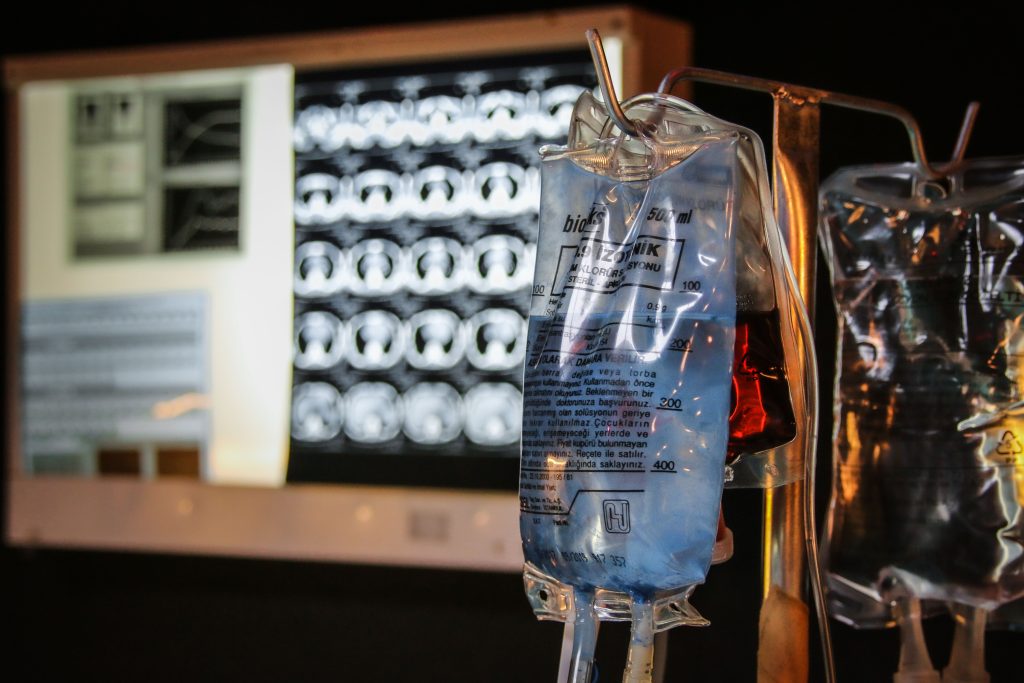
IV solutions form the foundation of contemporary infusion therapy, enabling swift resolution of physiologic deficiencies and targeted administration of therapies. They serve four main clinical functions: fluid resuscitation and maintenance, correction of electrolyte imbalances, medication delivery, and nutritional support. The decision between crystalloids and colloids, and among isotonic, hypotonic, or hypertonic IV fluid solutions, directs therapy based on patient condition and treatment objectives.
1. Restoring Hydration
IV solutions rehydrate patients who cannot drink fluids and those who require urgent volume replacement following dehydration, shock, or hemorrhage. Crystalloids like normal saline and Ringer’s lactate are first-line in many environments because they are extremely available and good for intravascular volume expansion. Isotonic solutions restore circulating volume without rapid fluid shifts. Hypotonic solutions shift water into the cell in cases of intracellular dehydration. Hypertonic solutions pull fluid from cells to expand plasma volume as needed.
Select fluid based on hemodynamics, ongoing losses, and comorbidities. Record intake and output, body weight, and vital signs to prevent fluid overload, particularly in the elderly or those with heart or kidney disease. Plan repeated IV treatments for patients with chronic losses or ongoing inability to hydrate by mouth. Use infusion pumps for controlled rates when necessary.
2. Correcting Imbalances
Balanced electrolyte solutions fix sodium, potassium, and chloride abnormalities occurring in illness, surgery, or metabolic disturbances. Hyponatremia, hypernatremia, and hypokalemia each demand tailored regimens. For example, slow, controlled sodium correction is necessary for chronic hyponatremia, and targeted potassium replacement is required for hypokalemia.
Polyelectrolytic and customized formulas serve complicated requirements, such as mixed sodium and bicarbonate deficiencies. Regular serum monitoring directs modifications and minimizes the possibility of overcorrection or fresh imbalances.
3. Delivering Medication
Intravenous infusion therapy makes it possible to quickly and dependably deliver drugs like antibiotics, immunosuppressants, painkillers, and chemo. Continuous or intermittent IV infusions are based on drug half-life, window of toxicity, and compatibility with available IV fluid solutions. Check compatibility to avoid precipitation and lost potency. Combine drugs only if stability data allow coadministration. Through pumps and dedicated lumens, the rates of infusions can be controlled and the risks of interaction reduced.
4. Providing Nutrition
Parenteral nutrition, often delivered through intravenous administration, provides glucose, amino acids, lipids, electrolytes, and vitamins to patients with nonfunctional GI tracts. Formulations are individualized by metabolic needs and monitored with blood glucose, liver tests, and electrolyte panels, ensuring effective fluid therapy and symptom relief.
5. Maintaining Access
By placing those IVs and establishing sterile venous access with secure catheters, you enable all the above functions, from quick transfusion to long-term nutrition through IV infusion therapy. Rigorous aseptic technique and catheter care reduce infection risk, while infusion pumps and uniform tubing protocols maintain precise IV fluid administration.
How Formulations Have Evolved
Formulations then and now: IV therapy started with blood transfusions in the 17th century and progressed through 19th-century saline solutions to the broad hospital implementation of IV infusion therapy subsequent to mid-20th-century technological breakthroughs. Our modern formulations echo that history while incorporating targeted selections for electrolyte balance, volume support, and therapy-specific additives, now ranging from acute care to customized IV fluid therapy plans in home infusion settings.
Beyond Saline
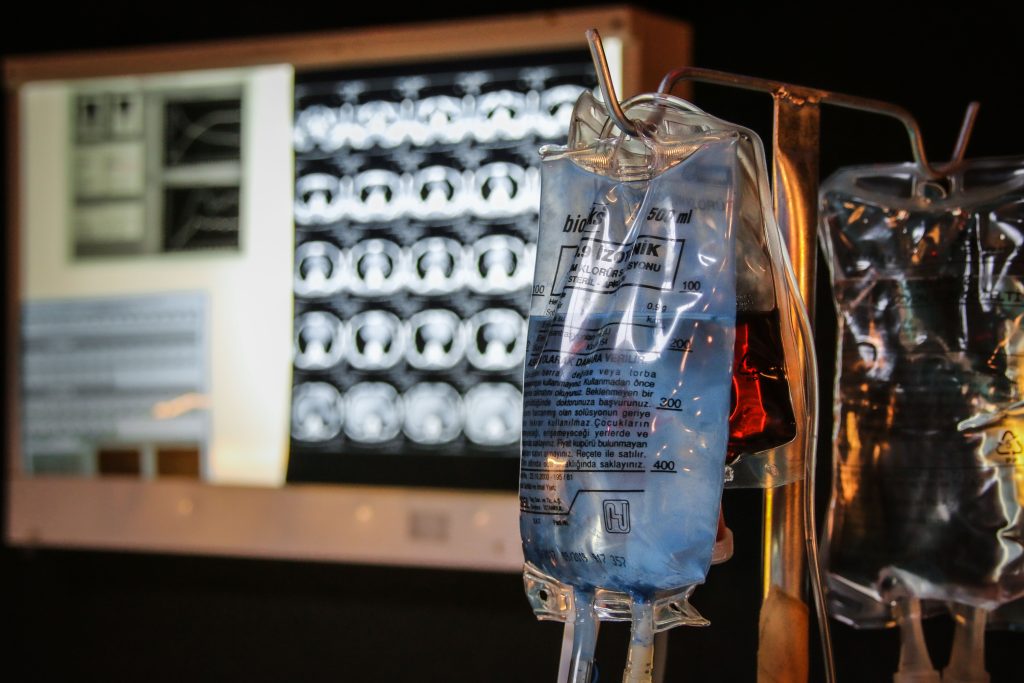
Balanced crystalloids like Ringer’s lactate and polyelectrolytic solutions are essential in fluid therapy as they replace more than just water. By maintaining electrolytes at near physiologic levels, these solutions reduce the need for subsequent correction, making them ideal for IV fluid therapy. For patients experiencing sodium depletion or specific renal conditions, 0.45% saline or hypotonic solutions may be preferred over 0.9% saline to prevent excess sodium load. High-chloride fluids can lead to hyperchloremic acidosis in susceptible patients, so low-chloride counterparts are favored when renal perfusion and acid-base balance are critical in clinical settings.
- 0.9% Normal Saline: basic resuscitation, maintenance
- 0.45% Saline: free water replacement, cellular dehydration
- Ringer’s Lactate: trauma, surgery, sepsis resuscitation
- Hypertonic Saline (3%, 20%): cerebral edema, severe hyponatremia
- Polyelectrolyte Solutions: tailored electrolyte correction, ICU use
- Colloids (albumin, gelatin): plasma volume support in hypovolemia
Balanced Solutions
Balanced electrolyte solutions are intended to preserve physiologic osmolarity and reduce the risk of electrolyte-driven complications. In sepsis and trauma resuscitation, plasma-mimicking crystalloids reduce the rate of renal injury compared to large volumes of NS. For acute kidney injury and critical care, a number of trials demonstrate improved renal outcomes when balanced fluids are employed for volume replacement. Choice depends on clinical needs: buffer content, potassium level, and osmolarity guide selection.
|
Solution Type |
Typical Indication |
Key Properties |
|
Ringer’s Lactate (crystalloid) |
Trauma, surgery |
Low chloride, lactate buffer |
|
0.9% Saline (crystalloid) |
General resuscitation |
Isotonic, high chloride |
|
Albumin (colloid) |
Severe hypoalbuminemia, massive volume loss |
Plasma protein, oncotic support |
|
Semisynthetic gelatin |
Volume replacement |
Rapid plasma expansion, synthetic colloid |
Specialized Additives
Vitamins, antioxidants including glutathione and high-dose vitamin C, and minerals are now included for targeted effects like skin health, liver support, and adjunctive neurologic care. IV infusion therapy formulations can quickly remedy deficiencies and provide recovery for malnourished or critically ill patients. Semisynthetic colloids, modified gelatins, and albumin are still alternatives for volume replacement in hypovolemic shock when IV fluids fail. Home infusion and mobile IV demand stable, preservative-free formulations and transparent dosing schemes for personalized care.
Why Solution Selection Matters

Selecting an IV solution is a critical clinical decision that connects patient physiology, pharmacology, and the desired therapeutic objective. The type of IV fluid, tonicity, and electrolyte composition dictate where water flows, how electrolytes shift, and whether an infusion therapy will reverse shock, replenish a deficit, or safely deliver medications. Balanced crystalloids, as part of fluid therapy, have been demonstrated to reduce in-hospital mortality in critically ill patients by approximately 4%. This emphasizes the importance of customizing IV fluid therapy to ensure accurate, context-specific selection.
Patient Condition
When selecting a fluid for hydration therapy, it’s essential to consider renal function and electrolyte requirements. Be sure to check serum sodium, potassium, chloride, creatinine, and fluid balance. A baseline maintenance need of roughly 20 to 25 milliliters per kilogram of water should be estimated, along with 1 millimole per kilogram per day for potassium, sodium, and chloride, and 50 to 100 grams per day of glucose to avoid ketosis, to establish starting rates. Identify triggers: hemorrhagic shock requires a rapid isotonic crystalloid bolus, while chronic dehydration favors controlled rehydration. For renal or heart failure, decrease volume and select lower-sodium solutions or potassium-containing fluids as necessary. Personalized IV fluid therapy may be needed for uncommon or complicated diseases, guided by nephrology, critical care, or pharmacy.
Drug Compatibility
Confirm compatibility of prescribed meds with carrier fluids to avoid precipitation, pH changes, or drug inactivation. Incompatible mixes can form particulates or in-line occlusion and patient harm. Update compatibility charts and always double-check with the pharmacy.
|
Common Drug |
Typical Compatible Carrier |
|
Ceftriaxone |
Normal saline (avoid calcium-containing solutions) |
|
Vancomycin |
Normal saline or D5W, depending on concentration |
|
Amiodarone |
D5W recommended (may precipitate in saline) |
|
Potassium chloride |
Normal saline or D5W with monitoring |
Don’t combine drugs that precipitate or bind. Opt for separate lines or flush protocols when needed. Go over new research and refresh protocols.
Treatment Goal
- Define the primary aim: resuscitation, maintenance, electrolyte correction, or drug delivery. Pick fluid type according to the target metrics.
- Choose technique: bolus for hypovolemic shock, controlled infusion for maintenance, or hypertonic for cerebral edema.
- Customize amounts and paces to hit targets without burnout. Track weight, urine output, and labs.
- Note goals, interventions, and responses. Reassess often and adjust the fluid plan as labs and clinical status evolve.
Enhancing Therapeutic Delivery

IV solutions are the backbone of contemporary infusion therapy. They shuttle actives, remedy physiologic derangements, and serve as a foundation for customized IV fluid therapy plans. They connect the drug to the bloodstream, ensuring both local and systemic tolerance, while adhering to protocols that provide predictable, measurable results. Our researchers and engineers optimize solution chemistry and delivery platforms to increase precision, minimize adverse events, and enable personalized dosing across patient populations.
Carrier Fluid
Carrier fluids allow delivery of therapeutics, nutrients, and blood factors while influencing their dispersion and short-term bioavailability. Choice is determined by drug solubility, needed electrolytes, and patient condition. For example, some antibiotics require normal saline to prevent precipitation, whereas parenteral nutrition employs balanced crystalloids or polyelectrolytic blends to provide ions and buffering capacity. By matching osmolality and electrolyte composition, the risk of phlebitis is minimized, and systemic tolerance is enhanced.
Recommended carrier fluids for common intravenous medications:
- Normal Saline (0.9% NaCl): numerous antibiotics, IV push flushes
- Balanced Crystalloids (e.g., Ringer’s Lactate): fluid resuscitation, certain medication dilutions
- Dextrose 5% in Water (D5W): drugs requiring free water, specific vitamins
- Polyelectrolytic Solutions: sophisticated nutrient blends, molecular drug cocktails
- Colloid Solutions: choose volume support with blood products
Device integration, for example, smart pumps, checks compatibility between carrier and drug in situ and flags mismatches to reduce errors.
pH Balance
PH optimization enhances drug stability and reduces local toxicity, especially during IV infusion therapy. Most drugs break down at least slightly outside a tight pH range, so chemists buffer formulations to keep active molecules whole during the infusion and in the IV line. PH monitoring in personalized concoctions, like vitamin mixes or delicate biologics, guides tweaks before delivery. Buffered solutions lessen vein phlebitis and systemic acid-base swings. Keeping physiologic pH maintains enzyme activity and patient comfort, which is standard of care to maximize safety.
Osmolality Control
By controlling osmolality, our IV fluid therapy solutions prevent cellular injury and maintain fluid compartment stability. Clinicians choose isotonic solutions for routine maintenance, hypotonic solutions for intracellular dehydration, and hypertonic solutions for severe hyponatremia or intracranial pressure control. Serum osmolality monitoring directs rate and composition modifications to prevent hyponatremia or fluid overload. In critical care, modified IV infusion therapy schedules and pump-controlled rates compensate for altered plasma osmolarity, while nanocarriers and targeted formulations specifically tailor tissue uptake and minimize collateral exposure.
The Economic And Logistical Impact

IV solutions significantly influence the economic and logistical aspects of care delivery, especially in the context of IV fluid administration. Since IV therapy became widespread in the 1960s, hospitals and clinics have balanced effectiveness against resource demands such as trained staff, sterile disposables, and infusion pumps. While disposable supplies and rigorous sanitization reduce contamination chances, they introduce ongoing supply expenses that impact cost and workflow. Treatment times for IV infusion therapy differ, ranging from 30 minutes to a few hours, necessitating capacity planning to align with anticipated infusion durations to prevent bottlenecks and overtime expenses.
Cost-Effectiveness
When selecting fluids and devices, consider the unit price in relation to clinical performance. A cheap bag could lead to increased downstream costs if it raises reactions or nursing time. Using broad-spectrum fluids and multi-use-compatible IV sets can significantly reduce SKU counts and waste, leading to easier ordering and lower storage requirements. Investing in reliable infusion pumps and higher-quality IV sets can yield net savings through fewer device failures and lower risk of medication errors. Additionally, bulk purchasing and standardizing across departments can lower per-item costs and streamline training, making it an effective strategy for managing IV infusion therapy.
Supply Chain
Establish multiple vetted suppliers to ensure a steady availability of IV fluids and pumps. Avoid getting stuck with single-point failures, as shortages of key fluids can necessitate treatment delays and lead to costly workarounds like air-freighting supplies or altering protocols. Collaborate with suppliers that maintain records of sterilization, lot traceability, and cold-chain control when necessary. Experience the effectiveness of personalized, data-driven inventory management, which includes fluid therapy volume tracking connected to consumption rates and predictive models that account for fluctuating treatment durations and seasonal demand.
Regulatory Hurdles
Regulatory requirements for IV fluids, medical devices, and infusion equipment continue to evolve, with standards varying across jurisdictions. Maintaining compliance with current manufacturing, labeling, storage, and distribution regulations helps healthcare organizations avoid product recalls, legal risks, and disruptions to patient care.
Clinical best practices also change as new evidence emerges. Updated treatment guidelines may recommend different IV fluids, infusion devices, or administration techniques, making it necessary to periodically review and replace existing products. To maintain compliance and patient safety:
- Source IV fluids and infusion products that are FDA-approved or certified by the appropriate regulatory authority.
- Keep supplier certifications, quality documentation, and regulatory records readily available for inspections and audits.
- Regularly review clinical guidelines to ensure procurement decisions align with current standards of care.
- Train healthcare staff on proper storage, handling, preparation, and administration procedures.
- Educate clinical teams on emerging technologies, including advanced drug delivery systems, nanocarrier-based therapies, and next-generation needle and catheter technologies, which may have specialized handling, monitoring, or reporting requirements.
A proactive compliance strategy not only minimizes regulatory risk but also supports consistent patient safety, operational efficiency, and high-quality clinical outcomes.
Future Of Intravenous Fluids
Over the next decade, intravenous fluids will pivot from one-size-fits-all bags to more patient-tailored therapy as technology reshapes how fluids are administered and monitored. Crystalloids and colloids will still be the two core classes, but formulations within those groups will divide into subtypes based on patient age, comorbidity, and metabolic profile. Precision fluid therapy, including customized IV fluid therapy plans, will rely on lab data, weight, body composition, and organ function to select not only volume but also ion mix, buffer choice, and osmolarity. For instance, a frail elderly patient with CKD might receive lower-sodium crystalloid with adjusted potassium and a controlled infusion rate based on real-time lab feeds.
Smart pumps, barcode systems, and AI work together to reduce mistakes and improve care quality. Barcode administration with bedside scanners will cut administration errors by as much as 80%, and smart pumps will enforce dose limits and infusion protocols. AI will use patient history, vitals, and labs to recommend fluid type and rate, identify mismatches, and predict fluid responsiveness. For instance, in routine practice, a clinician might receive a pump alert suggesting a colloid bolus for a septic patient about to decompensate or a customized maintenance regimen for a post-operative patient from predictive models.
Mobile IV services and advanced vein access devices will expand the locations and methods of fluid administration. Near-infrared vein imaging will boost first-stick success in adults with difficult access, minimizing delays and complications. Mobile teams equipped with handheld imaging and portable pumps can offer outpatient hydration therapy, chemo support, or emergency triage beyond hospitals. This is important as the workforce ages; many nurses are approaching retirement. Instruments that make life easier and increase first-pass success will assist in upholding standards and alleviating strain.
Supplement strategies will become increasingly more sophisticated and data-driven. Trials are testing blends of electrolytes, micronutrients, and lipids in IV infusions for sepsis, trauma, and malnutrition. Clinical trials will investigate new carriers, slow-release IV formulations, and different delivery routes. In-progress research will find out which additives improve outcomes versus adding expense or danger. Keep a close eye on trial registries and guideline updates. Practice will evolve as strong data emerge.
Conclusion
IV solutions define how clinicians deliver fluids and medications. Established protocols assist in selecting the appropriate blend, saline concentration, and supplements for each situation. Enhanced formulas reduce risk, maintain organ homeostasis, and optimize drug delivery. Supply chains and cost impact what hospitals use and how quickly teams can move. New fluid types and smart pumps indicate care that responds to patients and reduces waste.
A useful example is switching from a one-size bag to targeted, balanced fluids. This change lowered electrolyte fixes and cut the length of stay in a small hospital trial. Another example is that pre-mixed antibiotic bags cut prep time and reduced dosing errors in an outpatient clinic. Read more on the blog and sample the practice checklist in the next post.
Frequently Asked Questions
1. What Primary Functions Do IV Solutions Serve In Modern Infusion Therapy?
IV solutions, including saline solutions and crystalloid solutions, replace fluids, electrolytes, and medications, maintaining fluid balance and facilitating precise drug delivery for critical care.
2. How Have IV Solution Formulations Changed Over Time?
Formulations ranged from basic saline solutions to balanced crystalloids, specialized nutrient therapies, and colloids, enhancing safety and decreasing complications in intravenous administration.
3. Why Does Selecting The Right IV Solution Matter For Patient Outcomes?
The correct IV fluid solution forestalls electrolyte imbalance, fluid overload, and acid-base derangements, ensuring efficient drug administration and accelerating recuperation while minimizing risks and hospitalization.
4. How Do IV Solutions Enhance Therapeutic Delivery Of Medications?
IV solutions, such as saline solutions and crystalloid solutions, serve as the delivery vehicles that enable accurate dosing, stable blood concentrations, and fast onset for IV infusion therapy.
5. What Economic and Logistical Impacts Do IV Solutions Have On Healthcare Systems?
Selecting the right IV fluid solutions can significantly impact supply costs, storage requirements, nursing time, and complication rates, ultimately reducing total IV therapy costs.
6. What Safety Considerations Apply When Administering IV Solutions?
Monitor fluid status, electrolytes, and infusion rate during IV infusion therapy, while also checking the site for infiltration or infection. Tailor the IV fluid solutions to the patient’s condition and adapt according to labs and clinical response.
7. What Trends Will Shape The Future Of Intravenous Fluids?
Think more personalized, physiologic saline solutions, intelligent infusion devices, and enhanced supply-chain robustness. Innovations strive to make IV infusion therapy safer, more personalized, and less expensive.