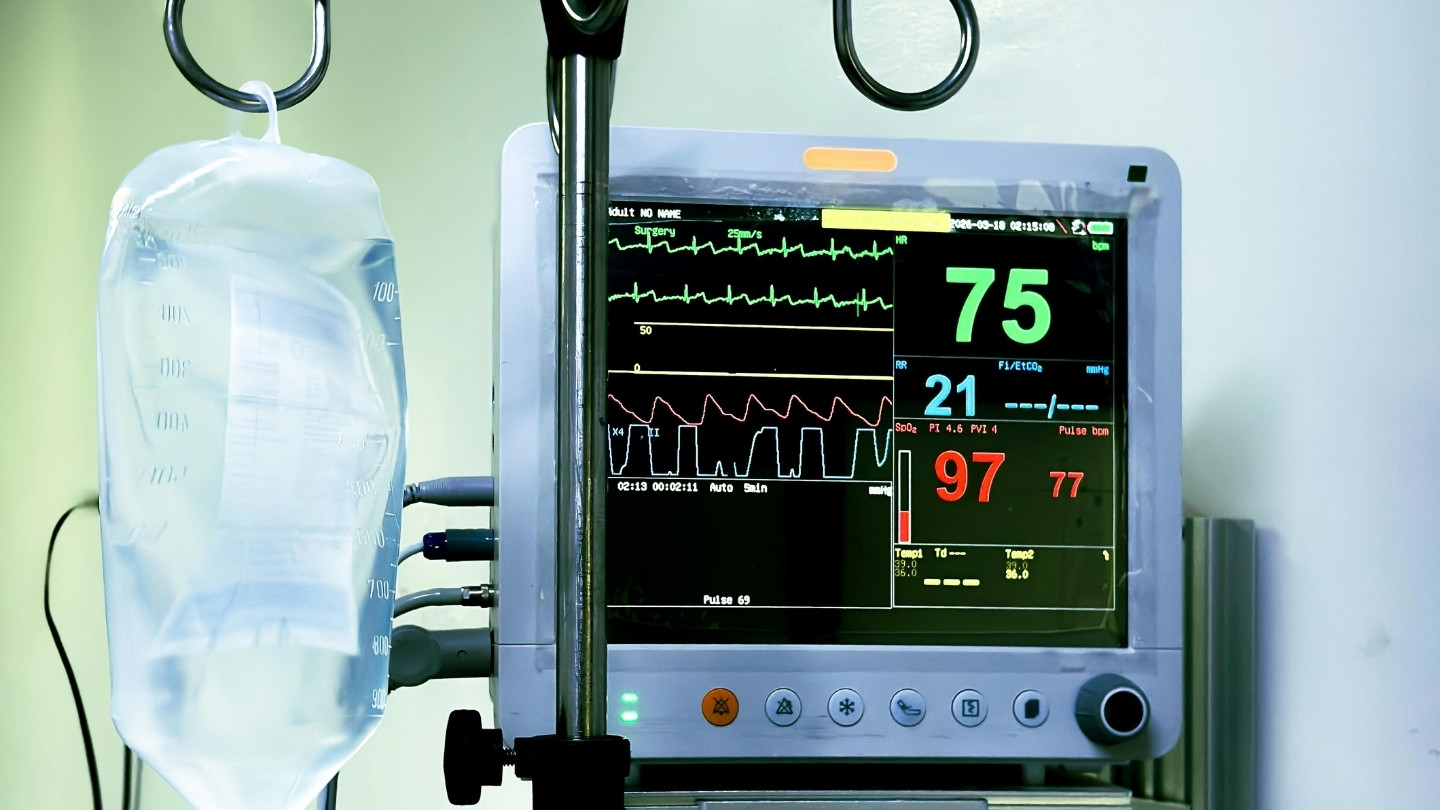
Supplier trust is critical in exam room supply procurement because it helps ensure steady access to high-quality tools and products. Trusted suppliers ship the right things on time, keeping clinics and hospitals humming. When buyers trust their suppliers, they can invest less time verifying shipments and more time assisting patients. Good supplier relationships translate to better prices and support should something go awry. In a market where health and safety are at stake, trusted suppliers mitigate the risk of counterfeit or defective products. For clinics and health teams, supplier trust eases work and supports care standards. The following interview will illustrate how trust influences every stage of the supply journey.

Key Takeaways
- Supplier trust is fundamental to ensuring patient safety, operational continuity, and clinical efficacy in exam room supply procurement. It directly impacts the quality of care and overall healthcare outcomes.
- Trusted partners who have a proven track record of on-time delivery, good financial standing, and adherence to relevant regulations reduce risk and foster operational continuity.
- Transparent communication, collaborative issue resolution, and consistent performance evaluations help cultivate strong supplier partnerships and trust over time.
- These hidden costs from supplier mistrust, such as regulatory penalties, excess inventory, and reputational damage, can eat away at organizational efficiency and long-term sustainability.
- Leveraging technology tools, such as process automation, data analytics, and predictive analytics, increases transparency, builds trust, and creates efficient procurement workflows for additional resilience.
- By investing in interpersonal skills, ongoing supplier development, and a culture of mutual respect, they are not just buying supplies. They’re cultivating partnerships that allow their organizations to adapt to evolving market conditions while maintaining high standards.
The Pillars Of Supplier Trust
Supplier trust is the unseen string that ties exam room supply purchasing. Lacking it, operational risks, regulatory lapses, and patient safety threats can swiftly sabotage even the most advanced procurement approach. Top supplier management strategies rely on automation, segmentation, performance tracking, risk management, and spend optimization to generate value both in the short term and long term. Trust, cultivated with frequent communication, transparency, and continued collaboration, drives down costs, cultivates growth, and delivers higher margins across global healthcare supply chains.
Key criteria for supplier selection:
- Proven compliance with regulatory and quality standards.
- Demonstrated financial stability and risk management.
- Track record of reliable delivery and strong performance metrics.
- Transparency in communication and willingness to collaborate.
- Adaptability to automation and digital supply chain systems.
- Ability to support contingency planning and supply continuity.
- Responsiveness to audits, feedback, and governance frameworks.
- Alignment with long-term clinical and operational goals.
1. Caregiver And Patient Safety
Safety has to be first. Suppliers need to demonstrate rigorous supplier quality management, typically evidenced by third-party audits and traceable documentation. Checking a supplier’s performance data helps identify patterns of dependability or chronic product problems. For instance, leveraging supplier scorecards and conducting periodic safety audits can provide visibility into how Merit Pharmaceutical performs against safety metrics. Strong supplier relationships are an important part of the package. Suppliers who feel responsible are far more prone to maintaining quality and acting swiftly if problems occur.
2. Operational Continuity
Trustworthy vendors are the backbone of steady supply chains, as strong supplier relationships enhance supplier performance. Tracking delivery performance, such as on-time rates and fill percentages, supports effective inventory management procedures. If supply disruptions jeopardize activities, fallback strategies like alternative sourcing or buffer inventory should be prepared, ensuring resilient supply chain management.
3. Financial Stability
Evaluating a supplier’s financial health is critical for maintaining strong supplier relationships. Contracts should reflect fair prices and sustainable practices, not just cost savings. Regular performance reviews provide insight into a partner’s supplier performance, helping companies manage budgets and avoid surprise disruptions in their supply chain management.
4. Clinic Protocol Compliance
Suppliers must possess current certifications and comply with industry standards to ensure supplier quality. Continuous audits monitor compliance, while strong supplier relationships and solid governance structures establish standards and penalties for breaches, enhancing accountability across the procurement chain.
5. Clinical Efficacy
Choosing suppliers who offer clinically-backed products enhances patient care and supports supplier quality management. By reviewing clinical data and sourcing insights from supplier surveys, Merit Pharmaceutical ensures its offerings align with real-world needs, fostering strong supplier relationships that drive ongoing innovation and shape supply to meet shifting demands.
Beyond The Handshake
Supplier trust isn’t merely a pledge or promise, it’s built day by day through strong supplier relationships. In exam room supply sourcing, faith relies on candid communication, shared goals, and a persistent commitment to achieving mutual objectives. Real trust extends beyond initial transactions and is enhanced by supplier quality management, transparent feedback, and a defined process for addressing challenges while tracking advancements.
Defining Trust
Trust is more than hoping a supplier will come through. It’s based on evidence that they follow through, repair errors quickly and behave with integrity. Firms look for signs: steady stock, true data, fair prices. These signposts help construct what one refers to as the trust matrix, where every node, from durable products to band-aid solutions, influences the system.
A powerful trust connection can accelerate supply checks, reduce bureaucracy, and enable both parties to make decisions quickly. When the buyer and supplier both fare, the whole chain goes well. Trust provides safety, too, so teams can concentrate on caring, not scrambling late shipments or untangling mix-ups.
Treating people the right way, fair trade, and open book, these are the heart of trust. When a vendor honors their commitment and plays by the principle, trust seeps deeper, not only for today’s transaction, but for the long haul.
Measuring Trust
To judge trust, use simple data checks. Track on-time drops, test quality, and log how fast they answer calls. Scorecards help. They set marks for what is good and what needs work. Firms use them to check if trust is holding up or slipping.
Reviews are common. Each round, teams check if the goods came on time, if they were right, and if the team kept the talk open. This prevents trust from falling through the cracks.
Numbers alone miss some aspects. Seek feedback from both sides. Don’t just seek stats, seek evidence of collaboration. A call or a short check-in can reveal if the bond is strong or feeble.
Strengthening Relationships
- Go beyond the handshake.
- Share news, good or bad, as soon as it drops to trim shock.
- Reward teams that step up in hard times or go above and beyond.
- Maintain open conversations, leverage calls or chats, not just forms and emails.
- Build a plan for when things go wrong, so both sides know what to do.
- Follow up on the deal frequently to keep both parties engaged.
- Make room on both sides to repair, not just finger-pointing.
- Maintain clear and open records to prevent little problems from festering.
Solve problems together alongside the supplier. Whether it’s an emergency patch for a late order or a collaborative design for a new style of glove. When a supplier maintains good work, inform them. A little ‘thank you’ or a ‘bonus order’ goes a long way.
A trust plan should include predetermined checkpoints to touch base, celebrate successes, and highlight areas that need improvement. This keeps the connection robust even as demands evolve.
The High Cost Of Mistrust
Mistrust in supplier relationships can lead to significant costs in exam room supply procurement, affecting not just prices but also overall business efficiency and reputation. This interplay between trust and mistrust is crucial in determining whether a supply chain operates smoothly or faces a series of bottlenecks. Understanding supplier quality management is essential for mitigating these issues.
| Cost Type | Description | Example |
| Direct Financial Costs | Higher transaction fees, increased monitoring and audits | Additional quality checks, supplier audits |
| Compliance Costs | Fines, penalties from regulatory breaches | Regulatory non-compliance fines |
| Operational Costs | Inventory build-up, workflow slowdowns | Overstock due to delays, idle labor |
| Reputational Costs | Loss of trust among clients, negative publicity | Poor online reviews, client complaints |
Hidden Expenses
- Increased overhead from additional checks and balances to compensate for suspicion.
- Cost of holding excess inventory to protect against supplier slowness.
- More training or onboarding costs when changing suppliers often.
- Fines or penalties resulting from vendor noncompliance.
- More staff hours are wasted on fighting or additional reporting.
When suppliers ship late, clinics often engage in inventory management procedures, maintaining extra inventory ‘just in case,’ which ties up capital and space. Constant supplier switching contributes to confusion, undermines supplier reliability, and results in additional training for personnel. Regulatory fines from bad supplier adherence can be thousands of euros or dollars in either direction, accumulating quickly.
Operational Drag
Mistrust leads to additional checks and paperwork prior to decisions being made. This causes procurement cycles to drag and becomes expensive. Members of the team waste time second-guessing orders, introducing flow bottlenecks. Even minor exam room supply deliveries can disrupt appointment schedules and impair productivity.
When teams don’t trust suppliers, they add in extra steps such as manual inspections or fallback vendors. That translates into extended lead times and service holes. Supply chain disruptions result in appointment misses, reschedules, and wasted clinician hours. Establishing direct and transparent communication channels and transparent KPIs can help alleviate these delays and increase supplier cooperation.
Reputational Damage
If exam room supplies are tardy or second quality, clients observe. Words travel fast, particularly online, and bad reviews linger for ages. Hospitals and clinics that depend on trusted suppliers such as Merit Pharmaceutical do not get bad press or regulatory attention.
Reputational harm extends beyond patient grievances. It could impact future contracts, partnerships, and even team morale. Bad press or internet reviews erode trust from existing or prospective customers. A crisis plan limits fallout from supplier failures and lets stakeholders know you take reliability seriously.

The Trust-Technology Nexus
Supplier trust is at the heart of exam room supply procurement, where precision, safety, and just-in-time deliveries are all critical to patient care. Trust encompasses more than just a handshake or contract, it involves shared data, transparent processes, and intelligent technology that enhance supplier quality management. The right digital tools and analytic methods enable buyers and suppliers to collaborate effectively, identify risks, and ensure every order meets the highest quality specifications. Below is a brief look at technology tools that build trust and transparency in procurement.
| Tool Type | Functionality | Impact On Trust |
| Supplier Portals | Share updates, documents, and performance data | Boosts real-time transparency |
| e-Procurement Platforms | Automate ordering, invoicing, and tracking | Reduces errors, builds consistency |
| Analytics Dashboards | Visualize supplier data and KPIs | Enables data-driven decisions |
| Blockchain Ledger | Secure, immutable transaction records | Prevents data tampering |
| Predictive Analytics Software | Forecasts demand, supply risks | Anticipates disruptions |
Data Transparency
Open data sharing is foundational for trust. When suppliers and buyers swap data freely, both are in a position to remedy shortages, delays, or quality problems well before they reach the exam room. Real-time dashboards displaying order status, quality checks, and shipment locations simplify early problem identification and rapid resolution.
A universal file format is a lingua franca. This makes it possible for disparate suppliers, small local outfits or huge global vendors like Merit Pharmaceutical, to communicate transparently, exchange documents, and benchmark performance. Standardization eliminates ambiguity, accelerates validation, and mitigates the potential for expensive errors.
Transparency has to extend beyond technology. It’s a cultural change where everyone in the chain takes ownership and communicates. When transparency is taken for granted, suppliers tend to raise red flags early and buyers tend to provide support, generating a loop of trust.
Process Automation
Automation in procurement eliminates errors associated with manual work, enhancing supplier quality management practices. It automatically takes care of purchase orders, approvals, and payments, ensuring that nothing falls through the cracks. By minimizing human involvement, it decreases the frequency of errors and increases confidence in the procurement process.
E-procurement platforms transform the relationship between buyers and suppliers, fostering strong supplier relationships. They allow either side to track order status, see shipment details, and update inventory in real time, all from a single interface. This accelerates transactions and establishes reliability in expectations, which is crucial for effective supply chain management.
Procurement software monitors vendor performance without endless spreadsheets, focusing on supplier reliability. It follows on-time delivery rates, product quality scores, and safety standard compliance, allowing purchasers to benchmark vendors with concrete statistics. With less time spent on record-keeping, procurement teams can shift their attention to strategy and optimizing their supplier base.
Predictive Analytics
Predictive analytics assist procurement teams in anticipating what lies ahead in supplier performance. By leveraging historical order information, market trends, and seasonal shifts, these solutions predict demand fluctuations and support effective inventory management procedures. This proactive approach decreases the risk of stockouts or overordering, ensuring that the supply base remains resilient.
Reviewing past supplier records reveals who delivers on time and who doesn’t. These predictive models highlight high-risk suppliers before problems emerge, allowing for adjustments in procurement decisions or modifications to ordering patterns. Strong supplier relationships are essential in this process, as they foster trust and reliability.
Infusing supplier scorecards with predictive analytics, in particular, gives procurement teams a sharper view of supplier quality. They don’t make decisions just on historical performance, they also factor in potential risks going forward. This is critical for exam room supplies, where a skipped delivery can significantly affect patient care.
Forging Resilient Partnerships
Supplier partners in exam room supply procurement are about more than just contracts, they also focus on supplier quality and strong supplier relationships. Resilience in these relationships stems from trust and collaboration, which account for more than 41 percent of partnership resilience, according to research. Cultivating these attributes is crucial for leaders committed to their supply chain management enduring and evolving.
- Establish defined, bi-directional communication early. Take advantage of your recurring meetings to touch base, exchange updates, and discuss disaster plans. When both sides know what to expect, problem solving and long-term planning become easier. These meetings assist partners in discussing risk and how to address abrupt disruptions. Managers who spend time on public and private networking create more resilient supplier relationships, which helps suppliers and customers make things work better and be less surprised when market dynamics change.
- Promote collaborative projects and candid criticism. Trust and togetherness thrive when teams on both sides collaborate side by side. For instance, co-designing packaging or new ways to manage inventory can ignite new thinking and identify risks ahead. With digital tools such as shared dashboards and supply chain software, it is easier to get visibility into status, monitor shipments, and identify issues before they escalate. That sort of transparency enables all partners to respond quickly and make more informed decisions.
- Back supplier growth. Providing training or technical assistance for suppliers can increase their quality and velocity, which increases the entire supply chain. Supplier development programs may target skills, safety, or waste reduction. In funding these initiatives, purchasing organizations demonstrate faith in a common future and cultivate trust.
- Create an ethic of fairness and community objectives. Ensure that both parties appreciate respect, integrity, and the ambition to achieve shared goals. Strains can arise between resilience and sustainability. More than 60% of managers perceive tension between the two. Applying circular economy principles, such as material recycling or equipment reuse, reduces reliance on external sources and can simultaneously support resilience and sustainability goals. Trust, in turn, is shown to increase sustainability performance, boosting outcomes by almost 18%.
Human-Centered Sourcing
Exam room supply procurement is more than just matching orders to stock, it’s grounded in the human element of how we work together and trust each other. Purchasing personnel don’t just shuffle stuff, they keep health services operating smoothly and adapt to change. Their procurement decisions frequently rely on strong supplier relationships, and these connections can influence both the efficiency and result of purchasing.
Face time with suppliers establishes trust and expedites problem solving. When humans talk face to face, they detect subtle non-verbal cues, resolve uncertainties, and achieve agreements that suit all parties better. Employees often prefer working with reliable suppliers they’re familiar with, like Merit Pharmaceutical. This personal connection can mean expedited service and more dependable shipments when last-minute needs arise. Some vendors will even go out of their way due to these bonds, aiding in the smooth sailing of healthcare services.
Training has a lot to do with how employees deal with supplier quality management and new platforms. Several staff mention that electronic procurement platforms are difficult to use, one describing it as a “bizarre complex system” laden with unknown features and jargon. Without training and support, these tools become even more challenging, leading to errors or bottlenecks. When staff understand how to negotiate with vendors and utilize appropriate platforms, they can procure what is required faster and with fewer mistakes. This training enhances their competence in managing procurement practices across multiple locations, as is typical in health systems.
Heart and mind in procurement: When staff know the challenges that vendors encounter, such as inventory management issues or shipping setbacks, they can establish reasonable expectations and decisions that benefit everyone. This understanding can translate into good deals and less conflict. Sometimes staff work around obstacles to save money or develop expertise, emphasizing how much the human element counts in sourcing supplies to where they are required.
Final Remarks
Supplier trust molds exam room supply purchasing. It keeps shelves stocked and helps teams breathe easier. Trust enables buyers to identify true value quickly and avoid potential hazards. A trusted relationship with Merit Pharmaceutical can reduce waiting and save costs. Teams stay prepped for anything, from a hectic flu season to an unexpected shipment error. Good trust leaves space for frank conversations and fast solutions. True trust does not come from tech or contracts. It begins with individuals who arrive, deliver on promises, and take responsibility for errors. To keep your clinic on track, begin forging those connections today. Post your own stories or tips below. Let’s help each other get supply right.

Frequently Asked Questions
1. Why Is Supplier Trust Important In Exam Room Supply Procurement?
Supplier trust guarantees dependable shipping and stable quality, essential for maintaining supplier performance and meeting customer expectations, while minimizing risk and fostering efficiency in inventory management.
2. How Does Mistrust Affect Procurement Costs?
Distrust breeds hidden costs such as delays and errors, impacting supplier quality and leading to inflated costs, last-minute buys, and interrupted patient care.
3. Can Technology Help Build Supplier Trust?
Technologies offer transparency with real-time tracking and data sharing, enhancing supplier performance and enabling informed procurement decisions through improved communication.
4. What Role Does Communication Play In Supplier Trust?
Transparent communication and data transparency foster strong supplier relationships, addressing problems quickly and cultivating long-term supplier partnerships.
5. How Can Healthcare Organizations Evaluate Supplier Trustworthiness?
You can verify supplier qualifications, examine track records, and observe adherence to quality specifications. Routine audits and feedback maintain strong supplier relationships.
Partner With Merit Pharmaceutical For Cost-Effective Exam Room Supplies
Keeping exam room supplies fully stocked while controlling costs is a constant challenge for healthcare practices. Purchasing wholesale is one of the most effective ways to reduce expenses without sacrificing product quality or patient safety. At Merit Pharmaceutical, we help medical practices streamline procurement with dependable wholesale pricing, consistent inventory, and a comprehensive selection of trusted exam room essentials. From gloves and disinfectants to diagnostic tools and disposable supplies, our products are sourced to meet the daily demands of modern healthcare facilities.
For more than 40 years, Merit Pharmaceutical has supported clinics, physician offices, and healthcare organizations with reliable products, competitive pricing, and responsive customer service. Our experienced team understands the importance of maintaining uninterrupted patient care, which is why we focus on dependable supply availability, fast fulfillment, and long-term value. Whether you’re looking to lower procurement costs, simplify inventory management, or establish a reliable supply partner, Merit Pharmaceutical is ready to help. Contact us today or register for an account to explore our full catalog of wholesale exam room supplies and discover how smarter purchasing can strengthen your practice while keeping costs under control.
Disclaimer
The information provided on this website is intended for informational and educational purposes only. It is not a substitute for medical advice, diagnosis, or treatment, and should not be relied upon as such. Healthcare professionals should always use their own clinical judgment when selecting and administering medical products. Patients should consult with a qualified healthcare provider regarding any specific medical condition or treatment.
While we strive to keep product details and information current, Merit Pharmaceutical makes no guarantees as to accuracy, completeness, or applicability to your particular situation. Do not act or refrain from acting solely based on information from this site without seeking appropriate medical or professional guidance. To the fullest extent permitted by law, Merit Pharmaceutical disclaims all liability for any decisions or actions taken based on the contents of this site.