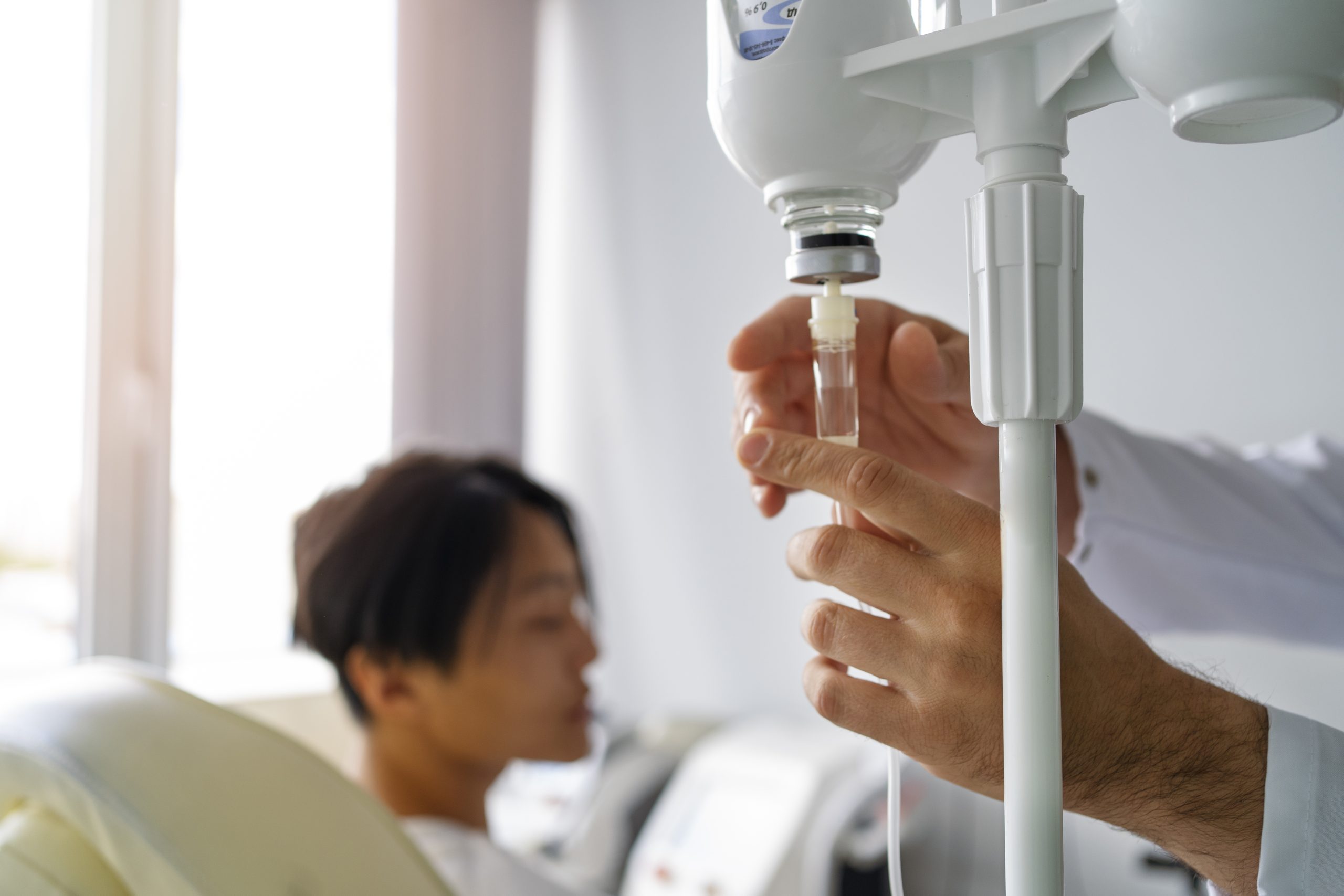
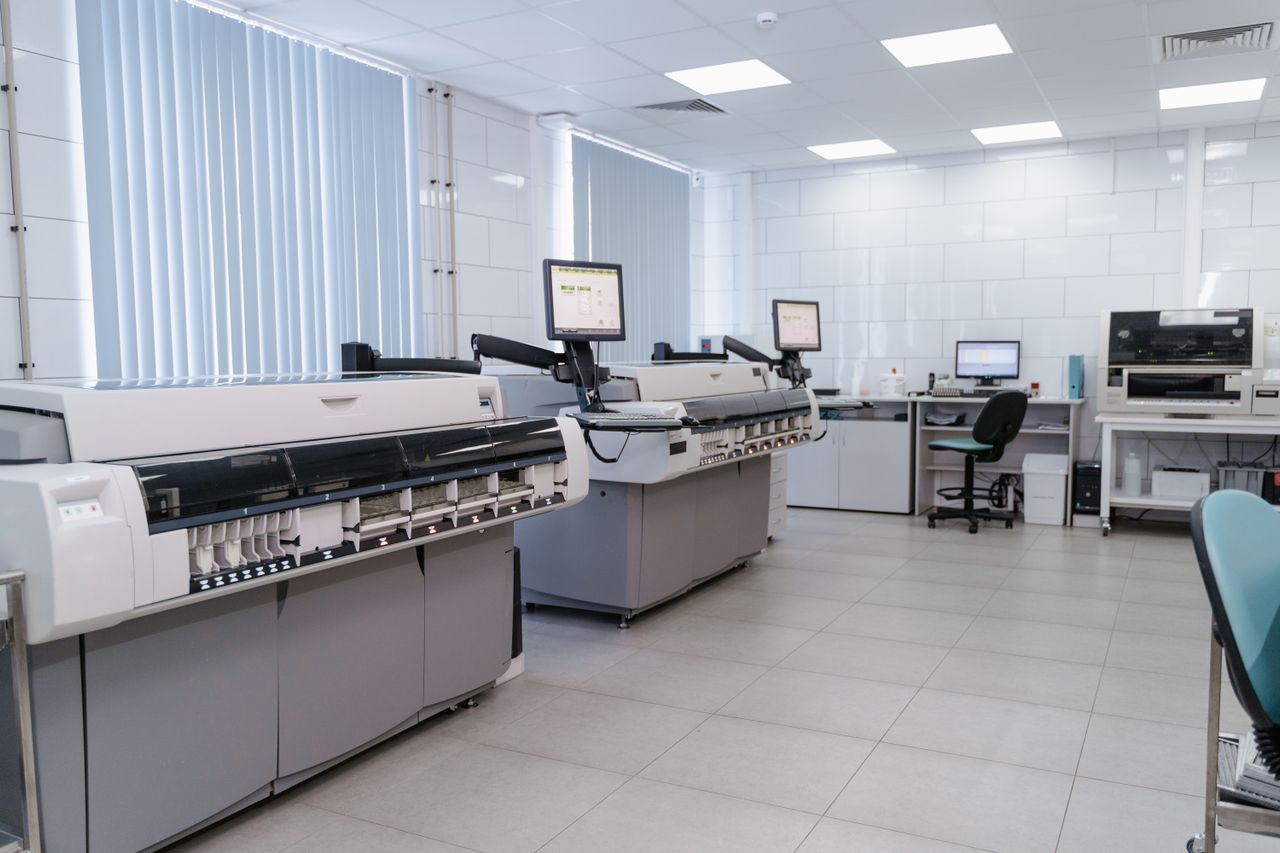
Most ordered exam room supplies in hospitals, according to hospital admins, are disposable gloves, exam table paper, disinfectant wipes, blood pressure cuffs, stethoscopes, thermometers, and hand sanitizer. They are an important part of patient care and maintaining a clean and safe exam room. Gloves and wipes prevent the spread, and items like stethoscopes and thermometers assist with checkups and diagnosis. Hospitals have to replenish these items just to keep pace with the patients they see each day. To help provide a clearer perspective of how these pieces land in daily hospital work, the upcoming sections will illustrate more about their uses, why they matter, and how hospitals decide what to order.
Key Takeaways
- Keeping a steady stock of the right disposables, diagnostic tools, and dependable instruments can make all the difference in providing efficient and sanitary patient care in exam rooms at hospitals around the world.
- Whether it’s premium linens, sanitation supplies or comfort items, investing in these hospital exam room essentials does more than support infection control. It directly boosts patient experience.
- Adding accessibility aids and easy-to-understand education materials makes your efforts inclusive and empowers patients of all backgrounds and abilities.
- Smart sourcing, which involves meticulous cost-quality analysis, strong vendor relationships, and data-informed inventory control, is essential for operational efficiency and regulatory compliance.
- Combining next-gen hardware and user-centric software with telehealth tools simplifies clinical workflows and widens access to care. This illustrates the industry’s digital transformation.
- By staying ahead of trends such as sustainable supplies, smart devices, and personalized kits, healthcare providers can offer safer, more effective, and environmentally responsible care.
Core Exam Room Essentials
Exam rooms in hospitals are equipped with essential clinical equipment, focusing on durability, sanitation, and versatility to facilitate outstanding patient care and clinical productivity.
- Gloves (vinyl, nitrile, latex)
- Face masks (earloop, surgical)
- Disposable gowns and drapes
- Syringes, thermometers
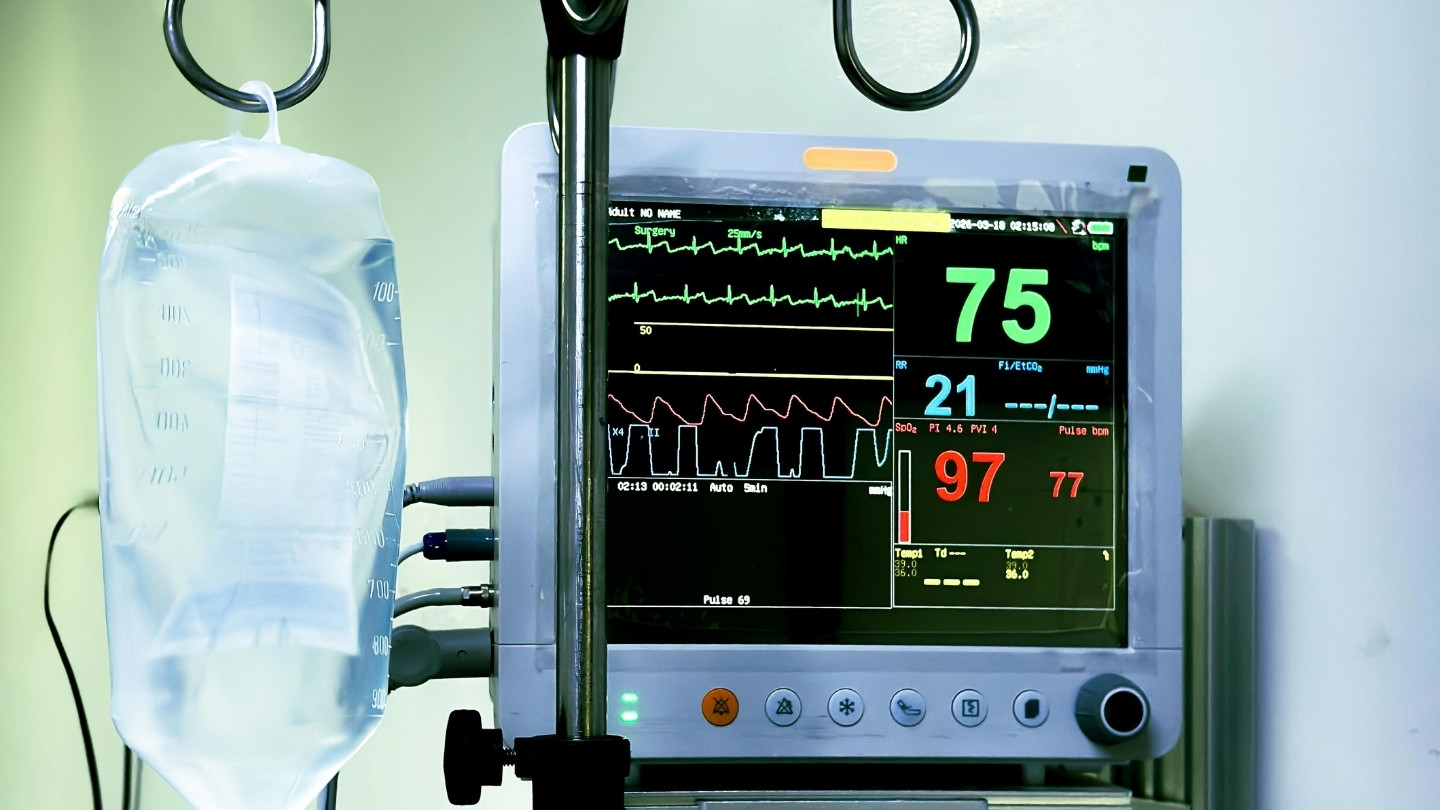
- Vital sign monitors, ECG machines
- Stethoscopes, otoscopes, ophthalmoscopes
- Clean linens, disposable covers, towels
- Surface disinfectants, hand sanitizers, waste bins
- Wheelchairs, paper charting supplies
1. Disposable Medical Items
Vinyl exam gloves are essential frontline protection for infection control, effectively guarding against the spread of pathogens between patients and caregivers. Face masks, particularly earloop style, play a crucial role in preventing airborne transmission of viruses or bacteria. Disposable drapes and covers establish a sanitary barrier on examination tables and clinical equipment for every patient, preventing cross-contamination. Swabs, cotton-tipped applicators, and gauze pads are single-use and easy to swap out, which limits cross-contamination and are absolutely essential for daily medical practice!
2. Diagnostic Support Supplies
Vital sign monitors, often modular and mobile, help clinical staff quickly record blood pressure, pulse, temperature, and oxygen saturation (SpO2). Blood pressure cuffs, both digital and manual, are standard for routine checks in medical facilities. ECG machines provide rapid cardiac assessment and speed up response for acute events, while diagnostic equipment, such as portable ultrasound gel, supports more comprehensive patient reviews, especially in examination rooms.
3. Clinical Instruments
A quality stethoscope is crucial for auscultating heart and lung sounds in examination rooms. Otoscopes and ophthalmoscopes enable thorough ear and eye examinations, often mounted on the wall for easy access. Basic medical tools, including reflex hammers and tongue depressors, enhance the efficiency of medical exams and ensure a smooth workflow in clinical settings.
4. Linens
Fresh linens, including sheets and pillowcases, are essential for patient comfort and dignity in examination rooms. Disposable table covers are vital to prevent cross-contamination between appointments, while towels and blankets offer warmth and privacy. Regular washing and stock tracking of these medical supplies protect against germs, especially during swift patient preparation.
5. Sanitary Practices
Disinfectants fight bacteria and viruses on examination tables and high-touch areas in medical facilities. Hand sanitizer stations and wipes assist both employees and patients in maintaining clean hands. Waste disposal bins, labeled for hazardous or regular waste, help keep clutter and infection at bay, ensuring that clinical staff can uphold infection control guidelines.
The Unseen Patient Experience
The examination rooms form the heart of a patient’s experience in the hospital, focusing on diagnostics and a comforting touch that together create an inviting area. While most patients seek solace regarding medical questions, the layout and clinical equipment in the physical space significantly influence their experience. Laws like the ADA set expectations for accessibility, but patient-centric design transcends mere compliance. Below, we explore how comfort, accessibility, and information converge to redefine hospital care globally, ensuring that the right equipment meets the needs of both patients and clinical staff.
Comfort Items
Adjustable exam tables are among the top items ordered. These enable physicians to see patients of any shape and mobility level and are critical for comfort and safety. Hospitals bring in cushy chairs for the patients and for family and loved ones who frequently wait during exams.
Warm blankets and extra cushions are always on hand, smoothing nervous worries and helping patients unwind. Even minor concerns such as soft lighting, soothing paint colors, and simple framed prints can transform the atmosphere of a sterile room to something more human. None of those things cure illness, but they make patients feel seen and cared for, which matters deeply in these stressful moments.
Accessibility Aids
Wheelchairs that accommodate multiple body sizes are crucial for patients with disabilities. Grab bars next to beds, toilets, and sinks and gentle ramps assist people to transfer with reduced danger of harm. Height-adjustable desks give staff the flexibility to serve any patient, be it someone who is hunched over or someone with a wheelchair as we just discussed.
Bright, prominent signs in various languages guide patients through complex, crowded hospitals, eliminating uncertainty. These accessibility tools help with ADA compliance and global best practices for inclusive care.
Educational Materials
Hospitals usually have pamphlets and brochures on the usual conditions, so at least the patient has something to read while they wait. Charts and diagrams on the walls enable doctors to make diagnoses or provide visual explanations for treatment. Others include digital screens playing looping videos on wellness or chronic care.
Patient access to EHRs allows them to review their information, while fallback paper folders are still needed when the system goes down. More importantly, these materials empower patients and provide them with tools and information to better understand and manage their health.
Strategic Procurement Insights
Procurement of medical supplies in hospitals stands at the intersection of clinical need, operational efficiency, and fiscal responsibility. Committees with clinicians, administrators, and procurement officers weigh value-based purchasing, often guided by local experience and clinical input more than formal health technology assessments. This dynamic framework shapes which examination room items, such as disposable gloves, examination tables, otoscopes, blood pressure monitors, and diagnostic kits, are most frequently ordered to support daily care delivery.
Cost Versus Quality
When hospitals look at exam room supplies, cost and quality must be balanced. High-quality medical equipment may have higher upfront costs but often outlasts cheaper alternatives, reducing breakdowns and enhancing patient safety. A well-made stethoscope or blood pressure device can stay in use for years, while cheaper models may need replacement after a few months, driving up long-run expenses. Procurement teams compare price quotes from multiple suppliers, evaluating not just purchase price but total cost of ownership, including maintenance, repair, and replacement rates. Regulatory compliance is crucial. Products must meet standards for safety and efficacy, as a single substandard item can jeopardize care and trigger costly recalls.
| Item | Average Cost (USD) | Average Lifespan (months) | Meets Safety Standards | Notes |
| Disposable Gloves (box 100) | 5-7 | N/A | Yes | Single-use |
| Otoscope | 60-150 | 36-60 | Yes | Reusable, durable |
| Exam Table | 400-800 | 120 or more | Yes | Heavy Use |
| BP Monitor (digital) | 40-90 | 36-48 | Yes | Needs calibration regularly |
Supplier Collaboration
Building solid vendor relationships is crucial for a reliable supply chain in healthcare facilities. Trusted suppliers such as Merit Pharmaceutical assist hospitals in negotiating bulk discounts, particularly for high-turnover consumables such as medical office supplies like gloves and wipes. Contracts usually have provisions assuring on-time delivery and access to the newest medical equipment innovations. Routine vendor performance reviews ensure reliability, and it can pivot fast if a supplier fails, improving visibility into backorders or supply chain risks, which is essential for continuous clinical workflow.
Inventory Data
Smart sourcing in healthcare facilities involves deploying software to track usage and identify low-stock medical supplies while forecasting needs based on patient flow. Reflecting on past capital equipment plans enhances forecasting accuracy and helps avoid costly firefighting. Automated alerts notify staff about low clinical supplies, allowing them to reorder before items are depleted, while periodic inventory reviews reveal slow-moving items and help teams adjust their ordering behaviors.
Clinical Process Digitization
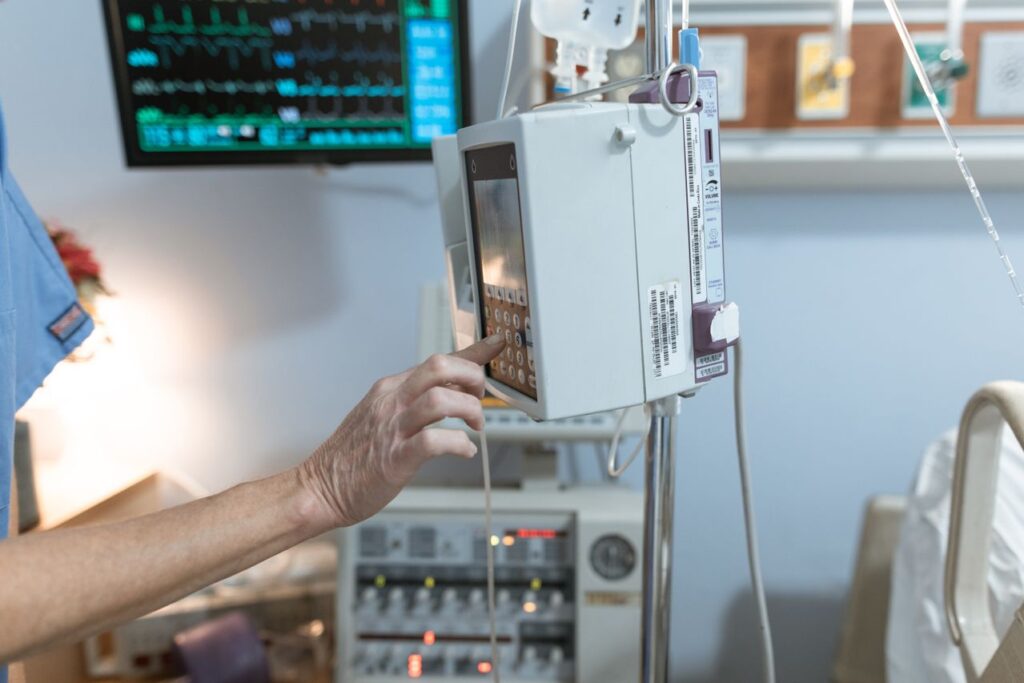
Digital transformation for hospitals involves more than simply adding new tools, it fundamentally changes how care teams operate and exchange information while caring for patients. By deploying new tech, such as patient monitors and integrated diagnostic systems, hospitals enhance care, support decision-making, and protect data, ultimately improving patient preparation and examination processes.
Integrated Hardware
Modern exam rooms are powered by smart devices that interface with hospital systems in real-time, enhancing the efficiency of medical practice. Patient monitors now connect to EHRs, allowing physicians access to real-time information, including heart rates, oxygen saturation levels, and blood pressure, without having to input it themselves. Electronic thermometers, digital otoscopes, and wireless blood pressure cuffs note results directly into the patient’s file, reducing mistakes and time. These devices need to integrate with a hospital’s current systems, which requires meticulous preparation and technical verification. When hardware works well, teams move quickly, and care flows easily. Mobile tools, such as rolling ultrasound machines or portable ECGs, enable staff to roam and support each other in different examination rooms.
Software Systems
EHR platforms are now a staple of exam rooms and have to live up to criteria such as enabling improved patient outcomes and monitoring critical measures. Practice management software simplifies scheduling, billing, and reporting, enabling clinics to operate with less friction. Data analytics tools allow teams to identify trends, such as which exam room items are most utilized or which treatments are most effective for certain groups. Software must be easy so nurses and doctors can concentrate on care, not tech. Staff training is essential to ensure they are able to use new systems and keep pace with rapid innovations in digital health.
Many software firms are now employing AI and big data. These assist decision-making, highlight hazards, and facilitate data-driven treatment. Great systems pay attention to privacy, with secure logons and strong user access controls.
Telehealth Tools
Remote care has accelerated, particularly via video calls and digital check-ins. Doctors utilize video for follow-ups, while secure messaging allows patients to ask questions in between visits. Remote monitoring, like wearable heart trackers, enables doctors to monitor patients in real time without them coming into the clinic. All telehealth gear, including clinical equipment, must secure confidential health information and adhere to stringent privacy regulations. Hospitals do have legitimate dangers, like hackers or data leaks, so secure technology and robust training for all medical staff is essential.
Future Ordering Trends
As outpatient care increases and chronic diseases become more common, hospitals around the world experience fast-changing examination room supply requirements, especially as care moves outside the traditional hospital setting. The drive for value-based care and digital health influences the most-ordered medical supplies. Additionally, analytics, sustainability, and patient-centric approaches are becoming significant factors in shaping future ordering trends.
| Trend | Description | Impact Potential |
| RFID-enabled Smart Cabinets | Track real-time inventory with RFID and cloud systems | Reduces shortages, cuts manual checks |
| AI-Assisted Demand Planning | Predicts supply needs with AI using EHR data | Cuts waste, aligns restocking cycles |
| Sustainable and Reusable Supplies | Prioritizes eco-friendly, recyclable, reusable items | Lowers waste, improves compliance |
| Personalized Medical Kits | Tailors kits for conditions/patient types | Boosts satisfaction, cuts excess |
| Smart Monitoring Devices | Enables remote, continuous patient health data capture | Supports home/hybrid care, timely response |
Sustainable Supplies
- Reusable scalpels and stainless steel instruments
- Recycled paper exam table covers
- Biodegradable gloves and compostable specimen containers
- Low-emission disinfectants, reusable gowns, and drapes
Hospitals now consider suppliers’ sustainability records, particularly in the procurement of medical supplies and equipment. Certifications such as ISO 14001 or third-party eco-labels assist in filtering choices for clinical equipment. Staff training on supply chain sustainability can increase buy-in and assist in reducing waste in high-use medical items.
Smart Clinical Devices
Smart stethoscopes and digital blood pressure cuffs now provide live readings, uploading results directly to digital charts. Wearables like glucose monitors or ECG patches track patients beyond hospital walls, enhancing the functionality of clinical equipment and aiding in the expansion of hospital-at-home programs. Automated cabinets with RFID track supply consumption and notify personnel when stocks are low. These systems, combined with AI for smarter decisions, accelerate restocking and cut costs. Patient-facing apps now help people adhere to care plans, leading to better outcomes for those with chronic or complicated care.
Personalized Kits
Custom kits for diabetic patients or those with wounds or post-op recovery can be tailored with specific clinical supplies, monitoring devices, or nutrition snacks based on the patient’s needs and feedback. Hospitals often survey patients to refine what is included in these kits to ensure comfort and positive outcomes. Items such as stress balls, easy open pill bottles, or language-customized instructions can facilitate smoother visits. By analyzing outcome data, hospitals can determine if these customized kits improve outcomes, decrease readmissions, or enhance patient satisfaction.
Regulatory Compliance Impact
Hospitals have stringent regulations governing examination rooms supplies purchasing and utilization. These regulations originate from international and domestic organizations that establish strict standards for safety and quality. Everything from disposable gloves to medical office supplies has to be regulated. For instance, ISO 13485 covers medical device quality, and many tools need the CE Mark or FDA approval. These measures ensure that each product is both safe and effective.
It’s not just about safety and the product but also where and how it is used. Furniture in patient areas must comply with local fire codes such as NFPA 101 to ensure spaces are safe in an emergency. The law states that exam tables and chairs have to be accessible for everyone, no matter who they are, as established by the ADA. We’re talking adjustable heights, easy transfers, and plenty of space for the mobility-challenged. If a hospital overlooks these rules, they endanger not only fines but patients.
Hard work goes into keeping up with all these rules. Hospitals typically have groups that audit supplies, vet new regulations, and revise purchasing strategies. Regular inspections and cleaning or repair schedules for all major clinical equipment are essential. For instance, a hospital might examine blood pressure cuffs and thermometers each month for wear or cleanliness. Employees need to understand what is and isn’t safe. Training programs get nurses and aides up to speed on correct usage and maintenance, so they’re all taking the same safety precautions.
The regulatory compliance impact is significant. Failing these rules can mean unsafe care, lost trust, and huge expenses. In fact, having an exam chair that isn’t up to fire or accessibility codes could even land you in trouble with the law or cause someone to get hurt. Hospitals that get ahead by maintaining impeccable records, instituting regular audits, and educating staff can sidestep these dangers. It’s always about keeping patients safe, supplies sterile, and care supreme.
Final Remarks
Hospitals purchase exam room equipment all the time. They hang with basics like gloves, gauze, syringes, and stethoscopes. All of which keeps care teams chugging along smooth and safe. Digital tools such as tablets and smart scales now complement the lineup. Smartpicks save time and cut waste. New policies maintain equipment secure and modern. Trends demand rapid reorders and green choices. Teams who identify these shifts remain prepared for change. Real patient needs appear in every order, not simply in charts. Stay awake, stay curious, share the magic. Got lessons or tips from your own floor? Leave your tales or tips in the comments. Let’s make each other’s work a little smarter and safer, with Merit Pharmaceutical leading the way.
Frequently Asked Questions
1. Why Are Exam Room Essentials Critical For Patient Care?
Core essentials, including examination rooms equipped with the right medical supplies, keep patient examinations efficient, safe, and hygienic, enabling staff to diagnose correctly and provide optimal care.
2. How Does Digital Transformation Impact Ordering Hospital Supplies?
Digital systems help hospitals track inventory and automate reordering of medical supplies, including examination rooms and clinical equipment, reducing waste and ensuring that essential medical equipment is always available for staff and patients alike.
3. What Role Does Regulatory Compliance Play In Ordering Exam Room Items?
Laws mandate that hospitals utilize approved, safe, and sterile medical supplies and examination rooms. Compliance safeguards patient safety and guarantees the medical facility satisfies health authority criteria, minimizing legal and health hazards.
4. How Does Strategic Procurement Benefit Hospitals?
Strategic buying ensures that hospitals procure high-quality medical supplies, including examination rooms and clinical equipment, for the best price, ultimately enhancing patient care with fewer interruptions.
5. What Trends Are Shaping The Future Of Exam Room Supply Ordering?
Automation, sustainability, and data-driven decisions are hotspots in healthcare facilities. Hospitals are implementing smart ordering for medical supplies, pursuing green products, and using analytics to manage examination rooms better.
Keep Your Hospital Supplied With Trusted Exam Room Essentials
Reliable exam room supplies are the foundation of efficient patient care, helping healthcare teams maintain safety, accuracy, and smooth clinical workflows every day. At Merit Pharmaceutical, we provide hospitals and medical facilities with dependable, high-quality products that support routine examinations, infection prevention, and patient comfort. From diagnostic essentials and disposable supplies to IV therapy products and injectables, our comprehensive inventory helps ensure your staff always has the tools they need to deliver exceptional care.
For more than 40 years, healthcare providers have trusted Merit Pharmaceutical for consistent quality, dependable service, and industry expertise. Our proprietary Medigrative® line is developed, tested, and distributed by our FDA-registered, Los Angeles-based company to meet the high standards of modern healthcare. We also partner with leading manufacturers, including Abbott, BD, Baxter, and B. Braun, giving hospitals access to a broad selection of proven medical products from one reliable source.
Whether you’re replenishing high-volume exam room essentials or optimizing your facility’s procurement strategy, Merit Pharmaceutical is ready to support your success. Contact our team today to learn more about our products and services, or register for an account to access our complete Medigrative® product line, competitive pricing, and dependable supply solutions that help keep your hospital prepared for every patient, every shift.
Disclaimer
The information provided on this website is intended for informational and educational purposes only. It is not a substitute for medical advice, diagnosis, or treatment, and should not be relied upon as such. Healthcare professionals should always use their own clinical judgment when selecting and administering medical products. Patients should consult with a qualified healthcare provider regarding any specific medical condition or treatment.
While we strive to keep product details and information current, Merit Pharmaceutical makes no guarantees as to accuracy, completeness, or applicability to your particular situation. Do not act or refrain from acting solely based on information from this site without seeking appropriate medical or professional guidance. To the fullest extent permitted by law, Merit Pharmaceutical disclaims all liability for any decisions or actions taken based on the contents of this site.