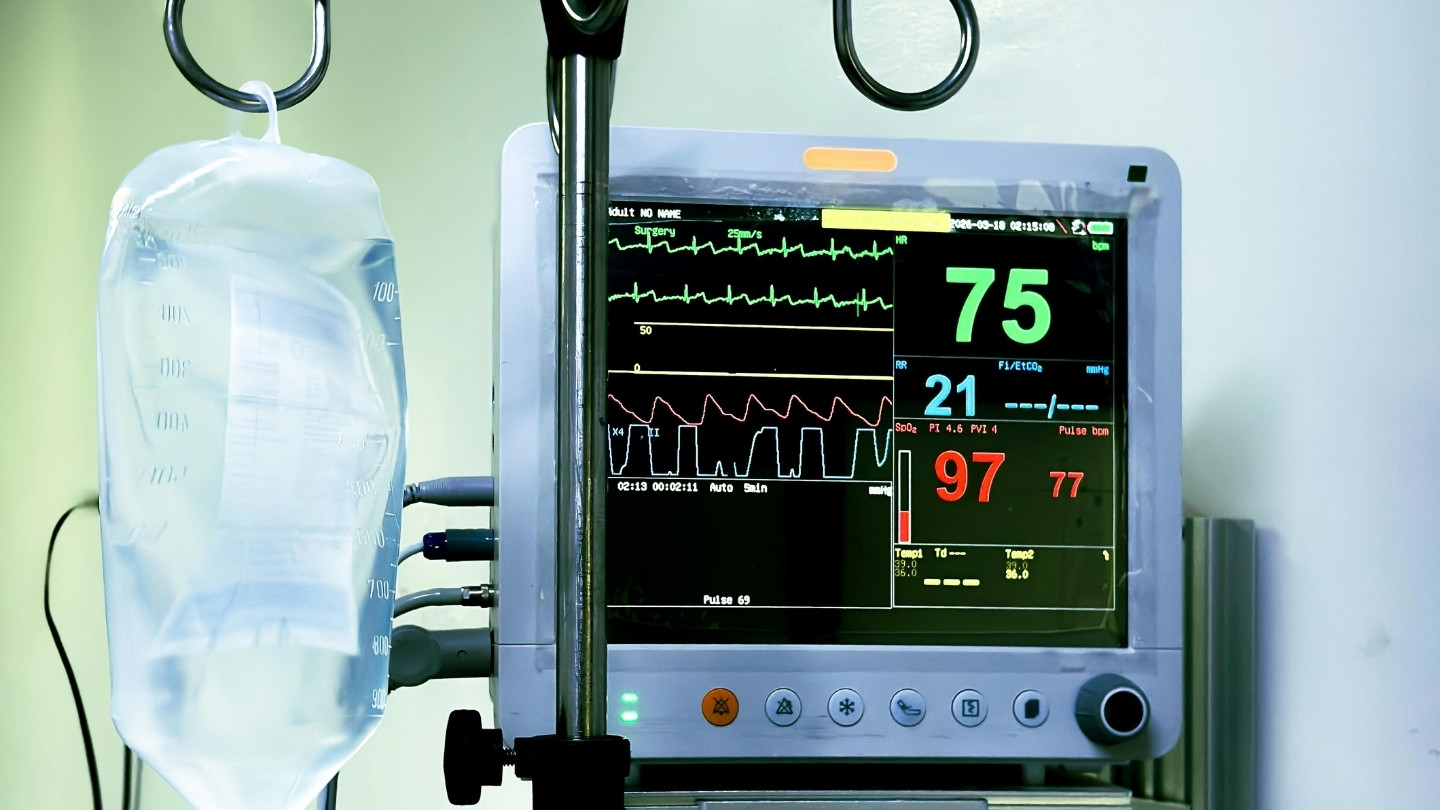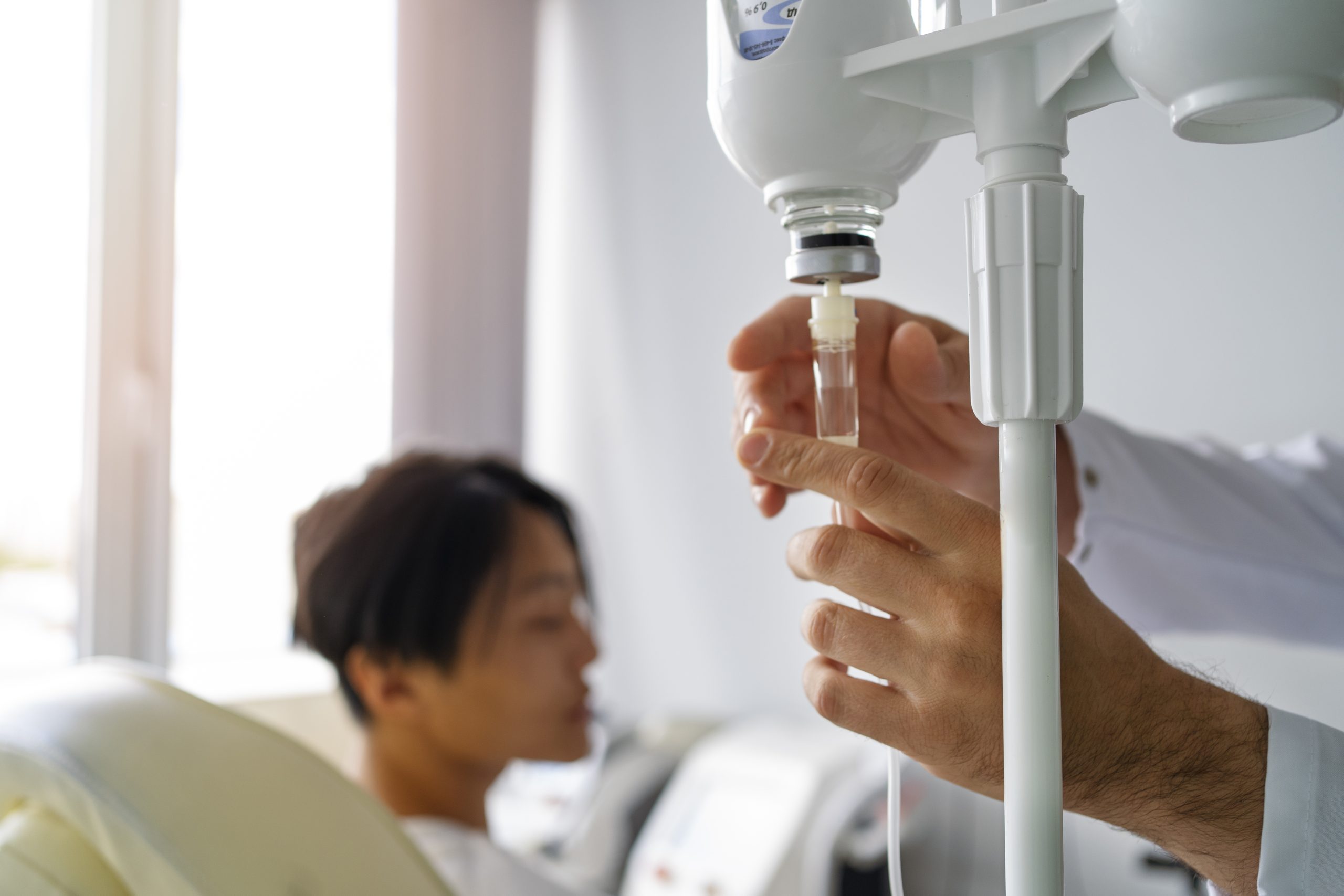
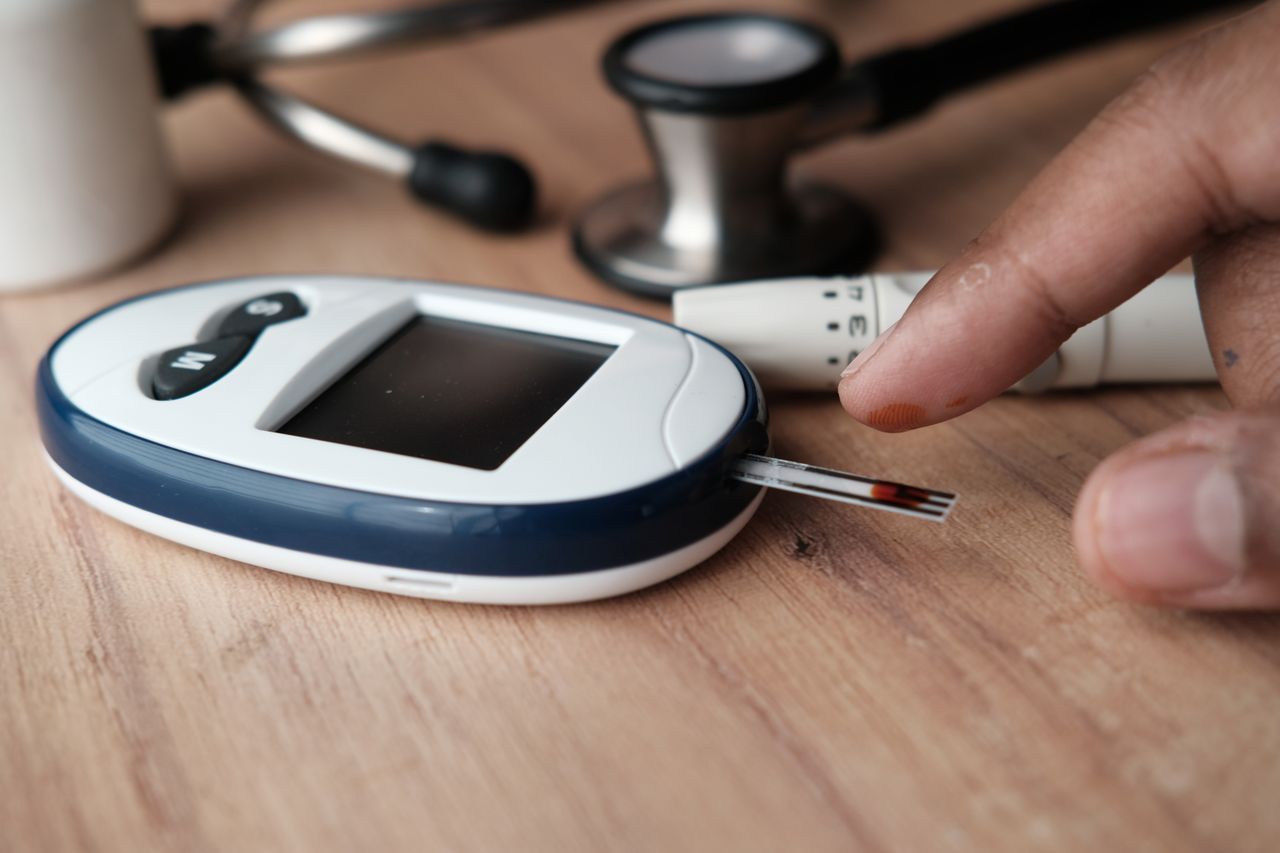
Exam room supplies are crucial to infection control in clinics because they assist in reducing cross-contamination and preventing the dissemination of germs. Basic supplies such as gloves, masks, hand sanitizers, and single-use instruments can reduce the risk of transferring infections from patient to healthcare worker or vice versa. Clean surfaces and fully stocked dispensers for soap or wipes help promote safe care at every patient visit. Exam room supplies like proper storage bins, sharp containers, and disposable covers make cleaning easy and keep risks low. Simple shifts in supply selections, like installing touch-free dispensers or adopting antimicrobial wipes, can go a long way toward helping clinics maintain low infection rates. To demonstrate where these decisions matter most, the following sections outline how each supply performs in a typical clinic setting.
Key Takeaways
- Examination room supplies help reduce infection by enabling efficient surface cleaning, dependable barrier protection, and sterility during clinical interventions.
- By choosing quality materials that have demonstrated antimicrobial properties and focusing on single-use or sterilized supplies, you can minimize contamination and protect patients and staff.
- Comprehensive training of your staff on proper use, storage, and disposal of supplies is an integral part of infection control standards and a safety culture.
- With efficient inventory control, waste management, and supply lifecycle systems, clinics maintain compliance and avoid shortages and excess waste.
- Open communication on infection control builds patient trust and satisfaction, allowing patients to feel safe.
- Continuous evaluation of supply efficacy, affordability, and incorporation of innovation remains essential to future-proof clinical infection control practices and maximize resource investment.
The Direct Impact Of Exam Room Supplies
Exam room supplies are key to infection control, minimizing the risk of transmission and promoting safer clinical environments. Their selection, placement and management impact both staff workflow and patient outcomes. Having the right supplies in the right places protects against infection and helps make daily care more efficient and patient-focused.
1. Surface Transmission
High-touch surfaces like exam tables, doorknobs, and medical device handles are the worst offenders. Wiping these down with EPA-approved disinfectants after each patient helps cut cross-contamination. Monitoring tools like ATP testing can verify if cleaning is effective. Routine audits encourage staff to adhere to surface cleaning protocols. Together, this routine, clear supply layouts, and standardized storage allow staff to grab disinfectants with little effort when needed, expediting the process and reducing fatigue.
2. Barrier Protection
PPE, like gloves, masks, gowns and face shields,prevent transmission during exams. Latex gloves and surgical masks are must-haves for any clinic as they minimize exposure for both the staff and patients. Training staff on how to don and doff PPE is crucial because errors can result in exposure. Clinics that adhere to OSHA’s barrier protection guidelines make everyone safer. Supplies in consistent, easy-to-reach places, like a seven-drawer unit, facilitate quick action and improve adherence.
3. Sterility Compliance
Sterile supplies are a must for any invasive procedure, helping keep the risk of infection low. Periodic observations on sterilization of reusable instruments assist in identifying lapses early. There should be clear policies defined by the clinic for warehouse and patient room management of these materials, including packaged, sealed, dry storage and expiry checks. Training the staff ensures everyone is aware of best practices. Piling supplies in a nearby alcove or a dedicated drawer minimizes steps and maintains fluid workflow.
4. Waste Containment
This is where waste management comes in. It’s more than just tossing used items. Clinics have to separate contaminated items into the appropriate bins: sharps, biohazard, and general waste in color-coded containers for safety. Staff training on segregation and handling minimizes exposure. Going over protocols and ensuring they’re updated for today’s regulations is key. Keeping in-line supply locations consistent can help make sure that waste bins are always within reach, reducing risk and reducing time.
5. Air Quality
Exam room air monitoring is critical to interrupting airborne pathogens. Good ventilation and quality air filters reduce pathogens. Routine system inspections and filter maintenance keep air healthy. Staff need to know how air quality relates to infection control. Sinks and handwashing stations in rooms assist, as clean hands translate to less germy air and surfaces.
Strategic Supply Selection
Making the right choice for exam room supplies for clinics includes balancing cost, infection risk and national standards. Your supplies have to be safe, you have to build things that last through repeated use and support patient wellbeing. They caution that the old notion of a “non-critical item” is dangerous. Even seemingly trivial items, such as blood pressure cuffs or exam table covers, can transmit bacteria if not properly maintained. Selecting supplies that withstand daily sterilization and are compatible with powerful disinfectants enables clinics to reduce infection hazards and minimize waste. Partnership between care teams, infection experts and purchasers is essential. The table below compares some common exam room supplies:
| Supply Type | Average Cost (USD) | Infection Control Effectiveness | Compliance (National Standards) |
| Disposable gloves | $0.10 per pair | High | Yes |
| Reusable gowns | $20.00 each | Medium (if sterilized properly) | YES |
| Paper exam sheets | $0.20 per sheet | High (single use) | Yes |
| Reusable stethoscope | $50.00 each | Medium (disinfect after each use) | Yes |
| Medical tapes | $2.00 a roll | Variable | Yes |
Material Integrity
Exam room supplies have to deal with a lot of cleaning, so durability counts. Things such as reusable bed covers or metal tools shouldn’t fall apart when washed with heavy duty solvents. Each batch of supplies should be reviewed for defects. If a stethoscope or blood pressure cuff breaks, that could result in a woman’s diagnosis being missed or an increased risk of infection. That’s why clinics should inspect their supplies regularly, monitoring for cracks, tears, or worn surfaces.
Our suppliers must comply with national safety regulations. Clinics could request documentation, such as safety certificates or test results, to verify the safety of what they’re purchasing. Smart supply choice involves dealing with companies that provide dependable, quality products.
Disposability
Disposable accessories, like gloves or paper covers, can reduce the transmission of sick bugs. They require direct discard guidelines to avoid hazardous post-use. You have to consider the effect on the earth. Certain disposables accumulate as garbage and others, like reusables, require water and energy to cleanse. Employees need to understand when it’s appropriate to utilize and discard disposable instruments.
Practice is essential. Employees need to be educated on the proper manner to dispose of consumables so ‘germs’ don’t circulate. Disposable as well as reusable items require clear policies to mitigate the risk of contamination.
Antimicrobial Properties
Not all clever cleaning products are created equal. Certain wipes and sprays eliminate a lot of germs, and others do less. Your best supplies should be proven to work against typical clinic germs. Employees ought to understand why these items are important and be trained in appropriate utilization.
Testing supplies every few months reveals whether they’re still functional. This keeps clinics one step ahead of any emerging threats and keeps patients safe.
Beyond The Supply Itself
Infection control in clinics isn’t just about supply. How staff use these supplies, the protocols they follow, and how patients perceive the clinic all factor into the safety of the care environment. Important factors are user training, clinic protocols, and patient perception, all with a distinctive part in preventing infections.
User Training
User training is foundational for safe supply use. A training checklist should include basics such as when to wear and remove gloves, alcohol-based hand rub, waste disposal, and safe sharp handling. It should contain information on new diseases and vaccinations. Most nurses reported receiving recent training, but only 39.3% had done so in the last 6 months and knowledge gaps remain, with only 27% of nurses and 32% of aides knowing hand rub recommendations. Regular refresher courses, at least biannually, help reinforce hand hygiene and other infection control measures, particularly because healthcare workers who received recent training were 2.4 times more likely to follow safe practices. Grade and anonymous feedback can indicate what you need to spend more time on. Training is demonstrated to increase knowledge, exhibiting an odds ratio of 3.386 for enhanced understanding in trained individuals.
Clinic Protocols
Defined protocols are the frame upon which infection prevention is built. These should outline how to clean and disinfect exam rooms post-patient, such as what agents to use and contact times. This goes beyond the supply itself by incorporating global infection control guidelines. Protocols need to be reviewed frequently and updated as research evolves, particularly with threats such as emerging pathogens. In this same vein, by involving staff in this process, you ensure protocols are both practical and followed. For example, protocols can specify steps for post-exposure prophylaxis after needle-stick injuries, which have a 0.3% risk for HIV and a higher risk for hepatitis B and C. Many of your workers don’t even know these steps, so protocol clarity is paramount.
In-Room Patient Experience
Patients evaluate clinics by how clean they appear and what staff inform them about infection control. Trust builds when clinics display disinfection procedures or provide patient leaflets on infection prevention. Clinics should solicit patient input, employing surveys or suggestion boxes to identify vulnerabilities in cleanliness. Transparent communication with staff and patients, such as why hand hygiene is important, reduces patient anxiety and instills confidence in caregivers.
Managing The Supply Lifecycle
It goes beyond just disinfecting exam rooms. Managing the lifecycle of exam room supplies is a key part of infection control in clinics, though it is often overlooked. From warehouse to waste, every step in between defines how effectively clinics can contain infectious outbreaks.
Proper Storage
I keep the medical supplies safe in a clean, well-organized place. In a 2024 meta-analysis, 90% of studies revealed that uncovered sterile goods picked up more bacteria, which emphasizes the importance of proper storage. Shelves need to be simple to clean and supplies need to be maintained away from the floor to reduce dust and humidity.
Storage conditions count. Even a 5°C spike can double the rate at which bacteria incubate, so temperature and humidity must be monitored frequently. Sensitive items, such as some solutions, require tighter controls and special storage areas. Monthly audits catch expired or improperly stored items.
Employee education is essential. Human operator error, not broken machines, caused 87% of sterilization failures in one dental study. By educating your staff on how to properly store and manage supplies and how to keep storage areas clean, you reduce the risk of contamination and waste.
The Inventory Control
Robust inventory management systems, either computer-based or manual, enable clinics to monitor usage and reorder timing. Some parts of Europe were as much as 100% automated. Many clinics are still on paper logs. Clinics can examine patterns of usage to purchase supplies in appropriate quantities, reducing shortages and wasted inventory.
They help discover errors and locate missing supplies. Educating staff on why these records are important results in fewer supply holes and more efficient clinic budgets.
Disposal Procedures
Disposal has to safeguard people and the environment. There are clear guidelines that distinguish toxic waste from normal garbage.
- Label and separate waste at the source.
- Use leak-proof, puncture-resistant bins for sharps.
- Train staff on waste segregation and safe handling.
- Store biohazard waste in color-coded bags.
- Maintain disposal logs to trace waste from origin to ultimate treatment.
Regular inspections guarantee that the disposal is in compliance with local laws. Tracking systems keep clinics ahead of safety and compliance. Periodic reviews identify opportunities for improvement.
The Hidden Costs Of Poor Quality
Poor quality exam room supplies cost clinics much more than sticker price. When clinics buy cheap gloves, wipes, or paper covers, they’re risking more than a bad patient experience. Supplies that wear fast or don’t pass health safety can result in increased rework, repair, and continual replacement costs. Wipes that aren’t sanitized enough cause staffers to clean rooms twice, wasting even more time and product. This additional work accumulates in employee wages and drags care, potentially causing revenue to be lost.
The lost revenue extends beyond supplies. In fact, if a clinic suffers an outbreak because of poor infection control, the costs can translate into the stratosphere. Treating infections is expensive, but so is lost work time when staff get sick. In long-term care, it spends an average of $2,253.89 each month on gloves alone. If bad gloves tear or don’t protect, employees have to go through more pairs and the true monthly expense rises. In one instance, a scabies outbreak cost a facility $144,977. These funds could have been spent on better supplies or care. They illustrate why cheap supplies aren’t necessarily a deal.
| Supply Type | Low-Quality Monthly Cost | High-Quality Monthly Cost | Hidden Or Future Costs |
| Gloves | $2,253.89 | $2,400 | More pairs used, higher risk of infection |
| Disinfectant wipes | $500 | $650 | Additional cleaning, infection, downtime |
| Paper exam table covers | $120 | $145 | Tears faster, changed more often |
| Cost of outbreak (e.g., scabies) | $144,977 (one-time) | $0 (prevention) | Staff loss, reputation damage, legal risk |
A little extra for better supplies goes a long way. Quality gloves wear longer, quality wipes clean better and quality covers don’t rip as much. These innovations minimize the frequency of rework, reduce the potential for flare-ups and contain downtime. Fewer infections lead to less care spending and fewer absences. Cost-benefit analysis demonstrates that although top-quality supplies may appear expensive initially, the long-term savings due to reduced issues and wastage make them more cost-effective. The true danger lies in slashing corners for both the clinic’s profitability and patient well-being.
Future Of Infection Control Supplies
Exam room supplies in infection control are evolving quickly as clinics seek innovative strategies to halt germ transmission. Several clinics are shifting to environmentally conscious supplies, such as biodegradable wipes and low-tox disinfectants, in an effort to reduce waste and pollution. This transition is led by the desire to nurture patient safety and the environment. With the threat of antimicrobial resistance on the rise, clinics are increasingly focused on what is in their disinfectants and how effectively these products wipe out resilient bacteria. For instance, some new wipes and sprays use plant-based chemicals that dissolve in water but can still eliminate hard-to-kill bacteria and viruses.
Material innovation is a game changer. Scientists are developing antimicrobial coatings and plastics with built-in antimicrobial properties, which can reduce the risk of surface transmission in high-touch areas. That translates to door handles, exam tables, and even equipment buttons potentially becoming sort of self-cleaning soon. Clinics are trying out single-use gowns, gloves, and masks more frequently, particularly in areas of high risk for cross-contamination. Though these disposables do add more waste, they keep infection rates low, a critical factor during outbreak or pandemic events.
Technology is leaving its imprint, too. UV light tools and cleaning robots have begun appearing in clinics to sanitize rooms and instruments more quickly and comprehensively than humans can. These bots are able to penetrate hard-to-clean nooks and crannies with UV light and honeycomb doses to eliminate germs on surfaces that wipes cannot reach. Our emphasis on cleaning and disinfection isn’t simply about compliance, it’s about ensuring the safety of every patient and staff member. This has resulted in broader adoption of tracking systems that record when and how things are cleaned, assisting clinics in demonstrating compliance with rigorous standards.
Clinics have to remain prepared for emerging health threats. With local and global regulations around infection control supplies, staying on top is now a necessity. That means consulting with professionals, monitoring safety trends, and embracing innovation as it emerges. Preparing for what’s next requires collaboration between clinics, suppliers, and researchers to identify needs and pilot innovations quickly.
Final Remarks
Exam room supplies of clean gloves, powerful wipes and the right bins define how clinics control infection. The right equipment reduces risk, protects staff, and supports patient care. Smart picks reduce costs, prevent waste and keep daily workflow fluid. Penny-pinching equipment shortchanges quality care and costs more in the end. Next-gen tech, from touch-free bins to smart tracking, keeps clinics ahead. To stay ahead, clinics must inspect their shelves regularly, rotate out aging equipment, and educate personnel on proper equipment usage. Better supplies lead to cleaner rooms, fewer sick days, and more trust from patients. For more real tips or clinic care stories, visit our blog or share your own victories and lessons with us.
Frequently Asked Questions
1. How Do Exam Room Supplies Affect Infection Control In Clinics?
Exam room supplies, such as gloves and disinfectants, combat the transmission of dangerous bacteria. With top-of-the-line disposable or appropriately sterilized supplies, we support rigorous infection control and safeguard both patients and personnel.
2. Why Is Supply Quality Important For Infection Control?
Cheap supplies tear or otherwise fail, introducing the risk of contamination. By selecting dependable, tried and true products, you can be confident you are providing the greatest protection and assisting clinics in supporting safe, healthy environments.
3. What Should Clinics Consider When Choosing Exam Room Supplies?
When it comes to exam room supplies, clinics should be seeking solutions that are germ-proven blocking, convenient to use, and health-code compliant. Supplies in the exam room can impact infection control in your clinic.
4. How Does Managing The Supply Lifecycle Help Infection Control?
Keeping an eye on supply lifecycles makes sure that products are stored, utilized, and replaced accurately. This minimizes the chance that expired or contaminated items are used on people.
5. Can Reusing Supplies Increase Infection Risk?
Yes, single-use supplies or not properly sanitized ones can spread germs. It is safer to take new or cleaned supplies for each patient.
Strengthen Infection Control With Reliable Exam Room Supplies
Effective infection control starts with dependable exam room supplies that support safe, consistent patient care. At Merit Pharmaceutical, we provide healthcare facilities with high-quality medical products designed to help reduce cross-contamination, support regulatory compliance, and improve everyday clinical workflows. From disposable exam room essentials and protective equipment to IV therapy products and injectables, our solutions help clinics maintain clean, efficient, and well-prepared treatment environments without compromising quality or reliability.
For more than 40 years, Merit Pharmaceutical has been a trusted partner for healthcare providers across the United States. Our proprietary Medigrative® line is developed, tested, and distributed by our FDA-registered, Los Angeles-based company to deliver the consistency, safety, and performance medical professionals depend on. We also work with leading manufacturers such as Abbott, BD, Baxter, and B. Braun to provide a comprehensive selection of trusted medical supplies that support infection prevention and better patient outcomes.
Whether you’re upgrading your clinic’s infection control protocols or searching for a dependable supply partner, Merit Pharmaceutical is here to help. Contact our team today or register for an account to explore our complete Medigrative® product line, competitive pricing, and dependable service that keeps your clinic prepared for every patient, every day.
Disclaimer
The information provided on this website is intended for informational and educational purposes only. It is not a substitute for medical advice, diagnosis, or treatment, and should not be relied upon as such. Healthcare professionals should always use their own clinical judgment when selecting and administering medical products. Patients should consult with a qualified healthcare provider regarding any specific medical condition or treatment.
While we strive to keep product details and information current, Merit Pharmaceutical makes no guarantees as to accuracy, completeness, or applicability to your particular situation. Do not act or refrain from acting solely based on information from this site without seeking appropriate medical or professional guidance. To the fullest extent permitted by law, Merit Pharmaceutical disclaims all liability for any decisions or actions taken based on the contents of this site.