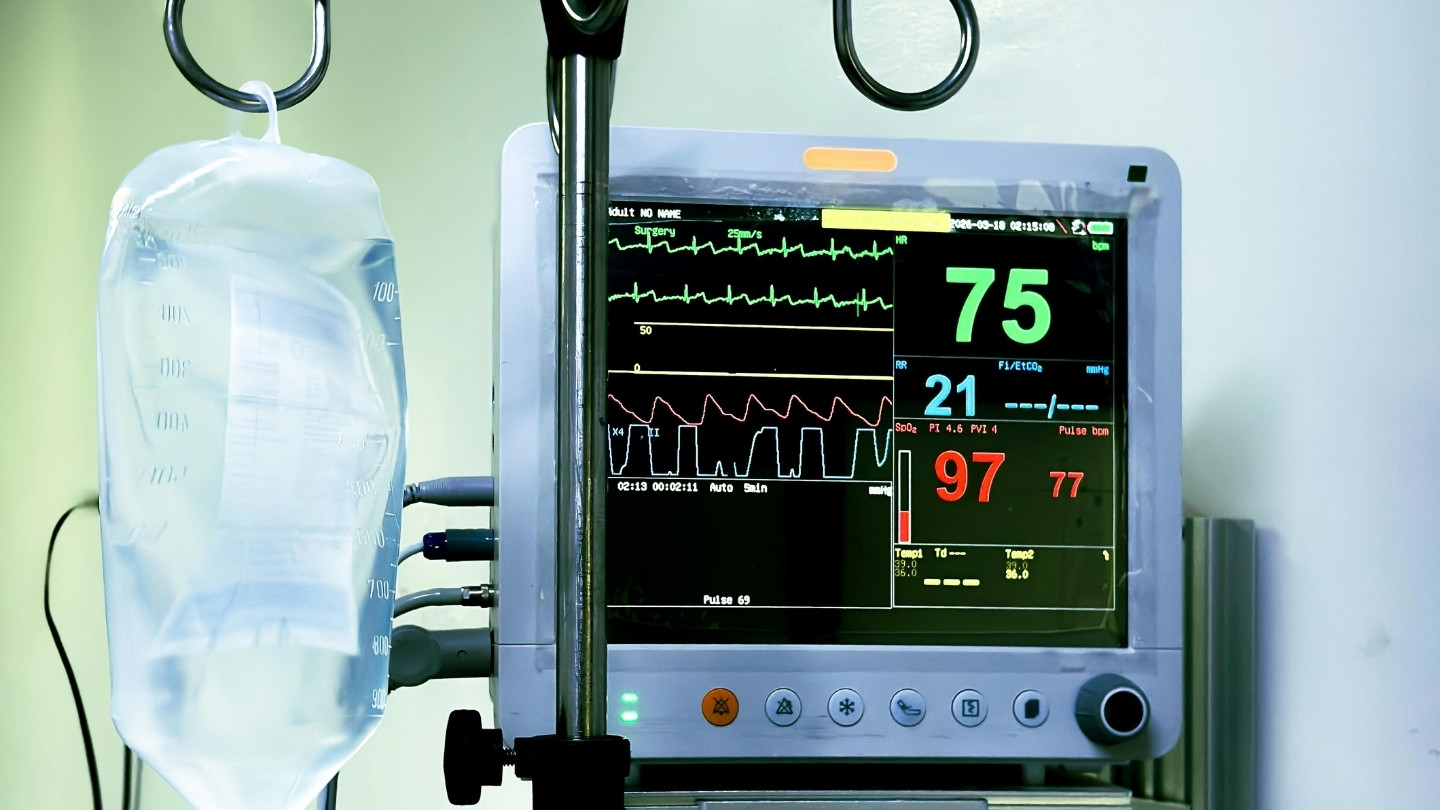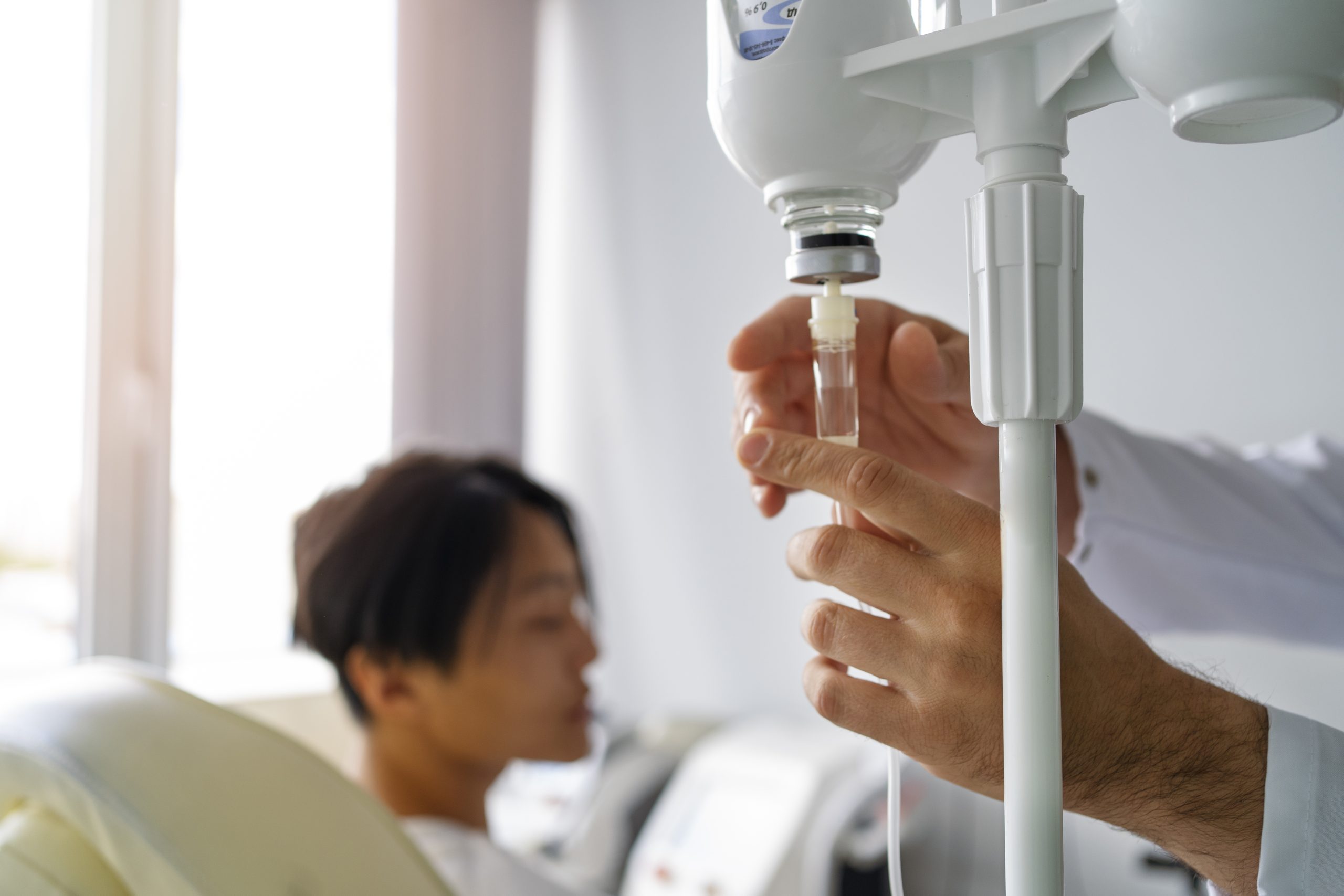
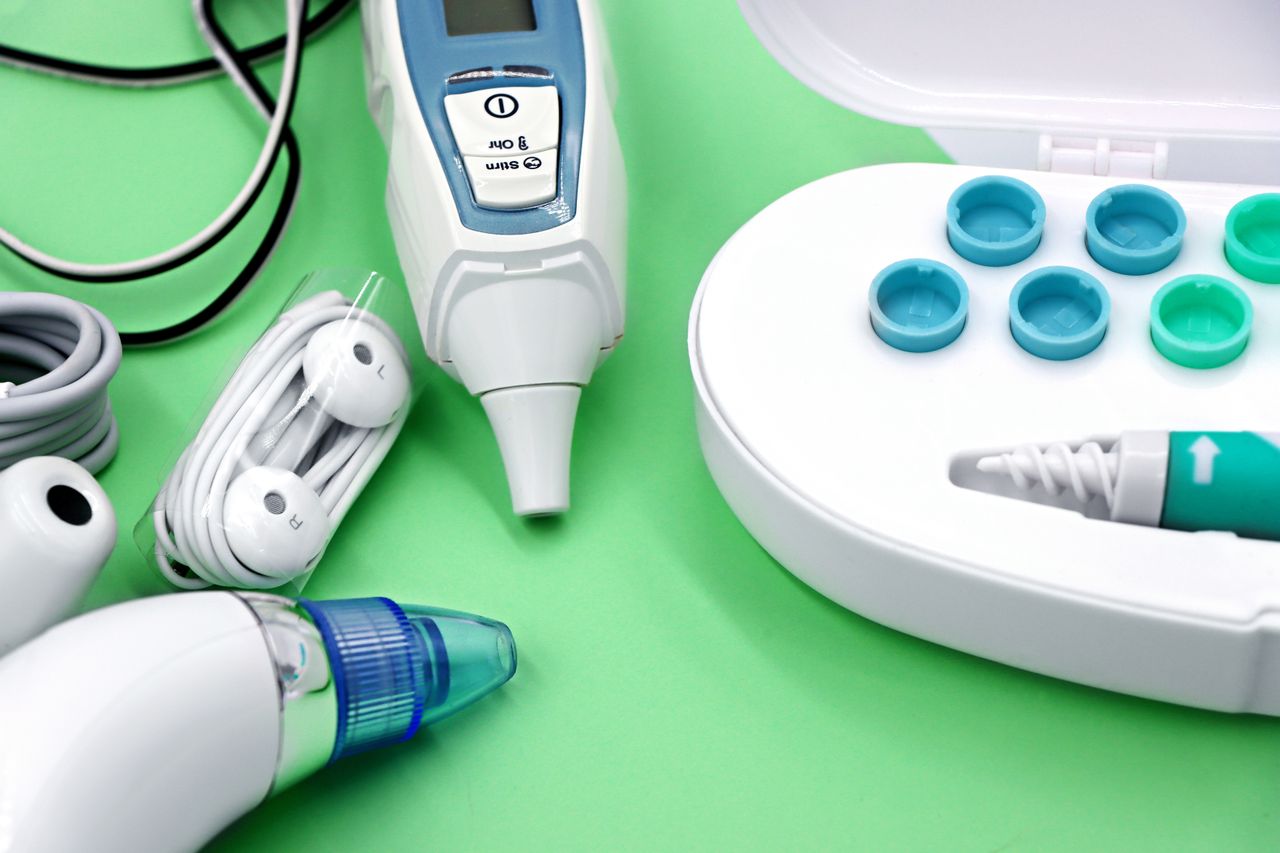
Once again, the most common exam room diagnostic tools used in clinics assist physicians in examining fundamental body vitals, auscultating the heart and lungs, measuring temperature, and inspecting the ears and eyes. Many clinics use pulse oximeters to check blood oxygen levels and reflex hammers for checking nerve health. They’re simple to operate and provide rapid results, assisting physicians in making quick decisions during an appointment. To illustrate how each tool functions and why it’s important, we describe these tools and what they do in a clinic day to day. Readers will find facts and uses for each tool below.
Key Takeaways
- Every clinic should equip itself with core diagnostic tools such as stethoscopes, sphygmomanometers, thermometers, otoscopes, ophthalmoscopes, and pulse oximeters to enable reliable and comprehensive patient assessments.
- These next-level digital and handheld diagnostic devices can streamline workflows, enable real-time decision making, and optimize data fidelity in clinical environments.
- Consistent calibration, careful upkeep and comprehensive training are necessary to guarantee the accuracy and lifespan of diagnostic tools, ultimately protecting patient safety and care standards.
- Strategic selection of diagnostic tools requires careful assessment of patient population needs, evaluation of overall costs, and prioritization of staff training to ensure clinical effectiveness and budget compliance.
- By prioritizing patient comfort, clear communication, and clinical expertise, we build trust, enhance diagnosis, and facilitate a positive healthcare journey for both patients.
- Clinics should keep their options open by embracing emerging technologies and telemedicine to anticipate the future trends that will be powering accessibility, efficiency, and patient-centered care around the world.
Essential Diagnostic Instruments
Diagnostic tools, including essential lab equipment and diagnostic devices, are at the heart of medical evaluation, allowing us to identify, track, and treat various diseases. All clinics require a trusty diagnostic toolkit for wellness exams, acute care, and chronic condition management. Some of these, such as stethoscopes and sphygmomanometers, have been around for centuries, while modern diagnostic equipment like digital thermometers and pulse oximeters showcase newer innovations. These are part of 25 must-have medical supplies to keep the doctor’s office safe, accurate, and efficient.
1. The Stethoscope
The stethoscope is an iconic diagnostic instrument in clinical medicine, employed to auscultate heart and lung sounds. Classic acoustic stethoscopes are basic and dependable, while digital types add features such as amplification and Bluetooth-enabled data sharing. Bluetooth stethoscopes can transmit recordings for remote monitoring, enhancing the diagnostic process. Good stethoscope education is crucial because reversed earpieces or sloppy technique can result in missed diagnoses.
2. The Sphygmomanometer
Taking blood pressure is at the heart of cardiovascular care, and using diagnostic test equipment like oscillometric sphygmomanometers provides automatic readings that limit user error. Manual cuffs are still essential for confirmation and exceptions. Key diagnostics staff must know how to measure accurately and respond to findings, ensuring proper use of diagnostic instruments for optimal patient care.
3. The Thermometer
At a busy clinic, digital thermometers are fast, accurate, and simple to administer, making them essential lab equipment for diagnostic testing. Touch forehead models enable non-invasive verifications, aiding infection control and patient comfort. To prevent cross-contamination, clean these diagnostic devices after each use. Nurses must choose the appropriate type, oral, rectal, axillary, or forehead, depending on the patient’s age and condition.
4. The Otoscope
Otoscope exams using LED otoscopes allow doctors to visualize the ear canal and eardrum for accurate diagnosis of infections. The superior illumination provided by these diagnostic instruments enhances the examination process, while disposable tips maintain cleanliness for patient satisfaction.
5. The Ophthalmoscope
These diagnostic instruments are critical for eye examinations, detecting conditions like diabetic retinopathy or optic nerve abnormalities. Mobile viewing capabilities and digital imaging features further extend the diagnostic testing possibilities. Ophthalmoscopes must be serviced and calibrated for optimal performance, and Merit Pharmaceutical staff training is essential for reliable evaluations.
6. The Pulse Oximeter
Pulse oximeters, a vital piece of diagnostic equipment, display real-time oxygen saturation, which is crucial for respiratory patients. Keep in mind that portable models come in handy for at-home care needs. Accurately interpreting readings directs critical actions, and their regular use in clinics aids in early detection and better outcomes.
Clinical Supply Excellence
Advanced diagnostic tools, such as diagnostic equipment and diagnostic devices, are at the center of contemporary clinical care, influencing how clinicians detect, monitor, and treat illness. In the past few decades, a wave of new diagnostic instruments has emerged, each built to snag information simple instruments overlook. For instance, ECG machines catch heart issues early, peak flow meters flag breathing problems, and sphygmomanometers help track blood pressure and detect diabetes or hardened arteries. Otoscopes and ophthalmoscopes allow doctors to peer deep into the eyes and ears, identifying infections or vision loss quickly. Offices maintain forehead thermometers for rapid fever testing and emergency medical equipment such as AEDs or oxygen tanks. This mix of solutions provides clinics a solid foundation for enhanced patient care.
Neurological Tools
Reflex hammers are basic yet essential. They examine deep tendon reflexes and assist in identifying nerve or spinal cord issues immediately from the exam room. Medical professionals employ them with expertise, understanding which reactions indicate that the nerves and muscles are functioning normally.
EEG machines capture brain waves. These devices monitor electrical signals, aiding the diagnosis of seizures, sleep disorders, or other neurological conditions. Clinics that make an investment in EEG units receive a more definitive picture of brain wellness and can detect more subtle early changes. Handheld neurological tools, like tuning forks and penlights, bring speed and flexibility, allowing staff to conduct rapid checks for nerve damage or loss of function. Training is essential. All personnel need to recognize strokes, neuropathies, and other brain or nerve problems so patients receive prompt treatment.
Dermatological Tools
Dermatoscopes simplify detection of skin cancer or other skin changes. Their magnified lens and light illuminate details of moles, rashes, or growths that the naked eye can’t see. Biopsy instruments assist physicians in extracting minute samples for laboratory screenings, verifying if a lesion is malignant or benign.
Various skin tools are applied for burns, infections, or long-term issues like eczema. Maintaining these instruments sterile and prepared is routine. Staff learn how to use them right since bad technique can cause missed or incorrect diagnoses. Regular workshops help you stay on top of new techniques and optimize results.
Audiological Tools
Audiometers are essential diagnostic equipment that examine hearing across tones and pitches, effectively detecting hearing loss or equilibrium problems. Tympanometers serve to test middle ear motion, identifying conditions such as fluid accumulation or perforation. Otoscopes enable physicians to look inside the ear canal, facilitating the diagnosis of infections or blockages of wax. Staff learn to operate each diagnostic instrument, walk through the procedure, and keep patients calm, which enhances confidence and assists with therapy.
Digital Workflow Upgrade
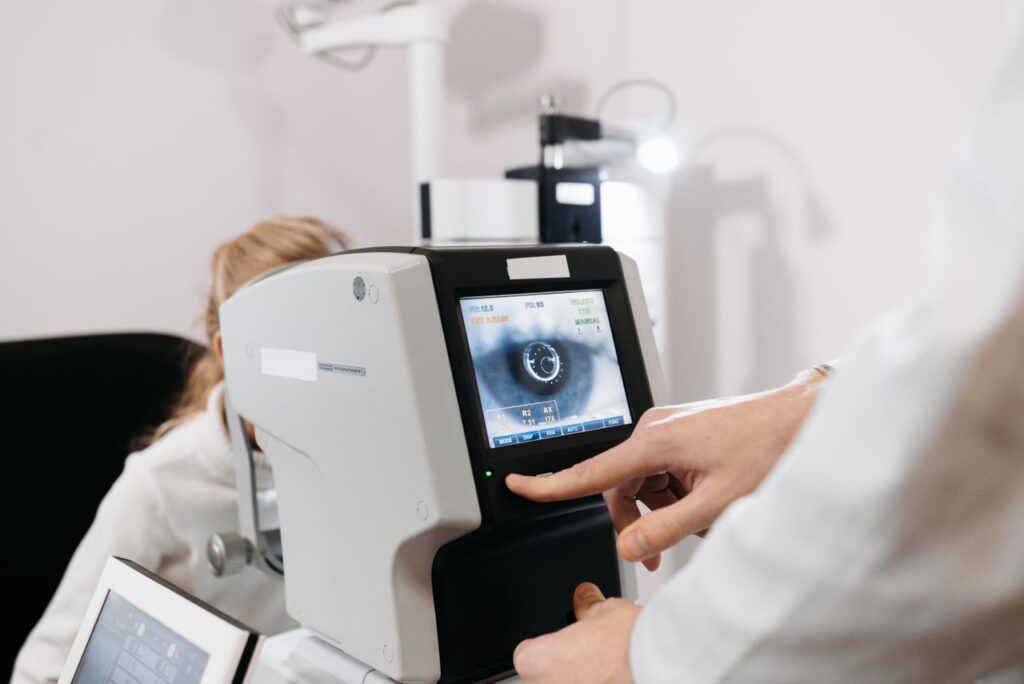
The digital tools disrupted clinics’ workflows, accelerating them and enhancing care by utilizing advanced diagnostic equipment. These technologies enable doctors and nurses to make rapid, informed decisions at the point of care while ensuring secure systems that keep patient information safe, ultimately optimizing clinic operations. Here’s a comparison table of some popular digital tools in clinics and their impact on clinical workflows.
| Tool Type | Example Applications | Key Benefits |
| Integrated Systems | Electronic Health Records, Lab Integration | Centralized data, improved accuracy |
| Handheld Devices | Portable ultrasound, digital thermometers | Fast assessments, point-of-care use |
| Wearable Sensors | Heart rate monitors, glucose trackers | Remote monitoring, real-time feedback |
| Data Security Tools | Encryption, access controls | Protects privacy, ensures compliance |
Integrated Systems
Integrated systems, for example, electronic health records (EHR), combine lab results, images, and patient notes into a single platform. When clinics adopt these systems, it becomes easier for doctors and nurses to view the entire patient story in a single location. This integration reduces the chances of overlooking important information, which translates to improved treatment and fewer diagnostic errors. Diagnostic devices, such as blood analyzers and digital stethoscopes, must be compatible with EHRs so that results feed directly into the patient record. This fluid data movement facilitates collaboration, as every healthcare worker has access to updated information, regardless of their location in the clinic. Employees need proper training to use these systems effectively. Consistent training prevents mistakes, minimizes overwhelm, and keeps the pipeline flowing. Certain clinics face challenges with outdated diagnostic equipment, which hinders the diagnostic process and patient care.
Handheld Devices
Handheld tools, such as digital otoscopes, portable ultrasounds, and wireless ECG monitors, enable medical teams to examine patients promptly across multiple rooms. For instance, a portable ultrasound can display a muscle tear immediately, while a digital thermometer provides rapid readings within seconds. These diagnostic devices are now ubiquitous in clinics, with many opting for subscription-based models to always have the newest medical equipment without a large upfront cost. To maximize these diagnostic instruments, clinics need to train their teams properly. Staff must understand when to put each device to use and how to trust the readings, as device reliability may vary within and between brands or models. Some clinics still struggle with not having enough new diagnostic test equipment or with the learning curve, but these tools are becoming must-haves.
Data Security
Safeguarding patient information is a top priority when utilizing digital diagnostics and diagnostic test equipment. Good clinics have rigorous access protocols to patient records, involving passwords and encryption. Staff learn to identify risks, such as phishing or data leaks, which prevents issues before they begin. Security is constantly evolving, so clinics need to audit and update their setups frequently. Privacy, consent, and even liability concerns arise when new diagnostic equipment is deployed, making explicit policies and ongoing employee training more critical than ever.
Strategic Tool Selection
Choosing the correct diagnostic equipment in a clinic is more than just purchasing the latest device. Each such decision has to be strategic and a fit for the clinic’s goals, budget, and patient needs. A strategic approach combines clinician input, patient population data, and real-world considerations such as cost and staff training. It means thinking about how tools fit into existing tech systems and how people really work because a tool that’s difficult or burdensome to use can damage care, not assist it. Usability counts, if a diagnostic instrument is not easy to use, it bogs down work and increases the chance of error, particularly when most clinicians already spend more time documenting than caring for patients.
Assess Needs
Begin by taking a good, hard look at what the clinic really needs. Different clinics have different requirements. A pediatric clinic might require vision charts, height boards or tympanometers, while a general practice might require sphygmomanometers, otoscopes or glucometers. Enlist the healthcare workers, their on-the-ground experience demonstrates what is effective and what is not. Patient demographics are central: if a clinic serves older adults, ECG machines and bone density scanners may be more useful. The diversity of workflows in diagnostic tasks implies that not every tool will suit each clinic. Human-centered design is important, straddling the technical system and the users.
Checklist for essential diagnostic tools in a typical primary care setting:
- Stethoscope
- Sphygmomanometer
- Otoscope
- Ophthalmoscope
- Glucometer
- Thermometer
- Pulse oximeter
- Blood pressure cuff
- Urinalysis strips
- Electrocardiogram (ECG) machine
- Sphygmomanometer: for accurate blood pressure measurement.
- Stethoscope: for basic heart and lung sounds.
- Thermometer: for fast, non-invasive temperature checks.
- Otoscope: for ear, nose, and throat exams.
- Glucometer: for rapid blood glucose testing.
- Pulse oximeter: for blood oxygen saturation.
- ECG machine: for cardiac screening, especially in adult populations.
Evaluate Costs
| Tool | Approx. Cost (USD) | Key Features | Maintenance/Year (USD) |
| Sphygmomanometer | 40-100 | Manual or digital | 10-15 |
| Otoscope | 70-300 | Rechargeable, LED | 20 |
| Glucometer | 30-60 | Test strips needed | 100-200 (strips) |
| ECG Machine | 1,000-3,000 | 12-lead, portable | 50-100 |
Maintenance and operating costs accumulate over time, frequently exceeding the original capital expenditure on diagnostic equipment. Buying in bulk can be a cost-saver. Don’t forget to look at the total cost of ownership, which includes training for diagnostic testing and software updates. EHR integration is a silent expense, and arduous documentation risks clinician burnout and additional overtime.
Prioritize Training
Training is not something you do once. They require tool-specific training, staff need practice with new diagnostic tools, and they need updates to keep up with changes. All too many clinics skip this step, which means tools are underutilized or used in ways that contribute to information overload. Continuing education must address both missed test results and diagnostic accuracy.
- Webinars on new device features and software updates
- Simulation training for complex diagnostic workflows
- Short video tutorials for quick reference
- Peer-to-peer learning sessions
A clinic with a learning culture keeps its staff sharp and makes the workflow and patient safety better.
The Human Element
Human factors influence the way diagnostic equipment operates in clinics. The patient’s comfort, clinician’s skill, and faith in the diagnostic process all connect to improved outcomes. It’s the human factor, the way we engage with diagnostic instruments and each other that affects the quality of care we provide and receive.
Ergonomic Patient Support
A quiet room puts patients at ease on exams. Gentle lighting and silent chambers reduce tension. The human touch Any kind of seat that is body-supporting, with privacy curtains, allows people to unwind. These transformations affect what patients do and how they feel.
Employees need to understand how to speak to patients. Training includes tone, diction, and listening. It’s not only what you say, but how you say it. Technology, such as EHRs, can detract from in-person time. Most patients sense when a clinician is staring at a screen more than at them, and that can be anxiety-inducing. To reduce this, clinics train staff to combine computer use with genuine human contact.
- Use open body language and make eye contact.
- Speak in a calm, clear voice.
- Ask simple, direct questions.
- Pause to let patients share worries.
- Repeat key points for clarity.
Clinician Skill
Continued training ensures clinicians remain skilled. Several clinics host recurring workshops and promote team-based learning. Mentorship connects newer employees with more experienced ones. This helps spread advice that books cannot offer.
Clinician performance checks indicate where skills require additional effort. Peer-to-peer or even supervisor feedback is important. A few clinics even monitor how efficiently staff utilize EHRs and identify holes that can result in missed alerts. Nearly 30% of clinicians miss alerts, delaying care. Complicated EHRs waste time as well. One study discovered that data entry consumed more time than patient care. Your burnout risk increases if your systems are complicated. Teams that communicate and bounce ideas back and forth tend to identify issues earlier and correct them.
Diagnostic Trust
Trust develops when the procedure is transparent. Patients want actionable steps and real talk about what’s next. When clinics walk through each tool and explain why, people engage in their care.
Doctors earn our trust by encouraging inquiry and demonstrating outcomes. Getting patients involved in decisions can help them adhere to treatment. Follow-ups, even basic ones, demonstrate to patients that they count.
EHRs can promote teamwork, but only when the UI is intuitive. Too many alerts or steps will create confusion, burnout, and missed signals. Safety is a collective work, bringing together Merit Pharmaceutical, clinics, and authorities.
Future Of Exam Rooms
The future of exam rooms is looking like a fusion of smart tools and a patient-first mindset. Clinics aren’t far behind with integrated systems where EMRs and modular vitals monitors interact. These arrangements assist doctors and nurses in observing a patient’s complete health profile immediately. Saving and sharing data becomes simpler and quicker so care advances with less friction. Many clinics already leverage portable and tablet-based diagnostic equipment. These facilitate taking vitals, conducting tests, or updating charts at the patient’s bedside. This transition accelerates the workflow and enables care teams to react immediately to patient demands.
The expansion of telemedicine is transforming the appearance and function of exam rooms. Remote diagnostics and patient monitoring are incorporated into the daily routine, not a fallback option. With reliable networks and protected knowledge transfers, physicians can hop on a session from any place and monitor patients who might not be in a position to travel. It benefits individuals living in rural areas or with mobility issues. New exam rooms could have large screens for video consults or digital stethoscopes that stream live sounds to distant specialists. As these shifts diffuse, the boundary between in-person and remote care becomes more permeable.
Innovation in diagnostic testing technology brings more advanced equipment into the exam room. Digital otoscopes and urine analyzers get smaller, smarter, and easier to use. They provide rapid, definitive outcomes and assist in early detection. Power exam tables that adjust for individuals with mobility challenges demonstrate a drive toward more inclusive care. Flexible layouts and furnishings allow clinics to quickly switch setups for different patients or procedures. Many clinics attempt to warm up their rooms a bit. They employ warm lights, soft colors, and noise control to comfort patients. These minor adjustments establish rapport and reduce anxiety about visits.
The future means striking that delicate balance of smart tech and real human touch. Doctors and nurses will still have to listen, connect, and guide. The best exam rooms will leverage technology to assist, not supplant, the skills that count.
Final Remarks
To deliver care that suits every need, clinics employ a clever combination of tools. Stethoscopes, otoscopes, blood pressure monitors, and thermometers populate exam rooms. Digital gear, from tablets to wireless monitors, now delivers speedier records and sharper data as well. Most clinics select tools that best suit their staff and patients. Smart tools help physicians identify problems early. Skill and a kind touch matter just as much as the latest technology. Newer tools will continue changing how clinics operate. To stay in the loop, test drive these tools in your own clinic and report back. Come on in, share what you know, and contribute to the future of medicine.
Frequently Asked Questions
1. What Are The Most Common Diagnostic Tools Found In Clinic Exam Rooms?
Some of the most common diagnostic instruments include stethoscopes, thermometers, and blood pressure monitors. These essential lab equipment tools help healthcare practitioners rapidly evaluate fundamental health conditions.
2. Why Are Digital Diagnostic Tools Becoming Popular In Clinics?
Digital tools, such as diagnostic equipment, provide accurate results, simple data storage, and rapid sharing with other clinicians, enhancing patient care and clinic workflow.
3. How Do Clinics Choose Which Diagnostic Tools To Use?
Clinics select diagnostic equipment based on patient requirements, staff expertise, and budget, considering reliability, ease of use, and adherence to up-to-date medical guidelines.
4. Are Traditional Diagnostic Instruments Still Necessary?
Yes, stethoscopes and sphygmomanometers are essential lab equipment, they are dependable, inexpensive, and non-electrical or battery operated.
5. How Do Diagnostic Tools Support Patient Care?
Diagnostic tools, such as diagnostic test equipment and diagnostic instruments, provide an early warning for health problems, aid treatment decisions, and track progress, resulting in improved patient outcomes and safer care.
Equip Your Clinic With Reliable Diagnostic Tools That Support Better Patient Care
Accurate diagnoses begin with dependable diagnostic equipment. From stethoscopes and blood pressure monitors to pulse oximeters, otoscopes, and digital thermometers, every tool in your exam room plays an important role in helping providers assess patients quickly and confidently. Investing in high-quality diagnostic instruments improves clinical efficiency, supports informed decision-making, and helps healthcare teams deliver safe, consistent care during every patient visit.
At Merit Pharmaceutical, we provide trusted diagnostic tools and medical supplies designed to meet the everyday needs of hospitals, clinics, and healthcare professionals. Our carefully selected products combine reliability, precision, and durability to help your team maintain high standards of patient care while streamlining workflow. Contact Merit Pharmaceutical today to discover our complete range of diagnostic equipment and exam room essentials that help your facility stay prepared, improve patient outcomes, and deliver exceptional care with confidence.
Disclaimer
The information provided on this website is intended for informational and educational purposes only. It is not a substitute for medical advice, diagnosis, or treatment, and should not be relied upon as such. Healthcare professionals should always use their own clinical judgment when selecting and administering medical products. Patients should consult with a qualified healthcare provider regarding any specific medical condition or treatment.
While we strive to keep product details and information current, Merit Pharmaceutical makes no guarantees as to accuracy, completeness, or applicability to your particular situation. Do not act or refrain from acting solely based on information from this site without seeking appropriate medical or professional guidance. To the fullest extent permitted by law, Merit Pharmaceutical disclaims all liability for any decisions or actions taken based on the contents of this site.