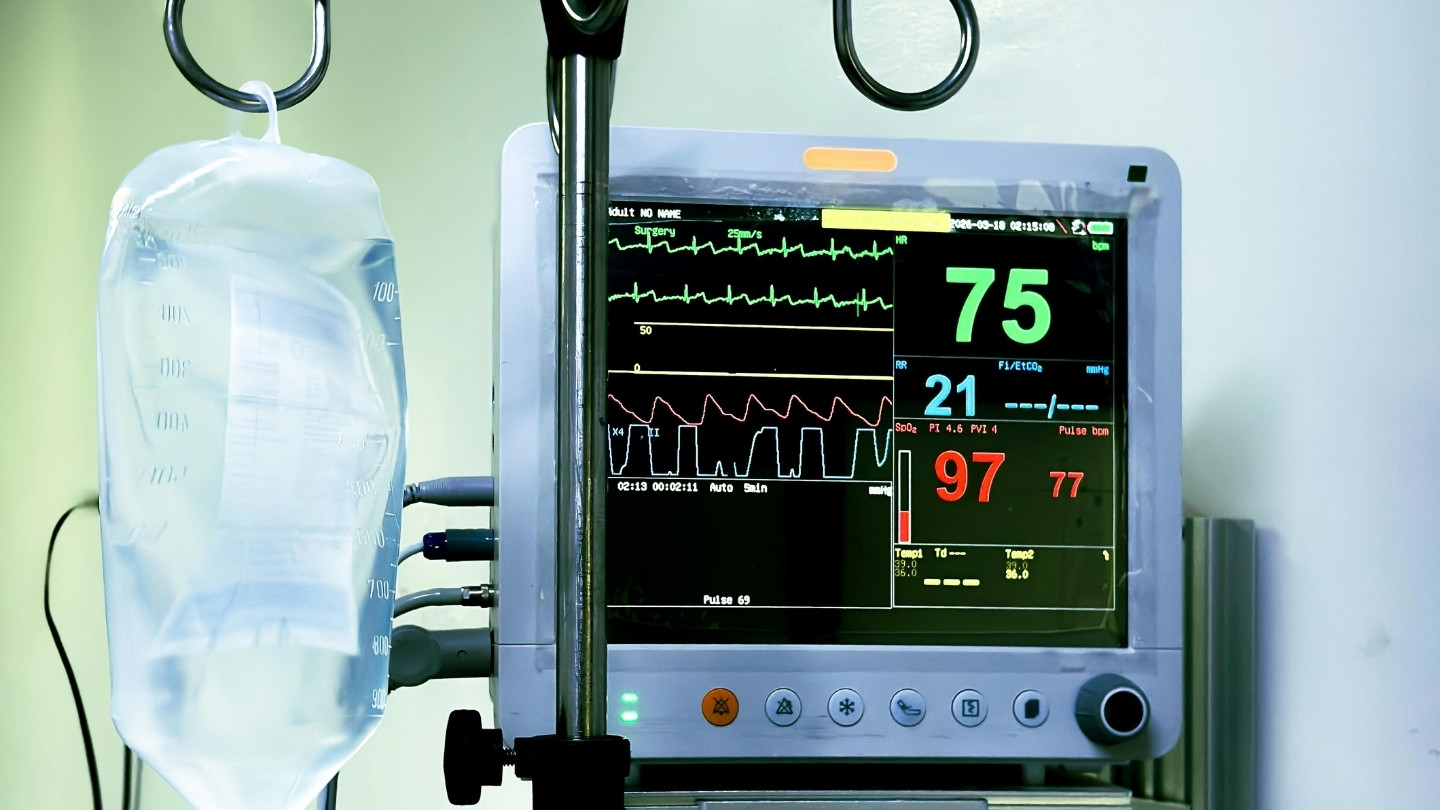
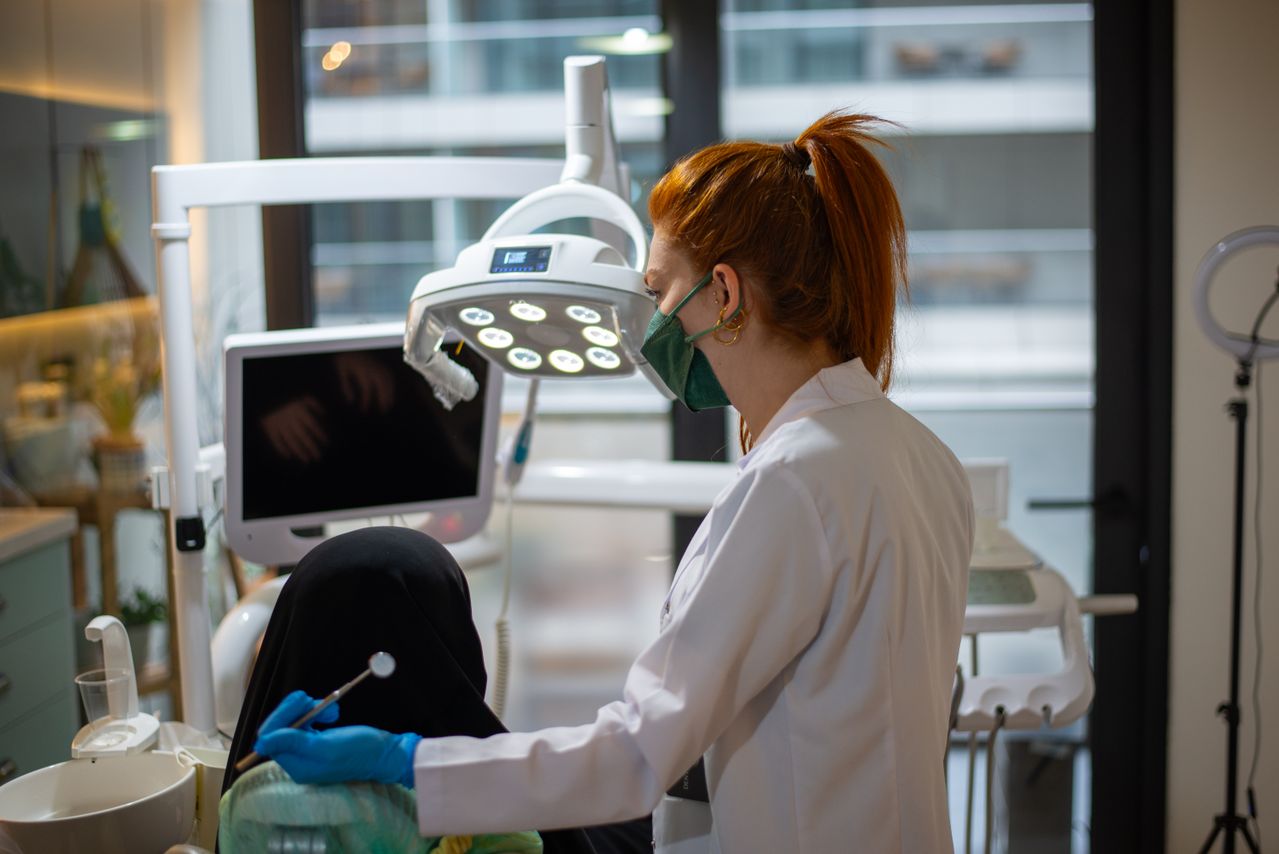
How should hospitals evaluate medical furniture for exam rooms? Good exam room furniture requires robust construction, sturdy design, and easily cleanable surfaces. Staff should test the maneuverability and adjustability of chairs, tables, and carts. The height and contour need to suit both patients and staff for reduced strain. Germ resistant, easy-to-clean materials impede germ spread. Ideally, find exam room medical furniture that can be repaired or replaced. Price and supply are key, select pieces that fit the budget but still satisfy all care requirements. These tips assist hospitals in choosing medical furniture for exam rooms that benefits everyone. The body provides additional steps and granularity for this process.
Key Takeaways
- Hospitals should evaluate medical furniture by integrating clinical functionality, patient experience, staff ergonomics, infection control, and lifecycle value to ensure comprehensive suitability for diverse healthcare settings.
- By placing a greater emphasis on ergonomic and adaptable furniture designs, hospitals can enhance staff well-being, patient comfort, and workflow efficiency. All of these factors ultimately promote more effective care delivery.
- Infection control should be at the forefront of furniture selection, including hygienic materials, easy-to-clean surfaces, and antimicrobial properties to ensure a safe environment for patients, physicians, and staff.
- Regulatory compliance, both global and regional, demands persistent focus to keep furniture in line with patient accessibility guidelines and shifting healthcare regulations.
- Or should hospitals be looking to advanced materials and smart technologies in medical furniture that can engage patients, provide real-time diagnostics, and streamline operations?
- A true grasp of these hidden costs, such as maintenance, replacement, and disruption, is vital to budget-conscious, long-term value-oriented healthcare facility plans.
The Core Evaluation Framework
A core evaluation framework provides hospitals a method of seeing how well healthcare furniture supports medical exam room design. This assists facilities in comparing exam room layouts A versus B and the impact on provider and patient experience, spanning clinical functionality, patient satisfaction, and infection control.
1. Clinical Functionality
Furniture must meet the clinical demands of diverse workflows in healthcare spaces. For example, layout A required providers to turn their backs to patients to use the computer, which made communication challenging. Improved design incorporated laptops and swivel chairs, allowing employees to face customers and share displays, optimizing both process and participation. Exam tables adjust for patients with varying mobility, while flexible furniture solutions enable quick reconfiguration for specialty procedures. Scalable furniture options help clinics adapt as technology and care protocols evolve.
2. Quality Care Experience
Furniture decisions can significantly impact how patients experience healthcare spaces. Soft, well-cushioned chairs and height-adjustable exam tables enhance comfort, particularly for individuals with limited mobility. Waiting rooms with natural light and soothing colors tend to lower stress levels. In the new exam rooms, patients appreciated being able to see the computer screen, making them feel included. Additionally, small things like ergonomic furniture can assist patients in feeling comfortable while waiting for extended periods. Layouts with clear sightlines between patient and provider enhance satisfaction and trust.
3. Staff Efficiency Comfort
In medical environments, staff are in exam rooms for long hours, so design for ergonomics counts. Choosing healthcare furniture like adjustable chairs and desks allows people of different heights to work without strain. Providers in the optimized exam room layout appreciate being able to swivel and share screens with patients, reducing redundant motions. A friendly design reduces weariness and increases enthusiasm, while smart furniture solutions allow staff to access required instruments rapidly, minimizing unnecessary trips and increasing productivity.
4. Clinical Hygiene Management
Hospitals require healthcare furniture with hygienic surfaces that are easy to clean and resistant to aggressive disinfectants. Flush edges and fewer joints keep germs from lurking while antimicrobial materials provide an additional level of protection. Components of furniture are subject to rigorous international hygiene regulations, promoting well-being among patients and staff alike. Designs that accommodate serious sanitization regimens, such as smooth vinyl or powder-coated metal, are imperative in healthcare environments.
5. Lifecycle Value
Furniture in healthcare environments must endure and provide value. Hospitals should consider anticipated lifespan, maintenance requirements, and frequency of component replacement when selecting healthcare furniture. It’s not just about the initial cost, the total cost of ownership is crucial. Wheeled or reusable furniture options in future renovations aid facilities in expanding without additional expenses. Durable, low-maintenance materials ensure savings and efficiency over the years.

Beyond The Spec Sheet
Exam room furniture, beyond the lookbook Hospitals require healthcare furniture solutions that last, perform, and evolve in a challenging ecosystem. When evaluating medical furniture design, teams need to go beyond the spec sheet and explore how materials, construction, and surface coating all work together to satisfy real-world clinical requirements in medical environments.
Medical Material Research
Material selection significantly influences all healthcare furniture in exam rooms. Popular choices such as powder-coated steel, high-pressure laminate, and medical-grade vinyls provide a good equilibrium of comfort, durability, and cleanability. For instance, vinyl is non-porous, stain resistant, and supports infection control, which is essential in high-traffic healthcare spaces. High-quality plastics are gaining popularity as they are lightweight, flexible, and resist chemical cleaners.
The choice of materials should prioritize patient comfort. Softer finishes and padded surfaces can help alleviate clinical anxiety, while neutral colors contribute to a calming healthcare environment. Limiting paint colors and fabric types simplifies maintenance and maintains a cohesive appearance. Standard finishes also facilitate repairs and future replacements, making matching easier across product runs.
Technologically advanced materials, think antimicrobial coatings and seamless upholstery, go a long way in boosting both hygiene and appeal. These contemporary choices aren’t just stylish, they increase security and minimize housekeeping time.
Structural Integrity
Exam room furniture must be durable enough to withstand daily use in healthcare environments. Compliance with ANSI safety and load requirements is essential, as well as adherence to flame resistance standards like TB 116 and TB 117 in areas such as California, especially for upholstered items. The construction quality of healthcare furniture is paramount, welded frames and reinforced fasteners offer superior durability compared to stapled or glued joints.
Choosing healthcare furniture from trusted manufacturers ensures quality and reliability. Heavily engineered furniture solutions not only lead to fewer failures but also minimize downtime and decrease the risk of injury for both patients and staff. By investing in scalable furniture options, healthcare facilities can facilitate fast repairs and standardization, reducing waste as demands evolve.
Directors who recognize that durable, failure-resistant furniture enhances staff productivity and minimizes disruption play a vital role in maintaining efficient exam room layouts, which is crucial in high-use medical settings.
Surface Durability
Surfaces in healthcare need to withstand rigorous cleaning and repel bodily fluids and caustic agents. High-pressure laminates, seamless composites, and coated metals are popular choices for their durability.
Convenience of maintenance is important. Surfaces that clean quickly and don’t trap debris assist infection prevention teams and control costs. Standard finishes and modular components make repairs simple while minimizing inventory requirements.
Surface durability is more than just appearances. It guards the investment, maintains spaces looking professional, and enables sustained value for the venue.
Navigating Regulatory Compliance
Hospitals everywhere face tight regulations on healthcare furniture, particularly in medical exam room design. These regulations, stemming from global, federal, and regional bodies, ensure compliance and protect healthcare organizations from legal exposure and fines.
- Hospitals have to pass international standards including ISO 13485 for quality, IEC 60601 for electrical safety, and EN 60601 for European facilities.
- A number of countries internationally follow or modify standards from organizations such as the WHO and IEC.
- Local governments might impose standards about fire resistance, infection control, and materials.
- ADA guidelines, most notably in the US, mandate accessible furniture for any patients, including those with disabilities.
- The Department of Justice’s (DOJ) recent 2010 ANPRM addresses new standards under the ADA for accessible equipment, which may include purchasing height-adjustable exam tables.
- Approximately 70% of US exam rooms continue to rely on manual exam tables that may not be in compliance with future regulations.
- In certain areas, you may need to periodically check your compliance and quickly make updates as the regulations change.
- Accessible scales and adjustable tables are increasingly necessary since only 8.4% of primary care practices treating Medicaid patients in California had height adjustable tables and less than 4% had accessible scales.
Global Standards
International regulations address safety, durability, and hygiene when it comes to medical furniture. ISO 13485 and IEC 60601 are central examples. By adhering to these regulations, hospitals across various nations can provide an equivalent standard of care and safety. Following these rules results in less inspection-induced surprise. Hospitals navigate regulatory compliance by learning from the world’s best and adopting best practices from organizations such as WHO.
Staying on top of the rule changes worldwide is crucial. New regulations can alter what furniture is permissible or necessary. Periodic reviews keep hospitals audit ready and prevent compliance blind spots.
Regional Mandates
Every region or country layers its own rules on top of global ones. Hospitals have to navigate local fire-resistance, infection-control, and accessibility laws. Here’s what’s coming in the US with the ADA and DOJ rulemakings that can impact your future buys. It could, for example, force the DOJ’s ANPRM to mandate that all exam tables be height-adjustable. Almost all exam rooms today have tables that would fail to comply with these future rules.
As facility managers, they should already be working with their legal and procurement teams to stay in compliance with these updates. Ongoing training ensures staff knows and complies with new regulations. Keeping up with local regulations is essential to prevent fines or lost certification.
Future-Proofing
Healthcare is always evolving. Hospitals require furniture that transforms as well. Purchasing height-adjustable tables, modular storage, or scalable seating can keep a facility compliant as regulations shift. Furniture with a low transfer height of 43 to 48 centimeters and a high transfer height of 64 centimeters, along with four intermediate heights, satisfies new accessibility requirements.
Flexible designs allow hospitals to add upgrades, such as digital scales for patients with mobility challenges, without swapping it all out. Scalable plans allow hospitals to expand offerings or reach additional patients down the line.
Planning for compliance is planning forward. Frequent auditing and feedback from staff and patients identify gaps. Getting the right furniture today pays off in cash and minimizes risk when standards move.
Integrating Smart Technology
Smart technology in healthcare spaces can transform patient care by making environments more adaptive, efficient, and human-centered. When hospitals consider healthcare furniture, it is crucial to evaluate both today’s and tomorrow’s requirements, ensuring scalable furniture options can expand as technology evolves. Thoughtfully integrated smart technology makes caregivers more effective, empowers patients and their families, and increases satisfaction for everyone.
Embedded Diagnostics
Smart exam furniture now comes with diagnostics built in, including healthcare furniture options like exam chairs with vital sign monitors or beds that weigh patients and sync with health records. This enables on-the-fly evaluation without additional tools, cutting down on mess and time. Check how these tools fit into workflow within healthcare environments. When data streams directly into digital charts, healthcare professionals can concentrate on the patient, not the paperwork, reducing distractions and encouraging deeper patient-provider relationships. As new innovations arrive, such as wireless sensors or touch-free monitoring, hospitals ought to seek out scalable furniture solutions that can augment or adapt features as technology evolves, making it easier for providers to react swiftly to shifts in a patient’s condition.
Patient Engagement
Furniture doesn’t just support devices, healthcare furniture can transform patient experiences. Smart tables or chairs can display health education videos or collect patient feedback during visits. Interactive screens allow patients to see their care plans, ask questions, or update personal information. Such capabilities engage patients in their care, enhancing outcomes. With flexible furniture solutions integrated with charging ports and infotainment, the area becomes welcoming, fostering confidence and calming visits, critical for patient satisfaction. Simplifying tech use empowers patients of all races and ages.
Workflow Automation
Furniture integrated with EHRs or other hospital systems could accelerate day-to-day work in healthcare environments. For instance, a smart supply cart could monitor its inventory and notify when it is running low. Smart features like automated height adjustment or preset exam modes can reduce manual labor, making them ideal scalable furniture options for medical settings. These capabilities allow clinicians to focus more on care and not tasks, ultimately enhancing patient satisfaction. Hospitals should seek adaptable furniture solutions that align with evolving care models and stay ahead of new technology trends.
Unexpected Supply Costs
Exam room medical furniture plays a crucial role in healthcare environments, often carrying costs that extend beyond its initial purchase price. Healthcare professionals must look beyond the catalog or showroom to consider hidden costs associated with daily use, maintenance, and replacement. If unchecked, these costs can stealthily drain budgets, reduce efficiency, and negatively impact patient satisfaction.
Maintenance Burden
A checklist for maintenance burdens in healthcare furniture would need to cover the type of material (e.g., stainless steel, laminate, plastic), mechanical complexity, specialized cleaning products required, and routine inspection frequency. Furniture constructed from porous or less durable materials is prone to requiring more frequent cleaning, repair, and even special handling, increasing maintenance in medical environments. In hectic medical offices, high-maintenance furniture is a nightmare, as it adds stress to doctors and nurses who already run a frenetic schedule. When maintenance is difficult or demanding, healthcare professionals may end up devoting less time to their patients and more time repairing or sterilizing equipment. This may bog down workflows and result in delays. Easier-to-clean surfaces and scalable furniture options can help restrict downtime and cleaning steps. Over the years, the thousands in cleaning supplies, labor, and service calls can accumulate quickly, turning what initially looked like a good deal into a whole lot less.
Replacement Frequency
The frequency with which hospitals need to replace healthcare furniture can significantly impact long-term costs. Cheaper or poorly made equipment tends to break down sooner, causing healthcare facilities to purchase replacements or request repairs more often. This not only puts pressure on budgets but also forces healthcare professionals to adapt to new equipment, which can lower morale and affect patient satisfaction. Frequent replacements can disrupt the patient experience if a medical exam room is offline or equipment is unavailable. Investing in hard-wearing, quality construction furniture solutions may be more costly initially but often leads to lower overall costs by reducing these recurring expenses.
Operational Disruption
Furniture breakages or switches during rush times can disrupt patient flow in healthcare spaces and make it difficult for employees to function. If an exam table breaks on a hectic morning, care can be postponed or shifted to another room, increasing delayed care and wait times. Thoughtful planning, like scheduling replacements after hours or during slow times, can avert these issues. Layout changes in medical environments can influence staff flow and patient access, potentially affecting both efficiency and patient satisfaction. Even minor interruptions can add stress to staff and patients alike, and chronic issues can bring down hospital scores.
Validating Supplier Credibility
Hospitals need to verify whether a supplier is credible before selecting healthcare furniture for their medical exam rooms. It’s not all about price or aesthetics, trust is earned through consistent quality. For some buyers, it’s about the data, for others, it’s about relying on their gut or previous connections. Each method has its advantages and disadvantages, especially when power shifts in the commercial bond come into play. If a supplier controls scarce resources, they may have more leverage, which can affect how buyers perceive them in the context of healthcare environments.
The record of accomplishment serves as a way to verify suppliers’ adherence to safety standards and provision of high-quality, durable furniture solutions. A long list of working partnerships and minimal known issues often indicates that a supplier meets the necessary criteria. For example, Merit Pharmaceutical’s extensive history and international presence demonstrate credibility with numerous purchasers. If a supplier is new or has a problematic reputation, the risk increases, making it essential for buyers to verify public records, client feedback, and industry awards.
Teaming with suppliers that drive innovation and excellence ensures that hospitals can continue to adapt to the evolving needs of medical environments. Companies that invest heavily in research, superior materials, or innovative safety features tend to perform better in the marketplace. Innovation scores and product updates are positive indicators of a supplier’s reliability. It becomes difficult to judge whether one chair or piece of furniture is superior to another if brands obscure details or complicate comparisons. Buyers need to push for explicit specifications and direct comparisons to make informed decisions.
Researching suppliers is crucial for making the right furniture selection. Buyers typically begin by evaluating the supplier’s overall catalog and level of price transparency. Hidden prices or unclear terms can significantly erode trust. Supplier-decision maker deals can also raise questions about bias. To address these risks, buyers often rely on reviews, contract terms, and sometimes personal connections or hardball negotiating tactics. Certain buyers lean on personal connections, while others depend on fixed lists and industry information to guide their choices.
Final Remarks
Hospitals should be selective when choosing medical furniture for exam rooms. Every decision influences treatment, security, and routine labor. Concentrate on clean lines, hard construction, and maintenance friendly. Smart tech assists in expediting tasks and keeping things tidy. Great vendors keep their promises, provide immediate support, and offer references. Be on the lookout for surprise expenses that arise down the road, such as service, parts, and upgrades. Rules matter as well. Each must adhere to local and international regulations. Teams should test equipment in actual work, not just review specifications. To score the best fit, contact end users, verify honest feedback, and follow fine lines. Want to stay on top of new trends and tips? Subscribe to our blog for more guides and candid observations from the field.

Frequently Asked Questions
1. Why Is It Important To Look Beyond The Spec Sheet When Selecting Medical Furniture?
Thinking beyond the spec sheet in healthcare furniture selection helps you discover real-world performance, user feedback, and adaptability. This approach guarantees that the furniture solutions meet real clinical needs and provide value for years to come.
2. How Do Hospitals Ensure Medical Furniture Meets Regulatory Compliance?
Hospitals should ensure that healthcare furniture complies with local, national, and international health and safety regulations, as selecting furniture that meets these standards is critical for compliance.
3. What Are The Benefits Of Integrating Smart Technology Into Exam Room Furniture?
Smart tech can optimize workflow and patient care in healthcare facilities, while features like built-in sensors or digital interfaces help streamline operations in medical environments.
4. What Hidden Costs Should Hospitals Watch For When Buying Exam Room Furniture?
Hospitals should consider healthcare furniture selection, including maintenance, installation, staff training, and future upgrades, as these hidden costs impact the overall cost containment of medical furniture in exam rooms.
5. How Can Hospitals Validate The Credibility Of Furniture Suppliers?
Hospitals should consider supplier certifications and references, ensuring they select healthcare furniture from a reputable vendor that offers dependable customer support.
Choose Durable, Reliable Medical Furniture With Merit Pharmaceutical
Selecting the right medical furniture is an investment in patient care, staff efficiency, and long-term operational success. High-quality exam tables, seating, carts, and storage solutions help create safer, more comfortable exam rooms while supporting infection control and improving workflow. When hospitals prioritize durable construction, ergonomic design, easy-to-clean surfaces, and dependable performance, they reduce maintenance costs, extend product lifespan, and create a better experience for both patients and healthcare professionals.
At Merit Pharmaceutical, we provide premium medical furniture designed to meet the demands of modern healthcare environments. Our carefully selected products combine durability, functionality, and compliance with industry standards to help hospitals, clinics, and healthcare facilities create efficient, patient-centered exam rooms. Whether you’re outfitting a new facility or replacing aging equipment, our knowledgeable team can help you choose furniture that delivers lasting value without compromising quality. Contact Merit Pharmaceutical today to learn more about our medical furniture solutions and discover how the right equipment can enhance patient care, improve staff productivity, and support your facility for years to come.
Disclaimer
The information provided on this website is intended for informational and educational purposes only. It is not a substitute for medical advice, diagnosis, or treatment, and should not be relied upon as such. Healthcare professionals should always use their own clinical judgment when selecting and administering medical products. Patients should consult with a qualified healthcare provider regarding any specific medical condition or treatment.
While we strive to keep product details and information current, Merit Pharmaceutical makes no guarantees as to accuracy, completeness, or applicability to your particular situation. Do not act or refrain from acting solely based on information from this site without seeking appropriate medical or professional guidance. To the fullest extent permitted by law, Merit Pharmaceutical disclaims all liability for any decisions or actions taken based on the contents of this site.