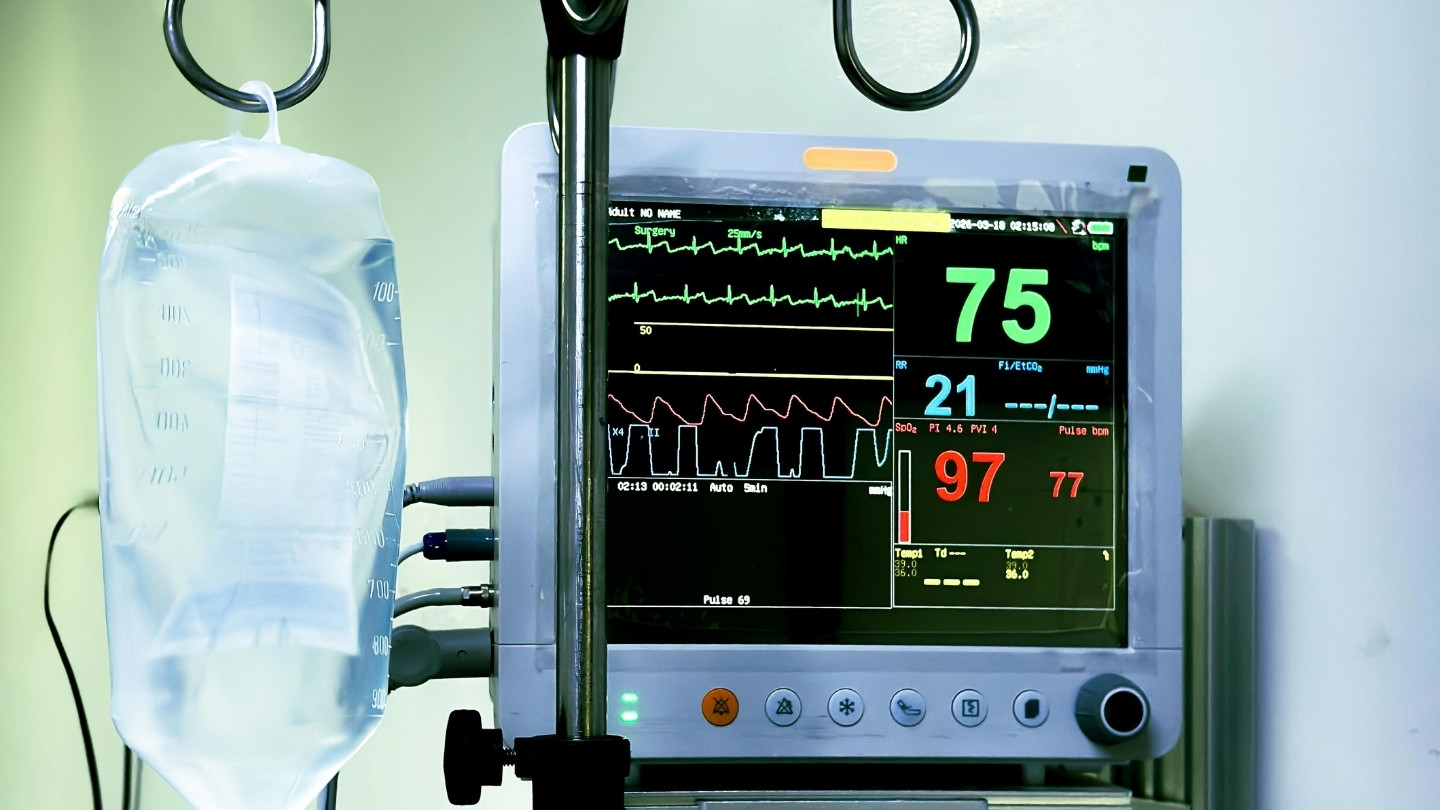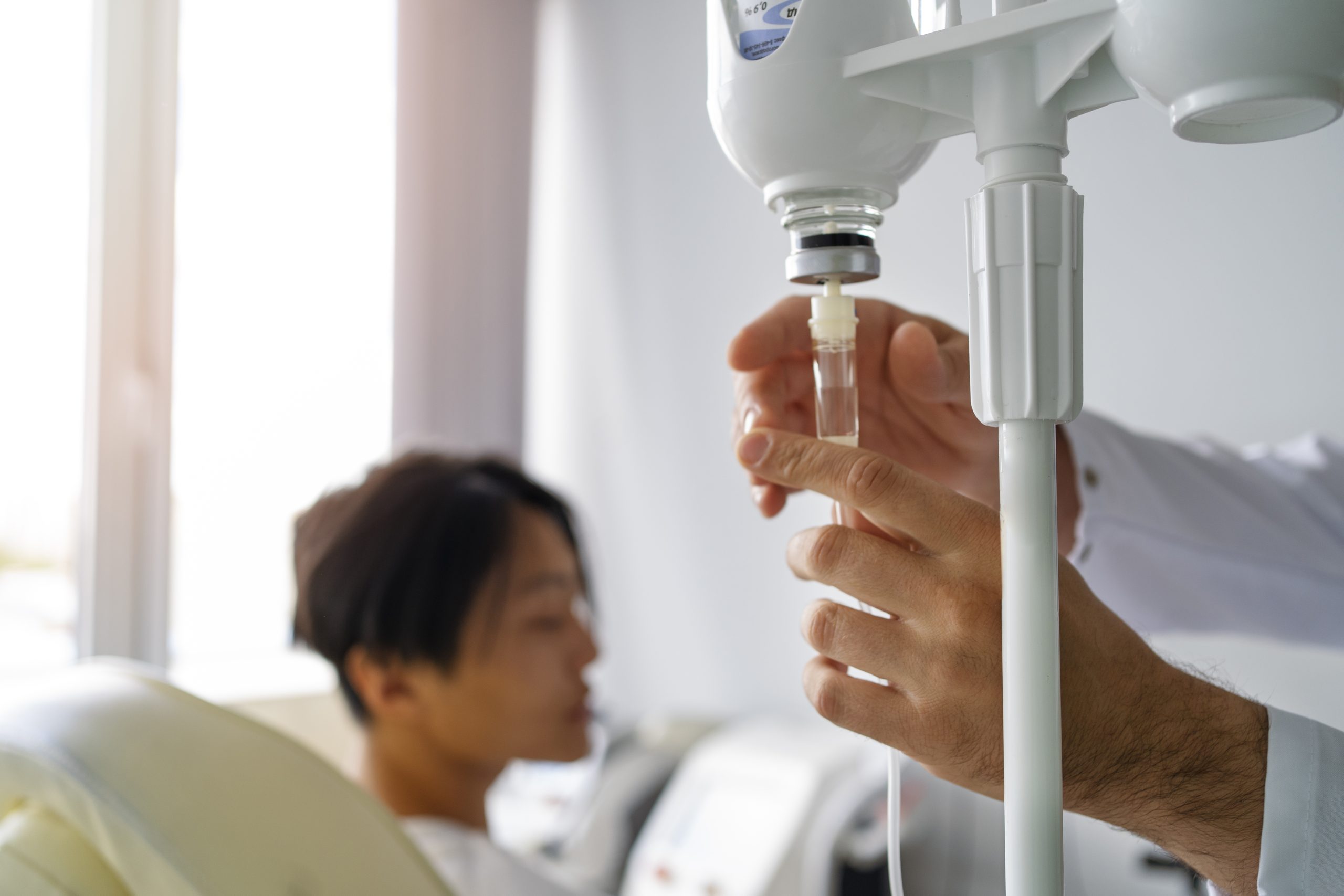
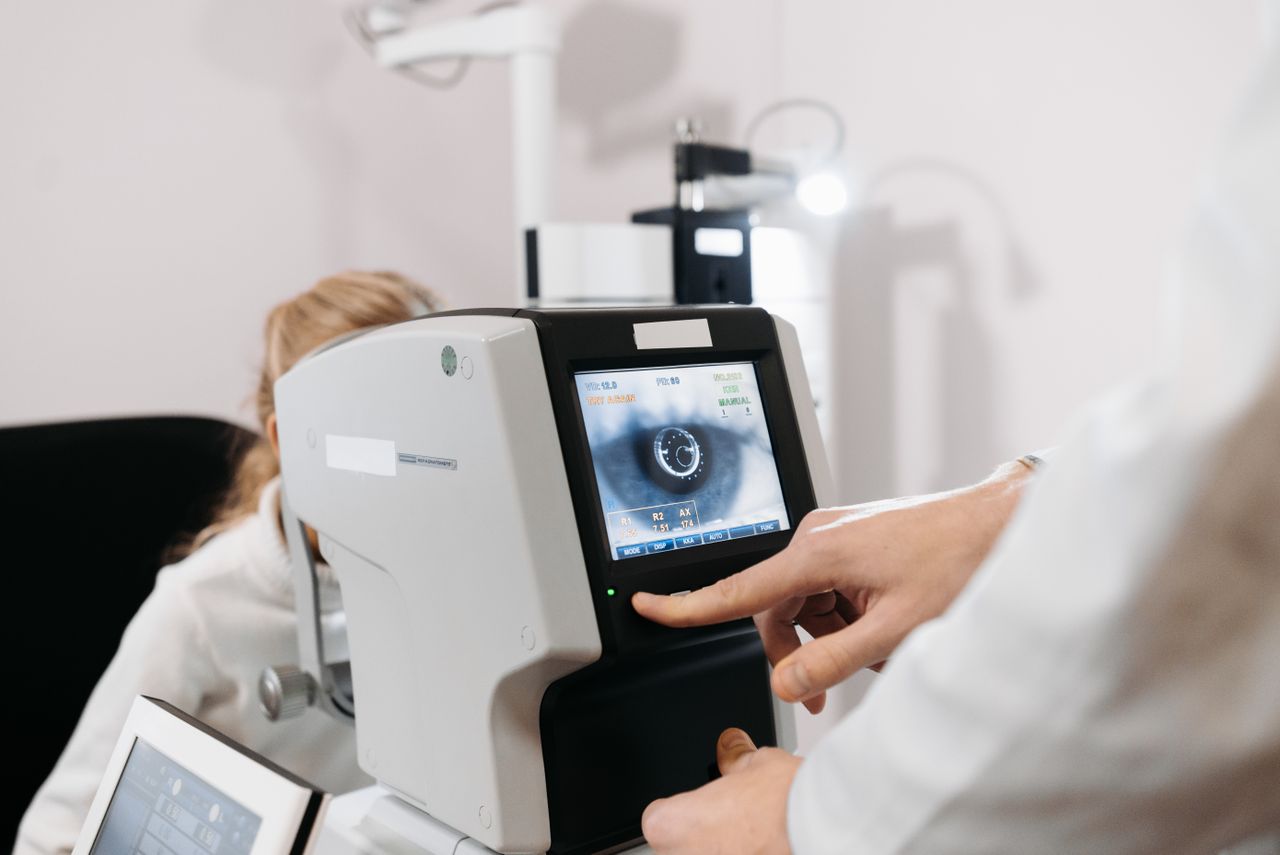
How do high-quality exam room supplies support better patient outcomes? Sterile, expertly manufactured instruments reduce the chance of infection and allow practitioners to operate with increased efficiency and precision. Sturdy exam tables, precise blood pressure cuffs, and simple thermometers all assist physicians in catching issues early. When everything works right and stays right where it belongs, staff can spend less time hunting down implements and more time visiting with patients. Smooth surfaces and robust construction facilitate cleaning, which reduces the risk of bacteria transmission. To illustrate how these little things make big care, the sections below detail which exam room supplies have the biggest impact and how thoughtful selections benefit patients and clinics alike.
Key Takeaways
- High-quality exam room supplies directly improve patient outcomes by enabling accurate diagnostics, reducing infection risks, and supporting patient safety through advanced design and reliable materials.
- When you invest in equipment and furnishings that are built to last and can be easily maintained, you save money in the long run, reduce replacements, and streamline operations for physicians.
- Using modern exam room supplies with antimicrobial materials, ergonomic design, and integrated digital tools supports streamlined provider workflow, minimizes errors, and fosters collaborative healthcare teams.
- These thoughtfully designed exam rooms with comfortable furnishings, privacy features, and calming aesthetics develop patient trust, reduce anxiety, and improve perceived care quality in both patients and caregivers alike in all populations.
- Continued staff education, transparent communication, and efficient exam room supply organization foster safe, effective, and patient-focused care while bolstering staff happiness and retention.
- Constant review of material science, regulatory compliance and user feedback informs our strategic choice of supplies to assure that our products are up to global standards and the changing needs of the clinic.
The Direct Impact Of Quality Supplies
Quality exam room supplies significantly influence the overall healthcare experience and patient outcomes. When medical instruments function as intended within the exam room design, they enable healthcare providers to deliver superior care, enhance patient interaction, and foster confidence in the facility. Properly positioned and maintained supplies contribute to improved patient experiences and reduced costs in healthcare settings.
1. Enhanced Diagnostic Accuracy
Accuracy in exam tools like digital stethoscopes, sphygmomanometers, and otoscopes translates to more precise readings and fewer errors, ultimately improving the overall healthcare experience. Top-notch gadgets provide sharper information, which can detect problems at an early stage. When you choose supplies that meet world medical standards, you’re supporting the health of all patients. Clinics with innovative exam room designs help healthcare providers work efficiently and safely, enhancing both workflow and clinical outcomes.
2. Reduced Infection Rates
Antimicrobial coverings on surfaces and medical exam tables significantly reduce the propagation of bacteria and viruses. Supplies that are easy to clean, such as smooth plastic trays or disposable covers, contribute to effective exam room design by making adherence to cleaning guidelines simple and fast. When outpatient exam rooms are arranged for rapid disinfection, healthcare providers can help combat infection risks and safeguard both staff and patients.
3. Improved Patient Safety
Safety rule-compliant supplies, such as reinforced exam tables and FDA-approved equipment, prevent accidents in modern healthcare settings. Comfort-designed seats relieve tension for patients and personnel, enhancing the overall healthcare experience. Easy-to-see labels and cleanly organized supply closets contribute to effective exam room design, reducing the likelihood of mistakes. Clinics that educate staff on tool quality report fewer errors and improved patient care.
4. Greater Procedural Success
When it comes to the quality of care in modern healthcare, the supplies have a direct impact. Utilizing smart tools such as portable ultrasound or wireless monitors increases the standard for precision in healthcare settings. Shared supply systems enhance collaboration among care providers, and feedback on how exam room devices perform helps clinics keep improving.
5. Better Data Integration
Digital tools that simplify patient data collection and sharing accelerate care delivery in modern healthcare. Computers in exam room design enable doctors and nurses to communicate and collaborate in real time. By connecting health records directly to exam instruments, patient information remains comprehensive and current, supporting the overall healthcare experience and ensuring nothing slips through the cracks.
Elevating The Patient Experience
Premium exam room materials define how patients experience and communicate during a visit. A contemporary outpatient exam room that appears sanitary and uncluttered not only enhances exam room aesthetics, it inspires confidence, reduces stress, and optimizes healthcare providers’ efficiencies. Great design decisions facilitate patient-centered care, turning the exam room into a space of comfort, privacy, and dialogue.
Enhanced Patient Comfort
The exam room design plays a crucial role in patient comfort, particularly with height-adjustable tables that accommodate any body type and ability. Such features, along with adequate padding, ensure that patients, especially those with limited mobility, feel safe and secure. Unfortunately, many clinics overlook the importance of accessible tables and scales, which can lead to discomfort during medical visits.
Incorporating soft seating, calming artwork, and neutral wall colors into the exam room aesthetics can significantly reduce stress levels. These thoughtful design elements help ease anxiety, particularly in spaces that might otherwise feel cold or overly clinical. By minimizing clutter, patients can relax more easily during their appointments.
A spacious layout allows patients to move freely and store their belongings comfortably. Cramped configurations can create tension during visits, whereas open designs foster better patient interaction between caregivers and patients. Additionally, adjustable lighting options create a welcoming atmosphere and assist caregivers in providing care without harsh glare, ultimately enhancing the overall healthcare experience.
Strategies for Enhancing Patient Comfort and Satisfaction:
- Use exam tables that adjust for accessibility and comfort.
- Add soft chairs, art, and plants for a homelike feel.
- Keep spaces free from clutter to reduce distractions.
- Let patients control lighting or temperature for more comfort.
Patient Confidentiality
Soundproofing exam room walls or doors is a necessity. It keeps conversations confidential, which is critical for trust. Many patients fret about being overheard, and good sound control helps soothe those fears.
Room design counts. By keeping furniture and exam tools out of direct line of sight, it helps patients feel less exposed. Curtains or movable dividers can provide privacy without shutting in the room.
Staff training is equally important. Teams should be trained on how to secure patient data throughout the entire process, from intake to follow-up.
Patient-Provider Interaction
Clear signage and easy-to-understand charts assist patients in anticipating the process. Visual aids decode information and empower patients at every literacy level.
With interactive screens or tablets, patients can participate in the procedure, inquire, and witness results as they happen. Patient portals that deliver test results and care plans keep the information flowing after the visit.
Open talk is the pulse of care. Rooms that eliminate distraction allow patients to open up, creating confidence and improving results.
Optimizing Provider Workflow
Premium exam room supplies and well thought-out exam room design directly influence provider workflow, eliminating steps and providing more time for them to spend with patients. The right tools in the right place can help eliminate wasted time, reduce stress, and bring the emphasis back to care. Expertly designed healthcare spaces and mobile technology enable providers to maintain eye contact, share screens, and engage patients throughout the visit.
Comfort-Focused Layout
Ergonomics is important for provider health and patient care. When exam rooms have lumbar support chairs, adjustable exam tables, and equipment at the proper height, clinicians can work longer without pain. With adjustable seating and tables, providers can care for toddlers, adults, or wheelchair-bound patients, all in the same room. Good posture helps keep providers focused and reduces long-term injury risk.
Best practices for ergonomic design in exam rooms:
- Choose furniture that supports neutral posture
- Place computers and screens at eye level
- Use height-adjustable tables and seating
- Allow enough space for movement around equipment
Process Efficiency
An intelligent room design reduces unnecessary steps and allows providers to flow naturally from one activity to another. When supplies are quality and always stocked, setup and cleanup are quicker, which makes it easier to see more patients. Mobile computers, particularly large-screen laptops, enable you to display charts, review results, and update notes either during or between visits. Some providers like to complete notes immediately, while others prefer to do so later, therefore, flexibility is essential. Inventory systems monitor supply levels to prevent last-minute delays.
High-impact technologies for workflow improvement:
- Mobile computing carts
- Wireless barcode scanners
- Automated supply cabinets
- Electronic health record (EHR) systems with touch input
Workflow Organization
See-through storage and color coding of bins make supplies easy to locate and reduce mistakes. Pre-visit checklists help the team ensure that nothing is overlooked. Tidy rooms encourage teamwork because you all know where to find what you need. Shared resources mean less duplicated effort.
Checklist for organizing exam room supplies:
- Store common tools and disposable items in labeled bins
- Utilize color codes for quick identification of supply types.
- Place mobile computers on charging docks for fast access
- Stock- Review at the start and end of the day
- Build a must-have list for each type of appointment.
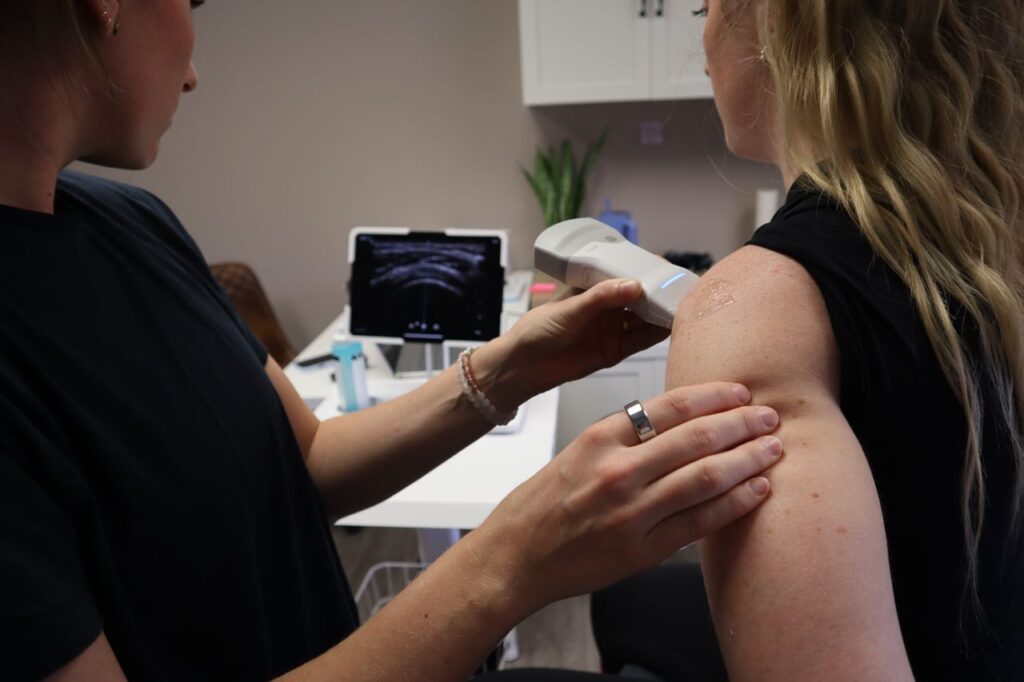
The Psychology Of The Exam Room
Exam room design and supplies don’t just fill space, they form patient perceptions and affect clinical outcomes. Design elements such as colors, lighting, materials, and the quality of medical exam tables can change how patients feel and act. A great environment fuels the Quintuple Aim by connecting patient experience, provider satisfaction, and health equity to improved outcomes-driven care.
Trust Development
An inviting exam room design, featuring soft lighting and dulcet hues, can mitigate anxiety and establish an upbeat mood for patient visits. When patients are relaxed, they’re more prone to open up about their actual anxieties and engage in their treatment. Open, empathetic communication by specially trained healthcare providers builds on this foundation, helping patients feel heard and respected. High-quality supplies, such as clean instruments and comfortable medical exam tables, speak volumes about professionalism and care for safety. This transparency, in both the room design and in provider behavior, breeds trust, making patients more receptive to direction and more apt to comply.
Anxiety Relief
Minimal transformations in the environment, muted paint colors, overstuffed chairs, and natural light, can significantly affect exam room design and patient experiences. An aesthetic environment can help slow breathing and reduce heart rates, thus aiding the healing process. Healthcare providers who use gentle words and explain each step of the care process, instead of rushing through procedures, can alleviate patient anxiety. Relaxation support, from deep breathing reminders to quiet waiting rooms, plays a crucial role. These small design elements, like setting clear expectations or allowing time for questions, empower patients in an intimidating healthcare setting.
Perceived Care Quality
The exam room design you offer doesn’t just serve a utility function, it significantly influences how patients evaluate their care. Sterile, up-to-date instruments and organized trays exude a clinic’s dedication to quality and protection, enhancing the overall healthcare experience. A neat, professional setting can make a patient more confident and willing to believe in the provider’s knowledge. Feedback forms or suggestion boxes demonstrate that the clinic cares about improvement. Staff who treat patients with kindness and respect can transform a routine visit into an uplifting experience, encouraging patients to adhere to care plans.
A Strategic Financial Investment
In healthcare, strategic financial investment focuses on long-term returns, seeking to optimize cost, quality, and patient outcomes. Decision-makers consider financial, technical, and clinical aspects, involving various stakeholders such as surgeons, healthcare providers, and financial analysts. Smart investments in exam room design and quality exam room supplies not only reduce risk but also enhance efficiency and clinical success. Below, we consider how this aligns with improving overall healthcare experience.
The Durability
Exam room supplies crafted with durable materials are essential for modern exam rooms, standing up to everyday wear. For instance, stainless steel carts do not rust or get damaged, while high-grade plastics do not crack. This thoughtful design decision cuts down on regular replacement, ultimately saving healthcare providers time and money. Scheduled check-ups and cleaning are just a few of the ways that routine maintenance helps medical equipment, including simple exam tables and diagnostic devices, last longer.
A smart financial investment, hardy furnishings like antimicrobial stools and seamless countertops are designed to hold up in busy healthcare settings where wear and tear are common. Checking warranties and service agreements pre-purchase offers peace of mind and mitigates unplanned expenses. This often indicates that the product is built to last, backed by the vendor, and contributes positively to the overall healthcare experience.
Lasting Value
The return on investment for quality exam room supplies begins by looking beyond the sticker price. The real worth comes through in terms of years, with fewer breakdowns and less downtime. Better tools and furniture significantly improve the exam room layout, allowing staff to work faster and see more patients per day. This not only increases income but also reduces the error risk associated with inferior equipment. When exam room aesthetics feel secure and fully provisioned, patient satisfaction rises, fostering confidence in the care delivered. Prioritizing quality in purchasing decisions cultivates a culture of excellence.
| Investment Area | Upfront Cost (USD) | Avg. Lifespan (years) | Replacement Rate | Long-Term Savings (USD) |
| Basic Supplies | $1,000 | 2 | High | $0 |
| Quality Supplies | $2,000 | 7 | Low | $3,500 |
Staff Retention
A nice, well-stocked, and comfortable office significantly enhances provider job satisfaction, especially in healthcare settings. Ergonomic chairs, robust lighting, and dependable diagnostic tools contribute to effective exam room design, easing daily tasks and reducing burnout. Supplies that facilitate efficient workflows help stave off burnout, a mythical beast of healthcare. Employees stick around when they feel listened to and appreciated, fostering a nurturing office atmosphere that supports quality tools and active training.
Navigating Supply Selection
Choosing quality exam room supplies is about more than purchasing what’s convenient, it requires a methodical process that considers safety, utility, and the integration of exam room devices into care. Designers ensure that supplies align with the clinical work, which is essential for modern exam rooms. Evaluating supplier expertise and product choices is crucial, as is involving the personnel who utilize them to enhance patient interaction. This flow must account for physical space, pre-visit steps, and wrap-up needs, as layout and device mobility frequently dictate the overall healthcare experience.
The Material Science
Material selection is crucial in healthcare, particularly regarding exam room design. It’s essential for patient safety and ensuring that products adhere to rigorous standards. For instance, non-porous surfaces protect against infection, while hard plastics and metals can withstand rigorous sanitization. Easy-to-clean exam tables and chairs minimize maintenance and help control infection rates in modern healthcare settings.
Recent advances introduce new substances like antimicrobial coatings and flexible polymers. These innovations seek to render supplies safer and more comfortable. Doctors and nurses want tools that stand the test of time, are easy to use and enable quick sanitization between patients.
Green alternatives are popular. With the use of recyclable or biodegradable materials, clinics can help meet global sustainability goals while enhancing the overall healthcare experience. This transition sustains the environment over time without sacrificing product performance.
Clinical Regulations Compliance
All supplies must comply with local and international health regulations, including ISO, WHO, and national safety marks, to ensure modern exam rooms meet the specific needs of healthcare providers. Staying on top of the shifting laws is an ongoing task.
| Standard/Body | Focus Area | Example Requirements |
| ISO 13485 | Quality management | Documented processes, audits |
| CE Mark (EU) | Safety | Risk assessment, labeling |
| FDA (USA) | Device approval | Performance, safety reports |
| WHO Guidelines | Infection control | Material safety, hygiene |
User Feedback
Staff input guides supply decisions. Healthcare workers know what works and what obstructs. A mobile computer, for example, tends to be perceived as superior in terms of screen sharing and patient connection. A few formats assist with screen sharing. Others make it difficult to interact.
Such open discussions of what facilitates or impedes care, be it unwieldy laptops or difficult-to-steer carts, provide essential perspective. This feedback guides smarter shopping. It aids clinics in navigating provider preferences, patient comfort, and efficient visits.
Final Remarks
High quality exam room gear does more than check a box. Smart tools aid care. They help staff work quickly and easily. Clean, robust supplies reduce stress and errors. When the room looks sharp and stocked, patients feel safe and cared for. Even little things, like durable exam gloves and sharp labels, leave a lasting impression. Smart clinics that select smart exam room supplies receive payback over time, with less waste and errors and happier patients. To choose the right equipment, consider what assists staff and patients. Focus on quality, not just price. Exchange victories and anecdotes with your peers. Be smart, keep studying, and advocate for what works. Your decisions drive care daily.
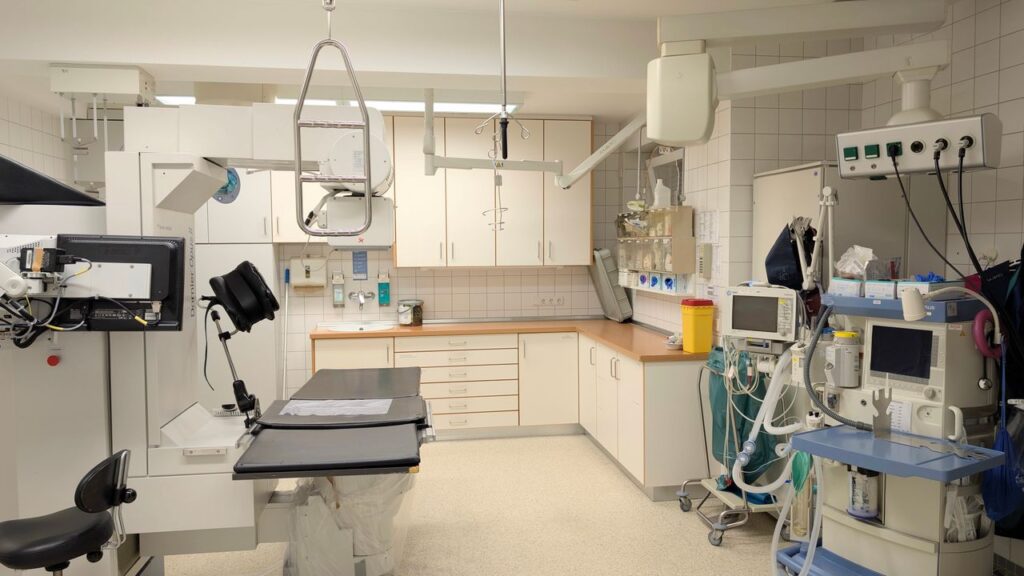
Frequently Asked Questions
1. How Do High-Quality Exam Room Supplies Improve Patient Outcomes?
Quality supplies assist in providing precise diagnoses and enhancing exam room design, minimizing infection hazards while establishing a secure atmosphere that leads to healthier patients overall.
2. Why Does The Quality Of Exam Room Supplies Matter For Patient Experience?
Premium supplies in modern exam rooms enhance comfort, safety, and reliability, leading to improved patient experiences and greater satisfaction with their healthcare interactions.
3. How Do Exam Room Supplies Affect Provider Workflow?
Dependable supplies enhance exam room design, allowing providers to operate more effectively, decreasing downtime and enabling efficient patient appointments.
4. What Is The Psychological Impact Of Quality Supplies In Exam Rooms?
Fresh, functional exam room designs and updated supplies can assist in minimizing patient stress, enhancing overall healthcare experiences by communicating professionalism and care.
5. Are High-Quality Exam Room Supplies A Good Financial Investment?
High grade exam room design helps you keep people alive, resulting in healthier patients and cost savings.
Improve Patient Outcomes With Reliable, High-Quality Exam Room Supplies
Better patient outcomes begin with dependable exam room supplies that healthcare professionals can trust every day. From accurate diagnostic tools and durable exam tables to sterile disposable products and infection-control essentials, high-quality supplies help providers deliver safer, more efficient care. Reliable equipment minimizes the risk of errors, supports accurate diagnoses, improves patient comfort, and streamlines clinical workflows, allowing staff to focus on what matters most—providing exceptional care. Investing in quality products also reduces downtime, lowers replacement costs, and helps maintain a clean, compliant healthcare environment.
At Merit Pharmaceutical, we provide premium exam room supplies designed to support healthcare providers in delivering consistent, patient-centered care. Our dependable products meet rigorous quality standards while helping clinics improve operational efficiency, strengthen infection prevention practices, and enhance the overall patient experience. Whether you’re upgrading your current inventory or building a more reliable supply strategy, our team is ready to help you find the right solutions to keep your exam rooms fully equipped and your patients receiving the highest standard of care.
Disclaimer
The information provided on this website is intended for informational and educational purposes only. It is not a substitute for medical advice, diagnosis, or treatment, and should not be relied upon as such. Healthcare professionals should always use their own clinical judgment when selecting and administering medical products. Patients should consult with a qualified healthcare provider regarding any specific medical condition or treatment.
While we strive to keep product details and information current, Merit Pharmaceutical makes no guarantees as to accuracy, completeness, or applicability to your particular situation. Do not act or refrain from acting solely based on information from this site without seeking appropriate medical or professional guidance. To the fullest extent permitted by law, Merit Pharmaceutical disclaims all liability for any decisions or actions taken based on the contents of this site.