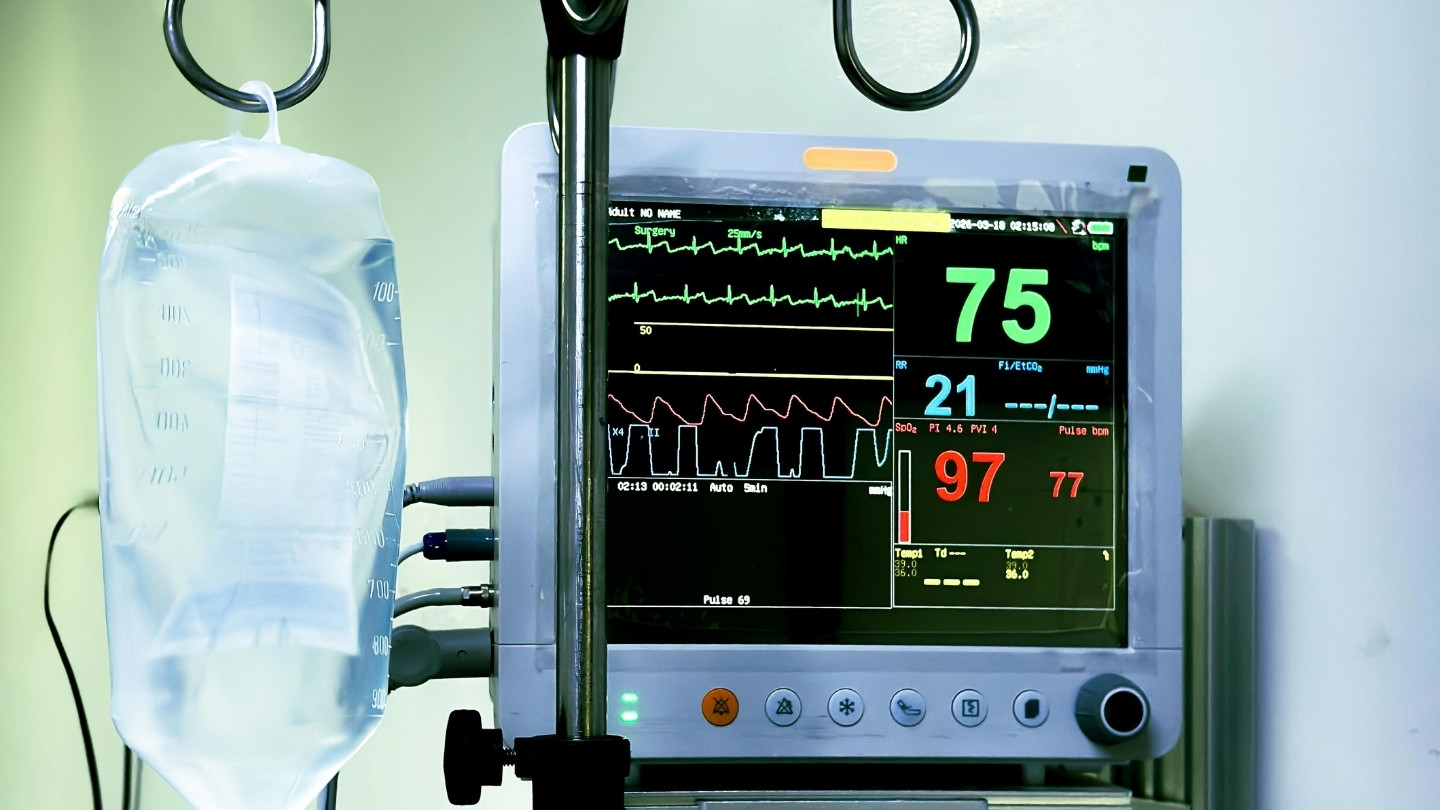

What exam room supplies do procurement officers most often overlook? Small single-use items like disposable otoscope covers, alcohol swabs, tongue depressors, and extra exam gloves frequently fall off the standard supply lists. These basics can run out fast in busy clinics, leading to delays and frustration. Too many offices neglect to check for paper for exam tables, penlights, or batteries for handheld tools. Keeping spare biohazard bags and extra wipes is an easy way to stay prepared to clean exam rooms after every patient. To help teams track these items, the next section decomposes a checklist that assists clinics in preventing stockouts and keeping work flowing seamlessly. Read on to find out what to tick off every month.

Key Takeaways
- Procurement officers often overlook essential exam room supplies such as ergonomic seating, storage solutions, and compliant furniture. These items are critical for patient comfort and accessibility in global healthcare environments.
- Smart curation of diagnostic tools and ancillary equipment, ranging from otoscopes to vital monitors.
- Ergonomic workstations and mobile medical carts can alleviate staff strain and increase clinical and administrative productivity.
- Even in a varied clinical environment, keeping a sufficient inventory of these specialized consumables and infection control products is a prerequisite to safe and uninterrupted patient care.
- Gaps in supply selection often stem from communication breakdowns, turnover, and budget limitations. Clinical staff and procurement teams must work closely.
- From good inventory management to regular audits and transparent supplier relationships, these are actionable strategies that help prevent supply shortages and power ongoing healthcare operations.
Overlooked Exam Room Supplies
So many essential accessories for medical examination rooms that affect patient and staff experience are overlooked during procurement. These overlooked healthcare equipment can be a big deal in terms of day-to-day functioning, cleanliness, and patient experience. Below we outline some of the harder to plan for and frequently overlooked medical supplies.
1. Patient Care Comfort
Comfortable chairs, adjustable exam tables and bariatric chairs are frequently overlooked. Adjustable stools and patient chairs accommodate different body types, including bariatric needs, which helps make the space more inclusive. Ergonomic designs in furniture, such as chairs with back support, assist patients in relaxing and maintaining dignity, particularly for pediatric or geriatric populations.
Lighting and temperature controls are key and often overlooked. Ample lighting, both natural and artificial, may decrease patients’ anxiety and assist clinicians in conducting comprehensive exams. Temperature control creates a warm environment with blankets and pillows for personalized comfort during procedures. Small touches like these are big contributors to patient satisfaction and they slip through the cracks of a typical purchasing list.
2. Employee Ergonomics
Adjustable workstations and mobile medical carts can simplify clinicians’ workflow. Ergonomic chairs and desks with lumbar support are crucial. They’re eclipsed by shiny stethoscopes and the like. Clinician fatigue is real and the ergonomic choices we make help minimize strain and injury.
Exam room layout makes a difference. Strategically locating work surfaces, storage, and diagnostic tools reduces busy work. This increases staff productivity and conserves staff energy. Staff comfort is frequently overlooked and deemed a ‘nice-to-have,’ but it really affects not only productivity but care.
3. Secondary Diagnostics
Things like otoscopes, ophthalmoscopes, and modular vital sign monitors tend to be under-prioritized. Mobile diagnostic units accelerate subsequent evaluations, minimize waiting, and enhance precision.
Keeping these tools within reach is essential. Delays occur when basic equipment is housed elsewhere. Training staff to use specialty diagnostic equipment improves clinical outcomes.
4. Administrative Aids
EHR and security access devices are fundamental but occasionally overlooked in healthcare settings. Basic office equipment, like scanners and printers, assist with daily tasks in medical offices, while mobile tablets or computers accompany documentation at the patient’s side for efficient medical examinations.
5. Specialized Consumables
Filling gloves, masks, and sterile medical supplies is crucial for infection control in healthcare settings. Disposable covers for keyboards or reusable gadgets are often dismissed, yet they are essential accessories for sanitization. Antimicrobial materials and easy-clean surfaces help reduce cross-contamination risks in medical examination rooms.
Why Supplies Are Missed
Most exam rooms miss essential supplies due to holes in how they are picked and tracked. The fundamental issue begins with inventory management. A lot of systems don’t indicate what’s actually on the shelf, so healthcare professionals end up having to look twice before they can restock what’s absent. This can cause items like disposable gloves, sterile swabs, or tongue depressors to be overlooked during inventory. Human error, such as forgetting to restock or miscounting, exacerbates the issue, particularly when staff operate at a fast pace or are spread thin across multiple healthcare settings.
Healthcare administrators face difficult decisions as they juggle tight budgets with the requirement for top-notch medical equipment and supplies. They tend to select the expensive items first, blood pressure cuffs, diagnostic sets, while little but necessary things like cotton balls, alcohol swabs, or even exam table paper fall through the cracks. Limited storage space in exam rooms typically leads to only the most commonly administered supplies being kept in stock. This often causes the oversight of less obvious necessities, such as replacement batteries for otoscopes or additional specimen labels. Additionally, theft is a concern, only a few packs of higher-value items, such as medication samples or syringes, are maintained, which reduces waste but may lead to occasional stockouts at inopportune moments.
High turnover among purchasers is another significant culprit. New staff may not know which items are fast-moving or seasonal. They might not have the time for deep training in inventory systems, particularly if those systems are outdated or difficult to use. Periodic review policies, like employing a two-bin system, are popular but require careful monitoring. If bins aren’t checked in time or the counts are off, consumables such as wound dressing kits or disposable gowns can run out before anyone realizes, impacting the functionality of medical practices.
Communication breakdowns also contribute to the issue. Clinical staff may not clearly explain to procurement officers what items will be used up quickly or what changes occur with new treatments. If procurement doesn’t receive timely feedback or if requests aren’t recorded accurately, essential accessories like specialty syringes or specific diagnostic strips might not get included in the upcoming order. Combined with inadequate tracking tools and insufficiently trained staff, these gaps result in missed supplies being a common problem in healthcare organizations.
The Ripple Effect
Forgotten exam room supplies can appear to be a small thing, their absence frequently initiates a ripple effect throughout the entire clinical workflow. This ripple effect, a phrase from supply chain management, explains how a minor disruption can travel along the system and come to have a far greater impact. Unlike the bullwhip effect that’s primarily focused on changes in demand and lead time, the ripple effect begins with missed items and then ripples out to impact patient care, staff productivity, and even the clinic’s revenue. In healthcare settings, the availability of essential accessories like medical supplies is crucial for smooth operations.
When basic needs like disposable gloves, otoscope covers, or wound dressings are not available, patient wait times can soar. Staff have to pause to search for substitutions or call in urgent refills, dragging down visits. Eventually, patients observe longer waits, which damages satisfaction and trust in the clinic. A lack of paper exam table covers, for example, can cause staff to wipe down between patients more frequently, adding minutes to each visit. In high-volume environments, where medical examination rooms are busy, a minor supply glitch can pile up quickly, creating packed waiting rooms and exasperated patients.
Missed supplies can put patient safety at risk. When there aren’t enough clean scalpels or disinfectant swabs, infection rates go up. A shortage of diagnostic systems means missed or delayed diagnoses. For instance, if tongue depressors go out, providers might have to get creative or omit parts of an exam, reducing the quality of care. This isn’t just annoying, it can have actual health implications, particularly in settings where infection control is paramount.
The economic effect is just as tangible. Emergency orders for forgotten supplies have rush shipping fees and increased per-unit costs. Over time, these expenses accumulate, straining already stretched budgets. Studies find that supply interruptions impact a clinic’s revenues for years, with stocks dropping as much as 40 percent over three years. These expenses pale in comparison to the cost of maintaining a well-equipped supply closet filled with essential medical equipment.
Supply shortages mess with the flow as well. Employees dedicate more hours to inventory and less to patients. This can cause burn-out and mistakes. Without solid schedules or reserve inventory, characteristics of robust healthcare organizations, the clinic remains vulnerable. Simulation and risk mitigation can help, but most medical practices don’t have these tools or plans in place to address their clinical needs effectively.
The Frontline Perspective
It’s clinicians who experience these supply list gaps right there on the frontlines of patient care. They miss small, yet critical things, like disposable otoscope covers, additional blood pressure cuffs in different sizes, or sufficient medical supplies. These might not seem like life-or-death resources from afar, but their absence can delay medical examinations, necessitate workarounds, or even threaten cross-contamination. For instance, not having the appropriate swab causes delays in strep testing, which can result in unnecessary antibiotic use. This easy oversight connects quite directly to quality care and cost management. Eliminating unnecessary tests and staying on evidence-based guidelines helps reduce waste and can prevent bad practices, like prescribing medications when a strep test is negative.
Open conversation between doctors, nurses, and the purchasing team is critical in healthcare settings. When staff feel heard, they are more likely to flag missing basics, extra exam gloves, tongue depressors, or sharps containers that fill up too fast. It is that kind of feedback that creates a superior stock list for medical practices. It prevents delays in ordering an image or test, which can escalate expenses and reduce quality of care. For example, a well-stocked examination room leads to less chance of a readmission for a missed lab or late scan. Recent work demonstrated that real-time input from staff can help reduce MRI and CT scan rates by more than 20 percent, just by ensuring what’s needed is available and not wasted.
Clinician input influences what’s purchased and how much. It’s not simply the difference between sufficient gauze or sufficient syringes, but the difference of recognizing which protocols work and which don’t. Involving frontline workers in supply talks can help illuminate tools for best outcomes, whether it’s fracture risk tools for osteoporosis or barcode systems for safe drug delivery. These steps, supported by strong process checks, result in superior care, significant cost savings, and reduced risk of mistake. Engaging staff in supply decisions saves surgical lives and reduces errors in clinical environments.
A robust, transparent team culture guarantees that what’s purchased aligns with what’s utilized. This sidesteps bias, keeps care equitable, and prioritizes patient safety in healthcare organizations.
Proactive Procurement Strategies
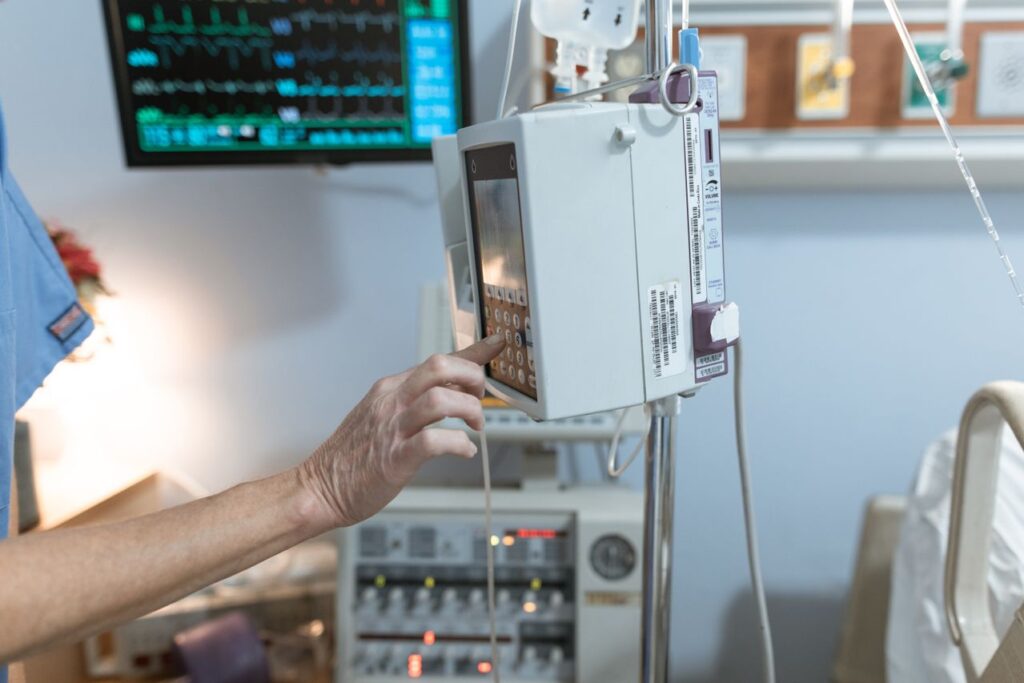
Proactive procurement breaks the destructive habit of purchasing healthcare equipment only when it’s absent. It means taking the long view, collaborating, and anticipating problems before they escalate. This approach helps keep examination rooms stocked, safe, and ready for care while slashing surprise expenses by identifying shortfalls in advance.
A great place to start is by creating a robust inventory management system that monitors medical supplies in real time. Digital or even simple barcode-based systems can track what is consumed, the rate at which it’s depleted, and which rooms require resupply. This early warning averts shortages, assisting teams in identifying patterns, such as if exam gloves or disposable gowns are depleted faster in certain clinical environments. Once you understand how these essential accessories are utilized, you can strategize restocks and save by purchasing in bulk or on sale.
Regular audits are key for seeing what’s missing or close to expiring. These reviews should look for both the obvious, like gauze pads or examination table paper, and the less obvious, such as hand sanitizer refills, biohazard waste bags, and penlights. Audits detect if some brands or models of medical equipment are failing safety regulations, resulting in fines or hazards to patients and staff.
A solid checklist simplifies the process of thinking ahead. This list must be tailored to the medical practice type, patient requirements, and local regulations. For instance, a pediatrics clinic will require smaller blood pressure cuffs and kid-friendly tongue depressors, whereas an urgent care may need more wound care kits and disposable thermometers. It should be very specific, identify not only the item but the sizes, brands, and quantity per room.
Forming relationships with vendors over time allows healthcare organizations to stay on top of new offerings, pricing shifts, and trends. More than just picking the lowest bid, clinics can negotiate with vendors for discounts, priority delivery, and early information on new regulations. Good supplier links imply that both sides can plan proactively, minimizing risk and reducing costs in the long run.
The Supplier’s Role
Suppliers aren’t simply stocking medical supplies for exam room needs. They frequently define the entire journey, from procuring basic supplies to enabling optimal use of clinical instruments. Strong connections with Merit Pharmaceutical keep supply chains working smoothly and reduce the danger of running short of essential supplies. If your distributor has solid relationships, clinics can rely on reliable shipments of fundamentals like gloves, swabs, and disposable tools, things that often get overlooked in bulk orders but are still required every day.
They play the role of a supplier by providing training and support for the usage of healthcare equipment and supplies. This is crucial for tech-evolving products, such as digital thermometers or diagnostic software. If a supplier provides strong training, employees are less likely to abuse products or avoid necessary audits. Suppliers may need to create software, test it, and distribute manuals. These guides can be produced offshore, which occasionally results in them being ambiguous or user-unfriendly. When that occurs, the risk of errors increases. A supplier who cares will provide excellent support and keep users informed.
Partnering with suppliers on custom solutions assists clinics in filling unique needs. For instance, a small pediatric clinic might require child-sized blood pressure cuffs, or a rural practice might desire more rugged tools. Suppliers come up with ideas, but other times clients choose their own path. This causes custom builds with hidden issues. A qualified supplier can identify risks and hold things together even when the deadline is tight or the deal is fixed-price. In other scenarios, suppliers may endure long weeks and hard targets and be penalized if they miss milestones.
Transparent discussions with vendors foster confidence and result in smarter procurement decisions. When suppliers are transparent about costs, timelines, and service limitations, clinics can prepare accordingly and stay out of unpleasant surprises. It’s true that some suppliers don’t want to use SLAs, but these deals make it easier to resolve issues if something breaks. Top suppliers can juggle the demands of multiple teams, both within and beyond their own organization, to ensure components arrive on schedule and function as expected.
Final Remarks
It’s the little things in exam rooms that count. Neglected supplies like disposable covers or functioning thermometers impede care and frustrate staff. Nurses identify lapses initially, but they require assistance from purchasers who monitor inventories and adjust orders. Good supply partners, like Merit Pharmaceutical, ensure clinics stay stocked with basics like gloves, wipes, and paper. A clinic that strives to fill these gaps will experience smoother days and less slowdown. Clear steps beat big plans: check lists, talk to staff, and pick strong suppliers. Even tiny tweaks make staff more efficient and patients more comfortable. To maintain care, keep fundamentals available. Got your own exam room stocking tips? Your feedback drives better care for all.
Frequently Asked Questions
1. Which Exam Room Supplies Are Most Commonly Overlooked By Procurement Officers?
Little things like disposable gloves, cotton swabs, disinfectant wipes, and patient gowns are essential accessories that often slip through the cracks. These medical supplies are used every day and can deplete quickly if not inventoried regularly.
2. Why Do Procurement Officers Often Miss Certain Exam Room Supplies?
Procurement officers might be concentrating on high-cost or specialized healthcare equipment, but these everyday medical supplies are often the least urgent and easiest to unintentionally overlook when restocking.
3. How Does Missing Essential Exam Room Supplies Affect Patient Care?
Not having essential medical supplies can slow down care, lead to discomfort for patients, and affect infection control in healthcare settings. Reliable access to healthcare equipment promotes productive, secure, and professional care delivery.
4. What Can Procurement Teams Do To Avoid Missing Important Exam Room Supplies?
Routine inventory audits and vendor checklists in healthcare settings can assist, helping prevent shortages of essential medical supplies.
5. How Can Frontline Staff Help Improve Supply Management?
Frontline staff can rapidly identify and report shortages of essential accessories or changing needs in healthcare equipment. Their hands-on experience ensures procurement officers receive real feedback to adjust ordering habits.
Keep Your Exam Rooms Ready With A Trusted Supply Partner
Keeping every exam room fully stocked starts with paying attention to the small essentials that often make the biggest difference. Items such as disposable covers, alcohol swabs, exam table paper, batteries, gloves, and biohazard bags may seem minor, but running out of them can interrupt patient care, slow clinical workflows, and create unnecessary stress for healthcare teams. A proactive procurement strategy that includes routine inventory audits, staff feedback, and dependable supplier partnerships helps ensure these everyday necessities are always available when they are needed most.
At Merit Pharmaceutical, we understand that reliable exam room supplies are critical to efficient, compliant, and patient-focused care. Our commitment to consistent product quality, dependable inventory, and responsive customer support helps clinics avoid unexpected shortages while simplifying procurement. Whether you’re reviewing your current supply list or looking for a trusted partner to strengthen your inventory management, our team is here to help you keep every exam room prepared for every patient, every day.
Disclaimer
The information provided on this website is intended for informational and educational purposes only. It is not a substitute for medical advice, diagnosis, or treatment, and should not be relied upon as such. Healthcare professionals should always use their own clinical judgment when selecting and administering medical products. Patients should consult with a qualified healthcare provider regarding any specific medical condition or treatment.
While we strive to keep product details and information current, Merit Pharmaceutical makes no guarantees as to accuracy, completeness, or applicability to your particular situation. Do not act or refrain from acting solely based on information from this site without seeking appropriate medical or professional guidance. To the fullest extent permitted by law, Merit Pharmaceutical disclaims all liability for any decisions or actions taken based on the contents of this site.