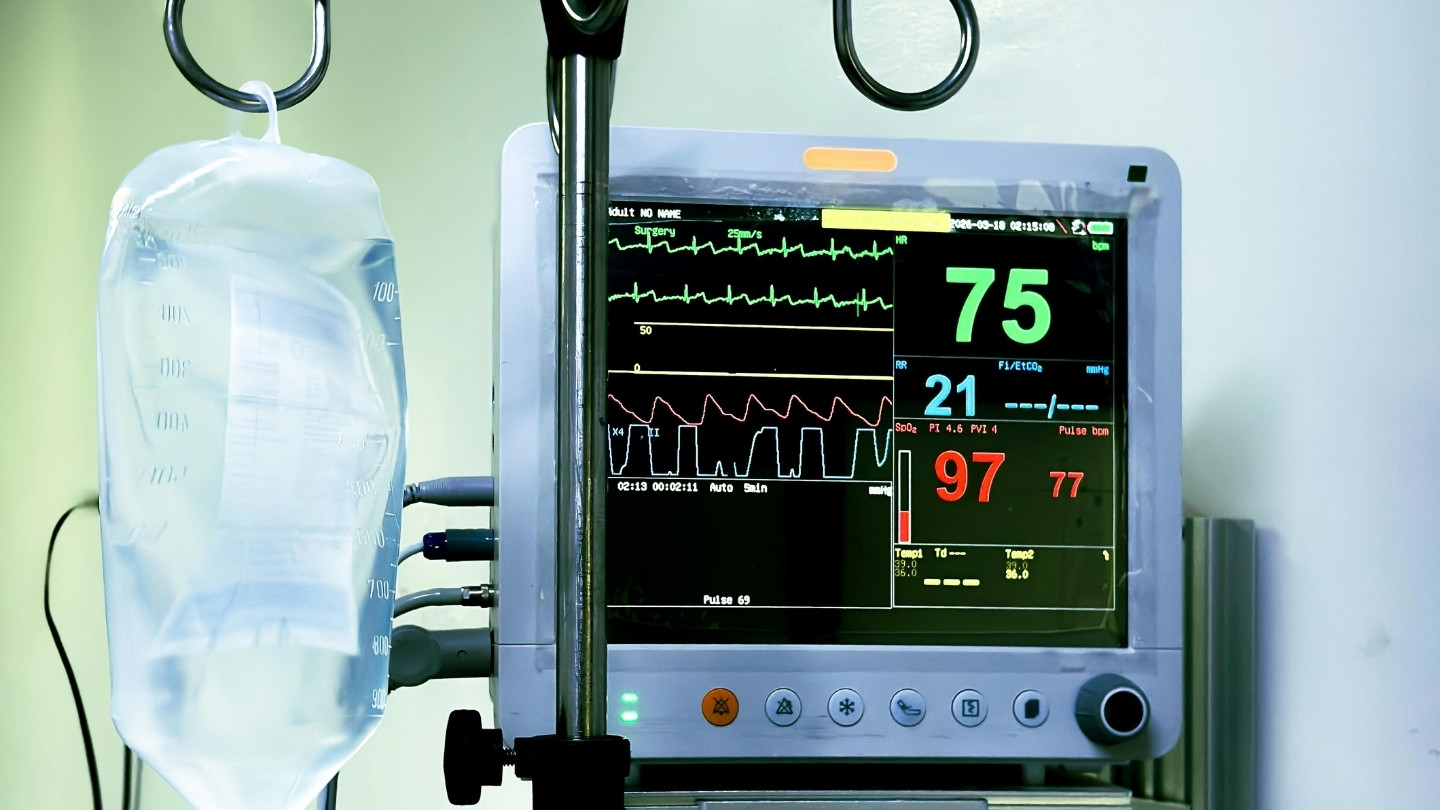

To maintain a dependable supply chain for exam room products, clinics utilize meticulous planning, transparent stock monitoring, and reliable supplier connections. Strong supply chain work means steady delivery of needed items like gloves, swabs, and disinfectants. How can clinics maintain reliable supply lines for exam room products? Strong connections with multiple suppliers provide a fallback if one source dries up. Brief order guidelines assist employees in having stock without wait. With straightforward processes and transparent communication with suppliers, clinics reduce the risk of inventory shortages. In the body of this post, discover essential duties and advice that enable clinics to maintain exam rooms prepared and protected for every patient and employee.
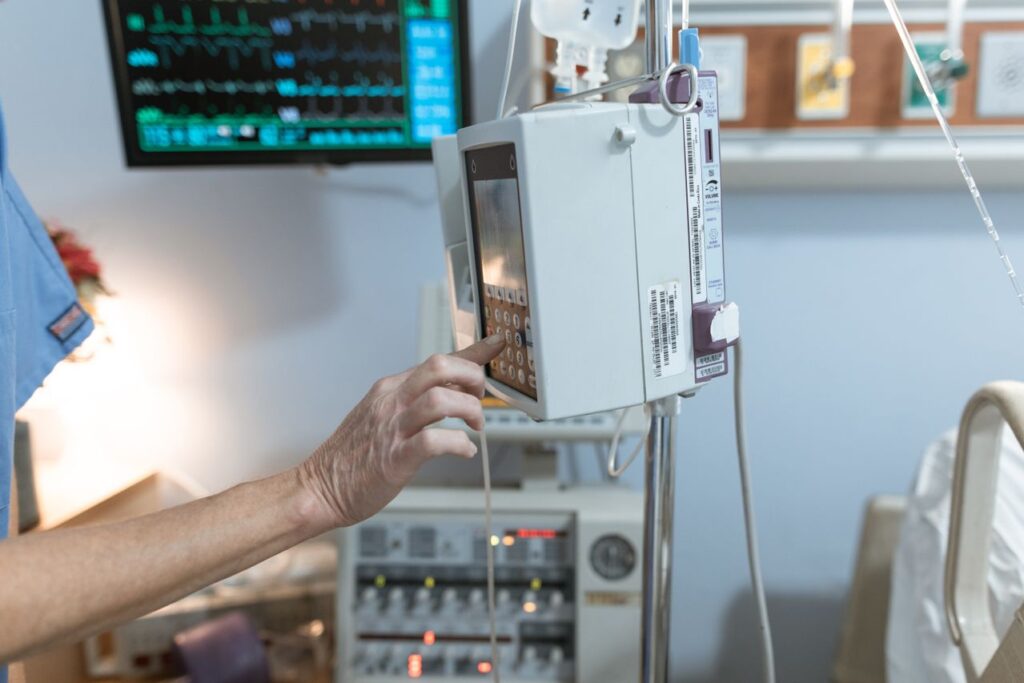
Key Takeaways
- Frequent auditing and flexibility in supply chain processes are crucial to reducing waste and maintaining continuous patient care for clinics. Clinics that take the time to identify potential disruptions before they occur and take steps to resolve them can avoid an impact on operations.
- By cultivating strong relationships with qualified, dependable suppliers and utilizing preferred vendor programs, clinics can optimize supply continuity and quality control for exam room products.
- With the right inventory management and demand forecasting systems in place, clinics can maintain an efficient supply chain that supports exam room products.
- Adopting digital tools like automated inventory software and supply chain analytics increases transparency, accuracy and efficiency in procurement and logistics processes.
- By developing risk management and contingency plans, such as alternative supplier arrangements, clinics can increase their resilience to unexpected supply chain disruptions.
- Cultivating a supply-conscious culture with ongoing staff education, transparent communication, and incentive programs for exemplary behavior makes everyone on your team part of a reliable supply chain.
Rethink Your Supply Chain
Clinic supply chains are stressed, and healthcare supply chain management is crucial to address these challenges. Weak links in the system can lead to real problems such as missed appointments, delayed treatments, and stressed staff. COVID-19 made this clear, revealing how brittle these networks could be. When essential medical supplies or medications start to run low, patient care and workdays both suffer. To maintain smooth, efficient operations, clinics must rethink their exam room supply chain, focusing on effective supply chain management.
Begin by considering the status quo. Trace every stage, from order to stocking, and identify where it bogs or breaks. For instance, see if shipments come in late or you frequently run out of items. These gaps have a way of leading to bigger problems later on. Around 80% of hospitals experienced shortages in 2021, and healthcare supply chain issues were one of the biggest risks in health care last year. With so many components connected, a minor issue in one can derail treatment in another. If a clinic is out of gloves or syringes, patients might be stuck waiting or redirected.
Disruptions sting in ways that extend beyond the clinic doors. They can undermine confidence, delay care, and put patients at risk. Not all shortages are created equal. Some are brief and gentle, while others prolong and intensify. The kind and duration of disruption can alter its impact on work each day. That’s why clinics should reassess the effect these problems have on care and costs. While there’s no magic shield, many clinics discover that investing more up front or reimagining how they purchase and monitor clinical supplies creates a buffer against the next shock.
The key is to learn from others. Healthcare supply chain management leaders know what works and where things can slip. They tend to deploy more real-time visibility tools such as RFID, allowing them to identify issues before they scale. Clinics can speak with these leaders or join groups exchanging tips and information. Rethinking your supply chain is more than just better buys, it requires buy-in from personnel, excellent documentation, and a strategy to scale as requirements evolve. Building a resilient supply chain involves creating systems that can scale up without requiring big new investments, keeping clinics poised for the future. While we don’t have much evidence yet on how well supply tracking keeps patients safe, it’s clear that intelligent, intentional shifts can position clinics better.
How To Fortify Your Supply Chain
To guarantee exam room product flow, clinics need smart, dependable strategies for effective supply chain management. Reliably resilient supply chains are built on solid supplier relationships, sophisticated forecasting, lean medical supply inventory, and resilient technology. The appropriate balance of these elements empowers clinics to confront worldwide demand fluctuations, cost constraints, and healthcare supply chain challenges.
1. Supplier Assessment
Clinics must begin with in-depth audits of every possible vendor within the healthcare supply chain. This means digging into QA, compliance history, and certifications. By weighing supplier performance, such as on-time delivery rates, defect frequencies, and response times, clinics can identify dependable partners for critical products. Implementing a preferred vendor program simplifies purchasing from reliable providers and reduces the chance of bottlenecks in the clinical supply chain management. Contracts require consistent review to ensure terms align with shifting needs and safeguard the clinic’s interests.
2. Demand Forecasting
Sophisticated inventory management systems play a crucial role in healthcare supply chain management by assisting clinics in aligning stocking with patient flow. By analyzing historical patient volumes, clinics can identify patterns or seasonal peaks, steering clear of both shortages and surplus. Collaborating with healthcare providers helps refine these predictions, as they are aware of the clinical supplies their therapies require. Armed with real-time data, clinics can swiftly modify orders and anticipate sudden demand shifts.
3. Inventory Strategy
A transparent inventory management system is crucial for effective supply chain management, preventing spoilage and stock-outs of medical supplies. Smart software scans each item, reducing human error and displaying real-time inventory data. Regular audits catch errors before they escalate, ensuring compliance with healthcare regulations. Clever warehouse configurations, such as vertical racking or barcode tracking, optimize storage and accelerate retrieval when minutes matter, enhancing clinical supply chain efficiency.
4. Technology Integration
Digital supply tools provide clinics visibility into their entire healthcare supply chain. ERPs link supply data with finance and clinical records, ensuring everyone operates from a single set of facts. Automation accelerates the procure-to-pay process, from ordering to supplier payment. Data analytics identify vulnerabilities or opportunities to cut costs, while mobile health and telehealth technology can assist clinics in providing care even when healthcare supply chain issues arise.
5. Risk Mitigation
Every clinic needs a plan for healthcare supply chain management to address supply disruption. Regular risk checks reveal potential breaks in the healthcare supply chain. By having backup suppliers and extra processes in place, care can continue even during a crisis. Contingency plans for key clinical supplies and routine reviews of weak spots help clinics bounce back from setbacks and keep serving patients.
Balance Cost And Quality
Balancing cost and quality in healthcare supply chain management for exam room products requires focused consideration of both factors. Clinics want to monitor important information like unit price, delivery time, and safety scores. The table below shows sample cost and quality metrics for common exam room supplies:
| Item | Unit Cost (USD) | Expediting Time (Days) | Quality Score (1-5) | Safety Approved |
| Disposable gloves | 0.10 | 3 | 5 | ISO 13485 |
| Medical masks | 0.20 | 2 | 4 | EN 14683 |
| examination tables | 200 | 14 | 5 | CE |
| Syringes (5 mL) | 0.15 | 4 | 5 | ISO 7886-1 |
| Gowns (disposable) | 0.50 | 5 | 4 | ASTM F2100 |
Quality assurance (QA) is what’s most important for patient safety and compliance with international standards. In other words, clinics need established protocols to inspect clinical supplies prior to utilization. Requesting safety certification such as ISO or CE marks keeps the emphasis on safe treatment. It turns out, in many countries, cost is what drives supply decisions. When clinics focus solely on price, they can overlook risks that jeopardize care outcomes or compliance. For example, structurally incorporating quality checks into the clinical supply chain helps guard against these risks and supports trust in care even when budgets are tight.
Discounts from reliable suppliers save money. Clinics have to be careful not to exchange quality for cost. Long-term supply contracts, bulk buying, and joint deals with other clinics can reduce costs without sacrificing quality. Consider a hospital group that purchases exam tables for all its branches at one time, they will receive a better price. Each discount requires a careful inspection of the effect on everyday maintenance and patient protection. Involving a team of doctors, buyers, and finance staff in negotiations with suppliers keeps everyone’s needs in mind.
Real-time cost monitoring allows clinics to detect waste or overspending quickly. Local data and hospital-based HTA introduces real data, not just assumptions, about what actually helps the most for the least cost. Research cautions that HTA can become a vessel to simply slash costs, which occasionally equates to shelling out more for equal equipment. Clinics should use feedback from healthcare staff and monitor how changes in buying habits impact cost and quality of care. This combination of reality and collaboration yields optimal outcomes.
Build Resilient Partnerships
Clinics require a regular flow of exam room products to maintain care on course, making effective healthcare supply chain management essential. Robust partnerships keep clinics prepared for anything, from unexpected surges in demand to worldwide scarcities. Working collaboratively with others in the healthcare supply chain can significantly reduce disruptions and ensure that shelves remain stocked with necessary medical supplies.
Developing sustainable supplier relationships is crucial in clinical supply chain management. Trust develops when clinics and suppliers collaborate for years. When a clinic remains loyal to a supplier, it learns about their operations, potential issues, and how to troubleshoot quickly. For instance, a clinic that has sourced exam gloves from the same vendor for five years can identify problems before they escalate into critical shortages. That vendor, in return, is more likely to provide timely updates, share shipment information, or offer reserve inventory. Long-term relationships can lead to more favorable pricing, expedited support, and a lower likelihood of supply chain disruptions.
Frequent communication with supply chain partners is vital for proactive problem-solving. Clinics should establish regular calls and reporting with suppliers, shippers, and other stakeholders in the healthcare supply chain. If a spike in demand or a shipping delay occurs, everyone is informed immediately, allowing the team to respond swiftly. For example, if a port closes due to weather conditions, a quick message can help locate an alternate route. Clinics must maintain open lines of communication with both local small suppliers and large global companies, as each has its own risks and benefits.
Engaging in industry forums is an excellent way to exchange best practices with other healthcare organizations. These communities keep clinics informed about emerging threats and innovative strategies. If a clinic in Europe discovers a new method for tracking shipments, it can share this in a forum, allowing others to replicate that concept and enhance their own clinical supply chain. By participating in these communities, clinics are not isolated when facing new legislation, technological changes, or market disruptions.
Collaborating with logistics partners enhances the reliability of deliveries and improves service quality. Clinics should work closely with those who ship, store, and track their medical supplies. Establishing strict guidelines for delivery times, tracking, and returns helps maintain a smooth flow of operations. For instance, a clinic may request online tracking to know when an order will arrive, preventing last-minute scrambles and ensuring that exam rooms are always available for patients.

Cultivate A Supply-Aware Culture
A supply-aware culture in clinics is where everyone is conscious about how exam room products are stocked, used, and ordered within the healthcare supply chain. It begins with defined policies and common objectives that assist teams in viewing supply chain management as a component of their employment, not mere side work. Clinics that cultivate this mindset can identify gaps early, reduce waste, and maintain medical supply inventory so staff can concentrate on patient care.
Create A Checklist For Staff Training
Training should demonstrate to staff how the healthcare supply chain works and why it’s important. A checklist might include: basics of inventory tracking, reading and updating stock records, standard operating procedures for ordering, understanding expiry dates, and learning how to spot red flags for shortages. Don’t forget to supplement these with lessons on using digital tracking tools, maintaining ordering schedules, and how data quality impacts ordering accuracy. For clinics still on paper or manual updates, training should emphasize why clean, accurate records are important for effective supply chain management. Role-play or scenario-based training can help staff visualize the real effect of missing or late orders.
Encourage Open Communication
Employees should feel comfortable reporting when supplies are low or they notice issues related to the clinical supply chain. Clinics could establish a shared online log or weekly team huddle to discuss inventory management system challenges or shortages. These open discussions help catch errors, such as overlooked orders or inaccurate medical supply inventory counts, before they escalate into major issues. This open line makes it easier to identify trends, like certain products running out earlier than anticipated, so clinics can tailor their orders and prevent waste.
Implement Training On Inventory Protocols
By training an inventory management system culture, you help clinics maintain medical supplies in stock and reduce overhead. Employees must learn the SOPs for ordering, restocking, and rotation of stock. Clinics with robust training experience fewer errors, less expired inventory, and optimized space and budget utilization. Tracking healthcare supply chain KPIs and providing feedback to staff demonstrates how their activities accumulate savings and fewer shortages.
Recognize And Reward Good Practice
Employees who identify healthcare supply chain management issues, conserve resources, or maintain a healthy medical supply inventory moving forward should be recognized. Clinics can establish yearly savings goals, monitor their progress, and provide modest rewards such as a gift certificate or public recognition when teams hit marks. This energizes the troops and helps everyone stay focused on the common objective of a resilient supply chain.
Future-Proof Your Clinic
Healthcare supply chains are complicated and under increasing pressure to comply with regulations while keeping up with the pace of change. Even in 2025, many clinics still experience gaps and slowdowns. Future-proofing your clinic regarding a reliable supply of exam room products starts with smart, flexible planning and digital tools. The answer lies in investing in sophisticated inventory management systems. Cloud-based ERP and AI-driven analytics provide clinics a real-time lens on stock, costs, and trends. They help identify trends, reduce excess inventory, and ensure that medical supplies are available when required. IoT sensors, for example, update clinics on item location and use, helping them avoid both shortages and towers of unused stock. Such configuration benefits the healthcare supply chain by reducing expenses and minimizing waste or items that go past their expiration date.
Staying aware of new trends in healthcare supply chain management helps clinics plan for what’s next. With digital tracking and sourcing going global and rules getting tougher, clinics must future-proof against new risks. Clinics that track trends in data science, automation, and logistics gain a competitive edge. For instance, AI can inform a clinic when demand for clinical supplies, such as exam gloves, will increase or decrease, allowing them to order just enough at the right time. This alerts clinics to potential delays, cost surges, or new regulations that may stall shipments or alter permitted products.
Agile purchasing is the new patient care. Clinics can establish deals with local and international suppliers, ensuring that if one supplier disappoints, another can fill in. This combination creates a resilient supply chain and reduces the chance of critical shortages for key items. By standardizing product picking and data management, clinics reduce errors and save time. When staff follow the identical procedure for each order, they can identify issues more quickly and resolve them before they escalate.
Relentless refinement is a requirement if your clinic is going to future-proof itself. Through regularly reviewing and optimizing how supplies are purchased, monitored, and utilized, clinics identify vulnerabilities and address them. It’s a culture that results in higher quality data, more transparent insights, and quicker decision making, all of which helps clinics future-proof their growth.
Final Remarks
To keep exam rooms stocked, clinics require smart tactics. Great supply lines begin with honest objectives and genuine collaboration. Trace supplies with smart tools. Review data frequently. Take easy steps to identify gaps quickly. Establish ties with quality suppliers. Exchange information with them regularly. Choose products that satisfy your requirements, not simply the least expensive one. Educate your staff to identify problems in advance. Be open to new technology and ideas. Every step enables clinics to reduce delays, reduce overhead, and treat patients with greater peace of mind. For more supply chain win/fail tips or stories, join our blog chats or share what works in your clinic. Let’s build strong supply chains.

Frequently Asked Questions
1. Why Is Balancing Cost And Quality Important In Clinic Supply Chains?
Shopping for clinical supplies based on cost alone can lead to poor quality. This balancing act of cost and quality ensures that healthcare providers can deliver safe and effective care while managing supply chain costs effectively.
2. What Makes A Supply Partnership Resilient?
A resilient partnership in healthcare supply chain management is founded on clear communication, mutual trust, and flexibility. Good suppliers don’t just provide clinical supplies, they respond quickly to changes and work with clinics to solve problems, decreasing the risk of unexpected disruptions.
3. How Can Clinics Build A Supply-Aware Culture Among Staff?
Empower employees to identify healthcare supply chain issues, recommend changes, and adhere to ordering procedures. Training and open communication make everyone aware of their responsibility to maintain an efficient healthcare supply chain.
4. What Are Effective Ways To Future-Proof A Clinic’s Supply Chain?
Future-proofing means leveraging data to predict needs in the healthcare supply chain, embracing new technologies for effective supply chain management, and planning for the unforeseen.
5. Why Is It Important To Rethink Traditional Supply Chain Methods?
Old school solutions might not react fast to present day healthcare supply chain management issues. Strategizing anew means clinics can pivot, stay operational, and serve patients more effectively through supply chain disruptions.
Strengthen Your Exam Room Supply Chain With Merit Pharmaceutical
A dependable supply chain is essential for keeping exam rooms fully stocked and patient care running without interruption. From everyday essentials like gloves, disinfectants, and diagnostic supplies to specialized medical products, reliable sourcing helps clinics avoid costly shortages, improve operational efficiency, and maintain consistent standards of care. Building strong supplier relationships, using proactive inventory management, and planning for unexpected disruptions all contribute to a more resilient healthcare operation.
Merit Pharmaceutical is committed to helping hospitals, clinics, and healthcare organizations build a reliable supply chain with high-quality exam room products and dependable service. Our broad selection of medical supplies, consistent product availability, and commitment to quality give healthcare providers the confidence to focus on delivering exceptional patient care instead of worrying about inventory gaps. Partner with Merit Pharmaceutical to simplify procurement, strengthen your supply chain, and ensure your facility is always prepared to meet the needs of every patient.
Disclaimer
The information provided on this website is intended for informational and educational purposes only. It is not a substitute for medical advice, diagnosis, or treatment, and should not be relied upon as such. Healthcare professionals should always use their own clinical judgment when selecting and administering medical products. Patients should consult with a qualified healthcare provider regarding any specific medical condition or treatment.
While we strive to keep product details and information current, Merit Pharmaceutical makes no guarantees as to accuracy, completeness, or applicability to your particular situation. Do not act or refrain from acting solely based on information from this site without seeking appropriate medical or professional guidance. To the fullest extent permitted by law, Merit Pharmaceutical disclaims all liability for any decisions or actions taken based on the contents of this site.