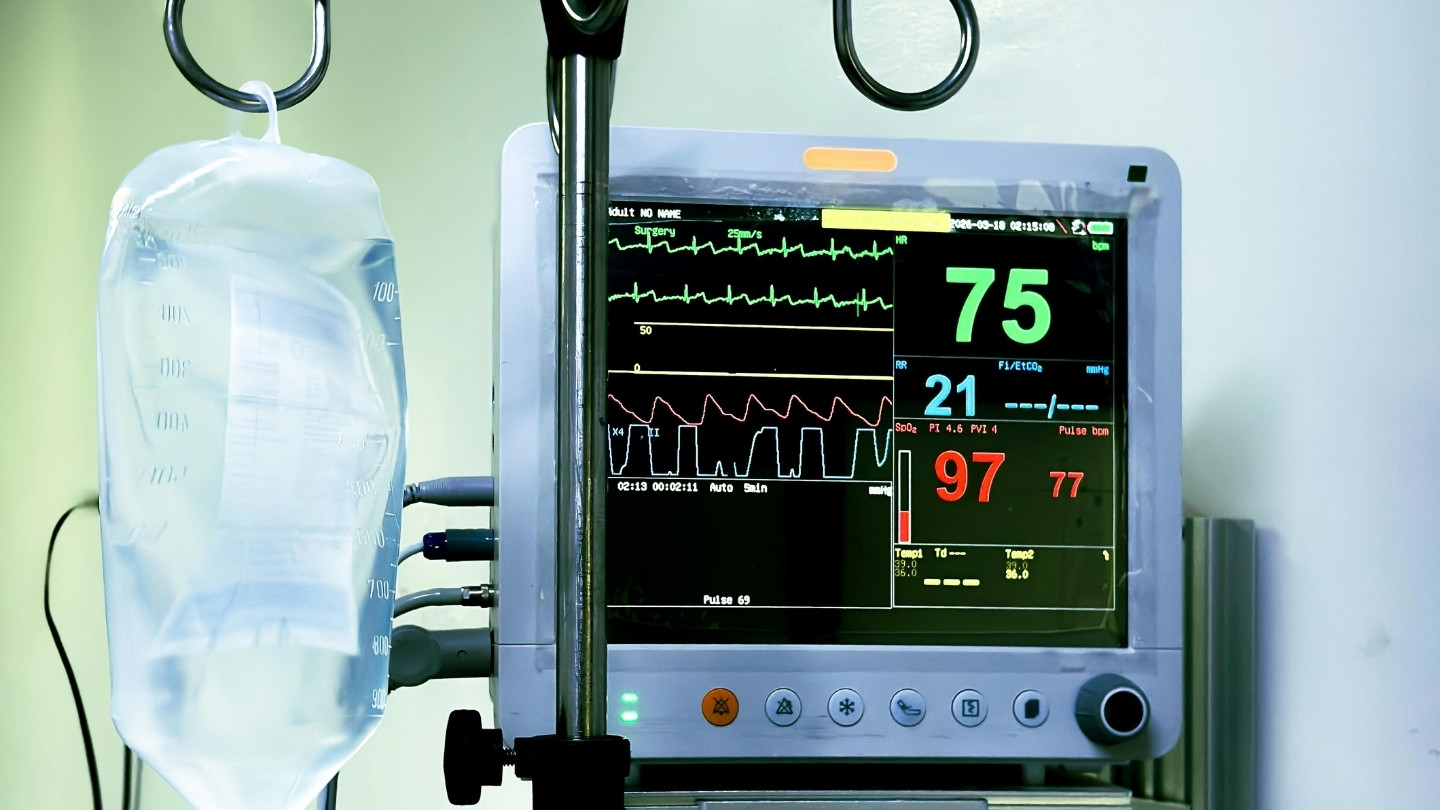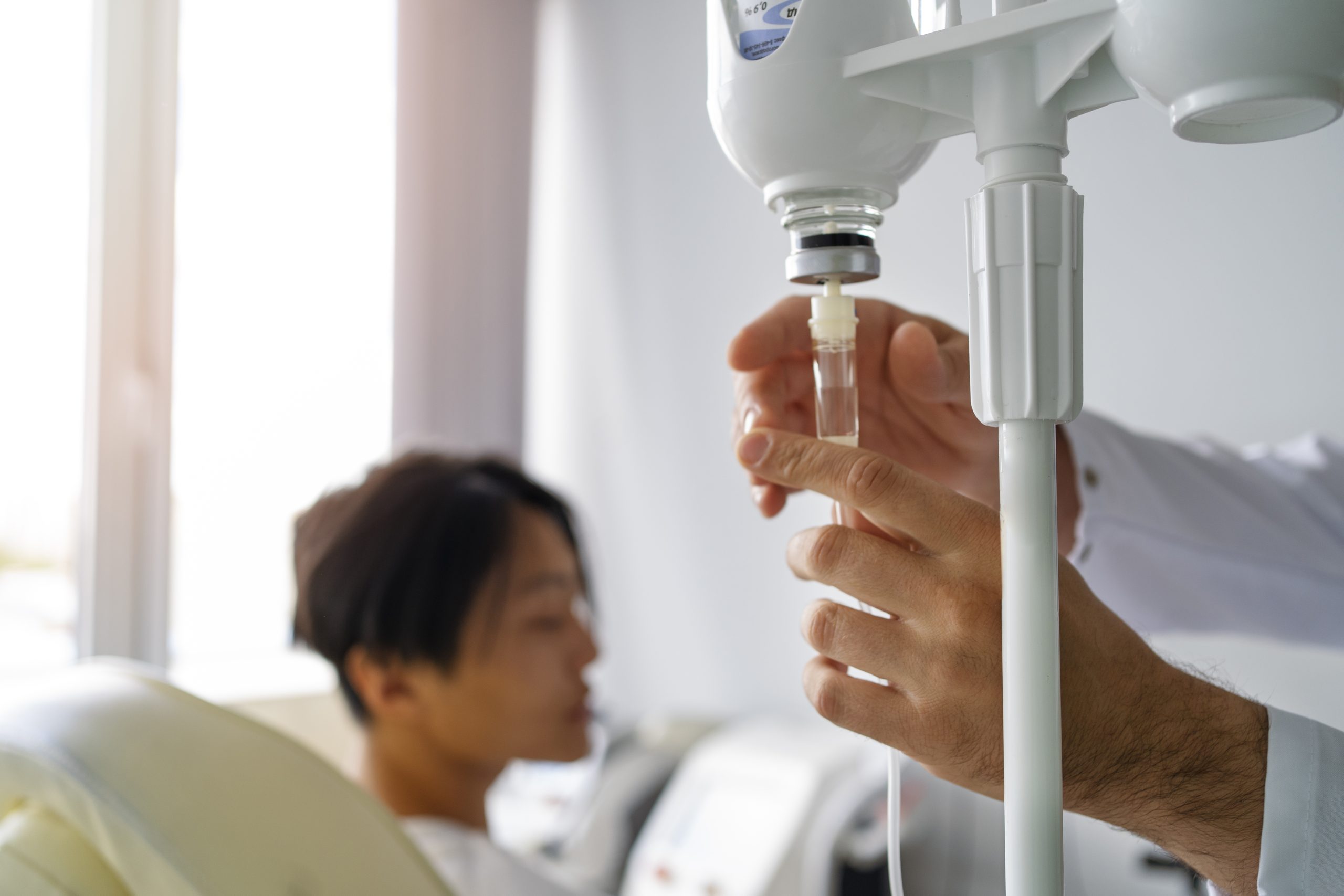
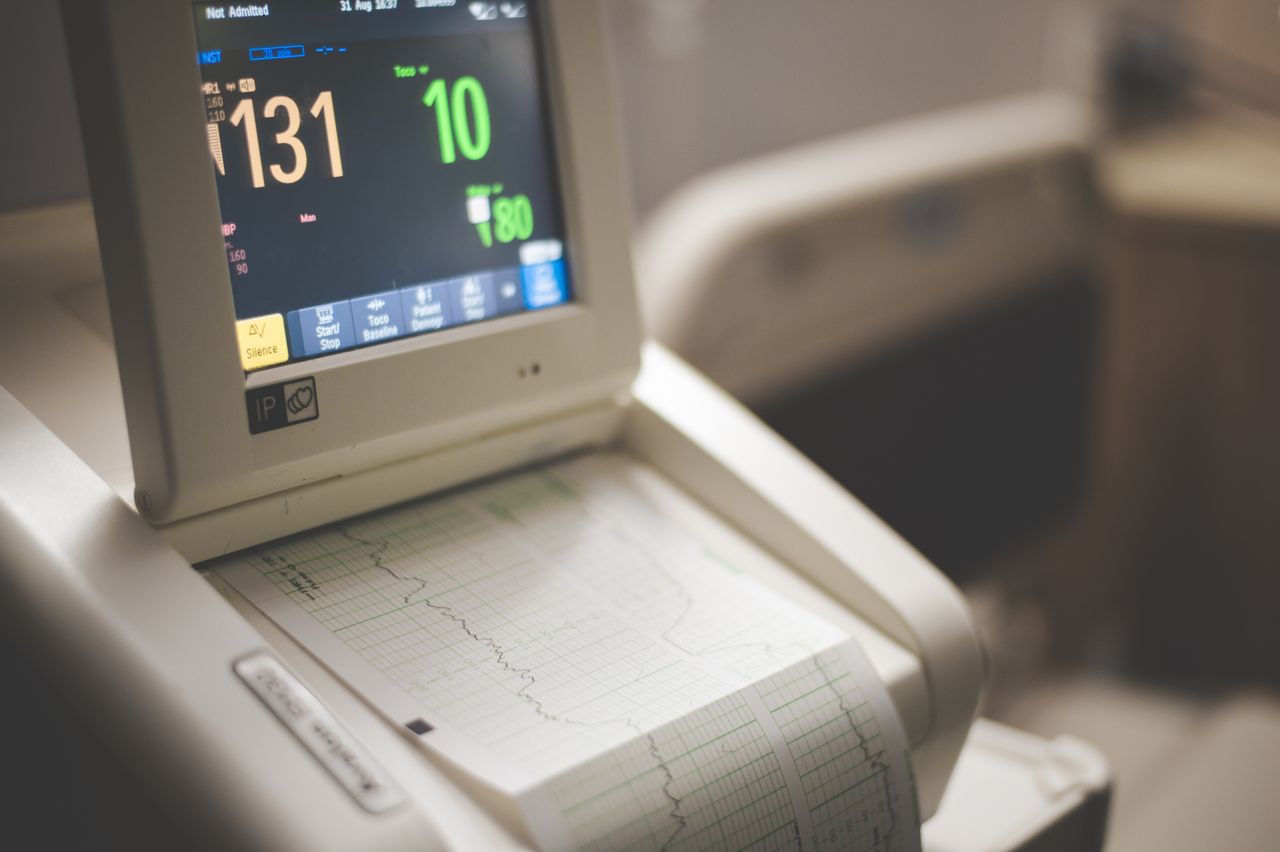
Exam room supplies for clinics and hospitals refer to the fundamental equipment and materials required to facilitate secure and efficient checkups and procedures. Stock such as gloves, medical paper, disposable gowns, and disinfectants enable teams to keep spaces clean and ready for the next patient. Stethoscopes, blood pressure cuffs, thermometers, and otoscopes allow caregivers to examine symptoms quickly and clinically. Basic supplies like tongue depressors, cotton swabs, and bandages reduce wait times and assist every visit. Smart supply strategies reduce hazards and keep teams prepared for hectic shifts or difficult cases. For insights on how clinics and hospitals select, utilize, and replenish these supplies, check out the sections below for advice and smart strategies.
Key Takeaways
- Clinics and hospitals should prioritize essential exam room supplies that include both durable diagnostic equipment and high-quality disposables to ensure accuracy, hygiene, and patient safety in daily operations.
- Consistent inventory review, employee education, and efficient storage of instruments and disposables keep your workflow optimized, reduce shortfalls, and encourage quality care.
- Add ergonomic furnishings and height-adjustable exam tables to increase comfort for patients and staff. Create a relaxing ambiance in exam rooms to put patients at ease and facilitate a welcoming environment.
- Embracing digital solutions such as electronic health records, telehealth platforms, and mobile apps simplifies patient management and optimizes provider productivity and patient interaction.
- Tailoring supply lists based on practice specialty, patient demographics, and scale of the facility ensures you capture all patient needs without overstocking or leaving gaps.
- Sustainable procurement and compliance with health care regulations should be integrated into supply management practices to reduce environmental impact and uphold safety standards.
Core Exam Room Supplies
Exam rooms at clinics and hospitals require an integrated diagnostic system and various core supplies to ensure consistent patient care, safety, and efficiency. These supplies include diagnostic tools, disposables, instruments, furnishings, and safety equipment, each serving a specific purpose in everyday medical procedures.
1. The Diagnostics
Diagnostic supplies form the backbone of clinical evaluation in healthcare facilities. Integrated diagnostic systems, such as wall-mounted otoscope/ophthalmoscope sets, streamline workflow and reduce clutter. Vital signs monitors, including automated blood pressure cuffs, thermometers, and digital pulse oximeters, offer real-time data and are crucial for immediate patient assessment. A standardized checklist for medical needs should include stethoscopes, sphygmomanometers, ECG devices, glucose meters, and basic vision charts, ensuring all equipment needs are met for effective examinations.
| Tool | Typical Price (USD) | Features | Pros | Cons |
| Digital BP Monitor | $50-$250 | Auto inflation, memory | Easy, quick | Calibration needed |
| Portable ECG | $200-$1,500 | Bluetooth/USB, compact | Flexible, accurate | Cost, training |
| Otoscope Set | $80-$400 | LED, rechargeable | Durable, clear view | Battery replacement |
2. The Disposables
Quality disposables like nitrile gloves, tongue depressors, and sterile drape towels are essential for infection prevention in healthcare facilities. These need to be set aside in marked bins or wall-mounted dispensers for rapid access during medical examinations. Additionally, a digital tracking system that logs usage and alerts staff ahead of when supplies may run out minimizes disruptions, ensuring that essential medical equipment needs are met effectively. Environmentally sustainable alternatives, such as compostable paper towels or biodegradable gloves, are emerging and contribute to worldwide sustainability initiatives.
3. The Instruments
Trusty tools, such as thermometers, reflex hammers, and surgical scissors, are essential for conducting exams and medical procedures. Each healthcare facility should have its own customized exam room medical equipment checklist that includes a variety of instruments tailored to its patient mix, ensuring that everything from vital signs monitors to sterile drape towels is readily available for effective assessments.
4. The Furnishings
Ergonomic exam tables with adjustable heights and padded surfaces enhance patient comfort and support staff ergonomics, while vital signs instruments like sphygmomanometers ensure accurate assessments. Family seating in waiting rooms decreases stress, and an integrated diagnostic system can optimize space for assistive devices.
5. The Safety
In healthcare facilities, safety equipment such as AEDs and first aid kits should be accessible and prepared for emergencies. Additionally, sharps bins and biohazard waste containers must be utilized and emptied according to protocol. Routine staff drills ensure that everyone is prepared and confident when conducting exams and medical procedures in a sterile environment.
Beyond The Basics
Exam room supplies encompass essential instruments and disposables, as well as an integrated diagnostic system that can enhance patient health information management. These factors significantly impact the patient experience, staff workflow, and healthcare facilities’ ability to exceed standards of care.
The Patient Comfort
A tranquil environment counts significantly in healthcare facilities. Soft colors on walls and simple art help ease stress, while cozy blankets make a freezing room feel secure. Chairs with good back support assist patients who wait or spend extended time in exam rooms, ensuring their comfort during vital signs assessments.
Height or angle adjustable exam tables are more than a convenience, they play a crucial role in accommodating patients with mobility needs, children, or those who are nervous. These tables provide employees with better means to perform medical procedures and ensure comfort levels are met.
Reading everything from health brochures to primer guides about common conditions occupies waiting room minutes, assisting patients in understanding their care, which can reduce anxiety and foster confidence.
Privacy is paramount in an integrated diagnostic system. Curtains, solid doors, and sound-blocking panels allow patients to be more comfortable and speak up, maintaining dignity while receiving care.
Care Team Efficiency
Employees require workstations positioned at an optimal height and angle to prevent strain and harm. Simple anti-fatigue mats can assist during long shifts.
Storage is more important than most realize. Clear bins, labeled drawers, and mobile carts keep gloves, PPE, and diagnostics close at hand. This reduces idle time and assists in crises.
Teamwork receives a boost when everyone understands their role and has the appropriate tools. Whiteboards or digital displays assist with ensuring that everyone is on the same page during hectic shifts.
Mindless tasks like recording patient information or replenishing supplies can be managed by dumb tech, liberating nurses and doctors for hands-on treatment.
Digital Integration
Having the proper record system at this point is now a necessity. EHRs store data securely and conveniently to share with the care team. They assist clinics in tracking trends and detecting issues early.
Telehealth is booming. Patients can now receive care or recommendations without coming in. It assists clinics in managing higher caseloads and accessing remote patients.
Apps that remind patients of visits or allow them to book online check the boxes of contemporary expectations. They fill slots and reduce no shows.
All digital tools should be secure and legal. Staff require training to use them effectively.
Tailoring Your Supply List
A customized exam room supply list is not a fixed record, it is a living document influenced by a clinic’s specialty, patient demographic, and size. By focusing on essentials like PPE, emergency meds, and core diagnostics, you set up an integrated diagnostic system to treat patients effectively while ensuring compliance with regulations. Regular review cycles, every 6 to 12 months, allow for adjustments as new guidelines, medical advances, or changes in patient populations occur. With efficient supply tracking, including the right medical equipment, you cut waste, save money, and avoid care gaps by managing stockouts and overstock effectively.
Practice Specialty
- Cardiology: ECG machines, defibrillators, blood pressure monitors
- Pediatrics: Child-sized exam tables, pediatric scales, child-friendly PPE
- Gynecology: speculums, fetal dopplers, colposcopes
- Orthopedics: splints, casting materials, joint models
- Dermatology: biopsy punches, cryotherapy units, dermatoscopes
Collaborating with doctors, nurses, and allied health staff will reveal specialty-specific supply needs that might not be evident on paper. By monitoring technology trends, such as digital stethoscopes or portable ultrasound devices, your clinic can offer cutting-edge diagnostics. Staying informed through peer-reviewed journals, manufacturer updates, and professional guidelines ensures you remain aware of new innovations that can enhance patient health information and support effective medical interventions.
Patient Demographics
Knowing who your visitors are is essential. If your patient base includes a lot of children, keep on hand pediatric-size masks, smaller arm cuffs and kid-friendly distraction tools. For senior clinics, think about mobility aids or large-font patient handouts.
Cultural sensitivity counts. Tailor your supply list by stocking supplies that meet religious or cultural needs, such as non-latex gloves or modesty gowns and providing materials in multiple languages where needed. Educational materials should target the most frequent questions and health concerns for each population you serve.
Populations change, and following these trends helps keep your items on point. For example, more prenatal patients could mean a higher demand for obstetric kits and prenatal vitamins.
Facility Scale
A small clinic might only need simple diagnostic tools and single packets, whereas a large hospital needs bulk and multi-room equipment. Estimating how many exam rooms you have and your average patient flow will establish minimum and maximum inventory levels.
Scalable storage, such as modular shelving or adjustable bins, allows you to add or cut back on inventory. The layout of your facility, including how far your exam rooms are from storage areas, affects how you place and retrieve supplies.
Multi-use supplies, such as disinfectants that can be used in many different ways or adjustable exam tables, foster expansion without constant swapping. Strategizing for scale up front avoids expensive supply shortfalls down the road.
Smart Procurement Strategies
Smart Purchasing at the clinic and hospital level extends beyond the exam room and into the realm of healthcare equipment needs. It demands savvy schemes, in-market checks, and option vetting to ensure an integrated diagnostic system is in place. One smart plan helps teams purchase the right tools at reasonable prices with patient care in mind. By leveraging e-procurement options and computerized provider order entry systems, facilities can reduce expenses and increase order accuracy, ultimately improving the quality of medical examinations.
Quality Vs. Cost
It’s a daily struggle to balance quality and cost. Less expensive alternatives could appear to be a short-term advantage, but premium supplies return big dividends over time by minimizing defects and reorders. Teams need to monitor supplier performance frequently, not just during contract signings. This involves conducting market audits every few months to identify changes in price or quality. Patient safety and comfort come first, every purchase must pass a high bar. Total cost of ownership, which includes what it costs you not only to buy but also to use and keep supplies functioning, is more important than sticker price.
Professional Durability
Choose exam room tools that can withstand hard use day after day, including durable carts and diagnostic equipment. Opt for durable exam tables and create a maintenance schedule so that all equipment, including vital signs instruments, remains secure and dependable for longer. Examine everything for cracks or wear and replace anything looking fatigued. Teams should opt for quality materials, such as stainless steel or medical-grade plastic, to save money and time over their years of sweat and tears. Dealers frequently assist clinics in establishing an integrated diagnostic system and may provide best practices.
Supplier Vetting
When choosing a vendor, it’s essential to consider security, experience, and service, especially in the context of healthcare equipment. Always check reviews and ask for references to ensure you are selecting a reliable supplier for your medical exam needs. Smart procurement strategies, including maintaining good supplier relationships and transparency in buying rules, are vital for keeping everyone on track and ensuring quality equipment for your healthcare facilities.
The Unseen Essentials
Exam room supplies form the backbone of daily operations in clinics and hospitals. Attention typically gravitates toward the obvious implements, exam tables, gloves, and vital signs monitors. The invisible necessities, workflow, ambiance, and compliance, silently dictate if care delivery is seamless, safe, and patient-centric.
Operational Workflow
By mapping out workflows, clinics can identify bottlenecks that impede patient treatment, which is crucial for effective medical procedures. This translates into tracking steps, from check-in to exam completion, and pinpointing where delays occur. Occasionally, it’s something as inconsequential as a missing otoscope or a lost blood pressure cuff that wastes a few minutes for every patient. By using checklists and standard operating procedures, clinics can cultivate a reliable rhythm that guarantees every patient receives the correct treatment consistently. For instance, an exam room medical equipment checklist may remind staff to check expiration dates on supplies, which helps avoid the use of expired medication and ensures effective treatment.
Training staff on workflow fundamentals, such as restocking supplies and ensuring hand hygiene stations are full, diminishes errors. Having a dedicated inventory person reduces missing items. Technology, like an integrated diagnostic system or automated reminders to check supplies, keeps staff on top of stock and expiration dates. Clinics can systematize the flagging of supplies that are running low or nearing expiration. This, in turn, helps ensure that no critical piece is absent and that patient safety is never compromised.
Ambiance
Cool exam room foliage does more than appear nice. Soft colors, good lighting, and comfy chairs reduce patient stress. Natural light, when available, adds a sense of openness. Aiding a healing vibe for adults and kids alike, artwork and live plants contribute positively. Soundproofing walls, thicker doors, and soft flooring all help reduce noise and maintain patient confidentiality. This is essential for sensitive discussions and tests.
Educational materials, whether posters, pamphlets, or even digital displays, provide patients with something productive to occupy their time waiting. For kids, some pediatric-sized equipment and child-oriented decorations can help calm fears, allowing staff to better treat younger patients. Bad lighting or the absence of pediatric instruments can make exams more difficult and less safe.
Policy Compliance
All supplies in exam rooms must adhere to rigorous healthcare standards. Periodic audits ensure that everything from gloves to sharps containers is current and safe. The team has to be aware of these guidelines and stick to them, particularly with sepsis prevention. Clinics should opt for liquid soap dispensers instead of bars because bars harbor bacteria. Hand sanitizer stations should remain well-stocked and accessible for staff to sanitize their hands.
A transparent reporting system allows staff to flag issues, such as out-of-date medications or faulty devices, so they can be repaired quickly. It keeps patient care safe and helps you avoid costly mistakes. Training your staff on compliance creates a culture that puts safety first.

Sustainable Supply Management
Sustainable supply management in clinics and hospitals involves being intentional at every point of the supply chain to reduce environmental impact and minimize waste. We know better practices are needed in healthcare, with over 70% of emissions originating from supply chains, such as the production and disposal of medical products. Exam room medical equipment, like gloves, drapes, and one-time use items, makes up a large portion of this impact. Research demonstrates that addressing waste at its source, such as through an integrated diagnostic system, can be effective. One such effort in a hospital’s operating room reduced clinical waste by 14,500 kg (66%) in a year.
Picking providers who employ green materials and less plastic is crucial in reducing the carbon footprint of clinics. Buying exam gloves from renewable latex, choosing quickly biodegradable packaging, or opting for metal instruments instead of single-use plastic is important. Some vendors are now providing bulk shipping with very little or recycled packing, which means healthcare facilities can use less cardboard and plastic. This approach can simplify disposal, enabling improved waste sorting and recycling, ultimately supporting the equipment needs of clinics.
Educating employees on the significance of these modifications makes an impact. If everyone is aware that properly sorted medical waste can reduce the carbon footprint by nearly 50% in a matter of months, according to one study, they’re more apt to trash things correctly and not chuck recyclables in the incorrect bin. Staff play a role in spotting waste. For example, by noting when supplies are overstocked or unused, clinics can save money and avoid waste. Cool ideas like making checklists and signs in break rooms can remind staff to shut off lights or reuse supplies where safe.
Supply chain reviews shouldn’t be a project. They should be routine work. Baseline audits, such as measuring a clinic’s paper consumption annually, assist in identifying patterns and establishing benchmarks. These audits identify opportunities for water and power consumption to decline, resulting in reduced expenses and minimized impact. For many clinics, the most impactful change they can make is by adjusting the way waste is sorted and disposed of, as demonstrated by studies citing waste sorting as the most effective sustainability measure. There are obstacles because some protocols cause more waste than necessary. A lot of people in healthcare would like the rules to be changed so it’s easier to consume less and sort better.
Final Remarks
Stocking exam rooms requires clear vision and careful planning. The right exam room supplies, like gloves, wipes and sterile instruments, enable clinics and hospitals to create a solid foundation for safe treatment. Easy-to-use tools like digital thermometers, otoscopes and blood pressure cuffs keep things moving and save time. Little things, like sharp bins and hand gel, make a big difference in day-to-day work. Smart buy selections and green behavior assist groups trim trash and bills. Well-chosen supply lists allow every clinic or hospital to tailor requirements to actual care. Interested in constructing a superior system or trading advice? What are your wins and challenges? Together, let’s keep exam rooms ready, safe and smart for care teams and patients.

Frequently Asked Questions
1. What Are The Core Exam Room Supplies Every Clinic Needs?
Essential exam room supplies include examination tables, vital signs monitors, disposable gloves, medical gowns, thermometers, blood pressure monitors, stethoscopes, and hand sanitizers to facilitate safe and efficient patient care.
2. How Do I Choose Exam Room Supplies For Specialized Clinics?
Select supplies specific to your clinic’s specialty, ensuring an effective equipment plan. For instance, pediatric clinics might require child-sized equipment while dermatology clinics would need tools for thorough ear examinations and skin examination.
3. Why Is It Important To Maintain A Well-Stocked Exam Room?
An expertly stocked exam room with essential healthcare equipment is better for patient safety, decreases wait times, and makes the clinical machine hum, allowing you to perform medical procedures without disruptions.
4. What Are Some Smart Strategies For Buying Exam Room Supplies?
Supplier comparison and inventory tracking of healthcare equipment, including exam tables and vital signs monitors, ensure quality for your peace of mind with patients and staff alike.
5. Which Exam Room Supplies Are Often Overlooked But Essential?
Frequently forgotten must-haves for healthcare facilities include trash cans, privacy curtains, sanitizing wipes, and additional shelving. These essential exam room supplies help maintain a sterile environment and ensure compliance with medical procedures.
Build a Well-Equipped Exam Room with Merit Pharmaceutical
Creating a fully equipped exam room starts with choosing dependable medical supplies that support safe, efficient, and high-quality patient care. From diagnostic instruments and disposable essentials to infection control products and everyday clinical necessities, every item plays a role in helping your staff deliver accurate assessments and maintain a clean, organized environment. Investing in durable, high-quality supplies also reduces downtime, improves workflow, and ensures your practice is prepared for every patient visit.
At Merit Pharmaceutical, we provide healthcare facilities with reliable exam room supplies designed to meet the demands of modern medical practices. Whether you’re opening a new clinic, expanding your practice, or restocking essential inventory, our team can help you source dependable products that support compliance, efficiency, and patient safety. Partner with Merit Pharmaceutical to keep your exam rooms fully equipped with trusted medical supplies that help your healthcare team provide exceptional care every day.
Disclaimer
The information provided on this website is intended for informational and educational purposes only. It is not a substitute for medical advice, diagnosis, or treatment, and should not be relied upon as such. Healthcare professionals should always use their own clinical judgment when selecting and administering medical products. Patients should consult with a qualified healthcare provider regarding any specific medical condition or treatment.
While we strive to keep product details and information current, Merit Pharmaceutical makes no guarantees as to accuracy, completeness, or applicability to your particular situation. Do not act or refrain from acting solely based on information from this site without seeking appropriate medical or professional guidance. To the fullest extent permitted by law, Merit Pharmaceutical disclaims all liability for any decisions or actions taken based on the contents of this site.