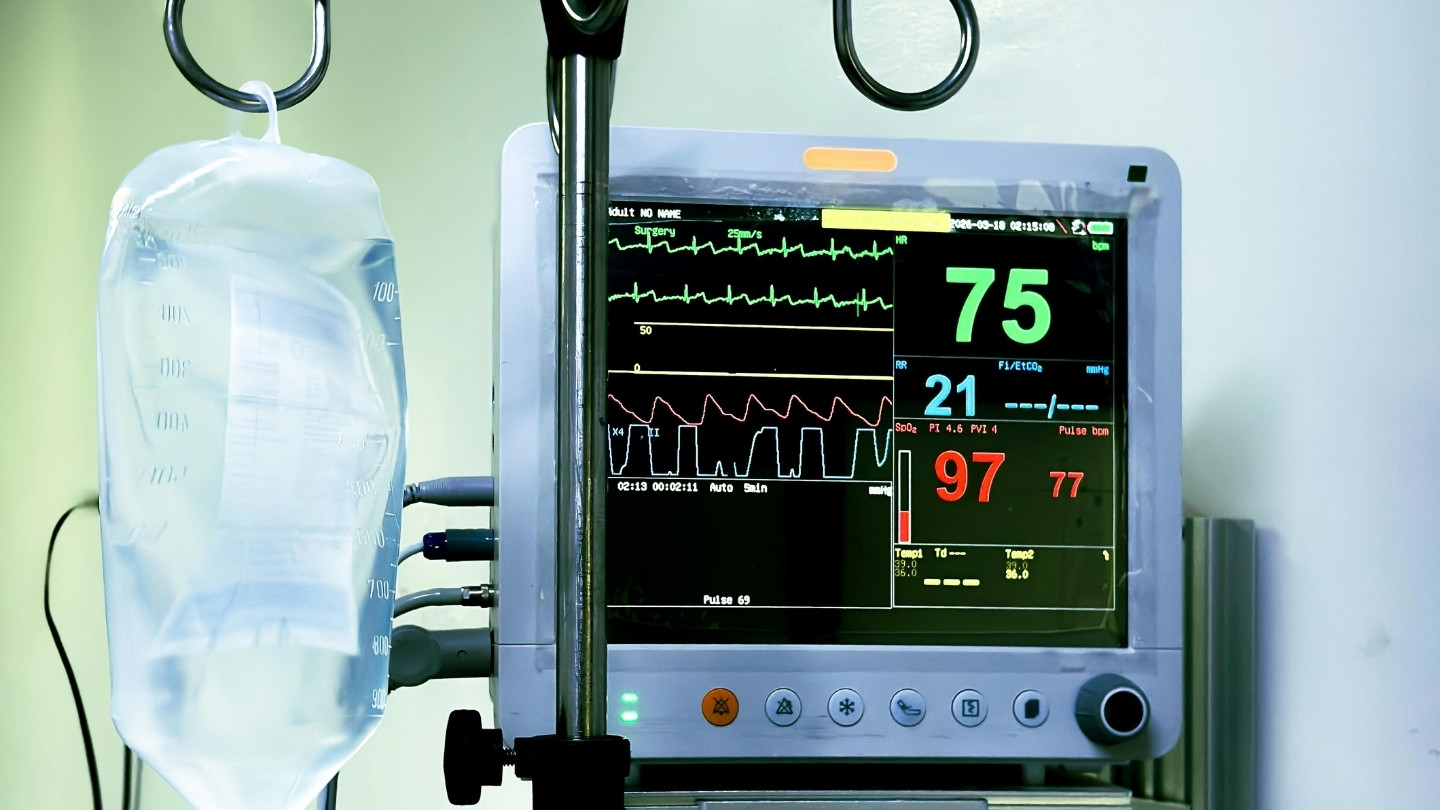
What should procurement teams look for in IV tubing and connectors? They need parts that comply with rigorous medical standards and withstand everyday use. Simple connections reduce leaks and mix-ups, which helps your staff keep care safe. Being compatible with a variety of hospital equipment saves cash and frustration, so you steer clear of last-minute issues. Transparent packaging and obvious sizes keep your team moving, even during frantic shifts. Durable, pliable tubing resists kinking and extended shifts without snapping. In the sections that follow, you will discover a feature-by-feature checklist, real use cases, and tips to help you make the right choice for your facility.

Key Takeaways
- What properties should procurement teams be looking for in IV tubing and connectors?
- Focus first on patient safety features like backflow prevention valves and antimicrobial coatings to minimize infection risks and improve treatment efficacy.
- Consider long-term durability and user feedback to pick products that perform well in different clinical situations and satisfy healthcare personnel.
- Evaluate supplier manufacturing excellence by confirming regulatory compliance, quality systems, production consistency, and effective post-market surveillance.
- Craft an open supply chain plan by validating fair sourcing, inventory levels, and delivery of key elements.
- Just as important, watch for the value borne out across your total cost of ownership. This includes not just the sticker price, but the clinical costs and risk mitigation value that drive down your utilization and support your budget.
Core Selection Criteria for IV Sets
Core selection criteria for IV sets involve evaluating potential suppliers and considering quality control, patient safety features, and the effectiveness of various IV connectors. These criteria assist you in selecting IV tubing and connectors that suit your clinical needs.
1. Material Integrity
For starters, check what the tubing and connectors are constructed from. They should be health-approved, tough, and not split or leak. Consider what drugs you will be running through them. Some chemicals, such as lipids or chemo drugs, degrade weak plastics and rubber.
Sterility counts as well. If not kept sterile in the factory, patients risk infection. Search for evidence of strict quality controls in manufacturing and request certifications or test data. Trustworthy vendors trace each stage of their process and adhere to ISO or local regulations.
2. Component Precision
Fittings and connectors should lock tight every time. Make sure they fit with other equipment you use, as some brands can have subtle size variations that will kill compatibility. Flow regulators should keep set rates steady, even if pressure changes while in use.
Valve parts have to open and close on cue. If not, you can end up with mis-drug doses or spills. Request information from vendors on their quality controls for these moving parts.
3. Medication Compatibility
You must know what meds you will administer through these sets. Certain plastics interact with drugs such as chemo, insulin, or antibiotics. Select the wrong tubing and drugs may disintegrate or lose efficacy.
Check makers’ charts to find out what materials are compatible with what drugs. Certain vendors create specialty lines for hard meds. These are ideal for high-risk medications. Always match sets to the most common drugs in your care setting.
4. Patient Safety Features
Core Selection Criteria for IV Sets
- Safety sets with extra-strong clips or locking rings help stop lines from coming loose.
- Needle-free connectors keep users safe from needle sticks and make patients feel less pain.
- Seek drip chambers that allow drops to be seen distinctly, enabling quick detection of flow issues.
Backflow valves are a must. They prevent blood backflow or bacterial migration into the patient. They reduce infection and mistake hazards, so be sure these are present in your preferred set.
5. Clinical Usability
IV sets need to be convenient for staff to manage, even when gloved. Consider the time to set up. Core Selection Criteria for IV Sets. If you work in an ER, sets that come pre-sterilized and ready to hang save you time.
Write your team what works best in real use. Sometimes it’s the little things, like a larger grip or clearer markings, that make a big difference when you’re working every day. Select kits that enable your staff to do their job correctly every time.

Beyond the Product Specification Sheet
Specification sheets only tell part of the story. As procurement teams, you juggle a lot more—balancing user demands, patient security, and practical outcomes. Photos are nonexistent, and fuzzy descriptions make it difficult to understand what’s being ordered. Bulky online search wizards and sparse IT assistance exacerbate these problems. When it comes to IV connectors and tubing, focusing on the optimal drug delivery and performance of these products in real-world situations is essential for effective medical device procurement.
Hidden Performance Indicators
Track flow rates with alternate pressure settings to ensure optimal drug delivery. Not all tubing connectors handle high or low pressures equally, and small variations can significantly affect medication delivery. Additionally, observe how temperature swings impact the tubing, as materials can either stiffen or soften, causing it to slow or accelerate flow. It’s essential to test connectors to ensure they can prevent leaks and siphoning, even during normal handling in busy healthcare facilities. Certain common aggravations, such as hard-to-seal connectors, often do not appear in specifications and tend to emerge only after repeated use or during hectic shifts.
Long-Term Durability
Subject products to real stress in healthcare facilities. Utilize them in busy wards or with regular line switches to observe their durability and effectiveness. Wear and tear check for cracks, discoloration, or connectors that loosen over time. Warranties may provide an indication of a manufacturer’s faith, but not all vendors have them. Dig up historical information when you can. Measure against long-term wear how similar medical devices fared. This not only helps forecast future reliability but also prevents costly and time-consuming replacements.
User Feedback Integration
- Gather notes from nurses, doctors, and other frontline staff.
- Run short surveys after new product rollouts.
- Hold focus sessions to discuss daily pain points.
- Check IV tubing/connector incident reports. Establish processes to act on this feedback, such as monthly reviews. Go beyond the spec sheet. Are others reporting trends? Are numerous users flagging slow flow or leaks? These trends can help steer product decisions. Collaborate with those who use the products the most. Their feedback exposes real-world problems, like difficulty with inserting or cleaning, that specs overlook. Think about how user preferences impact infection control. Education and experience typically outweigh technobabble.
Evaluating Supplier Manufacturing Excellence
Measuring supplier manufacturing excellence for IV connectors and tubing is about more than just hard numbers and soft skills. You want suppliers who deliver more than a cheap price; focus on value overall—quality and innovation, risk control, and long-term stability. Overlook these considerations, and you will jeopardize supply chain headaches down the road. A good structure helps you balance each key selection criterion equitably, keeping your decision anchored and empirical.
| Metric | Evaluation Criteria |
| Quality | ISO 9001, FDA, documented controls, defect rates |
| Performance | On-time delivery, capacity utilization, batch consistency |
| Financial Stability | Profitability, liquidity, investment in upgrades |
| ESG & Sustainability | Environmental certifications, ethical sourcing |
| Risk & Resilience | Contingency planning, supply chain mapping |
| Innovation & Agility | New technology adoption, response speed |
Regulatory Adherence
Ensure that your suppliers are 100% FDA compliant and possess current ISO certificates, particularly for IV connectors and other medical devices. Request comprehensive compliance documentation, trackable lot numbers, certification forms, and current spec sheets. Review audit reports to demonstrate the supplier’s adherence to quality systems in practice, not just in theory. The tubing connectors you select must meet rigorous safety and clinical standards to ensure patient safety across the globe.
Quality Systems
Inspect your suppliers’ process checks to ensure that every batch meets specifications, not just spot samples. Inquire about their finished product tests, particularly for leaks, clarity, and flow rates, which are crucial for optimal drug delivery. Additionally, dig into their recall or complaint history and how quickly they resolved issues, as strong tracking systems help identify problems early, before their products reach healthcare facilities.
Production Consistency
Evaluate whether the supplier can maintain consistent quality across batches, as fluctuations may lead to recalls or wasted inventory. It’s crucial to observe their track record for on-time orders and assess their ability to scale production for large orders without compromising quality. If they operate near full capacity, potential delays in the supply chain could impact critical infrastructure and patient care.
Post-Market Surveillance
How does your supplier’s supplier track products after they ship? Do they act on user feedback, safety alerts, or recalls? The speed of response once a problem arises is paramount for maintaining high flow rates in medical device procurement. Inquire about their process for collecting and verifying field data related to valves. Transparent, organized reporting is important to ensure optimal drug delivery. Look for patterns in the feedback; this not only helps identify risks but also informs future design adjustments.
Navigating Supply Chain Vulnerabilities
IV tubing and connectors, essential for optimal drug delivery, serve as lifelines in healthcare. As you seek a dependable supply, you confront a nexus of economic, environmental, political, and ethical risks. Supply chains are global and are susceptible to delays, labor disruptions, or even abrupt policy changes. Human error and system flaws add more strain. To keep patient care flowing, identifying supply chain vulnerabilities is crucial in crafting a solution for a global setting.
Sourcing Transparency
Verify that your suppliers ethically source raw materials and components, especially when it comes to critical components like IV connectors and tubing connectors. Seek transparent supply maps revealing all the hands these items touch, as this is essential for ensuring quality care in medical device procurement. Inquire with your suppliers about their partners and any third-party audits they employ, as regulations such as the US Uyghur Forced Labor Prevention Act and California Transparency in Supply Chains Act imply that you need to demonstrate that your chain is equitable and lawful. Third-party certifications or eco-labels can assist you in this.
Inventory Strategy
Start with a checklist: review past usage, set reorder points, and flag critical stock for medical device procurement. Precise demand projections assist you in purchasing only what you require and prevent waste. If supply slows, a backup plan like alternate vendors or emergency reserves keeps care going. A smart inventory sensor monitors consumption and notifies you before supplies are depleted, ensuring a steady flow rate of essential IV connectors without overwhelming warehousing or immobilizing capital.
Logistical Reliability
Learn how your vendor ships products from the warehouse to your site, ensuring a smooth functioning of the medical device procurement process. Informed express shipping reduces risk and enhances patient care. Verify whether their delivery partners have a reliable history for timely, mistake-free orders by tracking key stats on how often orders arrive late or get mixed up. Establish direct channels like email, phone, or app to receive notifications on all shipments, making your connection less brittle and more resilient.
The Total Cost of Ownership
Knowing the total cost of ownership (TCO) for IV connectors and tubing is critical for procurement teams in healthcare facilities. It’s essential to consider not just the sticker price but also the maintenance, replacement, and logistics costs associated with these medical devices. TCO encompasses initial costs plus maintenance expenses minus residual value, providing a comprehensive view of expenses. By periodically revisiting your TCO analysis, you can identify cost-saving opportunities and enhance the effectiveness of your medical device procurement strategies.
Acquisition Price
| Supplier | Unit Price (USD) | Maintenance (per year) | Bulk Discount | Residual Value |
| Vendor A | $2.20 | $0.25 | 10% (1,000+) | $0.10 |
| Vendor B | $2.00 | $0.40 | 8% (2,000+) | $0.05 |
| Vendor C | $1.90 | $0.60 | 12 percent (5,000+) | $0.04 |
Purchasing at a low up-front price can appear prudent, but it can be deceptive if you overlook concealed expenses. You have to take into account the cost of routine servicing, replacements, and even how much you can salvage from the asset at the end of its lifespan. A higher upfront cost for a more durable product can translate into lower annual costs when you divide total spending by lifespan.
Volume discounts do matter if you buy in bulk from approved vendors. Remember to consider indirect costs. Shipping, storage, and logistics all contribute. Going with the lowest-cost option might make your budget look smaller in the short term, but it will accelerate replacement cycles and increase spending long term.
Associated Clinical Costs
Product quality isn’t limited to shelf life. It influences patient outcomes, satisfaction, and even clinic flow. Poor-quality IV tubing can lead to issues that increase the cost of care and delay healing, costing your squad even more.
Quality choices streamline installation and minimize waste, so you’re not spending time on replacements or repairs. This frees employees for other care duties and reduces overtime or additional hires.
Bad products cause more complaints, more hands-on time, and more resource consumption. Superior materials and design can make your team work faster, more accurately, and reduce wasted inventory.
Risk Mitigation Value
Low-grade tubing and connectors bring real risks: leaks, breaks, and even recall events. The total cost of ownership is significant. This risk not only leads to legal action, but it can harm your hospital’s reputation and stress staff.
It is spending more on tested, trusty products, a down payment on reduced risk. Well-maintained, proactive care combined with good quality gear will keep you from having sudden surprises and stretch usability.
Risk mitigation isn’t just about security. It’s about managing expenses. Fewer accidents lead to less time spent on accident investigations and lower insurance rates. Patient safety comes first, but reducing risk is good for budgets and staff morale too.
Future-Proofing Your Procurement Strategy
Future-proofing your IV tubing and IV connector procurement strategy entails thinking well beyond price and supply. With the rapid innovation in IV therapy and medical devices, you must future-proof your procurement strategy. For instance, cloud-based solutions with a single shared database allow your team to operate from any location and access the same information. This reduces errors and assists you in moving quickly when things change. You constantly need to evaluate whether new products, such as Mediplus IV connectors, are compatible with what you already have or if they can adapt to evolving clinical demands. Here’s an example: IV connectors with safety locks are now standard. You should question whether these parts will function as your hospital or clinic expands or if you transition to new pumps or monitors down the line.
Tech upgrades are arriving quickly in IV systems, including smart sensors or improved leak-proof designs. By staying on top of these shifts, you can select products that endure and keep up with fresh care methods. Leveraging spend-tracking and supplier-awareness tools can give you a clear view of your spending. This allows you to reduce expenses or address slowdowns before they develop into serious issues. You can apply automation to order tracking or supplier checks, ensuring your team spends less time doing paperwork and more on optimizing patient care.
To that end, making good relationships with your suppliers ought to be a major objective. Trustworthy vendors are going to provide you with early access to innovations. They will assist if you experience an unexpected shortage or require assistance complying with new regulations. Choose vendors who care about quality, not just a bargain. Saving money is important, but poor parts will cause you to fail a project or even endanger patients. As we discussed at the beginning, future-proofing your strategy begins now, so start your procurement early when you are 60 to 70 percent complete with your clinical or engineering work. This provides you with the space to strategize, shop around, and sidestep frantic deadlines.
Have a Plan B just in case. Find out who else would sell to you if your primary source went away. Establish relationships with multiple vendors or apply the 80/20 principle. Depend on a small group of key vendors but remain flexible, ensuring you are prepared for any potential risks that may arise in your supply chain.
Conclusion
What should procurement teams be looking for in IV tubing and connectors? Your team handles real-world concerns like consistent availability, minimal liability, and secure application. Miniatures like tube bore or port fit are important. A maker’s history of quality is important too. A keen focus on price, delivery, and tech trends can keep your practice running smoothly. Consider every purchase an opportunity to enhance care, reduce waste, and cultivate confidence in your equipment. More questions to keep asking include verifying every assertion. Work with vendors who demonstrate evidence, not simply assurances. Your selection defines both care and cost. Go one step further by evaluating your current suppliers and determining if they still work for you.
Frequently Asked Questions
What are the key features to check in IV tubing and connectors?
Procurement teams should consider quality control and optimal drug delivery when selecting IV connectors and tubing for effective medication administration.
Why is supplier manufacturing quality important for IV sets?
High standards of manufacture for medical devices, including IV connectors and valves, minimize the potential for defects and contamination, safeguarding patient comfort and integrity.
How can you evaluate the total cost of ownership for IV sets?
When reviewing medical device procurement, consider not only the purchase price but also shipping, storage, training, and waste disposal costs for optimal drug delivery.
What risks should you consider in the IV supply chain?
Supply disruptions, inconsistent quality, and regulatory changes can affect availability and safety. When it comes to IV connectors and tubing, procurement teams should consider key selection criteria for optimal drug delivery.
How do you ensure future-proof procurement of IV tubing and connectors?
Buy from suppliers who are investing in innovation, regulatory compliance, and scalable production of medical devices like IV connectors, ensuring optimal drug delivery and safeguarding your practice from future market or regulatory shifts.
Should you consider environmental impact when choosing IV sets?
Choose sustainable suppliers and recyclable or low-waste packaging to ensure quality care and optimal drug delivery.
How can you verify supplier credibility for IV products?
Be sure to look for certifications, regulatory approvals, and third-party audits in medical device procurement for optimal drug delivery.
Source Dependable IV Tubing and Connectors for Safer Patient Care
Selecting IV tubing and connectors involves more than comparing product specifications. Reliable components, consistent manufacturing quality, and compatibility with your existing equipment all contribute to safer medication delivery, efficient clinical workflows, and long-term procurement success. Working with a trusted supplier helps healthcare facilities maintain dependable inventory while supporting the quality standards required for everyday patient care.
For more than 40 years, Merit Pharmaceutical has supplied healthcare providers with high-quality IV tubing, connectors, and essential IV therapy products. Whether you are standardizing supplies across multiple departments, evaluating new products, or strengthening your procurement strategy, our experienced team is ready to help you identify solutions that meet your clinical and operational needs. Explore our IV Administration Sets, browse our IV Sets, Solutions & Devices, contact Merit Pharmaceutical with any questions, or register for an account to streamline future ordering.
Disclaimer
The information provided on this website is intended for informational and educational purposes only. It is not a substitute for medical advice, diagnosis, or treatment, and should not be relied upon as such. Healthcare professionals should always use their own clinical judgment when selecting and administering medical products. Patients should consult with a qualified healthcare provider regarding any specific medical condition or treatment.
While we strive to keep product details and information current, Merit Pharmaceutical makes no guarantees as to accuracy, completeness, or applicability to your particular situation. Do not act or refrain from acting solely based on information from this site without seeking appropriate medical or professional guidance. To the fullest extent permitted by law, Merit Pharmaceutical disclaims all liability for any decisions or actions taken based on the contents of this site.