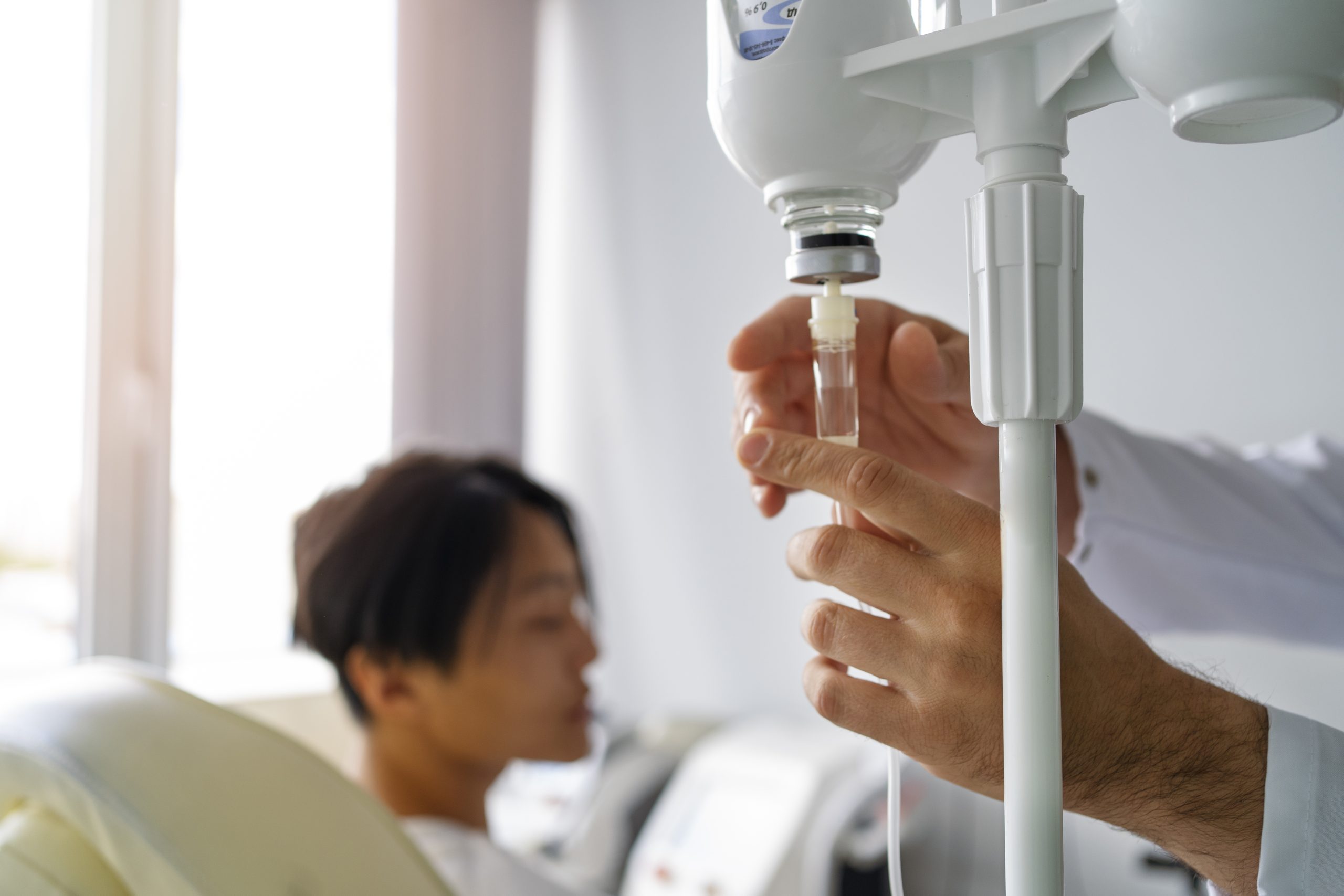
Using closed-system IV catheters reduces infection risk, provides you with cleaner needle changes, and minimizes blood spills while you are using them. By sealing the line, these catheters keep germs in and protect your veins. You get fewer needle stick injuries, so you and your care team are safer. A lot of closed systems include safety latches or internal shields, which leads to fewer accidents at the bedside. Closed systems typically continue to last longer, as well, since they withstand numerous fluid changes. For routine IV care, that translates to less pain from fewer needle pokes and a more seamless process. Below, you can read more specifics on how these benefits translate to everyday care and safety.
Key Takeaways
- Closed-system IV catheters help lower infection risks for patients and healthcare professionals by decreasing pathogen exposure and reducing contamination.
- They enhance patient safety by reducing the risk of catheter-related issues and help to make IV therapy easier and more dependable.
- Clinicians enjoy improved safety from needlestick injuries and accidental exposure to bodily fluids, ensuring a safer workplace.
- Experience how closed-system catheters can revolutionize your workflow by making IV insertion and maintenance faster and more efficient.
- Contribute to cost savings and sustainability by preventing complications, medical waste, and disposable materials.
- To deploy these systems successfully, your staff needs training, your procedures need protocols, and your healthcare facility needs the support to get the most out of these benefits.
Core Benefits of Closed-System IV Catheters
Closed-system IV catheters represent a significant advancement in patient safety and clinical use, effectively sealing off blood and bacteria to minimize risk. This closed system enhances health services, making it a game-changer for 21st-century healthcare.
1. Infection Control
Closed connections in these closed system catheters prevent bacteria and dirt from entering while medication is administered. The sterile, pre-lubricated catheter with introducer tip creates a tight seal that prevents external bacteria. Needleless connectors are used to help reduce infection risk even more, as they eliminate the use of sharp needles and keep the IV line closed. Hospitals using closed system catheters have observed infection rates fall significantly. Research demonstrates a blood leakage and contamination rate of 3.9% with closed systems, versus 14.3% for open ones. By simplifying hand hygiene and aseptic protocols for staff, these systems help comply with worldwide infection control standards without introducing additional procedures.
2. Patient Safety
Closed-system IV catheters, a vital component of infusion therapy, help make IV therapy safer and more comfortable for your patients. Their closed-system design prevents blood from leaking and bacteria from entering, significantly reducing the risk of bloodstream infections. This design ensures that every patient experiences fewer complications and improved outcomes. By minimizing risks such as infiltration or phlebitis, you demonstrate to patients that their safety counts, thereby enhancing your staff’s reputation for compassion.
3. Clinician Protection
Since closed system catheters are utilized, the risk of exposure to blood and body fluids is significantly reduced. The implementation of needleless connectors and these closed systems minimizes the chances of needlestick injuries, a major concern for healthcare providers. A study found that 93.9% of closed-system catheter insertions had no blood exposure, compared to only 19.1% of open-system insertions. The reduction in complications leads to less time spent managing issues, allowing healthcare professionals to focus on patient care while maintaining adherence to safe handling guidelines.
4. Workflow Efficiency
Closed-system catheters make your life easier. The design allows you to place them easily, without additional equipment or effort. Since these closed system catheters leak and fail less often, you spend less time putting out fires or beginning new lines. You can treat more patients in less time. Incorporating a closed IV catheter system into your daily routine improves your team’s collaboration, as you all adhere to the same process and communicate notes regarding each patient’s IV care.
5. Economic Value
How closed-system IV catheters can save your organization money is evident in their ability to reduce infections and complications, leading to lower costs for treatment and follow-up care. With closed system catheters, you save time on maintenance and utilize fewer new catheters, ultimately resulting in fewer readmissions and more efficient resource use. Investing in closed-system IV catheters is a smart choice for clinics aiming to maximize clinical value over the long term.
The Engineering Behind the Design
Closed-system IV catheters integrate multiple intelligent features to enhance the safety of intravenous therapy for patients while simplifying usage for clinicians. These closed system catheters significantly reduce the risk of blood leaks, contamination, and bloodstream infections, ensuring better patient outcomes and making the entire catheterization process more dependable and efficient.
Integrated Components
Smart tubing and connectors keep things locked in, designed as a closed system catheter to ensure you never have to fret about components coming loose or liquids spilling out. If you’ve ever used traditional catheters, you understand how simple it is for a line to disconnect and create a mess or a danger of infection. Closed system catheters are engineered to prevent that, with secure connectors that reduce the possibility of blood leakage and minimize the risk of pathogen ingress.
Mechanical valves play a significant role in these systems. Many employ one or two-way valves, often featuring a tap or Y-connector. These valves allow you to access the IV without needles, thereby reducing the chance of needlestick injuries and blood exposure. They also prevent blood from refluxing, which lowers the risk of infection associated with venous catheters.
A built-in stabilization platform holds the catheter in place, significantly reducing the likelihood of dislodgement or migration. This feature enables compliance with international fixation standards, with studies showing that dislodgement rates can fall by up to 84% when using a closed IV catheter system.
Aesthetics matter for ease of use. Integrated securement and needleless access ports streamline every step of the medical procedure, saving you time, reducing errors, and allowing you to focus on what matters most—your patient outcomes.
Material Science
Innovations in biomaterials have transformed IV catheters. Some catheters actually soften up to seventy percent in the vein, which can translate into less irritation and greater comfort for your patient. This softening reduces the risk of mechanical phlebitis by as much as fifty percent, allowing the catheter to remain longer.
Materials selected to reduce the potential for clotting and infection. A proprietary coating can help make the surface less hospitable to bacteria or clots. Biocompatibility is crucial to safety and comfort. Each catheter has to play nice with the body to prevent rejection.
Sterilizing is a concern. The proper technique protects it all without compromising the fabric or introducing any bacteria. Regular deep cleaning lets you rely on every piece of gear to perform when you work.
Blood Control
- Use closed infusion systems with mechanical valves to prevent blood spills.
- Always check that connectors are tight before and after use.
- Wear gloves and keep absorbent wipes handy for any accidents.
- Dispose of used supplies right away in proper containers.
Closed system catheters minimize blood exposure, protecting you and your team while enhancing system safety. They reduce blood leaks and minimize infection transmission, which is crucial in clinical use. Less blood leads to fewer cleanups and less stress during hectic shifts, ultimately resulting in lower healthcare-associated infection rates and improved patient outcomes.
Clinical Evidence and Outcomes
Closed-system IV catheters are designed to reduce infection risk and minimize complications associated with open or conventional catheter systems. Many studies have examined the effect these systems have on clinical outcomes and what you can expect in practice. Infection rates and other side effects are causing many to reconsider their IV catheter tool of choice.
| Catheter Type | Infection Rate (%) | Patient Outcomes |
| Traditional Open-System | 6.2 | More site symptoms, more bloodstream infection |
| Closed-System | 2.3 | Fewer complications, better patient comfort |
| Integrated PIVC | 1.8 | Less failure and greater user satisfaction |
Roughly 40% of patients with IV catheters experience at least one symptom at the catheter site, such as redness, swelling, or pain. These issues can even cause more serious dangers, like bloodstream infections. In one study, up to 10,028 PVC-associated S. Aureus bloodstream infections occurred annually in adults in the US. Central venous catheter infections represent approximately 90% of hospital-acquired bloodstream infections, and the total rate of these infections has doubled or tripled in the past decade.
Closed-system catheters have demonstrated reduced infection and site complications. This is evidenced by the clinical results and outcomes in the table, which show that closed systems have far lower infection rates than open systems. Other research demonstrates that swapping out catheters only when necessary, rather than on a schedule, can save hospitals money and patients’ discomfort.
There is a better patient outcome with closed or integrated catheter systems. These tools decrease the incidence of device failure, with studies indicating a relative risk of failure reduction of 0.83 for integrated PIVCs. This translates into fewer operations, reduced discomfort, and reduced opportunities for error. Patients prefer closed-system and integrated catheters, even while certain cohorts experienced a trend toward twice the infection rate in alternative devices.
Clinical experience probably trumps angling when selecting IV catheters. You want to use devices with clinical evidence that they protect people’s health. Continued research is important since fresh evidence can highlight even better means of reducing risk, increasing ease, and optimizing care for all.
Economic and Environmental Impact
Closed-system IV catheters not only enhance patient safety but also transform your perspective on the economic and environmental impact of medical procedures. By utilizing closed system catheters, you can address hidden financial inefficiencies while promoting more eco-conscious decision-making in your practice.
- Fewer catheter-related infections lead to less money spent on additional treatments and extended lengths of stay.
- Closed systems reduce the risk of blood exposure, so you don’t have to spend as much on worker protection and injury follow-ups.
- With improved infection prevention, you reduce expenses associated with litigation or regulatory penalties.
- Patients remain out of the hospital more, which saves on costs for both care teams and families.
- Closed systems last longer and require fewer replacements, so you spend less on supplies and waste disposal.
Cost Analysis
- Checklist for hidden costs with open catheters:* Additional hospital days from infection.
- Additional antibiotics and lab work.
- Employee hours wasted on troubleshooting.
- Potential claims for lawsuits or insurance.
- Additional garbage fees.
Catheter-related infections and complications have numerous costs. These expenses can lurk in extended stays, additional medications, and additional labor for your staff. Closed-system catheters reduce these issues, so you save money in the long run.
ROI isn’t simply a matter of purchasing the device. You save money on treating infections and follow-ups. Hospitals employing closed systems are documenting up to 40 percent fewer catheter complications. That translates into lower bills for all.
One hospital in Europe saved 30% after converting to closed-system catheters. Another Asian case experienced a significant decline in infection rates, which resulted in reduced overtime and additional supply expenses.
Waste Reduction
Closed-system IV catheters generate less waste. Their all-in-one design results in less to toss. This reduces the volume of plastics entering landfills.
Some good old-fashioned recycling and disposal assistance is important. You can establish bins for plastics and metals, ensuring that used components are separated and recycled when feasible. Certain manufacturers are currently retrieving used catheters and recycling them into other devices.
Producing fewer devices consumes less water and energy. For instance, medical devices in self-administered OPAT manufacture 65% of the water and 22% of the waste for the entire care pathway. OPAT reduces the requirement for hospitalization, resulting in less water and electricity consumption in hospital facilities.
If you shift care to the community or home, you experience significant reductions in CO2 emissions, waste, and water usage. For self-administered OPAT, the entire pathway consumes 972 kg CO2, 2409 m³ water, and 54.5 kg waste, which is significantly less than inpatient care. Hospitals add to the impact with heating, catering, and electricity. Re-hospitalization alone can contribute 30 percent additional waste.
Opt for closed-system catheters, and you battle climate change and drug resistance in one go. These are planetary issues connected to how we heal human beings and Mother Earth.
Navigating Clinical Adoption
Taking your clinical practice to the next level, adopting closed-system IV catheters is about more than just changing devices. You require strategic foresight, rigorous training, and the openness to do things differently. From engineering to workflow, each stage counts for secure and seamless adoption.
Key Steps for Successful Implementation:
- Review your protocols and find gaps in asepsis and catheter care.
- Create clinical staff training programs that emphasize closed-system IV usage, covering technical and infection prevention training.
- Modify or develop clinical guidelines to incorporate best practices for insertion, maintenance, and removal.
- Create an atmosphere in which safety and central line bundle compliance are a team focus. Ensure each one understands how their role is part of the big picture.
- Establish feedback loops and periodic audits to track progress, identify problems, and ensure quality.
- Involve all stakeholders, including nurses, physicians, and infection control teams, so that everyone knows the advantages and concerns are addressed upfront.
Training
A solid training regimen is the foundation of safe closed-system catheter utilization. Let’s begin by constructing some unobscured, tangible modules. These need to address not just the new device but why things like aseptic technique and behavior modification are important to reducing infections. Workshops in which nurses and doctors practice insertion and maintenance techniques go a long way to increase skill and comfort.
Supplemental materials such as videos, pocket guides, and monthly check-in calls keep the learning continuing. You must educate your team regarding the recent research and recommendations, as meta-analyses demonstrate that complete and accurate use of insertion and maintenance bundles reduces CLABSI rates across all ages. This refresh in training goes a long way when it comes to helping you keep everyone on point with safety and best practices, even as protocols shift.
Implementation
Bridging to Closed-System IV Catheters establishes incremental adoption protocols. These should span from storage to documentation. Post-launch, track infection rates and other important outcomes. Explore what works and where you need more support.
Just keep the lines of communication open with all parties. Hold feedback meetings, allow staff to express concerns, and provide additional training where required. Where feasible, use real-world examples like drops in CLABSI rates post bundle adoption to punctuate the good effect. Ongoing support, defined objectives, and actual data all help maintain motivation and buy-in.
The Future of Vascular Access
Vascular access is evolving quickly, influenced by innovative devices and novel approaches that strive to enhance the safety and efficiency of IV therapy for you and your patients. Closed system catheters lie at the center of this transition. You’ll be seeing these closed IV catheter systems more frequently, as they reduce blood exposure, phlebitis, and infection. As our world ages and more people require IV therapy, the demand for safe and simple vascular access increases.
Trends are clear: new closed-system designs are coming that use better materials and needleless parts. These options keep the germs out and make life easier on you and your patients. Few new system catheters have integrated valves to maintain a closed system and prevent backflow and contamination. These enhancements translate into reduced complication risk and improved outcomes for your patients. You may get more bells and whistles, such as real-time tracking and trouble alerts, built directly into the device. This allows you to detect and correct issues quickly, which is beneficial for patient safety.
Simulation-based training is another giant step forward. You and your team get to practice with realistic instruments before working with actual patients. This develops skills and confidence, reduces the risk of errors, and makes everyone feel prepared for challenging cases. Many hospitals are expanding IV catheter teams—specialized teams dedicated exclusively to vascular access. These teams can place lines, monitor for complications, and maintain documentation, resulting in reduced complications and improved care.
Telemedicine and digital health are leaving their imprint. Tools that allow you to remotely monitor and manage lines enable you to support more patients, even in locations where specialists may be scarce. Digital records are important, too. When you record treatments effectively, you identify patterns, recognize what’s effective, and exchange advice with peers, improving the quality of care universally.
Working together. By sharing what you know, learning from others, and collaborating as a community, you help propel IV therapy into the future. It’s a fast-moving field, but these shifts all indicate more secure, more intelligent care.
Conclusion
Closed-system IV catheters deliver real value to your efforts. Less risk of leaks and blood exposure keeps your hands and your space cleaner. Easy configurations and intelligent components reduce setup time and enable you to treat your patients with less work. Research indicates decreased line infections, resulting in safer care and shortened lengths of stay. Countless hospitals have adopted them as standard to enable teams to collaborate more effectively and reduce supply costs. As new designs emerge, you will experience even more innovations to accelerate care and reduce hazards in routine activities. To maintain your edge and your patients’ safety, stay abreast of emerging tools and best practices in vascular care. Keep learning, and you help your team lead the way.
Frequently Asked Questions
What is a closed-system IV catheter?
A closed-system IV catheter is a device that enhances system safety by preventing exposure to blood and reducing the risk of contamination. This closed system catheter preserves the integrity of the closed connections during insertion and use, safeguarding both patients and medical professionals.
How do closed-system IV catheters improve patient safety?
Closed system catheters help you steer clear of complications and promote a safer hospital stay during intravenous catheter insertion.
Are closed-system IV catheters proven to reduce infection rates?
Clinical studies demonstrate that closed system catheters can substantially decrease bloodstream infections, leading to improved patient outcomes and enhancing the efficacy of infusion therapy.
What are the economic benefits of using closed-system IV catheters?
Utilizing closed system catheters can significantly cut costs by minimizing infection-related treatments and hospital stays, enabling your healthcare provider to allocate resources more effectively.
How do these catheters support environmental sustainability?
Closed-system IV catheters, being part of integrated systems, tend to consume fewer consumables and generate less medical waste, making them a greener option that benefits both you and the world.
Is it easy for healthcare professionals to use closed-system IV catheters?
Yes, closed system catheters are a breeze. They often involve less training and fewer steps, enhancing system safety and making your care safer and more efficient.
What advancements are expected in the future of closed-system IV catheters?
Future iterations of closed system catheters might introduce smarter, more durable materials and better safety features, enhancing comfort and improving patient outcomes.
Enhance Patient and Clinician Safety With Closed-System IV Catheters
Selecting the right IV catheter can play an important role in supporting infection prevention, reducing blood exposure, and improving the overall efficiency of vascular access procedures. Closed-system IV catheters help healthcare facilities strengthen safety protocols while providing clinicians with dependable products designed for everyday patient care. Partnering with a trusted supplier also helps ensure consistent product availability and dependable support for your clinical team.
For more than 40 years, Merit Pharmaceutical has supplied healthcare providers with high-quality IV catheters and essential IV therapy products. Whether you are evaluating closed-system IV catheters, standardizing vascular access products across your facility, or replenishing routine inventory, our experienced team is ready to help you find solutions that meet your clinical and operational needs. Explore our IV Catheters & Needles, browse our IV Sets, Solutions & Devices, contact Merit Pharmaceutical with any questions, or register for an account to simplify future ordering.
Disclaimer
The information provided on this website is intended for informational and educational purposes only. It is not a substitute for medical advice, diagnosis, or treatment, and should not be relied upon as such. Healthcare professionals should always use their own clinical judgment when selecting and administering medical products. Patients should consult with a qualified healthcare provider regarding any specific medical condition or treatment.
While we strive to keep product details and information current, Merit Pharmaceutical makes no guarantees as to accuracy, completeness, or applicability to your particular situation. Do not act or refrain from acting solely based on information from this site without seeking appropriate medical or professional guidance. To the fullest extent permitted by law, Merit Pharmaceutical disclaims all liability for any decisions or actions taken based on the contents of this site.