Safety syringes are vital tools in modern healthcare settings, designed to protect healthcare providers from accidental needlestick injuries and reduce exposure to bloodborne pathogens. Each year, millions of injections are administered worldwide, and the risk of injury is significant for doctors, nurses, and support staff. Safety syringes help minimize that risk through innovative designs that combine engineering, ergonomics, and safety protocols. By understanding their features, benefits, and best practices, healthcare facilities can create safer environments while improving workflow efficiency.
Key Takeaways
- Prevention of Needlestick Injuries: Safety syringes use shields, retractable needles, and locking mechanisms to reduce accidental contact with used needles.
- Reduced Exposure to Bloodborne Pathogens: Proper use of safety syringes minimizes risk of HIV, hepatitis B, hepatitis C, and other infections.
- Automated and Passive Features: Mechanisms like passive activation and audible confirmation reduce user error and ensure consistent safety.
- Workflow Integration: Training, feedback, and workflow adjustments maximize effectiveness and adoption.
- Regulatory Compliance: Using safety-engineered devices ensures compliance with FDA, ISO, and EU safety standards, fostering trust with staff and patients.
How Safety Syringes Mitigate Risk
Safety syringes are designed to protect healthcare providers from occupational injuries, particularly needlestick incidents. They incorporate mechanisms that minimize direct contact with sharp tips and improve disposal safety. Using these syringes not only protects staff but also promotes adherence to health and safety regulations, reducing liability for healthcare institutions.
1. Automated Shielding
Automated shielding covers the needle immediately after injection, preventing accidental contact. The shields may slide over the needle or deploy as a cap. Because they operate automatically, staff can focus on patient care without worrying about exposure. Clinics and hospitals benefit by meeting regulatory safety requirements efficiently.
2. Retractable Needles
Retractable needles pull the needle into the syringe barrel after use, eliminating the need for recapping or additional handling. The mechanisms vary—from spring-driven retraction to plunger-activated locks—but all reduce the risk of needlestick injuries during disposal. Retractable needles are especially helpful in high-volume or fast-paced clinical environments.
3. Passive Activation
Safety syringes with passive activation automatically engage safety features without conscious effort. This reduces human error, particularly for new staff or in stressful settings. Passive systems ensure that the needle is protected immediately, improving consistency and overall safety.
4. Audible Confirmation
Many safety syringes include an audible “click” when the safety mechanism engages. This feedback reassures healthcare providers that the needle is fully secured, increasing confidence and reducing anxiety during busy shifts. Simple confirmation signals can prevent oversight and reinforce safe practices.
5. Secure Locking Mechanisms
Locking mechanisms secure the needle post-use, preventing accidental reuse or injuries. These features protect not only frontline staff but also cleaners, waste handlers, and anyone involved in sharps disposal. Properly designed locks improve compliance with disposal protocols and enhance overall safety.
Preventing Pathogen Transmission
Accidental needlesticks are a major route for exposure to pathogens like HIV, hepatitis B, and hepatitis C. Safety syringes reduce this risk by keeping hands clear of the needle. One-hand activation systems and retractable designs further minimize exposure opportunities. Research indicates that safety-engineered syringes can reduce injury rates by over 50%. Combined with immediate post-exposure protocols, such as hepatitis B immunoglobulin or PEP, these devices significantly reduce the risk of infection.
Best practices include:
- Wearing gloves and masks for high-risk procedures.
- Use single-dose vials where possible.
- Maintaining sterile technique with every injection.
- Following strict hand hygiene and workspace disinfection.
- Reporting incidents promptly and initiating post-exposure procedures.
The Evolution of Syringe Design
Syringes have evolved dramatically to enhance safety:
| Era | Material | Safety Features | Impact |
| Early 1900s | Glass | Reusable, sterilized | High breakage and infection risk |
| Late 20th Century | Plastic | Single-use | Reduced breakage, easier disposal |
| Modern | Plastic | Retractable needles, shields, and locks | Significant reduction in needlestick injuries |
From Glass to Plastic
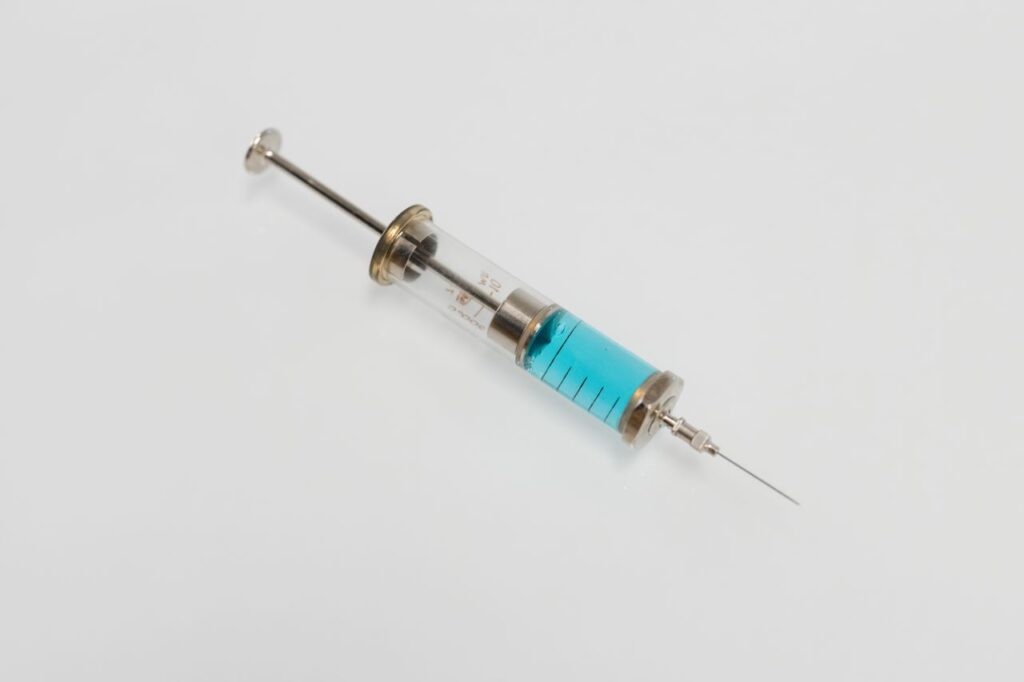
Plastic syringes are lighter, safer, and disposable. They reduce the risk of breakage and cross-contamination, although careful management of plastic waste is necessary.
The Rise of Disposables
Disposable syringes minimize cross-contamination risks. With single-use devices, there is no need to clean and sterilize, protecting both patients and staff. The adoption of disposables has become the standard in many healthcare settings worldwide.
Engineering for Safety
Modern safety syringes incorporate:
- Spring-driven retractable mechanisms
- Automatic shields
- Ergonomic designs to prevent slippage
- Durable plastics and metals tested to meet safety standards
Each design undergoes rigorous evaluation to ensure compliance with safety regulations and usability standards.
Integrating Safety into Practice
Implementing safety syringes requires workflow adjustments and training:
- Sharps injuries account for ~41% of clinic-related injuries.
- Prefilled syringes reduce preparation time, minimize errors, and decrease staff fatigue.
- Efficient drug storage and preparation reduce wastage and streamline care delivery.
- Regulatory frameworks in the EU and the US emphasize sharps safety, demonstrating measurable reductions in injuries.
Key actions for integration:
- Establish safety objectives with your team.
- Conduct regular reviews of syringe usage.
- Gather feedback to identify design or workflow challenges.
- Participate in safety audits and update procedures.
- Provide ongoing staff training for new tools and protocols.
Workflow Adjustments
Adopting safety syringes can require minor but meaningful changes:
- Prefilled syringes free up staff to focus on patient care.
- Training sessions reinforce proper usage and prevent errors.
- Adjusted workflows improve monitoring, reduce waste, and increase efficiency.
- Over time, streamlined routines reduce fatigue, enhance safety, and accelerate care delivery.
Training Protocols
Effective training ensures consistent safety:
- Demonstrate syringe use in a controlled environment.
- Conduct refresher courses regularly.
- Utilize quizzes and feedback loops to measure comprehension.
- Track injury rates to evaluate training effectiveness.
Consistent reinforcement keeps staff prepared and confident, reducing the risk of accidents.
User Feedback
Staff input identifies design strengths and weaknesses:
- Sharing experiences guides improvements in syringe design.
- Feedback loops allow manufacturers to adapt features to real-world clinical needs.
- Transparent communication fosters trust, promotes adoption, and prioritizes safety for all users.
Navigating Safety Regulations
Key regulations supporting safety syringes:
| Regulation | Scope | Example Requirement |
| FDA (USA) | Product safety and approval | Devices must be safe and effective |
| ISO 23908 | Global, device design, and safety | Needles must prevent reuse |
| Directive 2010/32/EU | EU-wide sharps injury prevention | Safety devices required in hospitals |
Compliance ensures protection for both staff and patients, reduces legal risks, and promotes a culture of safety.
Beyond Physical Safety
Safety syringes offer psychological and professional benefits:
Psychological Relief
Needlestick injuries can lead to stress, anxiety, and even PTSD. Using safety-engineered devices reduces worry and allows staff to focus on patient care, improving overall mental health and job satisfaction.
Professional Confidence
Training in safety syringe use builds competence and assurance. Confident staff perform procedures efficiently and safely, benefiting patients and colleagues alike.
Institutional Trust
Transparent safety protocols foster trust in leadership. When staff feel protected, patient satisfaction improves, and the workplace becomes more collaborative and resilient.
Conclusion
Safety syringes are an essential component of modern healthcare. They reduce needlestick injuries, lower exposure to bloodborne pathogens, streamline workflows, and enhance both psychological well-being and professional confidence. By integrating these devices with proper training, feedback systems, and compliance with regulations, healthcare providers can create safer, more efficient, and more trusted clinical environments.
Frequently Asked Questions
How do safety syringes protect healthcare providers?
They use retractable needles, shields, or locks to prevent accidental contact and reduce the risk of exposure to bloodborne pathogens.
What is the main benefit of using safety syringes?
Protection from needlesticks and related infections, ensuring a safer work environment.
Are safety syringes difficult to use?
No, most are intuitive and easy to integrate into existing workflows.
How do safety syringes reduce pathogen transmission?
By keeping hands clear of used needles and preventing reuse or accidental exposure.
What regulations support safety syringes?
FDA, ISO 23908, and EU Directive 2010/32/EU, among others, mandate safety-engineered devices in healthcare.
Can safety syringes be integrated into existing practices?
Yes, with proper training and workflow adjustments, adoption is seamless.
Do safety syringes offer benefits beyond physical safety?
Yes, they reduce stress, improve confidence, and foster a safer workplace culture.
Support Safer Injection Practices With Quality Safety Syringes
Creating a safer clinical environment starts with using safety-engineered devices that help reduce needlestick injuries and support compliance with established healthcare standards. Selecting dependable safety syringes and related injection products can improve workplace safety, simplify clinical workflows, and give healthcare providers greater confidence during everyday procedures. Working with a trusted supplier also helps ensure consistent product availability and reliable support for your facility.
For more than 40 years, Merit Pharmaceutical has supplied healthcare providers with high-quality safety syringes, needles, and other essential medical products. Whether you are updating your facility’s injection safety protocols, evaluating new products, or maintaining everyday inventory, our experienced team is committed to helping you find solutions that meet your clinical and operational needs. Explore our Safety Syringes and Injection Supplies, browse our Needles & Syringes, contact Merit Pharmaceutical with any questions, or register for an account to simplify future ordering.
Disclaimer
The information provided on this website is intended for informational and educational purposes only. It is not a substitute for medical advice, diagnosis, or treatment, and should not be relied upon as such. Healthcare professionals should always use their own clinical judgment when selecting and administering medical products. Patients should consult with a qualified healthcare provider regarding any specific medical condition or treatment.
While we strive to keep product details and information current, Merit Pharmaceutical makes no guarantees as to accuracy, completeness, or applicability to your particular situation. Do not act or refrain from acting solely based on information from this site without seeking appropriate medical or professional guidance. To the fullest extent permitted by law, Merit Pharmaceutical disclaims all liability for any decisions or actions taken based on the contents of this site.