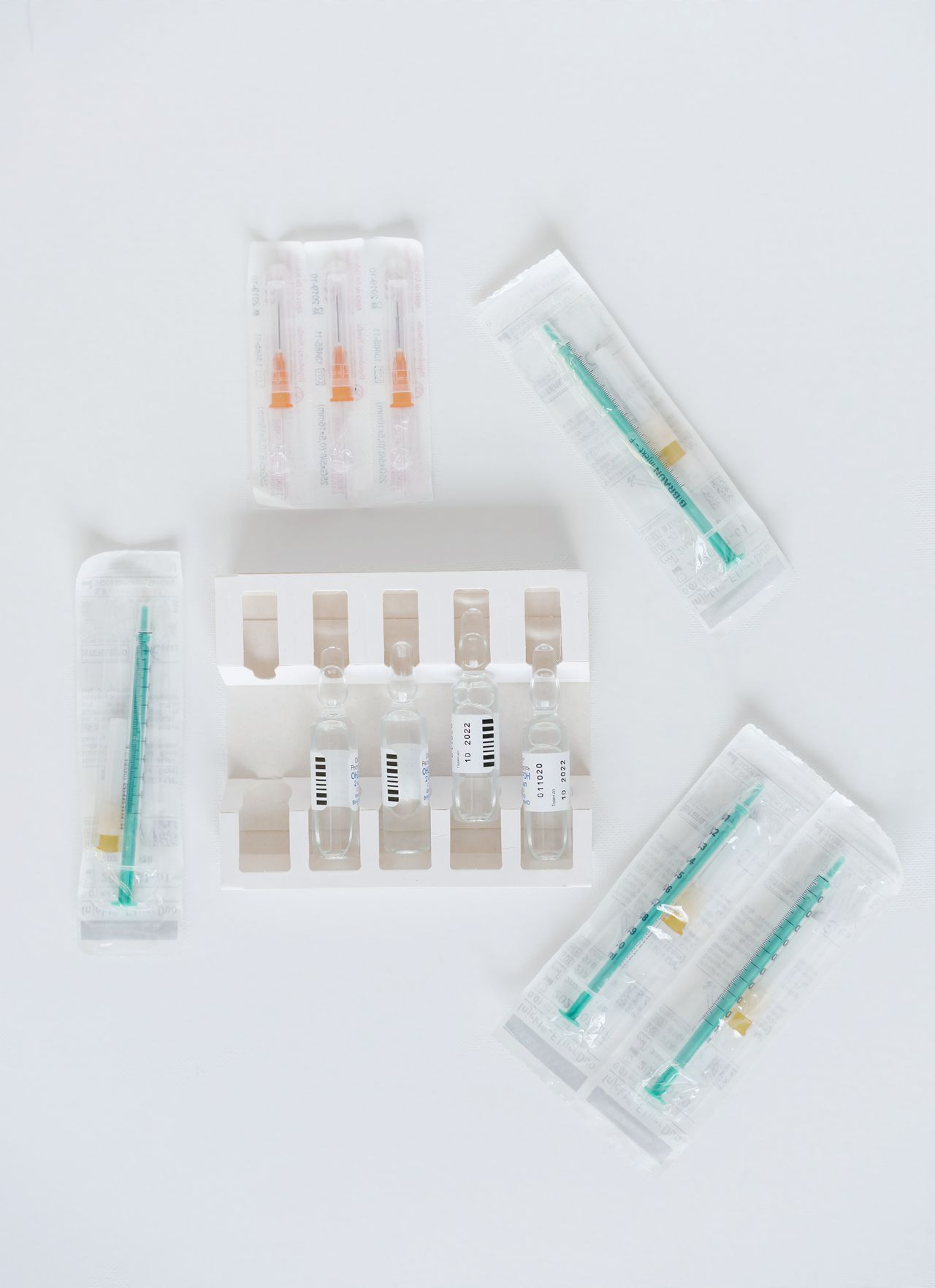
In terms of what makes a controlled pharmaceuticals supplier trustworthy, transparent evidence of compliance, rigorous safety screenings, and traceable product sources come to mind. Trustworthy suppliers like Merit Pharmaceutical have proper licenses, adhere to stringent storage and shipping regulations, and maintain complete documentation for each transaction. We facilitate third-party audits and provide open access to batch testing results. To maintain medication security, Merit Pharmaceutical applies tamper-proof seals and packaging. Our employees understand regulations and stay current on changes. To assist purchasers in making safe selections, transparent criteria and accessible means to verify supplier assertions are crucial.
Key Takeaways
- Most importantly, choose trusted controlled pharmaceutical suppliers like Merit Pharmaceutical based on their commitment to regulatory compliance, quality standards, supply chain security, and transparency, all critical for dependability and compliance.
- Do your due diligence, licensing, product verification, audits, references, in order to ensure a vendor’s legitimacy and ongoing compliance.
- Be alert for red flags like price of documentation inconsistencies, bad communication and audit resistance, they could be a clue to more significant supplier problems.
- Encourage proactive communication and partnership with Merit Pharmaceutical, strong human relationships build trust and solve problems faster.
- Innovate with technology and eco-friendly solutions to optimize supply chain, ensure transparency, demonstrate environmental commitment, and comply with international regulations.
- Establish performance expectations, conduct regular reviews, and promote continuous improvement to build strategic partnerships with Merit Pharmaceutical for long-term success.

The Core Pillars Of A Trustworthy Supplier
Selecting a controlled pharmaceutical supplier involves rigorous checks for safety, quality, and compliance with regulatory guidelines. Trust is built on resilient quality systems, reliable logistics providers, and a secure pharmaceutical supply chain. Merit Pharmaceutical ensures:
1. Regulatory Compliance Supplies
A vendor must be compliant with all legislation related to the Controlled Substances Act and possess important certifications such as ISO 9001 (quality) and ISO 14001 (eco). This compliance demonstrates their adherence to international standards and good manufacturing practice. Additionally, seek evidence of recent certifications and verify if they participate in drug supplier qualification programs that require rigorous screening. Continuous audits enable us to assess supplier reliability and ensure they stay current with state and national laws, allowing us to identify and address potential hazards early.
2. Quality Assurance
Suppliers require a demonstrated quality management system grounded in good manufacturing practices, which is essential for ensuring pharmaceutical quality. Check out their quality agreements, outlining how they maintain products secure and quality. Consistent, metric-based audits count, they indicate if the supplier maintains robust supplier reliability or begins to wane. Query automated reporting and real-time tracking tools, which aid in trouble-spotting within the pharmaceutical supply chain. Rigorous quality control, from raw goods to finished products, demonstrates a supplier’s dedication to safety.
3. Supply Chain Integrity
Verify if suppliers collaborate with dependable shipping companies that are also recognized logistics providers, ensuring secure and timely delivery. A supplier with an agile pharmaceutical supply chain can absorb disruptions or delays without jeopardizing patient outcomes. Hard ties to reliable raw material suppliers and efficient inventory management prevent scarcities or gluts. Tech tools, such as real-time supply tracking, help to make the chain both safer and more transparent.
4. Unwavering Transparency
Trustworthy suppliers, including logistics providers and pharmaceutical manufacturers, provide transparency regarding the origin of ingredients and compliance with regulatory guidelines. They notify supply chain changes immediately and provide updates on agencies’ inspections. Suppliers should disclose how they price, assisting buyers in budgeting and avoiding unexpected surprises. Transparent, candid communication is the cornerstone of lasting confidence.
5. Operational Excellence
A good supplier operates slick, well-oiled processes for every order, ensuring supplier reliability in the pharmaceutical supply chain. They employ cutting-edge technology to work faster and safer, continually educating themselves on new methodologies. Monthly or quarterly reviews and knowledge sharing keep them sharp and dependable, which is essential for distributors and logistics providers.
Beyond The Paperwork
Reliance on the pharmaceutical supply chain under tight control is not document-worthy. Although licenses and compliance records are required, the true measure comes in day-to-day human interactions and collaborative problem resolution. In practice, the words “beyond the paperwork” mean seeing the forest, considering the personalities, the culture, and the real-world happenings that influence results in the pharmaceutical industry. Professionals must move beyond checklists, employing judgment and empathy in the moment. It’s about viewing the big picture, from regulations and best practices to the specific cultures in which teams collaborate across global supply chains.
Human-Focused Design
Establishing rapport with supplier reps sets the stage for transparent negotiations and trust. Small things, like recalling names, respecting work styles, arriving to calls punctually, count. This rapport comes in handy when difficult decisions must be made or when unexpected developments arise down the chain.
Knowing a supplier’s culture and values helps set reasonable expectations. Some companies prioritize speed, others value accuracy above everything. Identifying these characteristics informs your communication, goal-setting, and problem-solving. Consistent get-togethers, face to face or by video, helps maintain bonds and really lets you get a feel for who you’re collaborating with. They bridge the gap that paperwork can’t. Vendors that respond promptly to inquiries and address problems demonstrate their dedication to meeting your demands. This type of service orientation sustains trust and easy work on a day-to-day basis.
Proactive Communication
Establishing explicit points of contact ensures that everyone stays informed, particularly when adjustments or setbacks occur within the pharmaceutical supply chain. Vendors who provide quick updates when there are issues or schedule changes make it significantly easier to proactively plan for shipments. A culture that embraces candid feedback and follows through on it just increases confidence, allowing teams to respond rapidly and close gaps before they become major issues.
Crisis Management
Contingency plans with logistics providers can cushion the impact of abrupt fractures in the pharmaceutical supply chain. Knowing a supplier can pivot in a crisis is about looking at what they’ve done before, not just what they say they’ll do. Examine how they dealt with previous shortages or logistics snags. Did they come in fast? Did they stay in business with you? A team effort in handling hiccups pays dividends, leading to faster answers and deeper confidence.
How To Verify Supplier Credentials
Supplier verification in the controlled pharmaceuticals space isn’t a one-time step, it’s a formalized, continuous process essential for maintaining pharmaceutical quality. It’s about more than a license check or a call, it’s about trust, built on documented proof and continuous monitoring and painstaking attention. For global buyers, checking a supplier’s pedigree and credentials assists in minimizing the risk of counterfeit, substandard, or risky products entering the pharmaceutical supply chain. This encompasses auditing, product tests, and reference checks, each critical to ensuring the supplier is up to standard on quality, safety, and compliance.
- Conduct on-site audits to see if the supplier adheres to GMP and other necessary regulations.
- Check for appropriate facility layouts, secure storage and recorded quality control.
- Interview staff to gauge their training and protocol knowledge.
- Check batch records, process controls, and cleaning logs for holes.
- Ask about incident response plans and traceability protocols.
- Verify supplier certifications and audit records.
- Verify supplier credentials using a risk-based approach, prioritizing suppliers with greater potential impact on product safety.
Licensing Verification
Verify the supplier’s credentials for the controlled substances market in the pharmaceutical supply chain. These credentials should be up-to-date and valid in each area where the supplier operates, ensuring compliance with local and national controlled substance laws. Additionally, examine the supplier’s regulatory history for past violations or open compliance matters that may present risk. In certain regions, state or national prescription monitoring programs provide searchable databases to confirm supplier reliability. Suppliers must be licensed and should be able to produce evidence on request.
Product Authentication
Third party testing is the best way to verify that provided pharmaceuticals meet the pharmaceutical quality standards as promised. Independent labs should test product samples for purity, potency, and contaminants. Tracking systems, barcodes or RFID, trace back where raw material suppliers and batches came from. Appropriate labeling and dosage information is essential, absent lot numbers, foreign language, or strange expiration dates are a warning. Reliable suppliers maintain oversight of product quality at every phase, from origin to delivery.
On-Site Audits
Arrange occasional audits on the supplier’s premises, focusing on supplier reliability and adherence to good manufacturing practices. These audits can be completed by your team or with an independent auditor for impartiality. Check results to identify patterns and weaknesses, ensuring that suppliers take corrective actions to maintain compliance with industry standards.
Reference Checks
Contact other buyers or partners of the supplier, focusing on reliability and product excellence within the pharmaceutical supply chain. Ask direct questions about delays or quality checks related to controlled substances. Deploy this information to balance the supplier’s reputation and identify potential hazards, ensuring compliance with drug distributor accreditation criteria.
Red Flags In A Supplier Relationship
Trust in a controlled pharmaceuticals supplier involves more than just credentials, it requires evidence of supplier reliability through daily behavior and thorough documentation. Recognizing red flags early can help logistics providers avoid disruptions, compliance failures, or worse, endangering patient safety. Such red flags necessitate continuous attention and review as part of operational planning.
Pricing Discrepancies
A thorough price review starts with a checklist: note the date and reason for each price change, verify supporting data like market shifts or raw material costs, and compare with third-party sources. If a supplier marks up products with no rhyme or reason, or payment terms appear suspiciously fantastic, that indicates it’s time to investigate further. Big or frequent price swings, particularly those inconsistent with industry trends, may be a sign of financial instability or an effort to mask hidden issues.
We’ve found it’s crucial to benchmark suppliers against industry averages and watch for trends like recurring hikes at renewal that may signal supply chain pressure or internal inefficiencies.
Inconsistent Documentation
Go through each and every paper, shipping documents, invoices, conformity certificates, looking for discrepancies and consistency with one another. Missing or mismatched information, particularly on regulatory paperwork related to controlled substances, can be a warning sign. In audits, the capacity of a supplier to respond with timely, comprehensive, and consistent information is key to ensuring pharmaceutical quality. Any holes or constant revision of key documents should be a red flag. If a supplier can’t support their books or you detect inconsistencies between disparate records, this risk can translate to quality of output or compliance status, as well. Incomplete documentation isn’t just a nuisance, it’s an actual liability.
Poor Communication
Slow responses, ambiguous status updates, or abrupt shifts in contacts can cause disruption to your scheduling and delay your response for quality or delivery concerns. Bad communication can mask more serious issues, such as non-compliance within the pharmaceutical supply chain or internal confusion. Setting clear communication routines, such as regular check-ins, benefits both sides and simplifies early problem detection. If a supplier pushes back on these steps or doesn’t improve after feedback, it’s time to question their supplier reliability.
Resistance To Audits
If a supplier balks at formal audits, that’s a massive red flag in the context of supplier qualification. Audits enable buyers to confirm the processes, financial stability, and legal compliance of logistics providers. Resistance often indicates underlying non-compliance, weak controls, or even hidden subcontractors. Being transparent right from open discussions on audit processes and regular follow-ups keeps the relationship transparent. Repeat reluctance is, in my mind, a major red flag.
The Future Of Pharmaceutical Sourcing
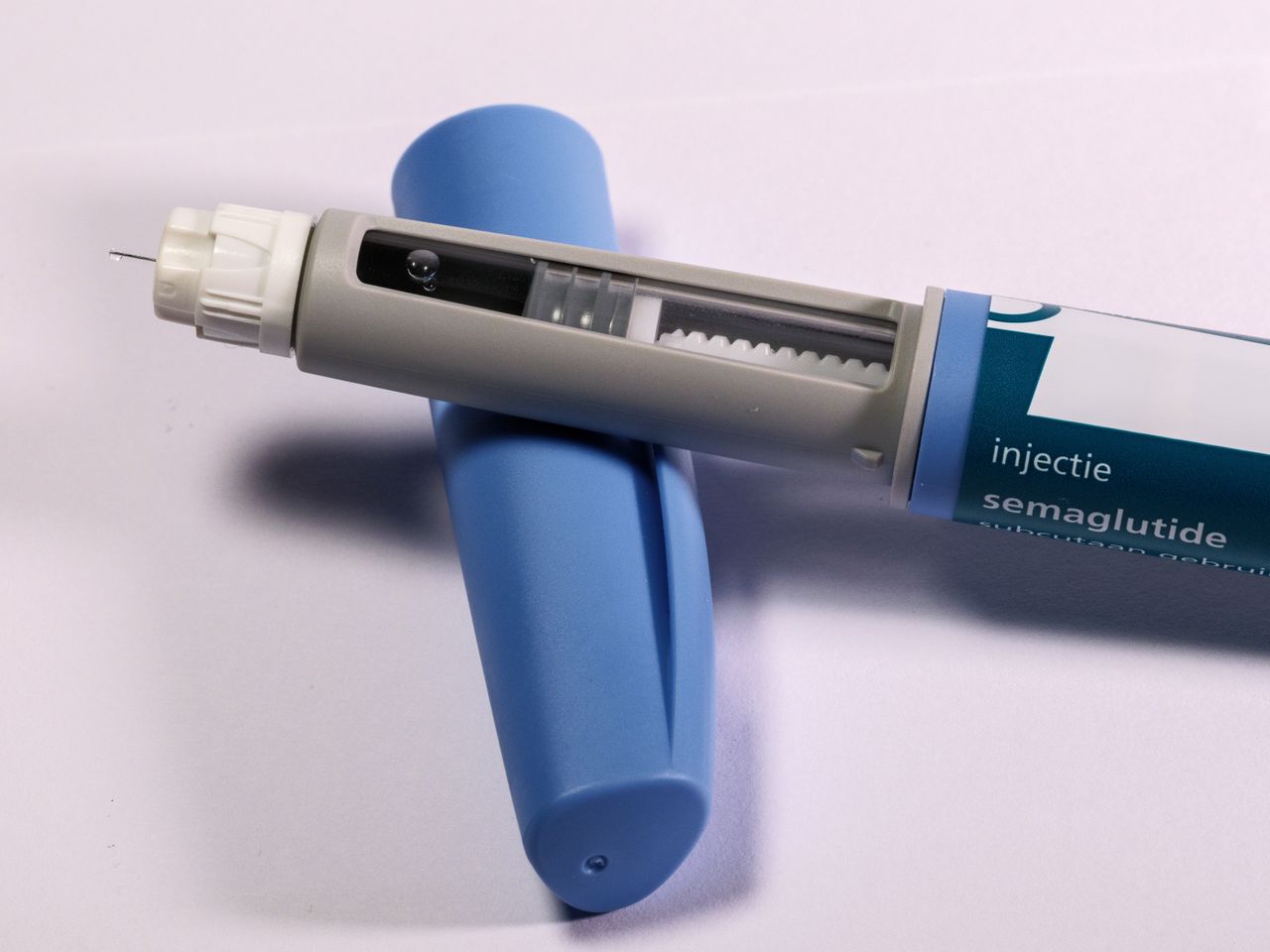
Pharmaceutical sourcing now encounters major disruptions influenced by digital transformation, demands for sustainability, and a push towards global regulatory harmonization in the pharmaceutical supply chain. The table below shows the key trends and innovations making an impact.
Trend/Innovation | Timeline/Category | Impact Area |
Automation and AI in Procurement | 2024-2026 | Productivity, Efficiency |
Digital Traceability Platforms | 2025-2027 | Transparency, Risk Management |
Eco-Friendly Logistics | Ongoing | Sustainability, Cost Reduction |
Global Regulatory Harmonization | 2026-2030 | Compliance, Market Access |
Technological Integration
Supply chain visibility and traceability have become mandatory for reputable logistics providers. With blockchain and RFID tagging, suppliers can monitor and record each step a product makes, from source to delivery. Real-time monitoring platforms allow both buyers and suppliers to identify deviations as they occur, enhancing the pharmaceutical supply chain management. This transcends basic inventory audits, streamlining recall management and counterfeit prevention. For instance, cloud-based dashboards now enable real-time data sharing and immediate alerts if a shipment strays off course.
Data analytics is now a centerpiece of sourcing. By crunching supplier data, buyers can identify trends, evaluate supplier performance, and forecast risks associated with raw material quality or delivery times. Procurement automation is gaining traction, with the industry anticipating a 20% increase in productivity over the next 12-18 months. Suppliers who use these tools put themselves at a distinct advantage. Automated order handling, digital audits, and virtual quality checks all enable them to act quicker and reduce mistakes.
Sustainable Practices
Sustainability is not just a buzzword in the pharmaceutical industry. Many logistics providers now evaluate suppliers on their environmental footprint and social responsibility. Some vendors are transitioning to recycled or compostable packaging, while others are implementing route-planning strategies to reduce emissions. For instance, companies increasingly utilize electric vehicles for short-haul delivery, enhancing their efficiency.
Raw material sourcing is under scrutiny, and suppliers who are transparent about their ingredients and practice responsible sourcing often gain loyalty. Waste reduction is crucial, and strong waste management policies, along with resource-saving measures like reusing solvents, help distinguish reliable wholesale distributors.
Global Harmonization
Varying standards impede international sourcing. Harmonizing standards, notably, inspections were up 17.6% recently, allowing vendors and purchasers to operate internationally. Industry coalitions advocate for common standards to establish baseline quality and safety.
Suppliers need to stay on top of evolving regulations and participate in discussions with regulators and collaborators. Many now join working groups or utilize compliance-tracking software to stay aligned. Stricter quality agreements, with defined responsibilities and transparent audit rights, are to become standard.
Building A Strategic Partnership
A strategic partnership with Merit Pharmaceutical is more than just an agreement, it represents a shared journey for years to come. Confidence deepens as both parties collaborate, maintain communication, and strive for mutual benefit. Before any agreement is finalized, both sides must identify and agree upon the critical issues that matter most. This foundational understanding solidifies the groundwork for the entire effort. Familiarity with Merit Pharmaceutical’s history, business model, and aspirations aids in early risk detection and fosters a stronger connection. During due diligence, thorough examinations of operations, checks on the pharmaceutical supply chain, and open discussions about interests define this initial period.
Establishing objectives and methods to monitor advancement is essential. These objectives might concern protection, excellence, promptness of implementation, or collaboration on both ends. Performance metrics like on-time delivery, compliance and quality statistics provide an objective method of measuring whether the supplier is holding up their side of the agreement. Ongoing reviews help to keep them on track. By checking in frequently, both parties can discuss what’s working and what isn’t. Feedback sessions assist in identifying trends and repairing gaps and ideas. This keeps the partnership fresh and adaptable to change. Great reviews employ hard data, such as audit logs or shipment records, as well as soft feedback, such as team input on collaboration ease.
For a partnership to remain robust, both parties must be committed to its improvement. It’s not just about addressing issues but also about enhancing the partnership’s effectiveness. This may involve adopting new technologies for tracking shipments, implementing more efficient shipping methods, or developing collaborative strategies for navigating new regulations. Such an approach encourages consideration of the entire market, rather than focusing solely on a select few traditional partners, to identify better matches. The most resilient partnerships are characterized by transparency regarding potential risks, mutual investment, and support at every leadership level. When both parties share in the wins and losses and collectively build on growth, the partnership with Merit Pharmaceutical can endure and deliver significant value.
Final Remarks
To select a reputable controlled pharmaceuticals supplier, concentrate on evidence of legitimacy, transparent histories, and straightforward communication. True trust is demonstrated in compliance to regulations, test result transparency, and rapid response to any mishaps. Merit Pharmaceutical supports its words with substance and extends trust by inviting external audits and providing direct access to our quality unit.
If a supplier skirts straightforward questions or conceals essential information, that’s a major red flag. To expand your business with less danger, verify each representation, inquire, and document. The safer this work becomes, the more openly we can discuss it, because with Merit Pharmaceutical, transparency and safety are the foundations of long-term success.
Frequently Asked Questions
1. What Makes A Controlled Pharmaceutical Supplier Trustworthy?
A reputable controlled pharmaceuticals supplier, adhering to industry standards and regulatory guidelines, ensures the quality and safety of their products, which is essential for patient safety.
2. How Can I Verify A Supplier’s Credentials?
You can confirm qualifications by reviewing licensing with appropriate regulatory bodies and asking for evidence of certifications, including drug distributor accreditation, to ensure supplier reliability.
3. What Are Common Red Flags When Choosing A Supplier?
Things to watch out for in the pharmaceutical supply chain are ambiguous paperwork, lack of traceability, unresponsive communication, and hesitancy to divulge certifications or supplier audit records.
4. Why Is Regulatory Compliance Important For Suppliers?
Regulatory compliance confirms that the supplier, including logistics providers and pharmaceutical manufacturers, adheres to necessary safety, quality, and legal standards, ensuring quality medicines and shielding your company from liabilities.
5. How Do Trustworthy Suppliers Ensure Product Quality?
Trusted logistics providers employ quality management systems, conduct regular supplier audits, and maintain transparent pharmaceutical supply chains, ensuring traceability for each batch with dependable documentation.
Choose A Controlled Pharmaceuticals Supplier You Can Verify With Confidence
Selecting a controlled pharmaceuticals supplier is about more than meeting regulatory requirements. It’s about working with a partner that values transparency, product integrity, and dependable service throughout every stage of the ordering process. For more than 40 years, Merit Pharmaceutical has supported healthcare providers with reliable sourcing, documented compliance, and responsive customer service designed to help practices make informed purchasing decisions. Whether you’re looking for Controlled Pharmaceuticals, Wholesale Medical Supplies, or other essential pharmaceutical products, our team is committed to helping you navigate procurement with confidence.
If you’re evaluating a new supplier or strengthening your existing purchasing process, explore Merit Pharmaceutical’s Controlled Pharmaceuticals category to learn more about our available products and commitment to quality. You can also browse our Wholesale Medical Supplies selection for additional clinical essentials or Register for an Account to access product availability and pricing. If you have questions about product sourcing, compliance, or ordering, our team is always available through our Contact Us page to provide guidance and support.
Disclaimer
The information provided on this website is intended for informational and educational purposes only. It is not a substitute for medical advice, diagnosis, or treatment and should not be relied upon as such. Healthcare professionals should always use their own clinical judgment when selecting and administering medical products. Patients should consult with a qualified healthcare provider regarding any specific medical condition or treatment.
While we strive to keep product details and information current, Merit Pharmaceutical makes no guarantees as to the accuracy, completeness, or applicability of the information to your particular situation. Do not act or refrain from acting solely on the basis of information found on this site without seeking appropriate medical or professional guidance. To the fullest extent permitted by law, Merit Pharmaceutical disclaims all liability for any decisions or actions taken based on the contents of this site.