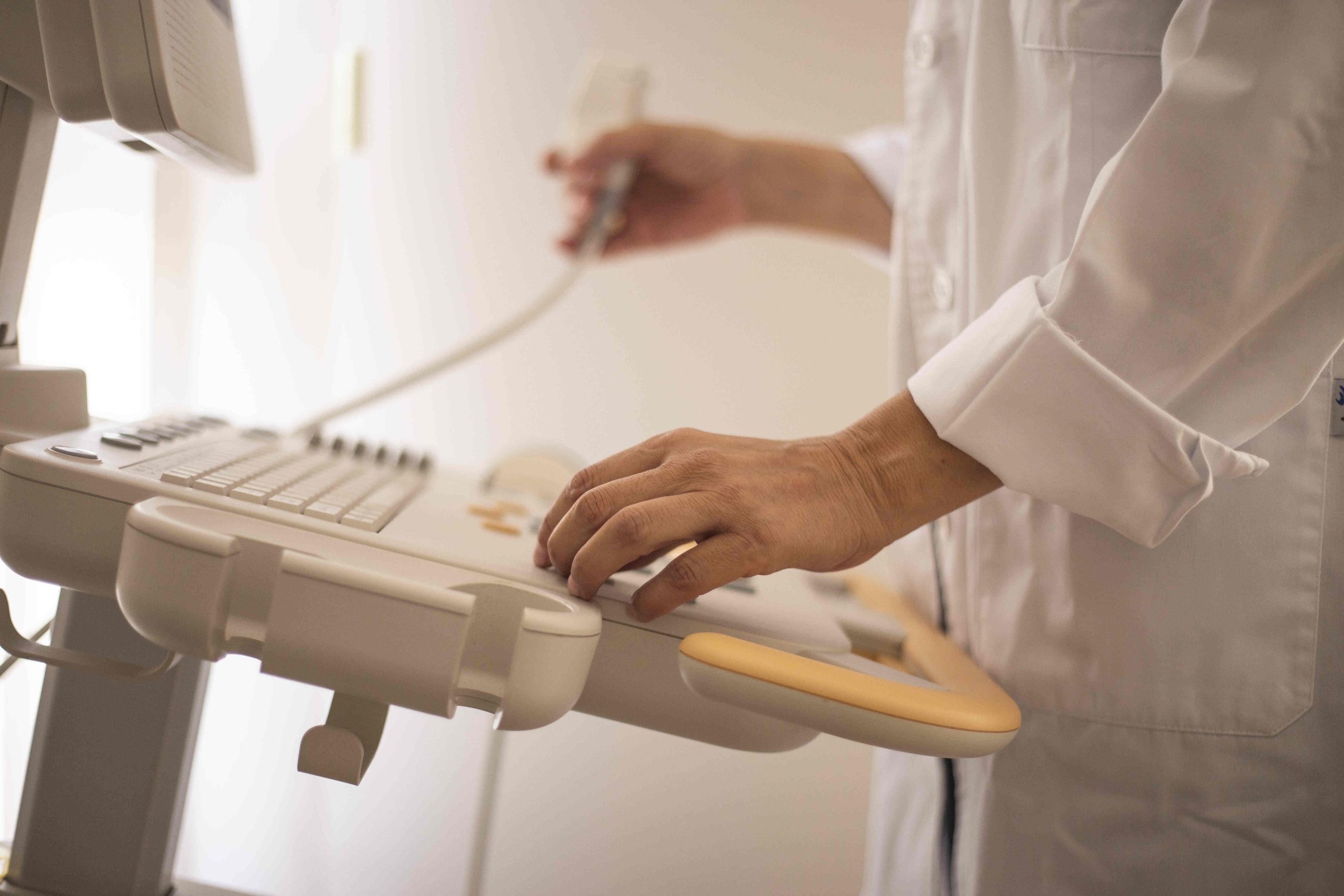

IV infusion products enhance efficiency because they can deliver drugs fast, steady, and easy to keep track of. These devices provide nurses with more precision over patients’ medicine intake and enable physicians to intervene quickly in emergencies. With IV pumps and smart drips, nurses reduce errors and save time each shift. Hospitals and clinics leverage these products to maintain patient documentation clean and assist their teams collaborate better. By reducing wait times and alleviating work pressure, IV infusion products enable care teams to concentrate on patients.
At Merit Pharmaceutical, we understand how critical these solutions are to modern healthcare. To demonstrate how these characteristics play out in reality, the core text will explain major advantages, discuss typical applications, and highlight primary safety considerations.
Key Takeaways
- IV Infusion Products enable healthcare efficiency by reducing the time it takes to insert, reducing insertions through standardized protocols, and providing better vein visualization reducing error and the time spent by clinical staff.
- Together with advanced tools and smart infusion systems, this brings automation to mundane tasks, reduces manual entry errors, and improves dose accuracy through real-time connectivity with electronic medical records.
- Efficient management of IV lines, supplies, and resources eliminates complications, maximizes nursing staff workload, and safeguards patient safety, increasing patient throughput and satisfaction.
- Careful product design, informed by material science and human factors engineering, guarantees ease of use, longevity and an ergonomic advantage, all that results in a safer and more efficient clinical setting.
- Routine staff education, continuous protocol review, and transparent dialogue encourage an environment of safety, flexibility, and constant betterment in infusion therapy.
- By investing in efficient IV systems and technologies from Merit Pharmaceutical, healthcare entities can tackle these costs, waste, and inefficiencies head-on while setting themselves up for long-term sustainability and innovation.

How IV Products Enhance Efficiency
IV Products have transformed the way care teams operate, making it faster, safer, and less error-prone. With high patient volumes and increasing complexity, healthcare environments require solutions that save time and deliver results. Merit Pharmaceutical supports providers with advanced IV infusion products designed to streamline workflows and improve safety.
1. Time Savings
Specialized vascular access teams and cutting edge vein visualization devices accelerate IV placements by simplifying vein identification and optimizing first attempt success. This minimizes the agony of multiple sticks and maintains momentum in protocols. Innovative line management systems assist employees collect materials efficiently and minimize setup time.
Checklists simplify the insertion process by ensuring nothing is overlooked. Technology, like smart infusion pumps with automatic tasks, does the grunt work and allows clinicians to concentrate on caring for patients. This all adds up to big time savings over the course of each shift.
2. Error Prevention
Staff-wide protocols reduced high-risk overrides 52%. So, a lot less medical errors. Real-time documentation tools enable teams to record essential information as it occurs, minimizing the chances of overlooking important details. Color-coded labels on IV lines help stave off mix-ups, particularly in high-traffic spaces.
Continuous staff education and periodic audits keep teams informed on best practices, maintaining safety. Dose error reduction software (DERS) flags dosing errors and avoids nearly 28% of infusion errors. Merit Pharmaceutical helps healthcare organizations adopt these systems with confidence.
3. Workflow Optimization
Smart IV workflow technology streamlines medication prep by automating checks and balances. IV management software can identify and resolve issues before they get to the patient. Well-organized IV lines, using both line managers and color coding, avoid tangling, so it’s simple to locate and manage any line.
Collaboration between nurses, pharmacists and physicians is simpler when everyone is using the same system and best practices. Technology-assisted workflows identify that errors 14X as often, enabling both safety and fast.
4. Resource Management
Dedicated vascular access teams ensure that IV placements are handled by the most qualified professionals, leading to greater expertise and improved outcomes. Consistent staffing practices and routine competency checks keep every team member skilled and confident. Proactive monitoring of IV supply inventory helps prevent shortages while minimizing waste. Smart scheduling further maximizes the efficiency of both specialized staff and essential equipment.
Merit Pharmaceutical supports healthcare providers with reliable IV supply solutions that make this level of resource management possible.
5. Patient Throughput
So by minimizing IV placement time, you amp up the volume of patients that can be treated each day. Higher first-stick success rates increase patient satisfaction by minimizing pain and wait times. Tools that cut complications help patients heal quickly and make resources available to more. By minimizing the time per patient, teams can treat more without sacrificing quality.
The Anatomy Of Efficient Design
IV infusion products soar in productivity when their design prioritizes users and context. Mindful engineering promotes fluid processes, reduces mistakes, and renders care more secure and expedient. Good design is invisible, in the fit of IV sets in daily hospital routines, in the feel in hand, in the way they connect to digital records. Every element from the substance to the mechanism connects to a single objective, assisting employees and individuals to access the most effective result with the minimal resistance.
Merit Pharmaceutical’s IV infusion products are designed with this balance of usability, safety, and innovation in mind.
Material Science
Material selection powers device safety and staff confidence. Excellent grade plastics prevent cracks and can withstand a wide temperature spectrum, imperative as IV sets must operate under diverse clinical conditions. Devices constructed with pliable, skin-friendly materials reduce patient irritation and are less likely to induce allergies. This attention to comfort rewards in patient compliance and rapid recovery. Compatibility is key as well, tubing and connectors can’t react with the drugs they deliver or break down. R&D into novel polymers, coatings and composites continues to break new ground, with advances toward biocompatibility and sustainability.
Human Factors
Designers who analyze how nurses and doctors really use IVs discover opportunities to eliminate wasted time and effort. For instance, an ergonomic clamp or one-handed operation can cut key seconds off of switching a bag, which normally takes staff 39-41 seconds. Ergonomic design reduces fatigue, particularly on long shifts. Usability tests tend to expose pain points that wouldn’t otherwise appear in the realm of theory, such as uncomfortable grip angles or confusing markings. Staff feedback is key, it results in size or weight adjustments that mean the difference between a device that works in the lab and one that fits into actual, busy wards. Streamlined workflows, for example, can reduce nurse burden by nearly 49 minutes a day, new data finds.
System Integration
IV stuff now frequently ties directly into EMRs, so it’s easier to track doses and timings. Uniform data standards reduce the likelihood of mistakes, with some hospitals observing a 52% decrease in dangerous overrides after transitioning to these systems. Some are equipped with universal ports and interfaces, sharing data seamlessly across platforms and brands, so nurses don’t spend time converting files or re-typing numbers. Sensors with ±1.5 mm accuracy and 500 ms response times enable real-time monitoring, flagging drips or blockages before they pose a danger. Integration with DERS can avoid 28% of dosing errors, allowing staff to intercept errors early.
Smart Infusion Systems
Smart infusion systems set new standards for efficiency and safety with automated controls, real-time data sharing and detailed analytics. They reduce human error, reduce manual overhead, and improve patient outcomes, making them an essential component of contemporary hospital and clinic workflows.
Dose Error Reduction
Smart infusion pumps can do dose calculations too. They reduce errors that arise from manual calculations, particularly in time-sensitive medications. They’re the only such systems that can detect open tubing failures or incorrect pump rates, top sources of IV errors. Smart alerts and reminders intervene before an issue impacts the patient. Research indicates they might prevent as much as 28% of infusion errors by identifying dose mismatches. Yet most alerts get overridden, so it has to meet the workflow of nurses and doctors. Double-check measures such as barcoding or a second scan contribute to error prevention prior to medication administration. Standard steps resulted in a 52% reduction in dangerous overrides in a single hospital.
Tips for training staff on dose accuracy:
- Include hands-on instruction with actual devices.
- Look at general error categories, such as incorrect rate or open lines.
- Train to react to alarms.
- Emphasize the importance of double-checks each time.
EMR Connectivity
Infusion devices connect with EMR systems so patient information updates in real time. When a nurse hangs an IV, the device feeds data directly to the record, reducing labor and preventing transcription errors. This link enables all members of the care team to view real-time infusion status, eliminating communication lags. It simplifies charts too, liberating nurses to care for patients instead of type. The effect extends well past saving minutes, usguardrail e now exceeds 95% in certain environments post-system launch. Seamless data flow means less missed doses and a better experience for staff and patients!
Data Analytics
Smart infusion systems collect data on every drip and dose and delay. Analytics assist teams in identifying trends, such as which medications cause the most alerts or when lines are likely to clog. By dissecting metrics, managers can alter processes for improved outcomes. Data buoys staff training too, exposing where mistakes still sneak past. Resource planning gets better as well, understanding how much of each fluid is used keeps inventory just right. Liquid level sensors now get to ±1.5 mm accuracy, so clinics can rely on the readings.
Metric | Outcome | Example Result |
Dose Error Alerts Prevented | 28% reduction | IV dosing errors |
High-Risk Overrides | 52% reduction | Post-standardization |
Guardrail Compliance | >95% achieved | After rollout |
Alert Bypass Rate | 75.8% bypassed | 15 hospitals |
Liquid Level Sensor Accuracy | ±1.5 mm | 500 ms response |
The Human Element In Infusion
Infusion doesn’t rely on the newest machine, it depends on the human element of care, the people giving and receiving it. The role of the healthcare provider, particularly nurses, is key to safe and efficient infusion. A user-centered design, informed by tens of thousands of man-years of human factors research, drives how we design and utilize IV infusion products. Mistakes arise from device imperfections and from operator fallibility, which is why gauging the human element is crucial to enhancing results.
Nurse Workload
Nurses have a multitude of duties during IV therapy, from programming pumps to checking on patients. To lighten this burden, infusion products now deploy smart alarms, pre-programmed drug libraries and more. Such tools assist in automating these basic steps and minimizing manual entry, which, as research demonstrates, is error-prone. Typographical errors in infusion rate or volume, for example, occur in more than 7% and 16% of cases, respectively. After all, these products are most effective with sufficient personnel on shift and robust infrastructure behind them. When nurses get real-time monitoring and unambiguous alerts, they can intervene rapidly and prevent complications. Staffing levels matter, too. Overworked teams are more prone to errors. Support resources, like peer mentoring or quick-reference guides, keep nurses on track and make the workload more manageable.
Patient Safety
Safety first in infusion! Protocols establish precise action for each process, and ongoing training keeps people keen. These advanced pumps can monitor flow rates in real time and notify personnel to issues, but positioning of components like the droplet detector is key. A badly positioned sensor, for example, can increase error rates by 25%. Batteries impact accuracy as well. Low quality batteries can alter flow rates by up to 30%. Cultivating a safety culture implies empowering employees to disclose and learn from mistakes, not conceal them. Patients as well when they know the drill and pipe up. This collective accountability aids in detecting issues earlier and fosters trust.
Staff Training
Continuous education is a must for safe IV therapy. Simulation programs allow personnel to rehearse skills in realistic environments and learn from errors without danger. Cross-training amplifies each member’s skillset, rendering the whole team more agile and ready for anything.
Assess training effectiveness by:
- Measuring error reduction rates over time
- Collecting feedback from trainees on confidence and skill retention
- Observing practice in simulated or real settings
- Reviewing compliance with safety protocols
The Hidden Costs Of Inefficiency
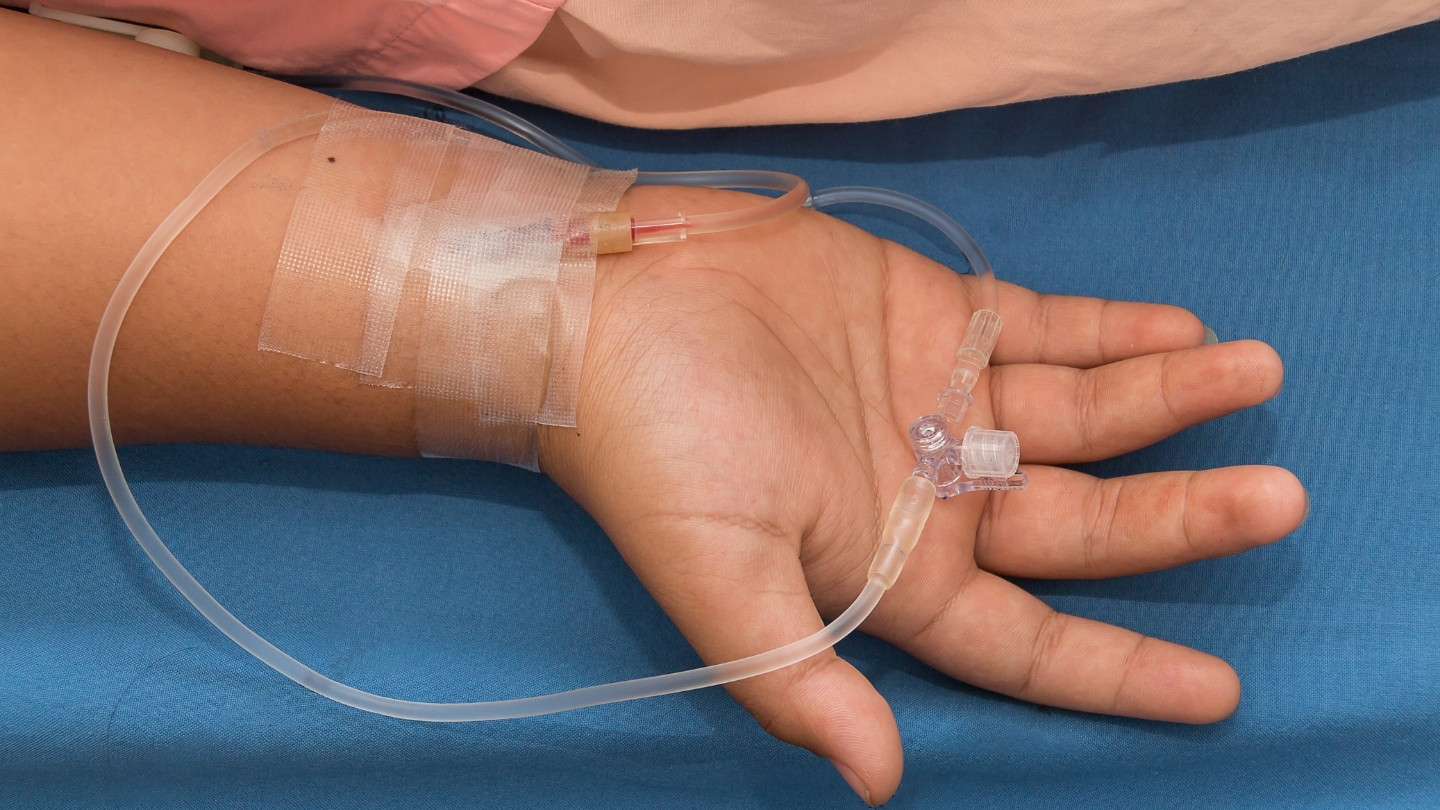
Inefficiency in IV therapy carries genuine, and frequently disregarded, expenses for healthcare providers. IV therapy with inefficient manual flow regulators and drop counting is a giant waste. For instance, they find that these manual approaches can run as high as $409.56 and $411.77, respectively, per patient cycle. These costs add up in bustling hospitals, particularly when multiplied by hundreds of patients a week. Manual processes are cumbersome. It takes on average between 6.82 and 7.17 seconds to process each IV bottle by hand. This doesn’t sound like much, but the minutes add up quickly with every patient and every shift. When medical personnel walk only 25 meters between stations, it consumes approximately 36 seconds per round trip. Over a day these tiny losses add up to staff having less time for patient care.
The price is obvious when you look at the two devices. Inefficient infusion pumps cost $2,404.92, for example, and the same device, if well designed, can be as low as $707.76. It’s not just the sticker price. It comes from the time saved. With enhanced IV infusion products, staff can save up to 2,925 seconds, roughly 48.75 minutes, per day. Such time savings translates into nurses being able to care for more patients, follow up on quality of care, or handle other critical tasks.
Infusion Method | Total Cost (USD) | Processing Time per Bottle (seconds) |
Manual Flow Regulator | $409.56 | 6.82 |
Drop Counting | $411.77 | 7.17 |
Efficient Device | $707.76 | <6.82 |
Inefficient Pump | $2,404.92 | >7.17 |
To slash these stealth expenses, it’s crucial to invest in waste-reducing systems. One practical approach is to adopt user-centered design in medical devices. Devices that are more user-friendly, have greater precision and transparent feedback, err less and require less training. Infusion pumps, for example, are only accurate within 5% in very particular circumstances, and mistakes in this area can cause even more waste and danger. With a culture of continuous improvement, healthcare teams can continuously test and select superior tools, replace legacy processes, and train staff to use new devices effectively. This efficiency push doesn’t only save cash, it helps make care safer and more dependable for all.
Future Of Infusion Therapy
Infusion therapy is going to change in significant ways as new technology and patient needs continue to shape the field. Industry pros anticipate smart pumps, data tools, safety focus as big trends that’ll matter.
New technology will heavily influence the future of infusion therapy. Smart pumps that connect with EHRs will help nurses and doctors administer the right drug at the right time. They can pull up a patient’s record and check for drug allergies and help reduce errors. A lot of people imagine that these pumps will shortly talk to each other at the bedside, exchanging information about drug-drug interaction or fluid goals. For instance, if two drugs don’t mix well, the pumps could alert that in real time. RFID tags and asset tracking will pair each pump to a patient, ensuring the correct individual receives the correct dose. This enables you to monitor the location of a pump within a hectic hospital, conserving time and maintaining smooth operations.
Patient needs are evolving, and infusion therapy devices have to keep pace. With an increasing number of patients receiving care in the home or outpatient centers, pumps have to become easier to use and safer. User-centered design is crucial. Designing pumps with intuitive screens, easy buttons, and smart alarms will assist nurses, patients and caregivers in preventing errors. There’s a drive to reduce alert fatigue, so caregivers aren’t inundated by alarms. Smarter alarms that identify actual danger and eliminate the distraction will make care safer and more serene.
Design innovation will fuel the next wave of change. New pumps could leverage PK/PD data, i.e. Each dose can be dosed based on how a patient’s body processes a drug. This may potentially render treatment safer and more effective by tailoring it to individuals. Technology that detects problems before they occur, such as incorrect rates or dose sizes, can identify issues early.
Innovation will be at the center of the future of infusion therapy. Additional research, improved analytics, and actual user input will influence more secure, intelligent devices. As the technology advances, so too will the applications through which these pumps assist in addressing intricate health care requirements.
Final Remarks
IV infusion products are a game changer for health teams. Nurses and doctors operate more quickly with tools that eliminate steps. Smart pumps follow every drip to help prevent errors. Basic tubing and fast-connect components shave minutes every shift. Improved equipment translates into reduced mistakes and decreased expenses. You can find these real-world gains in patient care, not just in the numbers. Smart tech doesn’t just beep alarms, it senses problems before humans do. The next wave delivers more smart control and improved data. Health teams have time for patients, not paperwork.
At Merit Pharmaceutical, we are committed to providing healthcare organizations with reliable, innovative IV infusion solutions that improve efficiency, safety, and patient outcomes. To learn more about how we can support your team, contact us today.
Frequently Asked Questions
1. How Do IV Infusion Products Improve Efficiency In Healthcare?
IV infusion products administer fluids and medications directly into the bloodstream. It accelerates care, minimizes mistakes, and enables clinical teams to treat more patients in less time.
2. What Features Make IV Products Efficient In Design?
Smart IV products, for example, typically come with large, clear readouts, intuitive setup, and safety mechanisms. These aspects contribute to decreasing errors, increasing efficiency, and enhancing the quality of care.
3. How Do Smart Infusion Systems Benefit Healthcare Settings?
Smart infusion systems utilize automation and connectivity to track doses and notify personnel of issues. This minimizes human error and guarantees correct treatment, increasing efficiency.
4. Why Is The Human Factor Important In Infusion Therapy?
Medical staff can monitor and adjust IV treatments. Their training guarantees safety, rapid interventions in the case of complications, and an efficient workflow.
5. How Is Technology Shaping The Future Of Infusion Therapy?
These new IV infusion products help automate processes, streamline data tracking and enable remote monitoring. These innovations are helping to make therapies safer, quicker and more consistent.
Build a More Efficient IV Therapy Program
Efficient infusion therapy depends on more than advanced technology. It also requires dependable products, consistent availability, and a supplier that understands the demands of modern healthcare. Whether you’re looking to improve workflow, reduce supply interruptions, or standardize infusion practices across your facility, having access to high-quality IV products can make a meaningful difference in patient care.
For more than 40 years, Merit Pharmaceutical has supported healthcare providers with reliable IV therapy solutions, medical supplies, and educational resources. Browse our selection of IV Sets, IV Therapy Supplies, and Wholesale Medical Supplies to find products that help improve efficiency and support safe infusion practices. If you’re looking for additional guidance or have questions about selecting the right products for your facility, you can also contact our team or register for an account to access product information and ordering resources. Merit Pharmaceutical is committed to helping healthcare professionals deliver safe, efficient, and dependable patient care every day
Disclaimer
This article is provided for educational and informational purposes only and is intended for healthcare professionals. It is not a substitute for independent clinical judgment, professional training, or applicable regulatory guidance. Healthcare providers should evaluate all products and treatment decisions based on the individual needs of their patients and their organization’s established protocols.
While Merit Pharmaceutical strives to provide accurate and current information, product specifications, availability, and clinical recommendations may change over time. Always consult the manufacturer’s instructions for use and applicable clinical guidelines before selecting or administering medical products.