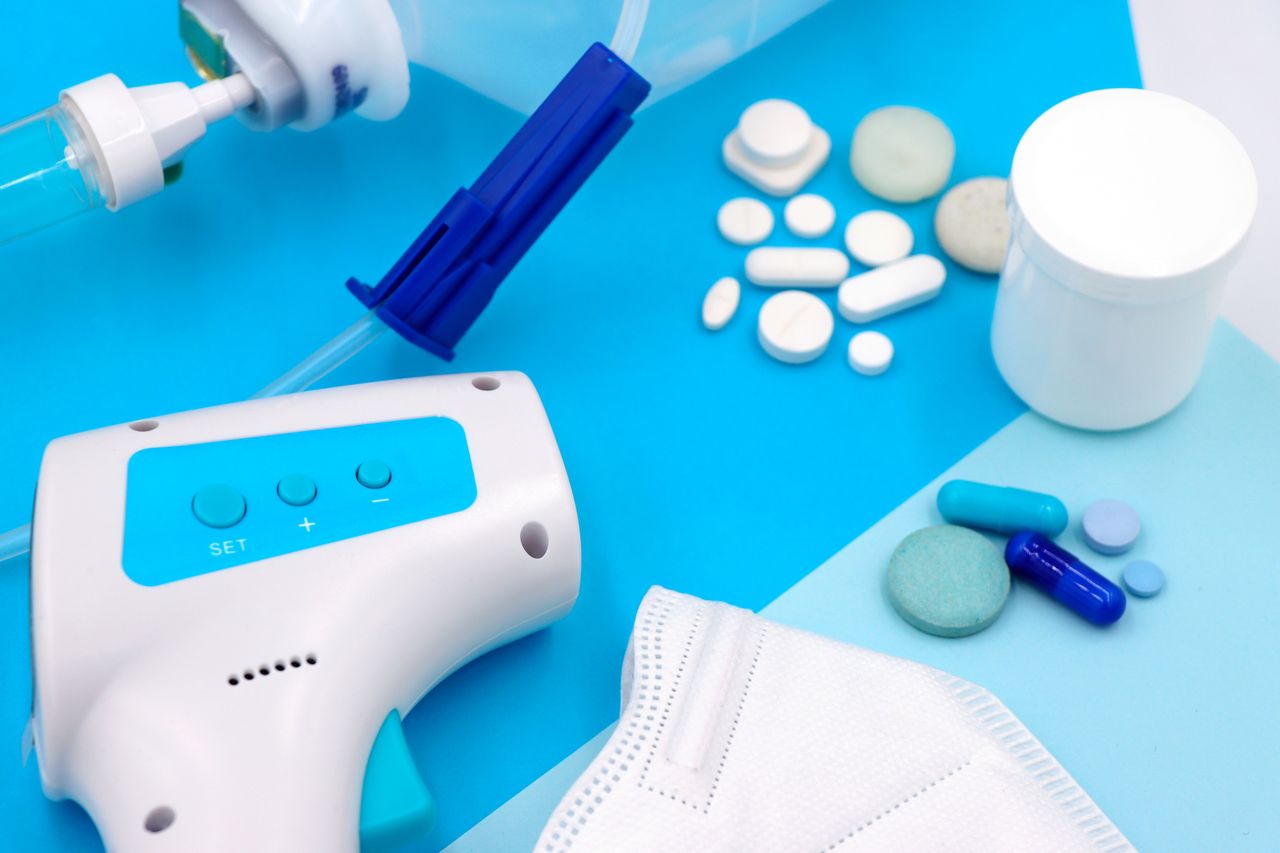
Vitamin infusion supplies support patient care by providing medical teams with equipment to administer vitamins directly into the bloodstream. This provides a way for patients to receive important nutrients quickly and often when oral intake is not feasible or when the body requires a higher dose. Clinics utilize these supplies to assist with low vitamin levels, increase recovery, or aid in managing specific health issues. By infusing vitamins, you can reduce the time it takes for effects and may help patients feel better faster. Items such as sterile bags, tubing, and drip stands are created for hygienic and secure application. Health teams have specific guidelines for mixing and administering each dose. The following sections of this blog will demonstrate actual care vitamin infusion myths and facts steps, safety measures, and everyday examples.
Key Takeaways
- Vitamin infusion supplies provide nutrients straight into the bloodstream, increasing absorption and making them immediately accessible to patient care.
- Its customizable formulations enable healthcare providers to target specific health needs, such as recovery, immune support or nutrient deficiencies.
- Intravenous delivery circumvents digestive issues, making vitamin therapy more efficacious for patients with GI problems or dietary limitations.
- Pairing vitamin infusions with hydration therapy enhances wellness by replenishing fluids and electrolytes throughout treatment.
- Meticulous sterile practices and vigilant patient observation are necessary to guarantee the safety and efficacy of IV vitamin treatment.
- Partnership with physicians and education ensure vitamin infusions fit into your larger health and wellness strategy to get the most impact.
How Vitamin Infusions Enhance Care
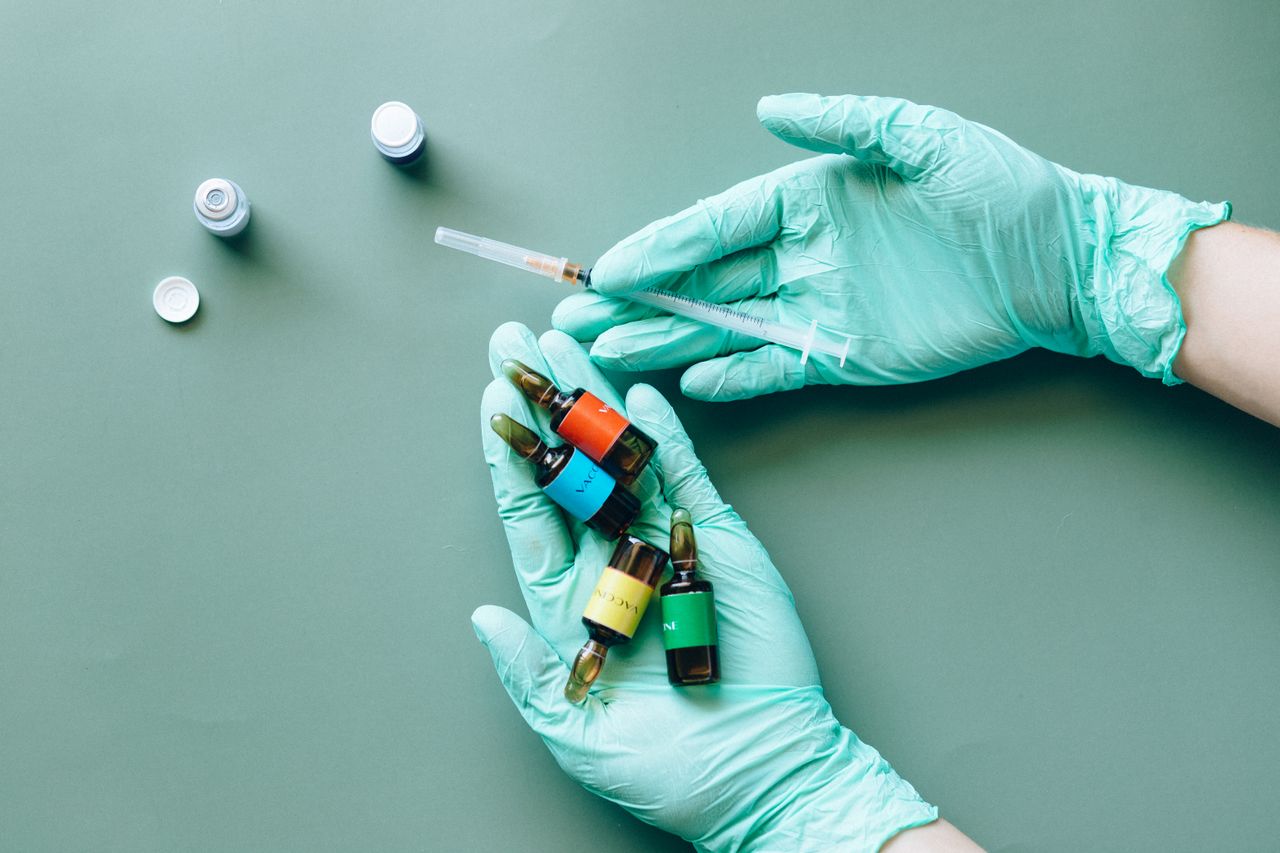
Vitamin infusions are a very immediate way to provide patients with the nutrients they need through intravenous therapy. Rather than depending on the gut to take in vitamins, these tailored IV infusions use IV solution administration methods to deliver nutrients directly into the bloodstream. Here we examine the impact that IV vitamin treatments have on improving patient care, with some specifics and illustrative examples.
Benefit | Description |
Increased Bioavailability | Direct IV delivery achieves almost 100% absorption, skipping gut breakdown. |
Targeted Health Support | Custom mixes address needs like fatigue, immunity, or recovery. |
Faster Recovery | Quick nutrient delivery can help patients heal and regain energy sooner. |
Efficient for Absorption Issues | IV infusions are useful for people who can’t absorb nutrients well by mouth. |
Immediate Effect | Rapid response for urgent needs, such as dehydration or severe deficiency. |
1. Direct Delivery
WITH IV VITAMIN INFUSIONS, CARE GOES FURTHER. This bypasses digestion, so every ounce of the formula goes directly into the bloodstream. For those that can’t take oral supplements due to gut issues or diets, it makes all the difference.
The rapid increase in blood vitamin levels allows the body to begin utilizing these nutrients immediately. It’s a useful tool in the clinic when patients require rapid results, post-surgery or during illness. For instance, vitamin C infusions might assist in immune cells activity, reinforcing the body’s capacity to combat infection rapidly.
2. Bypassing Digestion
Oral supplements can be hit or miss. The body might not absorb it all, and some people get nauseous from swallowing pills. With IV therapy, those vitamins go right into your system. This is especially beneficial for individuals with digestive concerns such as malabsorption or chronic gastrointestinal conditions.
Direct infusion eliminates the guesswork. Patients with food and pill swallowing difficulties can still receive their nutrition, and unpleasant gut-side effects are averted. It comes in handy when immediate deficiency correction is required.
3. Targeted Formulations
Personalized infusions allow care teams to select the perfect mix for every patient. Some require B vitamin boosts for energy, others immune support or detox assistance. In-clinic, staff can compound solutions to these needs, modifying as patients react.
Special use cases, such as burnout office workers or athletes requiring an accelerated recovery, demonstrate how personalized formulas can make the therapy even more practical. As health needs shift, so do the infusions. This adaptability goes a long way in keeping care intimate and efficient.
4. Accelerated Recovery
Getting the proper nutrition at the proper time can accelerate recovery. Post-op or post-injury, vitamin infusions assist in replenishing the body’s stores and aiding tissue repair. For athletes, a vitamin burst can assist muscle recovery and minimize downtime following intense training.
Others employ megadoses to combat fatigue or assist chronically wearied individuals. Though the results are short-lived and not a substitute for healthy practices, the instant reward can be helpful in certain circumstances.
5. Optimal Hydration
Vitamin infusions
Adding a vitamin infusion to hydration therapy provides a holistic approach to care. IV fluids replenish electrolytes and keep you hydrated — an essential during sickness or intense workouts.
Saline in these infusions supports fluid resuscitation and can assist recovery after dehydration. We love this approach for its assistance with whole-body wellness, as both hydration and nutrients are essential for remaining healthy. Good technique and hygiene are necessary to prevent complications, such as infections or vein issues, but when administered properly, the advantages typically surpass the hazards.
The Essential Infusion Toolkit
Vitamin infusion therapy requires a toolkit of essential supplies and steps to ensure safe and effective intravenous therapy! The right supplies assist with iv solution administration, allowing nutrients to be administered directly to the bloodstream, where they can work quickly and effectively. This involves using iv administration sets, pumps, and aminos.
- Sterile IV fluids in pre-packaged bags (e.g., 0.9% saline, dextrose 5%, lactated ringers)
- IV sets and tubing in various lengths and styles
- Peripheral or central vascular access devices, 14 to 24 gauge
- A selection of high-potency vitamin compounds and blends
- IV pumps for titrated control of infusion rate, often in mL/hr
- Sterile drapes, gloves, and alcohol pads for aseptic technique
Sterile Solutions
Aseptic technique is crucial for each iv infusion therapy session! This specifically means using pre-packaged sterile solutions and ensuring all supplies remain germ-free. Such practices help prevent infections that can quickly spread via intravenous therapy. Nurses and staff must be well-versed in these steps and regularly refresh their skills. It’s essential to inspect for expired or corrupted fluids and replace them promptly. IV fluids, considered medications, can be isotonic, hypotonic, or hypertonic, each serving different patient needs, such as 0.9% normal saline or 3% NaCL for hypertonic solutions.
Administration Sets
The selection of IV administration sets and tubing varies based on the specific patient needs for vitamins and fluids during IV infusion therapy. Tubing must be compatible with your vitamins, and your staff needs to be trained to set the proper rate for each infusion. IV pumps help regulate the flow in mL/hr, making staff training crucial for identifying issues, modifying settings, and ensuring safe operation.
Vascular Access
Selecting the appropriate access device is crucial for every patient receiving IV fluids. Short-term care can utilize peripheral IV catheters, often ranging from 14 to 24 gauge, while longer treatments or stronger liquids may require central venous access for TPN or hyperosmotic fluids. Nurses should limit attempts to two per individual to minimize hazards and must be knowledgeable about IV infusion therapy to ensure proper care of the device and be vigilant for any complications.
Vitamin Compounds
The toolkit features multiple vitamin blends for intravenous vitamin therapy to suit every patient’s wellness objectives. High-potency blends can address specific needs, such as correcting a deficiency or supporting post-illness recuperation. Custom IV solutions, crafted with cutting-edge research, provide maximum advantage with minimal danger.
Key Patient Beneficiaries
Vitamin infusion supplies contribute to a diverse patient base, particularly those benefiting from tailored IV infusions. The following numbered list outlines the primary groups who gain the most from IV therapy.
- As for key patient beneficiaries, think of those with chronic conditions like diabetes or heart disease who require specific nutrients.
- Patients with acute or persistent nutrient deficiencies needing rapid correction.
- Patients, in and around surgery, requiring nutritional supplementation.
- Those seeking to preserve or optimize wellness, prevent and mitigate disease, or support longevity.
- Alcoholics or intoxicated patients who require IV multivitamin.
- Critically ill patients such as burn or ICU patients who experience elevated losses, oxidative stress, or specific nutrient requirements.
Chronic Conditions
Patients living with chronic illnesses—like diabetes, heart disease, or autoimmune disorders—may sometimes require more than pills. With IV infusions, vitamins and minerals can be delivered directly into the system where they can combat symptoms and enhance everyday life. Say, for instance, a person who suffers from cardiovascular disease may find advantages in antioxidants and trace elements that strengthen the heart.
Care teams can customize infusions to the patient’s health profile. That way folks with chronic illnesses receive exactly what they require, and that can fluctuate. Regular monitoring assists in identifying shifts in patient response, allowing for necessary adjustments to be made.
Nutrient Deficiencies
Others can’t absorb nutrients well because of gut problems, or lose nutrients rapidly due to illness or chronic alcoholism. IV therapy can rapidly address deficiencies in essential vitamins, like B vitamins or vitamin C. It’s crucial for those with inflammatory conditions, where plain old food or pills aren’t fast enough.
Clinicians then inform patients why addressing these gaps matters for their health, demonstrating how the proper blend can decrease fatigue and enhance immune defenses. Infusions are tailored to each individual’s requirements, be it combating Wernicke’s encephalopathy or addressing basic vitamin deficiencies.
Pre/Post-Surgery
Pre-op patients may receive IV vitamins to bump their stores for optimized healing. Post-surgery, such precision infusions can accelerate recovery, reduce inflammation, and minimize complications. ICU or burn patients might be given antioxidants and trace elements to help the body handle stress.
Provider monitors recovery closely, adjusting IV therapy as per labs and healing. Patients discover how good nutrition can be a game-changer in recovery, engaging them in their care.
Wellness Optimization
Others have IV vitamin infusions to kick start a wellness routine. Such treatments can help energize, strengthen the immune system, or correct subtle imbalances before they escalate. These therapies are ubiquitous at complementary medicine clinics and occasionally controversial, but they continue to thrive.
Patients are advised to monitor their nutrient status regularly and consult with a provider to determine what suits them optimally. Because it’s an active evaluation, your plans can evolve if your objectives or health needs do.
Ensuring Safe Administration
Safe IV vitamin infusion requires diligent steps throughout the intravenous therapy process. Adhering to checklists for IV fluid administration reduces harm for patients and maintains care standards. Maintaining strict aseptic technique and observing for reactions are essential for safe IV medication administration.
Patient Assessment
Make a good beginning by reviewing the patient’s history and status, focusing on their previous experiences with intravenous therapy. Collect information regarding any chronic diseases, medications, and potential allergies that could complicate IV solution administration. This assists in identifying hazards before they become issues, ensuring safe IV fluid administration.
Inquire about previous reactions to IV medications or needles, and leverage measurement tools to dial in each individual’s ideal dose and blend. This careful approach can prevent overdosing or administering the wrong kind of IV vitamin treatment.
Discuss their health objectives with patients to understand what they are looking to achieve from IV therapy sessions. This establishes trust and helps customize the infusion process to meet their specific patient needs.
Aseptic Technique
The staff require comprehensive training on how to maintain sterility during the IV administration process. This implies sterilized gloves, masks and surfaces all the time. Sterile IV bags, needles, and tubing must be used. – Always flip ports on multi-port tubing, for instance – to fill with solution and keep air out. When priming tubing, loosen the cap and open the clamp over a sink to clear air.
Verify that everything is within infection control practices. Check on them regularly, and refresh them to stay in line with best practices. EDUCATE PATIENTS ON HOW TO ENSURE SAFE ADMINISTRATION. Instruct patients on how to identify signs of infection and advise them not to manipulate the IV site.
Continuous Monitoring
Monitor vitals and infusion rates during therapy. Take heart rate, blood pressure and drip rate. Modify as necessary if things shift.
Inquire whether the patients are experiencing pain, discomfort or any swelling. Prepare to intervene if phlebitis, bruising or worse. Record each observation, even the smallest, when planning care for the next time.

Integrating Infusions Into Holistic Health
Vitamin infusion therapy, particularly through iv vitamin treatments, is no longer just for hospital care; it’s now integral to many holistic health plans. We rely on iv infusion for rapid rehydration or nutrient boosts, but research remains conflicting, especially among healthy individuals. Infusions should complement—not supplant—daily health rituals, ensuring tailored iv infusions enhance overall wellness.
- Combine IV therapy with routine chronic illness care
- Use infusions to support recovery after surgery or illness
- Combine with nutrition counseling for better overall health
- Integrate with physical therapy for faster rehabilitation
- Add to stress relief or mental wellness plans
Complementary Therapy
Vitamin infusions, particularly IV vitamin therapy, can be incorporated into traditional therapies to assist individuals coping with chronic ailments, such as malabsorption syndromes or autoimmune disorders. A few clinics employ IV infusion therapy with vitamin C for immune support, which can aid white blood cells in combating infection. These treatments are most effective when combined with pharmaceuticals, diets, and lifestyle modifications.
IV therapy is popular in wellness centers, marketed for fatigue or skin health. Support for these voluntary applications is lacking. Patients require transparent, forthright guidance. Providers need to screen for potential drug interactions or side effects. Dosing is still another quandary, as there isn’t sufficient research on what’s optimal. The benefits, such as increased energy or hydration, are temporary and do not substitute for quality sleep, exercise, and nutrition.
Proactive Wellness
IV infusions allow certain individuals to gain control of their health, particularly if they struggle to absorb nutrients from food. For instance, digestive patients may require direct nutrient support. These treatments have to integrate into a larger scheme involving regular examinations, nutritious meals and exercise.
Care teams should assist in goal setting for each individual. Patients need to understand that IV therapy isn’t magic juice or a miracle cure. MRIS such as vein irritation or bruising are real, particularly with repeated treatments. Knowledge of when and how to use infusions makes care safe and pragmatic.
Personalized Medicine
Personalization counts for vitamin infusions. Providers consider medical history, genetics, and lifestyle when determining the ideal blend of nutrients. Certain clinics employ blood work or genetic information to determine each treatment. It evolves as health needs evolve.
Patient buy in is crucial. When people help craft their own care, they’re more likely to carry it out. We track progress, and plans shift as needed. This collaboration fosters trust and renders care more efficient.
Future of Infusion Therapy
Infusion therapy is gaining traction as a method to deliver nutrients directly into the blood, bypassing the gut and liver, allowing the body to utilize them immediately and with less waste. This approach is particularly beneficial for individuals with gut diseases—like IBD or celiac—who struggle with oral nutrient absorption. It is especially advantageous when rapid aid is required, such as in cases of acute vitamin deficiencies or infections. However, it’s not without drawbacks; it can lead to vein pain, bruising, or damage, particularly if the IV infusion therapy is performed incorrectly or too frequently. These concerns highlight the need for more research on how to safely and effectively deploy such treatments.
Future Trends | Description |
Smart infusion pumps | Devices that control flow rate and dosing, lowering errors and improving safety. |
Home-based therapy | Portable kits and remote monitoring allow patients to get infusions outside clinics. |
New nutrient combos | Mixes made for special needs, like immune health or chronic gut issues. |
Data-driven care | Using patient data and AI to adjust dosing and track results in real time. |
Biodegradable gear | Supplies that break down naturally, cutting medical waste and helping the environment. |
Innovations in intravenous therapy are on the rise. For instance, smart pumps can monitor flow and halt if something’s awry, while new IV administration sets are designed to reduce the risks of infection and vein damage. Researchers are also developing tailored IV infusions to meet each individual’s health requirements. For example, IV vitamin therapy, particularly vitamin C infusions, is sometimes utilized to combat infections or reduce inflammation, although the optimal dosage and timing remain under investigation.
Health care regulations are evolving, with increased attention on the safety and efficacy of intravenous medications. It’s worth noting that certain jurisdictions are imposing tougher regulations on who can receive infusions and requiring clinics to monitor outcomes. This is largely because some individuals are using them for purposes such as fatigue or skin care without solid evidence of effectiveness. Additional research is necessary to determine whether these uses are worth the risks and costs.
Staying updated on new research is crucial for patient care. Ongoing studies are finding ways to balance the benefits of IV fluid administration with its potential negative consequences. This work contributes to establishing improved guidelines for who should receive these treatments and how frequently they should be administered.
Conclusion
How vitamin infusion supplies help care teams run smoother and provide patients consistent care. Clinics utilize these supplies to deliver immediate care tailored to the individual. Vitamin infusions get to people needing that fast push, like those who are fatigued or have compromised gut health. Nurses and doctors need good gear to keep it safe and clean. Robust supplies equal less risk and speedier recovery. Infusion therapy integrates with other care plans, so patients receive comprehensive support for their health objectives. As more clinics provide these services, teams continue seeking new ways to assist. As always, if you’re interested in finding out more or seeing if vitamin infusions work for you, contact a local health practitioner for a conversation.