

Medical devices are an essential part of modern hospital operations, supporting everything from diagnosis and patient monitoring to surgery, treatment, rehabilitation, and emergency care. Because these products can directly affect clinical decisions and patient outcomes, hospitals need more than a purchasing process based primarily on price, availability, or technical specifications. They also need a comprehensive device compliance strategy that helps ensure products are appropriately regulated, properly documented, safely maintained, and correctly used throughout their lifecycle.
Better device compliance can strengthen patient safety while helping hospitals reduce operational risks, improve procurement decisions, and maintain greater control over medical equipment. From verifying regulatory information before purchase to maintaining accurate records and monitoring devices after deployment, hospitals can build compliance into every stage of procurement and device management. A proactive approach allows healthcare organizations to identify potential problems earlier, establish consistent procedures, and create greater accountability among procurement, clinical, technical, and administrative teams.
Key Takeaways
- Medical device compliance is an important component of hospital patient safety and risk management.
- Hospitals should verify regulatory and supplier information before purchasing medical devices.
- Procurement teams should evaluate documentation, labeling, product specifications, quality information, and intended use—not just cost.
- Receiving, storage, installation, and inspection procedures can help prevent avoidable device-related problems.
- Staff training is essential because even an appropriately regulated device can create risks when improperly used.
- Preventive maintenance, calibration, inspections, and service records should be managed throughout the device lifecycle.
- Hospitals should monitor recalls, safety communications, complaints, and device-related incidents after deployment.
- Accurate inventory records can help organizations respond more effectively to maintenance requirements and product recalls.
- A standardized compliance process can improve accountability across procurement, clinical, biomedical, quality, and administrative teams.
- Compliance should be treated as an ongoing safety practice rather than a one-time purchasing requirement.
Why Device Compliance Matters For Hospital Safety
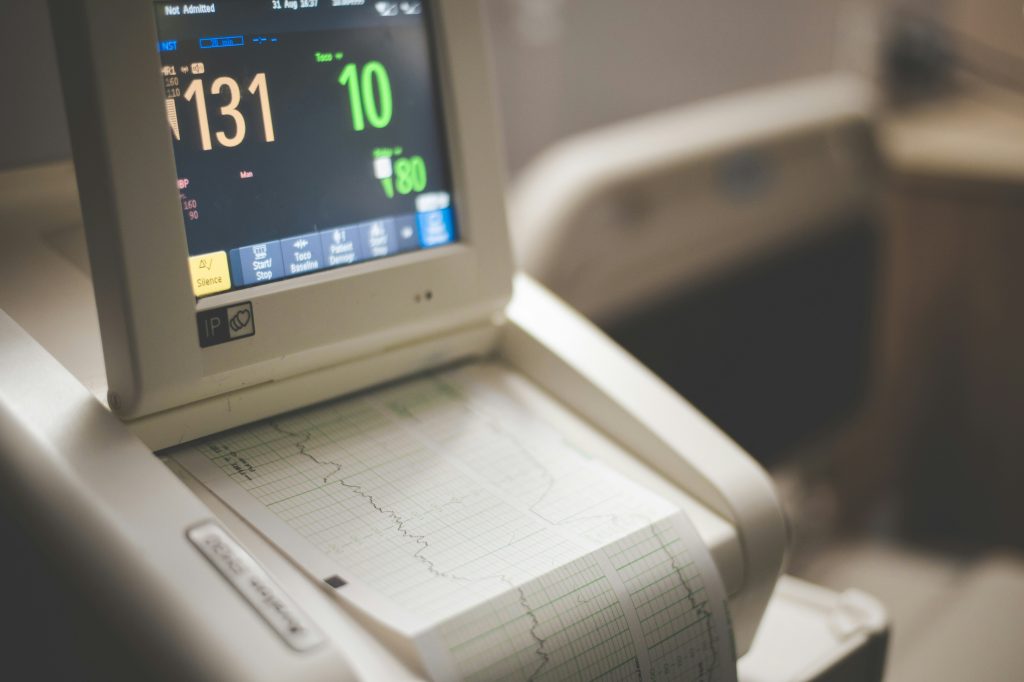
Hospital safety depends on numerous interconnected systems, and medical devices are an important part of that environment. A device may be used directly on a patient, support a clinical decision, monitor vital signs, deliver therapy, or assist healthcare professionals during procedures. If a device is unsuitable, improperly maintained, incorrectly labeled, or used outside its intended purpose, the consequences can extend beyond equipment failure.
Problems involving medical devices can potentially result in treatment delays, equipment downtime, additional costs, workflow disruptions, or patient safety concerns. For this reason, hospitals need processes that help identify potential problems before products reach clinical environments and continue monitoring them after they are put into service.
Device compliance provides hospitals with a structured way to assess whether products and suppliers meet applicable regulatory, quality, documentation, and operational requirements.
Compliance Supports Patient Protection
A compliant procurement process can help hospitals reduce the likelihood of acquiring products that present avoidable risks. Before a device reaches a clinical department, organizations can evaluate factors such as:
- Regulatory status
- Intended use
- Product classification
- Manufacturer information
- Labeling
- Instructions for use
- Product specifications
- Quality documentation
- Product identification
- Traceability information
- Storage requirements
- Maintenance requirements
- Training requirements
- Post-market information
These checks give procurement and clinical teams greater visibility into what they are purchasing and how the product should be managed after delivery.
Compliance Is More Than Regulatory Registration
One common misconception is that device compliance begins and ends with determining whether a product has the appropriate regulatory status. Regulatory considerations are important, but hospital safety requires a broader approach.
A hospital may purchase an appropriately regulated device and still encounter problems if the product is:
- Stored incorrectly
- Installed improperly
- Used without adequate training
- Maintained inconsistently
- Missing required documentation
- Used for an inappropriate purpose
- Not monitored after deployment
- Difficult to identify or trace
- Not compatible with the hospital’s existing systems
For this reason, hospitals should treat compliance as a continuous process rather than a one-time purchasing check.
Compliance Creates Accountability
A strong compliance process also establishes responsibility. When each stage of the device lifecycle has a clearly assigned owner, hospitals can reduce uncertainty about who should verify documentation, perform inspections, schedule maintenance, provide training, or respond to safety notices.
This accountability can be particularly valuable in large healthcare organizations where medical devices may move between departments or facilities.
Strengthen Medical Device Procurement Procedures

Procurement is one of the most important opportunities for hospitals to improve device safety. Decisions made before a product enters the facility can influence its entire lifecycle.
A structured procurement process gives hospitals an opportunity to identify potential compliance concerns before they become operational or clinical problems.
Establish Clear Pre-Purchase Requirements
Hospitals should develop standardized requirements for evaluating medical devices and suppliers. These requirements can be adjusted according to the type, complexity, intended use, and risk profile of each product.
For example, procurement teams may require documentation covering:
Compliance Area | What Hospitals Can Evaluate |
Regulatory status | Applicable registration, authorization, listing, or other regulatory information |
Manufacturer | Identity, contact information, and product responsibility |
Product details | Model, catalog number, specifications, and intended use |
Labeling | Appropriate labeling, warnings, and instructions |
Quality | Relevant quality-system documentation |
Traceability | Lot, serial, catalog, or other identification information |
Maintenance | Service schedules and maintenance requirements |
Training | User training and competency requirements |
Supply continuity | Availability, lead times, and replacement support |
Post-market information | Recalls, safety notices, and relevant product updates |
Lifecycle management | Repair, replacement, software, and end-of-life considerations |
Using a consistent checklist can reduce the possibility that important compliance questions will be overlooked during purchasing.
Involve Multiple Stakeholders
Device procurement should not be handled exclusively by a purchasing department. Depending on the product, hospitals may benefit from input from:
- Procurement professionals
- Physicians
- Nurses and other clinical staff
- Biomedical engineering teams
- Infection prevention personnel
- Quality and compliance professionals
- Risk management teams
- Information technology specialists
- Hospital leadership
Different stakeholders can identify different risks.
A clinician may evaluate usability and patient-care requirements, while a biomedical engineer may focus on maintenance, technical compatibility, and installation. An IT professional may identify cybersecurity or network-integration concerns. A compliance professional may identify documentation gaps.
Bringing these perspectives together can produce more informed purchasing decisions.
Evaluate More Than The Purchase Price
Cost remains an important consideration in hospital procurement, but the lowest upfront price does not necessarily represent the best overall value.
Procurement teams should consider the total cost of ownership, including:
- Installation
- Training
- Maintenance
- Repairs
- Calibration
- Replacement parts
- Consumables
- Software support
- Equipment downtime
- Technical support
- Replacement costs
- Disposal
A device that requires frequent repairs or extensive staff training could ultimately cost more to operate than a product with a higher initial purchase price.
Verify Device And Supplier Documentation
Documentation plays an important role in establishing accountability and supporting safe device management. Hospitals should have a clear process for reviewing, verifying, and retaining relevant documentation before and after purchasing.
Verify Regulatory Information
Before approving a medical device, procurement teams should verify applicable regulatory information using reliable and current sources.
Depending on the product and circumstances, this may include reviewing:
- Product registration or listing information
- Applicable authorization documentation
- Manufacturer information
- Product identification
- Device classification
- Intended use
- Labeling
- Instructions for use
- Applicable warnings
- Safety information
The exact regulatory requirements can vary depending on the device, classification, intended use, manufacturer, and market.
Hospitals should avoid relying solely on supplier claims when regulatory verification can be independently documented. Establishing a verification procedure creates a more consistent procurement process.
Check Documentation For Consistency
Hospitals should compare information across relevant documents rather than relying on a single record.
For example, the product name, model number, manufacturer, intended use, and other identifiers should be consistent across purchasing records, product documentation, invoices, packaging, and internal equipment records.
Inconsistencies can create problems with:
- Inventory management
- Device identification
- Maintenance
- Recall response
- Staff training
- Warranty claims
- Audits
- Incident investigations
Accurate documentation also helps hospitals demonstrate that appropriate procedures were followed when questions arise.
Maintain A Centralized Compliance Record
Hospitals can improve accountability by maintaining accessible records for each device or device category. Depending on the organization’s systems, these records may include:
- Purchase information
- Manufacturer details
- Model and serial numbers
- Regulatory documentation
- Instructions for use
- Installation records
- Acceptance-testing records
- Inspection records
- Maintenance history
- Calibration records
- Repair documentation
- Training records
- Recall notices
- Incident information
- Complaint information
- Disposal records
Centralized information makes it easier for authorized personnel to determine the status and history of a device.
It can also reduce the amount of time required to locate information during an audit, investigation, maintenance event, or recall.
Keep Documentation Current
Documentation should not be treated as something that only matters during procurement.
Manufacturers may issue updated instructions, safety communications, software information, or service recommendations. Hospitals should establish procedures for determining whether important updates need to be incorporated into their internal records.
Improve Receiving, Inspection, And Installation Controls
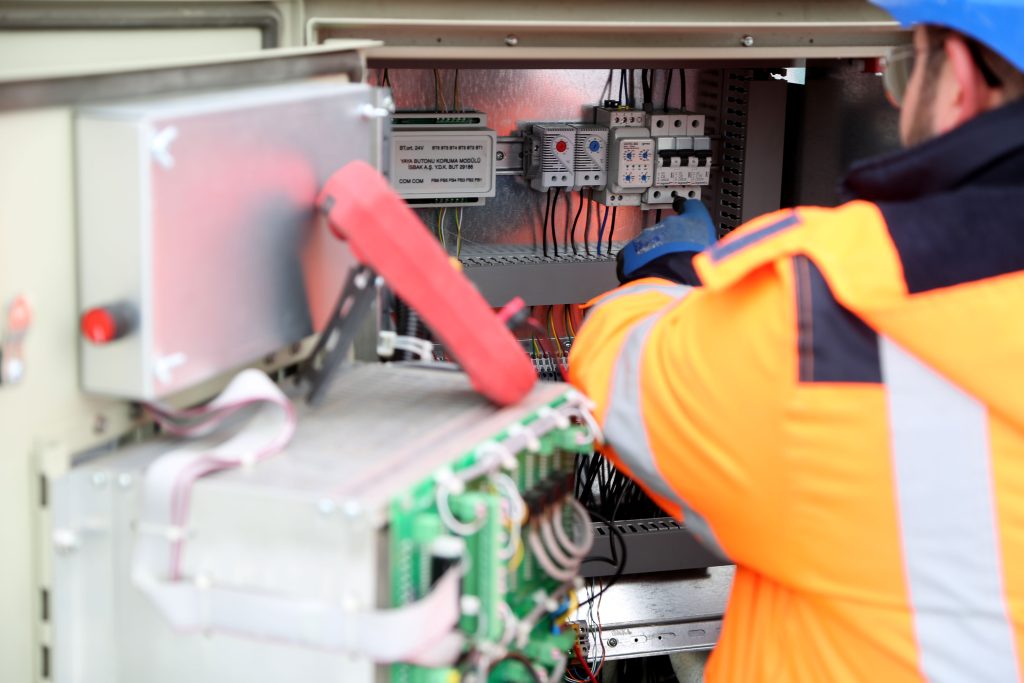
Compliance should continue after a hospital places an order. The receiving stage provides another opportunity to identify problems before equipment is introduced into patient care.
A strong receiving process helps ensure that what arrives at the hospital is actually what was approved during procurement.
Inspect Devices When They Arrive
Hospitals should establish procedures for checking incoming medical devices against purchase orders and approved specifications.
Receiving personnel may verify:
- Correct product
- Correct model
- Correct quantity
- Packaging condition
- Labeling
- Lot or serial numbers
- Expiration dates, when applicable
- Required documentation
- Signs of shipping damage
- Required accessories
- Storage conditions
- Product integrity
If discrepancies are identified, the device can be held for appropriate review instead of immediately entering clinical circulation.
Establish Installation And Acceptance Procedures
Some devices require installation, configuration, testing, calibration, or acceptance procedures before clinical use.
Hospitals should determine whether specialized personnel need to verify the equipment before it is placed into service.
Acceptance procedures may include:
- Confirming that the device matches approved specifications.
- Inspecting its physical condition.
- Completing required installation.
- Performing functional or safety testing.
- Verifying configuration.
- Confirming required accessories are available.
- Documenting test results.
- Assigning an internal equipment identifier.
- Releasing the device for authorized use.
This process creates a clear distinction between equipment that has merely arrived at the hospital and equipment that has been evaluated and approved for use.
Consider Storage And Environmental Requirements
Certain medical devices and related products may have specific storage requirements. Hospitals should make sure relevant personnel understand requirements involving temperature, humidity, light exposure, cleanliness, security, or other environmental conditions.
Failure to follow storage requirements can potentially affect product integrity or device performance.
Hospitals should also consider who has responsibility for monitoring storage conditions and what procedures should be followed when conditions fall outside specified requirements.
Establish A Quarantine Process
When a device arrives damaged, has missing documentation, does not match the purchase order, or raises another compliance concern, staff should have a defined process for holding the product pending review.
A quarantine process can help prevent an unresolved issue from becoming a clinical-use issue.
Strengthen Staff Training And Device Use

Even when a hospital purchases an appropriately regulated and properly documented device, safety can still be affected by how that device is used.
Human factors are therefore an important part of device compliance.
Provide Role-Based Training
Training should reflect the responsibilities of the people who interact with the device.
Clinical personnel may need instruction on:
- Intended use
- Operating procedures
- Safety precautions
- Warnings
- Appropriate indications
- Cleaning requirements
- Troubleshooting
- Emergency procedures
- Reporting problems
Biomedical or technical personnel may require additional training involving:
- Maintenance
- Calibration
- Repairs
- Testing
- Configuration
- Preventive maintenance
- Technical documentation
Training should be documented so the hospital can establish who received instruction and when.
Avoid Assuming Familiarity Equals Competency
Employees may have experience with similar devices, but small differences between models can affect operation. Hospitals should avoid assuming that general familiarity with one device automatically qualifies an employee to use another.
A structured training process can help establish competency before independent use.
Keep Instructions Accessible
Instructions for use and relevant safety information should be readily available to authorized personnel. Hospitals can consider both physical and electronic document-management approaches.
Easy access to accurate information can help staff confirm proper procedures instead of relying on memory or informal instructions.
Include Refresher Training
Training should not necessarily be a one-time event. Refresher education may be appropriate when:
- A device is significantly updated
- New features are introduced
- Procedures change
- Repeated user errors occur
- Safety information changes
- A new group of employees begins using the device
Maintaining training records can help hospital managers identify gaps and demonstrate that appropriate education has been provided.
Maintain, Monitor, And Manage Devices Throughout Their Lifecycle
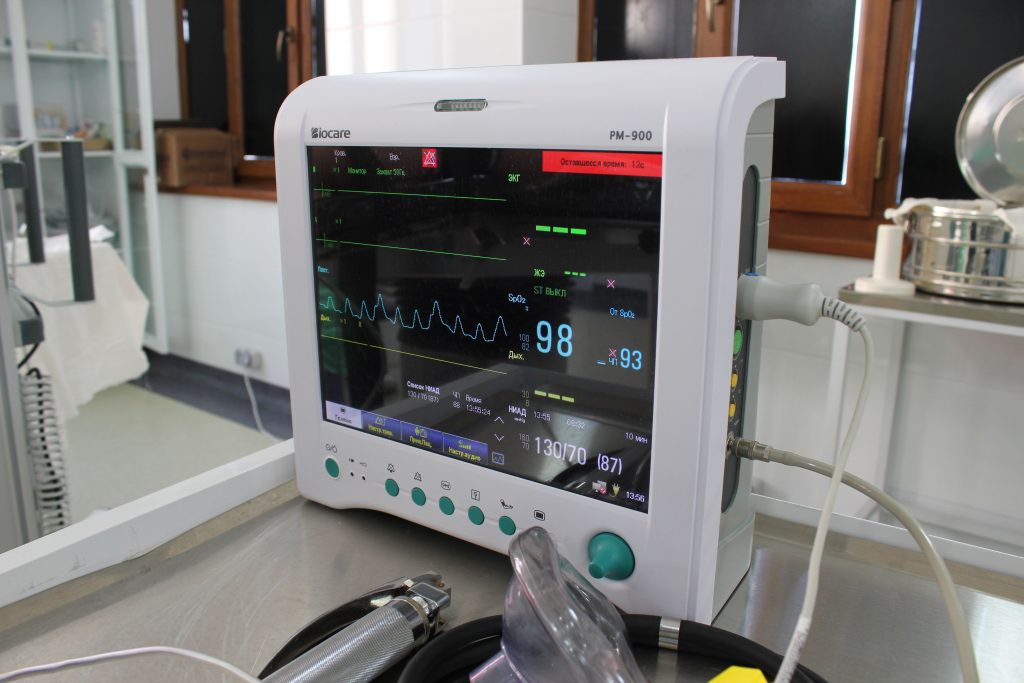
Compliance does not end when a device is placed into service. Medical devices need ongoing management to remain safe and functional. A lifecycle approach allows hospitals to consider compliance from acquisition through retirement.
Schedule Preventive Maintenance
Hospitals should follow appropriate maintenance schedules and manufacturer recommendations where applicable.
Preventive maintenance may help identify problems before equipment failure affects patient care.
Depending on the device, maintenance activities may include:
- Functional testing
- Electrical safety checks
- Calibration
- Component inspection
- Cleaning
- Software updates
- Replacement of worn components
- Performance verification
The hospital should retain appropriate documentation showing when maintenance occurred and what work was performed.
Track Repairs And Service History
A device’s service history can reveal recurring problems that may not be apparent from individual incidents.
Hospitals can monitor:
- Frequency of repairs
- Repeated component failures
- Unexpected downtime
- Service costs
- Recurring error messages
- Calibration failures
- User complaints
- Safety-related incidents
Patterns may indicate that a device requires additional evaluation, more frequent maintenance, replacement, or removal from service.
Monitor Equipment Performance
Performance monitoring can provide another layer of protection. Hospitals can establish procedures for identifying equipment that repeatedly fails inspections or generates complaints.
When a pattern emerges, the organization can investigate whether the issue involves:
- Device design
- Installation
- Maintenance
- User training
- Environmental conditions
- Accessories
- Configuration
- Compatibility
Identifying the underlying cause can help prevent repeated problems.
Manage Software And Connected Devices
Modern medical devices may include software, network connectivity, data interfaces, or cybersecurity-related requirements. Hospitals should account for these considerations when managing connected equipment.
Relevant questions may include:
- Who is responsible for software updates?
- How are configuration changes documented?
- How is device access controlled?
- How are cybersecurity concerns reported?
- Does the device interact with hospital information systems?
- What happens when the device reaches end-of-support?
- How are changes tested before implementation?
Device compliance increasingly requires coordination between clinical engineering, information technology, cybersecurity, procurement, and clinical teams.
Plan For End-Of-Life Management
Hospitals should also determine when equipment should be retired, replaced, or removed from service.
End-of-life planning may involve:
- Manufacturer support status
- Availability of replacement components
- Repair frequency
- Performance concerns
- Safety information
- Software support
- Total cost of ownership
- Availability of newer technology
Retirement should be documented so that outdated equipment is not inadvertently returned to clinical use.
Build A Strong Post-Market Monitoring And Compliance Program
Hospitals can improve safety by continuing to evaluate devices after they enter clinical use. Post-market monitoring helps organizations identify problems that may only become apparent through real-world experience.
Monitor Recalls And Safety Notices
Hospitals should establish procedures for identifying and responding to applicable recalls, safety communications, manufacturer notices, and other relevant updates.
A strong response process should make it possible to:
- Identify affected products.
- Determine whether the hospital has them in inventory.
- Locate affected devices.
- Notify appropriate departments.
- Remove or quarantine products when necessary.
- Follow applicable manufacturer or regulatory instructions.
- Document corrective actions.
- Confirm completion.
Accurate inventory and serial-number tracking can make recall response considerably more efficient.
Encourage Internal Reporting
Employees should have a clear method for reporting device-related concerns.
Reports may involve:
- Malfunctions
- Unexpected performance
- User difficulties
- Damaged equipment
- Labeling concerns
- Missing instructions
- Repeated failures
- Adverse events
- Maintenance problems
A reporting system can help hospitals detect issues that may not be visible through routine maintenance alone.
Analyze Trends Rather Than Isolated Events
One device problem may be an isolated occurrence, but repeated problems can indicate a broader concern.
Hospitals can analyze information such as:
- Number of device-related incidents
- Repair frequency
- Downtime
- User complaints
- Training issues
- Maintenance failures
- Recall activity
- Replacement rates
Trend analysis can help organizations decide whether additional investigation or corrective action is appropriate.
Audit Compliance Processes Regularly
Periodic audits can help hospitals determine whether their device-management procedures are working as intended.
An audit may examine:
- Procurement documentation
- Regulatory verification
- Equipment inventories
- Maintenance records
- Calibration records
- Training documentation
- Recall procedures
- Incident reports
- Storage procedures
- Disposal records
The purpose of an audit should not simply be to identify errors. It should help the organization improve its systems.
Use Compliance Data To Improve Future Procurement
Post-market information can also influence future purchasing decisions.
For example, if a hospital discovers that a particular device repeatedly requires emergency repairs, creates training difficulties, or generates frequent operational concerns, procurement teams can incorporate those findings into future evaluations.
This creates a continuous improvement cycle:
Evaluate → Purchase → Receive → Inspect → Train → Use → Maintain → Monitor → Review → Improve
Rather than treating procurement and device management as separate activities, hospitals can connect each stage into a single safety-focused process.
How Hospitals Can Create A Medical Device Compliance Checklist

A standardized checklist can make compliance requirements easier to apply consistently across departments.
Pre-Purchase Checklist
- Intended use has been clearly identified.
- Product specifications have been reviewed.
- Manufacturer information has been verified.
- Applicable regulatory information has been checked.
- Required documentation has been obtained.
- Labeling and instructions have been reviewed.
- Maintenance requirements are understood.
- Training requirements have been identified.
- Storage requirements have been evaluated.
- Compatibility with existing systems has been considered.
- Total lifecycle requirements have been evaluated.
- Appropriate stakeholders have reviewed the proposed purchase.
Receiving And Installation Checklist
- Product and model match the purchase order.
- Quantity has been verified.
- Packaging has been inspected.
- Product condition has been evaluated.
- Serial or lot numbers have been recorded.
- Required documentation has been retained.
- Installation has been completed where applicable.
- Acceptance testing has been completed where required.
- Device has been added to the equipment inventory.
- Appropriate staff have received training.
- The device has been approved for clinical use.
Lifecycle Management Checklist
- A preventive maintenance schedule has been established.
- Maintenance activities are documented.
- Calibration requirements are tracked where applicable.
- Repairs are documented.
- User complaints are recorded and reviewed.
- Applicable safety notices are monitored.
- Recall procedures are established.
- Device location is tracked.
- Software and support requirements are monitored.
- End-of-life decisions are documented.
A checklist should complement—not replace—professional judgment and applicable regulatory or organizational requirements.
The Role Of Procurement Teams In Improving Device Safety

Procurement professionals have a particularly important role in creating a culture of device compliance. Purchasing decisions can influence the quality, reliability, documentation, and long-term manageability of equipment throughout the hospital. Rather than evaluating devices exclusively on purchase price, procurement teams should consider total value and risk.
Include Compliance In Supplier Evaluation
Supplier evaluation can include questions related to documentation, product support, responsiveness, quality processes, product information, and post-market communication.
Hospitals can establish minimum compliance expectations before suppliers are allowed to participate in certain procurement activities. This approach can reduce the risk of treating compliance as an afterthought.
Establish Standardized Supplier Documentation
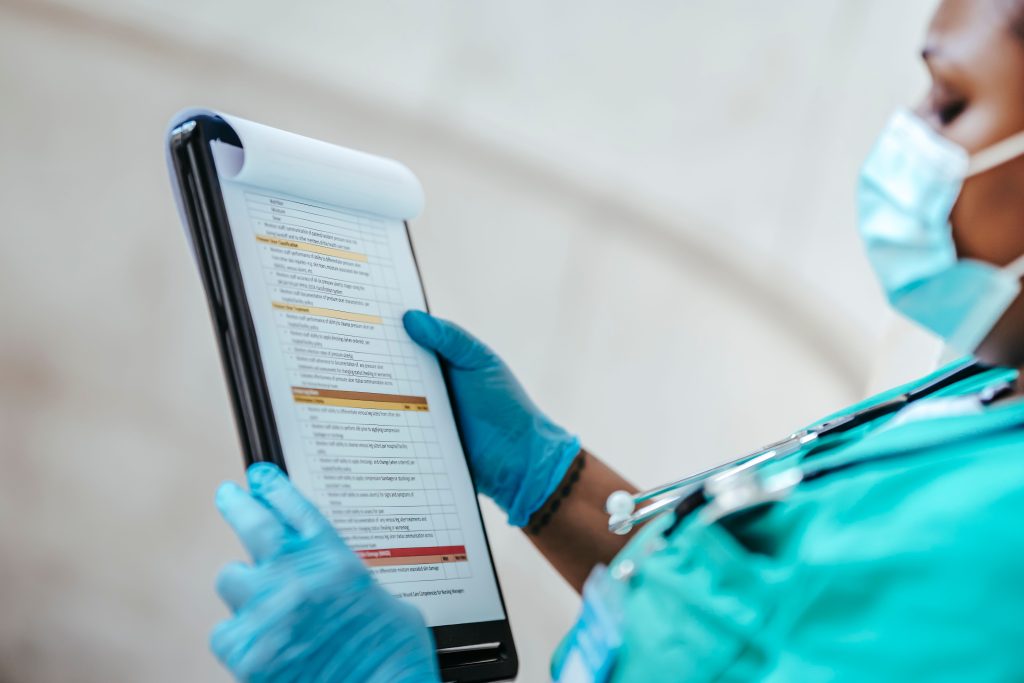
Hospitals can create a standard documentation package for medical device suppliers. Depending on the organization’s requirements, this may include:
- Manufacturer information
- Product specifications
- Regulatory information
- Instructions for use
- Warranty information
- Maintenance requirements
- Training requirements
- Service contacts
- Recall communication procedures
Standardized documentation makes it easier for procurement personnel to compare products and identify missing information.
Create Cross-Department Communication
Procurement teams should maintain communication with clinical and technical departments after a device is purchased.
Information about recurring failures, difficult maintenance, user complaints, or training problems can be valuable when evaluating future purchases.
This creates a feedback loop between purchasing and actual device performance.
Common Device Compliance Challenges Hospitals Should Address
Even hospitals with established procurement procedures may encounter compliance challenges.
Incomplete Documentation
Missing or outdated documentation can make it difficult to verify product status, maintain equipment, or respond efficiently to recalls.
Improvement: Establish documentation requirements before purchase and identify who is responsible for maintaining records.
Inconsistent Procedures
Different departments may use different processes for purchasing, receiving, maintaining, or retiring equipment.
Improvement: Establish organization-wide procedures while allowing departments to apply additional requirements based on device risk.
Poor Inventory Visibility
Hospitals cannot effectively manage recalls or maintenance if they do not know what equipment they have or where it is located.
Improvement: Maintain accurate equipment inventories and use unique identifiers where appropriate.
Insufficient Training
A device may be appropriately regulated but still create risks if users do not understand how to operate it properly.
Improvement: Establish role-based training, competency requirements, and documented refresher education.
Reactive Maintenance
Waiting for equipment to fail can increase downtime and potentially disrupt clinical operations.
Improvement: Use preventive maintenance schedules and monitor service history.
Weak Post-Market Monitoring
If hospitals do not track recalls, safety notices, complaints, and device incidents, important warning signs may be missed.
Improvement: Assign responsibility for monitoring and create a documented escalation process.
Poor Cross-Department Communication
Information about a device may remain within the department that purchased or uses it, making it difficult for other teams to understand its history.
Improvement: Use centralized records and establish communication procedures between procurement, clinical engineering, quality, compliance, and clinical departments.
How Better Device Compliance Supports Hospital Operations

Although patient safety is the primary concern, effective device compliance can also support operational efficiency.
When hospitals maintain accurate records and standardized processes, employees can spend less time searching for documentation, determining maintenance status, or identifying equipment affected by a safety notice.
Better compliance can contribute to:
- More efficient procurement
- Improved inventory management
- Faster recall response
- Better maintenance planning
- Reduced equipment downtime
- More consistent staff training
- Improved audit readiness
- Greater supplier accountability
- Better lifecycle planning
In this way, compliance should not necessarily be viewed as an administrative burden. A well-designed compliance system can become part of the hospital’s broader operational infrastructure.
How Merit Pharmaceutical Can Support Better Device Procurement
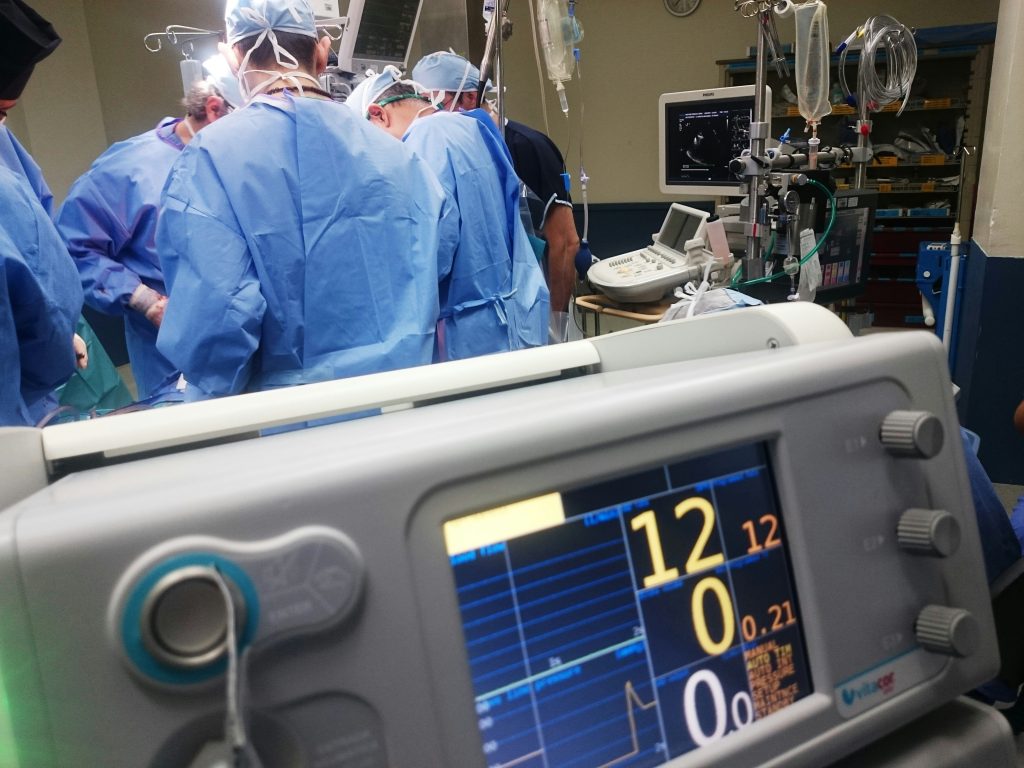
For hospitals, improving device compliance requires dependable procurement practices, careful documentation, and a commitment to safety throughout the product lifecycle. Merit Pharmaceutical can serve as a resource for healthcare organizations seeking a more structured approach to medical device procurement and compliance.
Healthcare organizations can benefit from working with a supplier that understands the importance of appropriate product documentation, regulatory considerations, product identification, and reliable communication. By incorporating compliance into purchasing decisions from the beginning, hospitals can establish stronger foundations for safe device management.
The objective is not simply to acquire medical devices. It is to create a procurement process that supports patient care, operational continuity, accountability, and long-term equipment management.
For procurement teams, this means asking important questions before approving a purchase, maintaining appropriate records after delivery, and continuing to evaluate device performance throughout its useful life. A supplier relationship should support this broader approach by providing relevant product information and maintaining clear communication when questions arise.
Conclusion
Hospitals can improve safety through better device compliance by treating compliance as an ongoing lifecycle responsibility rather than a single procurement requirement. Verifying device and supplier information before purchase, reviewing documentation, inspecting products upon arrival, providing appropriate training, maintaining equipment, and monitoring devices after deployment can all contribute to a stronger safety framework.
A well-designed compliance program also improves organizational visibility. When hospitals know what devices they have, where those devices are located, how they are maintained, who is trained to use them, and whether relevant safety notices affect them, they are better positioned to respond to problems quickly.
Effective compliance also depends on collaboration. Procurement teams, clinical personnel, biomedical engineering, information technology, quality professionals, and leadership each have different responsibilities that can contribute to safer device management. Connecting these functions helps ensure that compliance is not isolated within one department.
Ultimately, effective device compliance connects procurement, clinical operations, biomedical engineering, quality management, and leadership around a shared objective: supporting safer healthcare delivery. By making compliance a consistent part of every stage of device management, hospitals can reduce preventable risks while creating more reliable, accountable, and efficient procurement practices.
For hospitals and healthcare procurement teams, the best time to address device compliance is before a product enters the facility. Establishing clear requirements, verifying documentation, training users, monitoring equipment, and maintaining accurate records can create a stronger foundation for patient safety and long-term operational performance.
Frequently Asked Questions
1. What Is Medical Device Compliance In A Hospital?
Medical device compliance refers to the processes hospitals use to ensure medical devices are appropriately selected, documented, received, maintained, used, monitored, and managed according to applicable regulatory, safety, quality, and organizational requirements.
Compliance can extend throughout the entire device lifecycle, beginning with procurement and continuing through installation, training, maintenance, monitoring, and eventual retirement.
2. Why Is Device Compliance Important For Patient Safety?
Device compliance can help hospitals reduce risks associated with unsuitable products, improper use, inadequate maintenance, missing documentation, and failure to respond to safety notices or recalls.
A structured compliance process gives healthcare organizations greater control over the devices they purchase and use while helping establish consistent safety procedures.
3. What Should Hospitals Check Before Purchasing A Medical Device?
Hospitals should consider the device’s intended use, applicable regulatory status, manufacturer information, product specifications, labeling, instructions, documentation, maintenance requirements, training needs, storage conditions, compatibility, and total lifecycle requirements.
The exact requirements will vary depending on the type and intended use of the device.
4. Does Compliance End After A Device Is Purchased?
No. Compliance should continue throughout the device lifecycle.
Receiving inspections, installation, training, preventive maintenance, calibration, repairs, inventory management, recall monitoring, incident reporting, software management, and end-of-life procedures may all be part of effective device management.
5. How Can Hospitals Improve Medical Device Documentation?
Hospitals can establish standardized documentation requirements and maintain centralized records containing product identification, manufacturer information, regulatory documentation, purchase records, maintenance history, training information, and applicable recall or safety notices.
Regularly reviewing documentation can also help ensure that records remain accurate and current.
6. How Does Staff Training Affect Device Compliance?
Proper training helps ensure that healthcare professionals understand how to use equipment according to established procedures and safety requirements.
Hospitals should provide appropriate role-based training and maintain records showing that required instruction has been completed. Refresher training may also be appropriate when equipment, procedures, or safety information changes.
7. How Can Hospitals Prepare For Medical Device Recalls?
Hospitals should maintain accurate equipment inventories and product identification records, monitor applicable recall and safety communications, establish responsibilities for recall response, and document actions taken when affected devices are identified.
Accurate serial, lot, or other product information can help hospitals locate affected equipment more efficiently.
8. What Is Preventive Maintenance For Medical Devices?
Preventive maintenance consists of scheduled inspections, testing, calibration, servicing, or other activities intended to help maintain appropriate device performance and identify potential problems.
The specific maintenance requirements depend on the device and applicable manufacturer or organizational requirements.
9. How Can Procurement Teams Contribute To Device Safety?
Procurement teams can contribute by incorporating compliance and safety criteria into supplier and product evaluations, verifying documentation before purchase, involving appropriate clinical and technical stakeholders, and considering lifecycle requirements rather than focusing exclusively on initial cost.
Procurement teams can also use information from maintenance records, user feedback, and post-market monitoring to improve future purchasing decisions.
10. What Is The Benefit Of Auditing Medical Device Compliance?
Audits can identify gaps in procurement, documentation, training, maintenance, inventory management, and recall processes.
Hospitals can use audit findings to strengthen procedures, assign responsibilities, improve recordkeeping, and create a continuous improvement approach to device safety.
11. Why Is Inventory Management Important For Device Compliance?
Accurate inventory management helps hospitals know what devices they own or operate, where equipment is located, and which products may be affected by maintenance requirements, recalls, or safety notices.
Good inventory visibility can also support budgeting, replacement planning, and lifecycle management.
12. How Can Hospitals Improve Device Compliance Across Departments?
Hospitals can establish organization-wide policies, standardized checklists, centralized records, clearly assigned responsibilities, and regular communication between procurement, clinical, biomedical, quality, compliance, and IT teams.
Cross-department collaboration can help prevent important information from remaining isolated within a single department.
13. How Can Merit Pharmaceutical Help Hospitals With Device Procurement?
Merit Pharmaceutical can support healthcare organizations by providing medical device procurement resources and helping hospitals approach purchasing with attention to product information, documentation, compliance considerations, and long-term device-management needs.
A structured procurement approach can help hospitals establish stronger foundations for safe and accountable device management.